In Portugal, wastewater treatment plant costs vary widely based on technology, capacity, and compliance requirements. For a 10,000 PE municipal plant, CAPEX ranges from €1.5M (conventional activated sludge) to €4.5M (MBR), with OPEX between €0.20–€0.80/m³. Industrial plants (e.g., food processing) may face higher costs due to specialized pretreatment (e.g., DAF for FOG removal), with CAPEX reaching €10M+ for 500 m³/h systems. Portugal’s ERSAR standards and EU Directive 91/271/EEC add 10–20% to compliance costs, but long-term savings from energy-efficient technologies (e.g., MBR) can offset initial investments.
Why Wastewater Treatment Plant Costs in Portugal Are Rising in 2026
Wastewater treatment plant costs in Portugal are experiencing a significant upward trend in 2026, primarily driven by evolving regulatory landscapes, robust industrial expansion, and volatile energy markets. ERSAR (Entidade Reguladora dos Serviços de Águas e Resíduos) 2024 updates have introduced stricter effluent limits, particularly for sensitive areas, directly impacting capital expenditure (CAPEX) for advanced treatment systems. For instance, new regulations mandate nitrogen (TN ≤15 mg/L) and phosphorus (TP ≤2 mg/L) removal in designated sensitive river basins like the Tagus, increasing CAPEX by an estimated 10–20% for plants requiring enhanced nutrient removal.
Rapid industrial growth, especially in the food processing and textile sectors around Porto and Lisbon, is also a major cost driver. These industries generate highly complex wastewater streams, demanding specialized pretreatment solutions such as DAF pretreatment for industrial wastewater in Portugal to remove fats, oils, and grease (FOG), or chemical precipitation for heavy metals. Such specialized systems can add an additional €1M–€3M to the overall plant cost, pushing the total investment for industrial wastewater treatment in Portugal significantly higher than for municipal applications.
Portugal’s electricity prices, which typically range from €0.18–€0.25/kWh, exert substantial pressure on operational expenses (OPEX). This economic reality makes energy-efficient technologies, such as MBR systems for high-quality effluent in Portugal and anaerobic digestion, increasingly attractive despite their higher upfront investment. The long-term operational savings in energy consumption often justify the initial CAPEX. A tangible example of these rising costs is the 2025 upgrade of a Porto textile plant. This facility invested €3.2M to meet the revised ERSAR standards, with approximately 40% of the total budget allocated specifically to tertiary treatment stages, including sand filtration and UV disinfection, to achieve stringent effluent quality.
Wastewater Treatment Plant Cost Framework: CAPEX vs. OPEX in Portugal
Understanding the interplay between Capital Expenditure (CAPEX) and Operational Expenditure (OPEX) is fundamental for evaluating the true cost of a wastewater treatment plant in Portugal. CAPEX represents the initial investment required for design, construction, and equipment procurement, while OPEX encompasses the recurring costs of running and maintaining the plant over its lifespan. A European Commission study analyzing 147 Portuguese WWTPs indicates that equipment typically accounts for 40–50% of total CAPEX, with civil works comprising 30–40%, engineering and permitting 10–15%, and a contingency fund of 5–10% for unforeseen expenses.
OPEX is dominated by energy consumption, which can represent 30–40% of total running costs, particularly given Portugal’s electricity prices. Labor costs typically make up 20–30%, chemicals 15–25%, sludge disposal 10–20%, and maintenance 5–10%. These figures highlight that while CAPEX is a one-time outlay, OPEX is a continuous financial commitment that can significantly impact the long-term economic viability of a plant. Larger plants benefit from economies of scale, where CAPEX per cubic meter of treated water can drop by approximately 30% for facilities exceeding 5,000 Population Equivalent (PE). For instance, a 1,000 PE plant might incur €1,500/m³ in CAPEX, whereas a 10,000 PE plant could reduce this to €1,050/m³.
Compliance with ERSAR standards adds a layer of costs. Permitting fees alone can range from €50K–€200K as part of CAPEX, with ongoing annual monitoring and reporting fees of €10K–€50K factored into OPEX. Portugal’s diverse climate also subtly influences OPEX; regions like the Algarve, with higher evaporation rates, might experience slightly different chemical dosing or sludge management needs compared to the cooler, wetter northern regions, although this impact is generally minor compared to energy or labor. The following table illustrates a typical breakdown:
| Cost Category | Typical CAPEX % | Typical OPEX % |
|---|---|---|
| Equipment & Technology | 40-50% | - |
| Civil Works & Infrastructure | 30-40% | - |
| Engineering & Permitting | 10-15% | - |
| Contingency | 5-10% | - |
| Energy Consumption | - | 30-40% |
| Labor & Personnel | - | 20-30% |
| Chemicals & Consumables | - | 15-25% |
| Sludge Disposal | - | 10-20% |
| Maintenance & Repairs | - | 5-10% |
Technology-Specific Cost Models for Wastewater Treatment Plants in Portugal
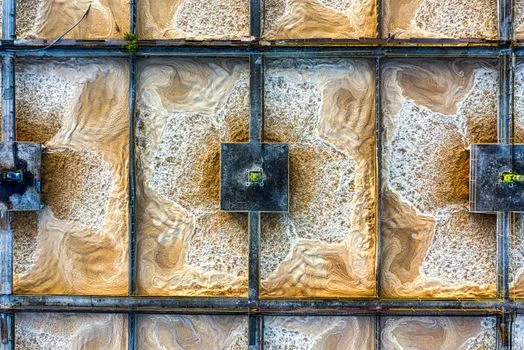
The selection of wastewater treatment technology profoundly impacts both the initial CAPEX and the long-term OPEX in Portugal, with each system offering distinct performance characteristics. Conventional Activated Sludge (CAS) systems typically represent the most economical baseline, with CAPEX ranging from €1,200–€1,800/m³ and OPEX between €0.20–€0.40/m³. These systems are generally compliant with basic ERSAR standards for municipal discharge, achieving effluent quality of COD ≤125 mg/L and TSS ≤35 mg/L, but require a significant footprint of 0.5–1.0 m²/PE.
For applications demanding higher effluent quality or limited space, MBR systems for high-quality effluent in Portugal offer a compelling alternative. MBR (Membrane Bioreactor) technology boasts a CAPEX of €2,500–€4,000/m³ and OPEX of €0.30–€0.60/m³. While the upfront cost is higher, MBR produces superior effluent quality (COD ≤50 mg/L, TSS ≤5 mg/L), making it suitable for water reuse applications. Crucially, MBR significantly reduces the plant footprint to 0.2–0.4 m²/PE, a critical advantage for urban or space-constrained industrial sites. Influent load also directly impacts operational costs; for example, high BOD/COD concentrations can increase aeration energy costs by 15–25% across most biological treatment systems.
For industrial wastewater, specialized pretreatment technologies are often indispensable. DAF pretreatment for industrial wastewater in Portugal (Dissolved Air Flotation) systems, used primarily for removing fats, oils, grease (FOG), and suspended solids, have a CAPEX of €800–€1,500/m³ (as pretreatment) and OPEX of €0.15–€0.30/m³. DAF is particularly cost-effective for industries like food processing and slaughterhouses with high FOG loads. Chemical precipitation, with a CAPEX of €300–€800/m³ and OPEX of €0.20–€0.50/m³, is a common solution for heavy metal removal in textile or metalworking industries. Finally, sludge dewatering technologies, such as sludge dewatering to reduce disposal costs in Portugal with a plate and frame filter press, are essential for managing waste byproducts. These systems have a CAPEX of €50K–€300K and OPEX of €0.05–€0.15/m³, but can reduce sludge volume by 70–80%, leading to 25–30% savings in disposal costs.
| Technology | CAPEX Range (€/m³) | OPEX Range (€/m³) | Typical Effluent Quality (COD/TSS) | Footprint (m²/PE or m²/m³/h) | Key Application |
|---|---|---|---|---|---|
| Conventional Activated Sludge (CAS) | €1,200–€1,800 | €0.20–€0.40 | ≤125 mg/L / ≤35 mg/L | 0.5–1.0 m²/PE | Municipal sewage treatment CAPEX |
| MBR (Membrane Bioreactor) | €2,500–€4,000 | €0.30–€0.60 | ≤50 mg/L / ≤5 mg/L (Reuse-ready) | 0.2–0.4 m²/PE | High-quality effluent, space-limited sites |
| DAF (Dissolved Air Flotation) | €800–€1,500 (Pretreatment) | €0.15–€0.30 | Removes FOG & TSS | 0.05–0.1 m²/m³/h | Industrial wastewater pretreatment (high FOG) |
| Chemical Precipitation | €300–€800 (Pretreatment) | €0.20–€0.50 | Removes heavy metals | 0.01–0.05 m²/m³/h | Industrial (heavy metals) |
| Sludge Dewatering (Filter Press) | €50K–€300K (Unit) | €0.05–€0.15 | Reduces sludge volume by 70-80% | 0.005–0.01 m²/m³/h | Sludge volume reduction |
Industrial vs. Municipal Wastewater Treatment Costs: Key Differences
The cost structures for industrial and municipal wastewater treatment in Portugal diverge significantly due to variations in influent characteristics, regulatory requirements, and treatment complexity. Municipal wastewater typically exhibits lower variability in influent composition, with biochemical oxygen demand (BOD) ranging from 200–400 mg/L and total suspended solids (TSS) between 200–300 mg/L. This allows for more standardized treatment trains, usually involving screening, primary clarification, secondary biological treatment, and often tertiary polishing. CAPEX for municipal sewage treatment CAPEX plants in Portugal can range from €1.5M to €20M for facilities serving 1,000 to 50,000 Population Equivalent (PE).
In contrast, industrial wastewater presents high variability in influent load and composition, often requiring customized and robust pretreatment solutions. For instance, food processing wastewater can have BOD levels ranging from 1,000–5,000 mg/L, while textile industry effluent may show chemical oxygen demand (COD) between 500–2,000 mg/L, sometimes containing specific heavy metals or dyes. This necessitates specialized technologies like DAF for FOG removal, chemical precipitation for heavy metals, or advanced oxidation processes, leading to significantly higher CAPEX, typically between €2M and €50M for plants treating 50 to 2,000 m³/h.
Compliance costs also differ, with industrial plants often facing stricter ERSAR limits. For example, food processing plants may be required to meet total nitrogen (TN) limits of ≤10 mg/L, compared to ≤15 mg/L for municipal discharges in non-sensitive areas. These more stringent requirements can add 15–25% to CAPEX for advanced treatment technologies such as MBR or ion exchange. A pertinent case example is a 2025 dairy plant in Aveiro, which invested €4.2M in a DAF + MBR system to treat its high-strength wastewater, resulting in an OPEX of €0.45/m³, notably higher than the typical €0.30/m³ for a municipal CAS plant. This underscores the need for tailored EU compliance strategies for industrial wastewater treatment, including advanced treatment for heavy metal removal in industrial wastewater.
| Characteristic | Municipal Wastewater Treatment | Industrial Wastewater Treatment |
|---|---|---|
| Influent Variability | Low (Standardized) | High (Industry-specific) |
| Typical BOD Range | 200–400 mg/L | 1,000–5,000 mg/L (e.g., food processing) |
| Key Pollutants | BOD, TSS, Nutrients (N, P) | BOD, COD, FOG, Heavy Metals, Specific Organics |
| Pretreatment Needs | Basic screening, grit removal | Customized (DAF, chemical precipitation, equalization) |
| ERSAR Compliance | Standardized limits (e.g., TN ≤15 mg/L) | Stricter, industry-specific limits (e.g., TN ≤10 mg/L) |
| Typical CAPEX Range | €1.5M–€20M (1,000–50,000 PE) | €2M–€50M (50–2,000 m³/h) |
How to Select the Right Wastewater Treatment Technology for Your Budget
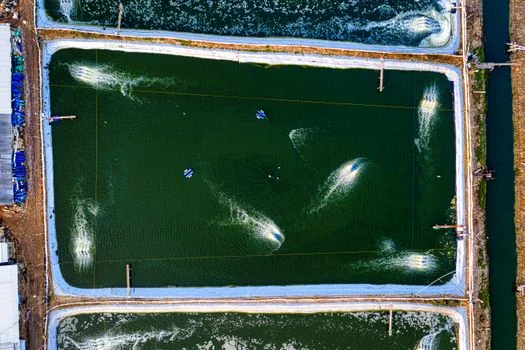
Selecting the optimal wastewater treatment technology in Portugal requires a structured approach that aligns influent characteristics, effluent quality goals, site constraints, and budget. The first step involves thoroughly characterizing the influent wastewater, identifying key parameters such as BOD, COD, TSS, FOG, and heavy metals. ERSAR guidelines provide typical values; for example, municipal wastewater generally has a BOD of 250 mg/L, while food processing wastewater can be as high as 1,500 mg/L. Accurate influent characterization is critical for sizing and selecting appropriate pretreatment and main treatment units.
Step 2 focuses on defining precise effluent requirements, which must meet ERSAR limits and any specific reuse standards. Achieving tertiary treatment, for instance, adds 20–30% to the CAPEX but enables wastewater reuse Portugal for non-potable applications like irrigation or cooling water, offering significant long-term water cost savings. Step 3 involves calculating footprint constraints. MBR systems, for example, can reduce the required land area by up to 60% compared to conventional activated sludge, making them ideal for urban industrial sites or facilities with limited expansion capacity.
Step 4 is a critical comparison of CAPEX versus OPEX trade-offs. While MBR systems may have 30% higher CAPEX than CAS, they often yield 20% lower OPEX due to reduced sludge disposal costs, less chemical usage, and superior effluent quality that minimizes potential fines. This long-term cost perspective is crucial for accurate budgeting and return on investment (ROI) calculations. Finally, Step 5 involves evaluating local supplier options. Portuguese suppliers, such as those under Águas de Portugal, may offer lower CAPEX due to local manufacturing and logistics advantages, coupled with extensive expertise in navigating ERSAR compliance. However, international suppliers like HydropureWater often provide access to advanced, energy-efficient technologies (e.g., MBR, DAF) and global support networks, potentially leading to lower long-term OPEX and superior performance.
A decision tree for technology selection can simplify this process:
| Condition | Recommendation | Impact |
|---|---|---|
| IF Influent FOG > 500 mg/L | DAF Pretreatment | Removes FOG, reduces downstream load, prevents clogging |
| IF Effluent TSS < 10 mg/L (for reuse) | MBR or Tertiary Filtration (Sand + UF) | Ensures high-quality effluent, enables water reuse Portugal |
| IF Site Footprint is Limited (< 0.5 m²/PE) | MBR System | Compact design, significantly reduces land requirement |
| IF High BOD/COD (> 1,000 mg/L) & Energy Costs are High | Anaerobic Digestion + Aerobic Treatment | Energy recovery (biogas), reduces aeration demand |
| IF Heavy Metals Present | Chemical Precipitation / Ion Exchange / RO | Specific removal of toxic compounds, ERSAR compliance |
| IF Budget is Primary Constraint, Basic Compliance Needed | Conventional Activated Sludge | Lower CAPEX, sufficient for basic ERSAR discharge |
Frequently Asked Questions
What is the average payback period for a wastewater treatment plant in Portugal?
The average payback period for a wastewater treatment plant in Portugal typically ranges from 5–10 years for municipal facilities, and often 3–7 years for industrial plants. Industrial facilities, particularly those with high existing disposal costs or potential for water reuse, frequently see quicker returns on investment. ROI significantly improves with the integration of energy-efficient technologies like MBR or anaerobic digestion, which reduce long-term operational expenses and can generate biogas for energy.
How do Portugal’s ERSAR standards compare to EU Directive 91/271/EEC?
Portugal's ERSAR standards often exceed the baseline requirements set by EU Directive 91/271/EEC, particularly for discharges into sensitive areas. For example, ERSAR may mandate total nitrogen (TN) limits as low as ≤10 mg/L in sensitive catchments, whereas the EU Directive typically specifies ≤15 mg/L. ERSAR also includes more rigorous monitoring requirements, such as quarterly versus annual reporting for certain parameters, ensuring a higher level of environmental protection within Portugal.
What are the hidden costs of wastewater treatment plants?
Several hidden costs can impact the overall expenditure of wastewater treatment plants. These include initial permitting and licensing fees (which can range from €50K–€200K), ongoing sludge disposal costs (€50–€150/ton, depending on sludge characteristics and disposal method), and unexpected influent spikes or changes in industrial discharges that necessitate costly chemical adjustments or system overhauls. These factors can add an additional 10–20% to annual OPEX if not properly accounted for in initial planning.
Can I reuse treated wastewater in Portugal?
Yes, treated wastewater can be reused in Portugal, but it requires specific tertiary treatment processes, such as sand filtration followed by UV disinfection, to meet stringent quality standards. ERSAR approval is mandatory for all reuse applications. Implementing wastewater reuse Portugal for non-potable purposes like agricultural irrigation, industrial cooling water, or landscaping can significantly reduce fresh water consumption and lead to water cost savings of 30–50% for facilities and municipalities.
How do I choose between a Portuguese and international supplier?
Choosing between a Portuguese and an international supplier involves balancing several factors. Portuguese suppliers, often represented by entities like Águas de Portugal or local engineering firms, typically offer lower CAPEX due to local production and logistical advantages, coupled with in-depth knowledge of ERSAR regulations and local permitting processes. International suppliers, such as HydropureWater, generally provide access to more advanced, proprietary technologies (e.g., highly efficient MBR or DAF systems), global best practices, and comprehensive technical support, which can translate into lower long-term OPEX and superior performance for complex industrial or high-standard municipal applications.