Why Food Processing Wastewater Treatment Is Critical for Algeria’s Dairy, Edible Oil, and Meat Plants
Algeria’s food processing sector—particularly dairy, edible oil, and meat plants—generates wastewater with COD loads of 2,000–10,000 mg/L and FOG concentrations up to 1,500 mg/L, far exceeding Algerian discharge limits (COD ≤125 mg/L, FOG ≤20 mg/L). Dissolved air flotation (DAF) systems remove 92–97% of FOG and suspended solids, while MBR systems achieve near-reuse-quality effluent (COD <50 mg/L) for high-strength streams. With Algeria’s water scarcity crisis (500 m³/year per capita), investing in tailored treatment systems is critical for compliance and operational resilience.
The Algerian Ministry of Water Resources enforces Decree 05-145, which establishes strict limits for industrial discharges into public sewers or the environment. For food processors, non-compliance is no longer a manageable risk; penalties include fines up to DZD 10 million and mandatory plant shutdowns. In water-stressed regions like Algiers, Oran, and Setif, industrial water consumption accounts for 20–30% of total demand. As freshwater prices rise and availability shrinks, water reuse strategies for food processing plants have shifted from an environmental preference to a financial necessity.
Specific industry challenges exacerbate these regulatory pressures. Dairy plants face high lactose and protein loads that acidify quickly, while edible oil refineries deal with emulsified fats that bypass standard grease traps. Meat processing facilities generate high concentrations of blood and nitrogen, requiring robust biological stages. A real-world example of this transition is the Fadiplait dairy plant in Hammadi, Boumerdès, which recently upgraded to a physicochemical dissolved air flotation system to meet stringent discharge standards and avoid recurrent municipal fines. The following table outlines the typical influent characteristics encountered in Algeria’s food processing corridors (HydropureWater field data, 2025).
| Parameter | Dairy (mg/L) | Edible Oil (mg/L) | Meat Processing (mg/L) | Decree 05-145 Limit |
|---|---|---|---|---|
| COD | 2,500 – 6,000 | 4,000 – 10,000 | 3,000 – 8,000 | ≤ 125 |
| BOD₅ | 1,500 – 3,500 | 2,000 – 5,000 | 1,800 – 4,000 | ≤ 35 |
| FOG | 200 – 600 | 800 – 1,500 | 400 – 1,000 | ≤ 20 |
| TSS | 500 – 1,500 | 1,000 – 3,000 | 800 – 2,500 | ≤ 30 |
| pH | 4.5 – 10.5 | 3.0 – 9.0 | 6.0 – 8.5 | 6.5 – 8.5 |
Engineering Specs for Food Processing Wastewater Treatment Systems in Algeria
Engineering a wastewater system for the Algerian market requires sizing equipment to handle high-strength organic loads while accounting for local ambient temperatures that affect biological activity and chemical solubility. For primary treatment, DAF systems for FOG removal in edible oil and dairy wastewater are sized based on a hydraulic loading rate of 5–10 m³/m²/h. The air-to-solids (A/S) ratio is a critical spec for Algerian engineers, typically maintained between 0.02 and 0.06 to ensure that micro-bubbles (30–50 μm) effectively lift emulsified fats and proteins to the surface for skimming.
For secondary treatment, particularly where high-quality effluent is required for cooling tower make-up or floor washing, MBR systems for high-COD dairy and meat processing wastewater provide the most compact and efficient solution. These systems utilize reinforced PVDF membranes with a pore size of 0.1 μm. In Algeria’s climate, MBRs are designed with a flux rate of 15–25 LMH (liters per square meter per hour) and a Mixed Liquor Suspended Solids (MLSS) concentration of 8,000–12,000 mg/L. This high biomass concentration allows the system to digest complex organics that conventional activated sludge systems cannot handle within the same footprint.
Effective pollutant removal is heavily dependent on precise chemical conditioning. Integrating chemical dosing systems for DAF and MBR optimization allows for the injection of coagulants like ferric chloride (50–150 mg/L) to destabilize emulsions and anionic polymers (1–5 mg/L) to facilitate flocculation. The following table provides the engineering benchmarks required to achieve Decree 05-145 compliance for a 100 m³/h facility.
| System Component | Design Parameter | Algerian Standard Specification |
|---|---|---|
| DAF Unit | Recycle Ratio | 25% – 35% at 5-6 bar pressure |
| DAF Unit | Chemical Dosing | FeCl₃: 100 mg/L; Polymer: 3 mg/L |
| MBR Module | Membrane Type | Reinforced Hollow Fiber (PVDF) |
| MBR Module | Energy Demand | 0.8 – 1.2 kWh/m³ treated water |
| Dosing System | Control Logic | PLC-based proportional to flow/turbidity |
| Effluent Goal | COD / TSS | < 125 mg/L / < 30 mg/L |
DAF vs. MBR vs. Chemical Dosing: Which System Fits Your Algerian Food Plant?

Selecting the appropriate technology depends on the ratio of particulate versus solubilized organics in the wastewater stream. DAF systems are the primary choice for Algerian edible oil refineries and dairy plants where FOG removal is the priority. DAF excels at removing insoluble contaminants, achieving 92–97% efficiency for fats and oils. However, DAF alone rarely meets the COD limit of 125 mg/L for high-strength dairy wastewater because it cannot remove dissolved sugars (lactose). In these cases, DAF serves as a vital pre-treatment stage to protect downstream biological processes from grease fouling.
MBR systems represent the gold standard for meat processing and complex dairy streams where the goal is either direct discharge to sensitive environments or internal water reuse. While the CAPEX for MBR is significantly higher—ranging from DZD 20M to 50M for a 100 m³/h system—the footprint is 60% smaller than conventional activated sludge plants. This is a critical advantage for facilities in industrial zones like Rouiba or Sidi Bel Abbes, where land is at a premium. MBRs also eliminate the need for secondary clarifiers, as the membrane provides a physical barrier to solids, ensuring effluent TSS is consistently near zero.
Standalone chemical dosing is rarely sufficient for food processing but is the "operational engine" of any successful DAF or MBR installation. In Algeria, where chemical supply chains can vary, automated dosing systems reduce chemical waste by 20–30% compared to manual mixing. By optimizing the isoelectric point of proteins in dairy wastewater through pH adjustment (usually using lime or caustic soda), chemical dosing can reduce the required size of the DAF unit by improving floc buoyancy. For a broader perspective on regional strategies, consider how other water-stressed regions handle food processing wastewater to benchmark your plant's performance against global standards.
| Feature | DAF (Physicochemical) | MBR (Biological/Membrane) | Chemical Dosing (Auxiliary) |
|---|---|---|---|
| Best For | High FOG (Edible Oil) | High COD (Dairy/Meat) | Optimization of DAF/MBR |
| CAPEX (100 m³/h) | DZD 15M – 25M | DZD 30M – 50M | DZD 2M – 5M |
| OPEX (per m³) | DZD 5 – 10 | DZD 8 – 15 | DZD 3 – 8 |
| Removal (COD) | 40% – 60% | 95% – 99% | N/A (Enhances DAF) |
| Maintenance | Moderate (Mechanical) | High (Membrane cleaning) | Low (Pump calibration) |
2026 Cost Models for Food Processing Wastewater Treatment in Algeria: CAPEX, OPEX, and ROI
CAPEX for a 100 m³/h DAF system in Algeria typically ranges from DZD 20M to 30M, depending on the level of automation and the grade of stainless steel (SS304 vs SS316) required for corrosive effluents. For a 100 m³/h MBR system, the investment increases to DZD 35M–50M. These figures include the primary equipment, control systems, and installation. Procurement managers must also factor in civil works, which in Algeria can account for an additional 20–30% of the total project budget depending on soil conditions in coastal regions.
OPEX is dominated by three factors: energy, chemicals, and sludge management. DAF systems are energy-efficient (0.1–0.3 kWh/m³) but have higher chemical costs. MBR systems have higher energy demands (0.8–1.2 kWh/m³) due to the aeration required for both biological oxygen and membrane scouring. Sludge disposal in Algeria costs between DZD 2 and DZD 5 per m³ for landfilling. However, advanced systems that incorporate sludge dewatering can reduce this volume by 70%, significantly lowering long-term OPEX.
The Return on Investment (ROI) is calculated by comparing the total cost of ownership against the avoidance of fines and the savings from water reuse. In a typical 100 m³/h dairy plant, the cost of freshwater is approximately DZD 50/m³. By reusing 50% of the treated MBR effluent for non-process applications, the plant saves DZD 1.8 million annually in water procurement alone. When combined with the avoidance of a DZD 10 million annual fine, a high-efficiency DAF-MBR system typically reaches its break-even point within 2.5 to 3.5 years. Financing through Algerian government initiatives, such as ANSEJ for smaller enterprises or World Bank-supported green industrial loans, can further accelerate this ROI by providing low-interest capital for environmental upgrades.
| Cost Category | DAF System (100 m³/h) | MBR System (100 m³/h) |
|---|---|---|
| Initial CAPEX | DZD 22,000,000 | DZD 42,000,000 |
| Annual Energy Cost | DZD 450,000 | DZD 1,800,000 |
| Annual Chemicals | DZD 1,200,000 | DZD 600,000 |
| Sludge Disposal | DZD 800,000 | DZD 400,000 |
| Total Annual OPEX | DZD 2,450,000 | DZD 2,800,000 |
| Estimated ROI | 2.2 Years | 3.4 Years |
Compliance Checklist for Algerian Food Processors: Avoid Fines and Shutdowns
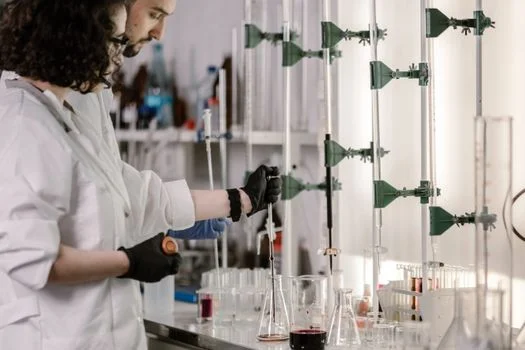
Ensuring long-term compliance with Decree 05-145 requires a multi-stage treatment approach that addresses both physical solids and dissolved organic matter. Failure to implement a robust pre-treatment stage is the most common cause of system failure in Algerian plants. The following checklist provides a step-by-step framework for engineers to audit their current or planned systems.
- Pre-treatment: Install rotary screens for solids removal to eliminate particles greater than 5 mm. This protects pumps and prevents the clogging of DAF nozzles or MBR membranes.
- Primary Treatment: Utilize a DAF system to target FOG and TSS. Ensure the system is calibrated to achieve a TSS concentration of <100 mg/L before the wastewater enters the biological stage.
- Secondary Treatment: Use an MBR or an activated sludge process to reduce COD and BOD. The system must be sized for the peak organic load, not just the average flow, to prevent "washout" during high-production shifts.
- Tertiary Disinfection: For plants seeking reuse or discharging near coastal areas, integrate ClO₂ generators for tertiary disinfection in food processing. This ensures microbial limits (E. coli <1,000 CFU/100 mL) are met. For more on this, see our guide on tertiary disinfection options for food processing wastewater.
- Monitoring & Reporting: Install online sensors for pH, turbidity (TSS proxy), and flow. Algerian Ministry of Water Resources auditors require documented logs of effluent quality and sludge disposal manifests.
- Chemical Management: Implement an automated dosing system to maintain the pH between 6.5 and 8.5, as required by law, and to ensure optimal flocculation regardless of influent variability.
Frequently Asked Questions
What are the discharge limits for food processing wastewater in Algeria?
Under Decree 05-145, industrial effluent must meet the following limits: COD ≤ 125 mg/L, BOD₅ ≤ 35 mg/L, TSS ≤ 30 mg/L, and FOG ≤ 20 mg/L. Nitrogen and phosphorus limits may also apply depending on the discharge location.
How much does a DAF system cost for a 100 m³/h dairy plant in Algeria?
A standard DAF system for this capacity typically requires a CAPEX of DZD 20M to DZD 25M. The OPEX averages DZD 6–9 per cubic meter treated, primarily covering chemical coagulants and electricity for the saturation pump.
Can MBR systems be used for water reuse in food processing?
Yes. MBR systems produce high-quality effluent with COD < 50 mg/L and zero detectable TSS. This water is suitable for non-contact applications such as cooling towers, floor cleaning, and irrigation of green spaces within the facility.
What chemicals are used in food processing wastewater treatment?
Common chemicals include coagulants like Ferric Chloride or Aluminum Sulfate (50–150 mg/L), flocculants such as anionic polyacrylamide (1–5 mg/L), and pH adjusters like Sodium Hydroxide or Lime.
How often should membranes be replaced in an MBR system?
With proper pre-treatment and regular Clean-In-Place (CIP) cycles, high-quality PVDF membranes have a lifespan of 5 to 7 years. Replacement costs for a 100 m³/h system generally range from DZD 5M to 10M.