Food processing water purification system specs in 2026 hold E. coli at or below 1 CFU/100 mL for food-contact water, TSS below 1 mg/L, and FOG below 10 mg/L where pretreatment applies, using RO, DAF, MBR, and UV trains.
Food Processing Water Purification System Specs: Compliance and Cost Drivers
Food-contact water in food plants carries drinking-water microbial limits: E. coli at or below 1 CFU/100 mL in common plant specs, turbidity often below 0.1 NTU before disinfection, and a UV design dose near 40 mJ/cm². RO removes dissolved salts at 15–40 bar on the process side, while DAF and MBR cut FOG and COD on the wastewater side.
Food-contact water must meet drinking-water microbial and turbidity limits used by WHO and FDA frameworks: E. coli ≤1 CFU/100 mL in common plant specs, and turbidity often below 0.1 NTU before disinfection. Missed limits create recall risk and sewer surcharges. Hardness above 120 mg/L as CaCO₃ raises boiler energy use once scale reaches about 1.5 mm.
WHO and FDA rules treat water that contacts food as a food-safety control point, not a utility afterthought. In 2023, FDA Enforcement Reports documented a recall of 500,000 lbs of chicken products linked to Listeria monocytogenes and inadequately controlled process water pathways. That class of event destroys finished goods value and forces full hygienic redesign of the water train.
Hardness and scale hit the energy bill next. Scale about 1.5 mm thick can raise heat-transfer energy use by 15–25% in boilers, pasteurizers, and evaporators, a range still cited against 2024 USDA operating-cost discussions for high-heat dairy duty. Most plants we size for dairy evaporation already run near the lower end of that penalty once softener or RO pretreatment is missing.
Wastewater economics close the loop. Food effluent is rich in TSS and FOG, and many municipalities surcharge roughly $0.50–$2.00 per kg of excess load. A mid-sized meat plant that skips pretreatment can face annual surcharges above $100,000. Selecting the right barriers early is therefore a cost control decision as much as a compliance one. Plants that also operate utility loops sometimes review microbial engineering wastewater treatment practices used on cooling circuits, but food-contact water still needs its own validated barriers.
Water Purification System for Food Processing: RO, DAF, MBR, and UV
Industrial RO membranes with a nominal 0.0001 μm rejection layer remove up to 99% of dissolved salts and many pathogens from food process water when feed SDI and chlorine limits are respected. Typical operating pressure is 15–40 bar, chosen to overcome osmotic pressure while rejecting mono- and divalent ions. In beverage halls, industrial RO systems for food-grade water purification are specified to hold low TDS and stable flavor minerals.
DAF removes free FOG and TSS by releasing 30–50 μm micro-bubbles that float coagulated solids for skimming. Retention time is commonly 3–5 minutes. Standard DAF systems for food processing wastewater pretreatment reach 92–97% FOG removal on dairy and meat loads when pH and coagulant dose are controlled.
MBR couples biological oxidation with submerged PVDF ultrafiltration at about 0.1 μm. Mixed liquor is held near 8,000–12,000 mg/L MLSS so complex organics degrade behind a physical bacterial barrier. For reuse candidates, MBR systems for food plant water reuse commonly deliver COD below 50 mg/L and turbidity below 1 NTU for cooling or floor wash—not for unvalidated food contact.
UV at 254 nm provides the final photochemical barrier. Plant specs still call for about 40 mJ/cm² and a 99.9% (3-log) bacterial kill target under clear water. According to the US EPA UV dose table under LT2ESWTR (40 CFR 141.720), 39 mJ/cm² credits 0.5-log virus inactivation at 254 nm, while 3-log Cryptosporidium credit is only 12 mJ/cm²; food plants therefore keep the higher 40 mJ/cm² floor as a conservative design dose, not as a virus 3-log claim. Compact polishing packages such as an Integrated Water Purification System (JY Series) often combine clarification, filtration, and disinfection when floor space is tight.
| Technology | Primary Mechanism | Key Removal Target | Engineering Spec |
|---|---|---|---|
| Industrial RO | Membrane Permeation | Dissolved Solids (TDS), Ions | 0.0001 μm pore size; 99% rejection |
| DAF | Micro-bubble Flotation | FOG, TSS, Proteins | 30–50 μm bubble size; 3–5 min retention |
| MBR | Biological + Ultrafiltration | BOD, COD, Bacteria | 0.1 μm pore size; 10,000 mg/L MLSS |
| UV Disinfection | Photochemical DNA lysis | Viruses, Bacteria, Cysts | 254 nm wavelength; 40 mJ/cm² dose |
RO vs. DAF vs. MBR vs. UV: Which System Fits Your Food Plant’s Needs?
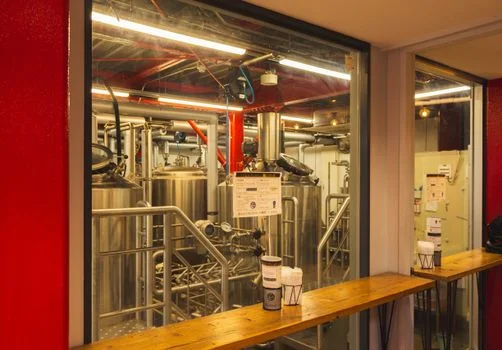
Matching technology to the waste or process stream decides ROI more than brand preference. Cheese rooms with FOG above 500 mg/L need DAF before any biological stage or sewer discharge. Soft-drink bottling lines instead prioritize RO plus UV so ingredient water stays low-TDS and microbially controlled. Across most food halls we commission, the first cut is still FOG versus dissolved salts versus pathogens.
| Feature | RO System | DAF System | MBR System | UV System |
|---|---|---|---|---|
| Primary Target | TDS & Salts | FOG & TSS | BOD & Organics | Pathogens |
| Flow Rate (m³/h) | 2 – 500+ | 5 – 1000+ | 10 – 200+ | 1 – 1000+ |
| Footprint | Medium | Large | Compact | Very Small |
| Energy (kWh/m³) | 1.5 – 3.0 | 0.1 – 0.3 | 0.8 – 1.5 | 0.02 – 0.05 |
| Typical CapEx | $5k – $20k per m³/h | $3k – $15k per m³/h | $10k – $30k per m³/h | $1k – $5k per m³/h |
Dairy sites typically pair RO for process water with DAF on wastewater when FOG exceeds 500 mg/L. Meat plants with BOD above 2,000 mg/L lean on MBR, then UV if pathogen control is required on reuse or wash water. Beverage trains use RO plus UV to hold TDS below 10 mg/L with no detectable microbes in finished ingredient water. Sanitary fine screens (1–2 mm ahead of MBR, or 5 μm cartridges ahead of UV) remain the cheapest insurance against solids upsets.
Food Contact Water E. coli Limits HACCP Checks
HACCP water controls start with a written water safety plan that lists every food-contact, clean-in-place, and ice-making takeoff. Critical limits usually include E. coli non-detect or ≤1 CFU/100 mL per plant procedure, turbidity before UV, and disinfectant dose or UV intensity with sensor alarms. Monitoring frequency is highest on ingredient water and post-maintenance restart. Corrective actions must cover lamp failure, membrane integrity loss, and positive microbial results before release.
The regulatory backdrop explains why those limits sit so tight. WHO states that microbial contamination of drinking-water from faeces poses the greatest risk to drinking-water safety, and in 2022, 73% of the global population (6 billion people) used a safely managed drinking-water service (WHO). coli is present, the bottled water is deemed adulterated. Plants scaling up haccp safety systems for food processing plants usually extend these same microbial limits to every food-contact takeoff.
2026 Engineering Specs for Food-Grade Water Systems: Parameters You Must Meet
RO feed water should stay below SDI 3 and free chlorine below 0.1 mg/L; exceeding those limits can cut membrane life by 50–70% in food duty. Pretreatment is mandatory, not optional. Many food RO trains therefore add activated carbon filters for RO pretreatment in food plants to strip residual chlorine before polyamide elements.
| System Type | Influent Limit (Max) | Effluent Target (Min) | Pretreatment Required |
|---|---|---|---|
| Reverse Osmosis | SDI <3, Chlorine <0.1 mg/L | TDS <10 mg/L, NTU <0.1 | Multi-media + Carbon Filter |
| DAF Machine | FOG <1,000 mg/L, pH 6–8 | FOG <10 mg/L, TSS <20 mg/L | pH Adj. + Coagulant Dosing |
| MBR System | BOD <2,000 mg/L, No Free Oil | COD <50 mg/L, NTU <1.0 | Fine Screening (1-2 mm) |
| UV Disinfection | Turbidity <1 NTU | <1 CFU/100 mL E. coli | 5 μm Cartridge Filter |
Food Processing Wastewater FOG Removal DAF Design
Food processing wastewater FOG removal by DAF works only when chemistry is automated: pH 6.5–7.5 and FeCl₃ typically 20–50 mg/L hold the float stable across product changeovers. Air-to-solids ratio design should follow the waste-stream FOG profile; engineers still consult detailed engineering specs for DAF systems in food processing when calculating bubble contact and recycle rates. FAO and WHO (2019) likewise frame water used in food production as a risk-managed input that needs defined quality targets and monitoring, not ad-hoc utility water.
Design targets for the clarified stream stay simple: FOG below 10 mg/L and TSS below 20 mg/L on dairy and meat loads, carried by 30–50 μm bubbles at 3–5 minutes retention. Jar tests on each new product line set the coagulant and polymer pair, because whey, blood, and fryer oils each float differently. Sizing the recycle loop for peak FOG, not average FOG, is what keeps effluent inside the sewer permit during campaign production weeks.
MBR UV Food Plant Water Reuse Specification
An MBR UV food plant water reuse specification pairs MBR permeate quality (COD below 50 mg/L, turbidity below 1 NTU) with UV at 254 nm near 40 mJ/cm² in a validated reactor. Under the EPA LT2 framework, UV reactors must undergo validation testing to determine the operating conditions under which the required dose is delivered (40 CFR 141.720). Treated water aimed at food-contact-equivalent duty should hold TSS below 1 mg/L and turbidity below 0.1 NTU before any approval claim. Most beverage plants currently reuse up to about 30% of water for non-ingredient duties such as bottle rinsing before seeking food-contact approval.
STP Budget Ranges for Food Wastewater: CapEx and OPEX
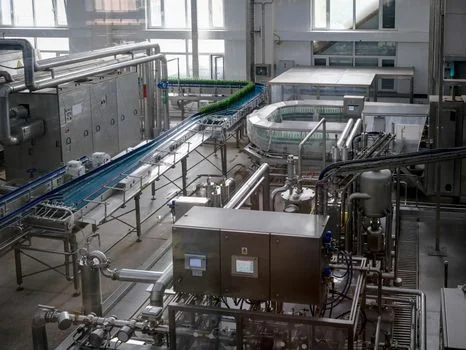
Sewage treatment plant (STP) CapEx for food wastewater is driven by FOG load, peak hourly flow, and reuse goals. Industrial RO packages still land near $5,000–$20,000 per m³/h of permeate capacity. A beverage reuse case in Mexico that combined RO and UV reclaimed about 40% of process water and cut total water cost by roughly 35% per year.
MBR OPEX commonly runs $0.80–$2.00 per m³, with membrane air scour near 40% of energy. For a 50 m³/h reuse train, payback is often 1.5–3 years when municipal water exceeds about $2.50 per m³. Screw-press sludge dewatering after DAF or MBR is a frequent add-on when cake disposal fees dominate the OPEX line. Buyers comparing package options can also check the cost of stp for food processing plants guide for modular, capacity-banded pricing.
| System Component | Estimated CapEx (USD) | Estimated OPEX (per m³) | Replacement Cycle |
|---|---|---|---|
| RO Unit (50 m³/h) | $250,000 – $450,000 | $0.50 – $1.50 | 3–5 Years (Membranes) |
| DAF Unit (100 m³/h) | $150,000 – $300,000 | $0.30 – $1.00 | Annual (Mechanical seals) |
| MBR Unit (20 m³/h) | $200,000 – $400,000 | $0.80 – $2.00 | 5–8 Years (Membranes) |
| UV Unit (100 m³/h) | $20,000 – $50,000 | $0.02 – $0.05 | 9,000 – 12,000 Hours (Lamps) |
Selection checklist before purchase: (1) map food-contact vs utility vs sewer streams; (2) measure FOG, BOD, TSS, and SDI on design samples; (3) set effluent and reuse limits in writing; (4) size peak hour, not average day; (5) lock pretreatment for chlorine and solids; (6) define CIP and lamp-replacement budgets; (7) confirm validation method for UV dose. Anaerobic digestion CapEx/OPEX for a 15 ton/day solids stream is a separate solids line and should not be bundled blindly into the liquid STP quote.
Common Problems and How to Fix Them: Troubleshooting Food Water Systems
RO fouling shows as permeate flow down more than 15% or differential pressure up more than 20%. Food plants usually see protein organics or biofouling first. CIP with citric acid at pH 2–3 clears inorganic scale; NaOH at about pH 11 clears organics. Periodic non-oxidizing biocide such as DBNPA at 10–20 mg/L limits biofilm between cleans.
DAF effluent FOG above 50 mg/L usually means air-to-solids ratio below 0.02 or pH outside 6.5–7.5. If the float blanket is thinner than 20 cm, raise recycle air toward 8–10% of influent flow and hold FeCl₃ near 50 mg/L while re-checking flocculation. Consistent operator rounds beat fancy instrumentation when loads swing with product changeovers.
UV non-compliance after a microbial spike starts with intensity sensors. Replace lamps when output falls below 70% of new-lamp rating, and clean quartz sleeves quarterly with mild citric acid. Where a residual disinfectant is required beyond UV, a chemical-free disinfection for food water systems approach using chlorine dioxide can add a secondary barrier. High-purity reuse logic used in other industries, including Data Center Cooling Water Treatment: 2026 Specs & 40% Recovery trains, still returns to the same rule: polish only after solids and organics are already controlled.
Who This Is For and Next Step
This guide is for food plant engineers, EPC designers, and procurement teams sizing process-water RO/UV trains or FOG-heavy wastewater DAF/MBR lines. Look elsewhere if you need hospital effluent segregation design alone, such as city-specific hospital guides, or if your scope is only municipal drinking-water distribution. To size a food-grade train against your FOG, SDI, and reuse targets, request a process quote with your flow and lab data.
Frequently Asked Questions
What is the best water purification setup for a dairy plant?
Most dairy sites use RO for process and ingredient water plus DAF on wastewater. RO holds TDS below 10 mg/L for steam and product water, while DAF handles FOG loads above 500 mg/L from cheese and milk rooms. Combined CapEx for that pairing typically falls between $17,000 and $40,000 per m³/h of treated capacity, before buildings and tanks. MBR is added when sewer limits or reuse goals require dissolved BOD removal after flotation.
How often should RO membranes be replaced in food processing?
Food-duty RO membranes usually last 3–5 years when SDI and chlorine limits are respected. Replace them when salt rejection falls below 95% or permeate flow stays below 70% of design after a full CIP. Annual CIP with acid and caustic cycles can extend life by up to about 30% in protein-rich plants. Track differential pressure weekly so fouling is caught before irreversible compaction.
Can treated wastewater be reused for food contact?
Only after a validated multi-barrier train such as MBR + RO + UV, and only when local food-law approval is in place. Effluent must meet the plant’s drinking-water equivalent limits: TSS below 1 mg/L, turbidity below 0.1 NTU, and no detectable pathogens under the approved method. Many beverage plants currently reuse up to about 30% of water for non-ingredient duties such as bottle rinsing before seeking food-contact approval.
What is the difference between DAF and MBR for food wastewater?
DAF is a physical-chemical float process that removes about 95% of FOG and TSS but leaves dissolved BOD largely untouched. MBR is biological treatment plus membrane solids separation, typically producing COD below 50 mg/L. Use DAF as pretreatment on oily dairy or meat streams, then MBR when discharge permits or reuse quality demand dissolved-organic removal. Running MBR on free oil without DAF shortens membrane life quickly.
How do I validate UV disinfection for food safety?
Validate with biodosimetry using a challenge organism such as MS2 phage to confirm the reactor delivers the design dose near 40 mJ/cm² under worst-case UVT and flow. Check intensity sensors monthly and replace lamps on hour-meter or when output drops about 20% from new. Keep upstream turbidity below 1 NTU so dose delivery remains credible. Document lamp changes inside the HACCP water record set.
What HACCP water checks do food plants need?
HACCP water checks start with a written water safety plan covering every food-contact, clean-in-place, and ice-making takeoff. Critical limits include E. coli non-detect or ≤1 CFU/100 mL, turbidity before UV, and disinfectant dose or UV intensity with sensor alarms. Monitoring runs most often on ingredient water and after maintenance restarts, with corrective actions defined before release.
How much should a food plant budget for a sewage treatment plant?
Sewage treatment budgets for food wastewater track three drivers: FOG load, peak hourly flow, and reuse goals. Package RO lands near $5,000–$20,000 per m³/h of permeate capacity, DAF near $3k–$15k per m³/h, and MBR near $10k–$30k per m³/h before buildings and tanks. MBR OPEX adds $0.80–$2.00 per m³. A 50 m³/h reuse train often pays back in 1.5–3 years when municipal water exceeds about $2.50 per m³.
Which system fits a food plant's needs: RO, DAF, MBR, or UV?
Match the barrier to the dominant pollutant. Cheese rooms with FOG above 500 mg/L need DAF first; soft-drink lines prioritize RO plus UV for low-TDS ingredient water; meat plants with BOD above 2,000 mg/L lean on MBR, then UV on reuse or wash water. Beverage trains hold TDS below 10 mg/L with RO plus UV. Fine screens of 1–2 mm ahead of MBR, or 5 μm cartridges ahead of UV, protect every configuration from solids upsets.