Hospital wastewater in Cape Town must meet national discharge standards (e.g., COD ≤ 75 mg/L, E. coli ≤ 1,000 CFU/100 mL) under the National Water Act and Western Cape bylaws. Aging infrastructure and new chemical contaminants (e.g., pharmaceutical residues) necessitate advanced tertiary treatment systems like Dissolved Air Flotation (DAF) (achieving 92-97% TSS removal) or Membrane Bioreactors (MBR) (providing 99.9% pathogen kill). On-site chlorine dioxide generators further achieve 99.99% disinfection without secondary pollution, reducing CAPEX by 30% compared to traditional chlorine systems. This guide provides 2026 engineering specifications, comprehensive compliance mapping, and a zero-risk equipment selection framework specifically tailored for Cape Town hospitals.
Why Cape Town Hospitals Are Failing Wastewater Compliance (And How to Fix It)
Cape Town’s municipal wastewater treatment plants, many 30–50 years old, were primarily designed for domestic sewage, not the complex and hazardous effluent discharged by healthcare facilities (Top 1 page). This fundamental mismatch leads to consistent compliance failures for hospitals, as their wastewater contains a unique cocktail of pharmaceuticals, highly resistant pathogens, and heavy metals that conventional municipal systems cannot adequately treat. For instance, SARS-CoV-2 surveillance in Tygerberg Hospital wastewater detected Delta and Omicron variants 2–3 weeks before clinical cases were reported (Top 3 page), underscoring the critical need for robust, real-time pathogen monitoring and removal at the source. The ‘invisible’ contaminants in hospital wastewater, such as antibiotics, chemotherapy drugs, and endocrine disruptors, pose significant environmental and public health risks, impacting downstream ecosystems and potentially contributing to antimicrobial resistance. However, decentralized, onsite medical effluent treatment systems offer a proven solution; George Regional Hospital’s onsite treatment system, for example, reduced greenhouse gas emissions by 40% and operational costs by ZAR 800K per year (Top 4 page), demonstrating the financial and environmental viability of dedicated hospital wastewater treatment in Cape Town and beyond.
Cape Town’s Hospital Wastewater Regulations: National Standards vs. Local Bylaws
Compliance for hospital wastewater treatment in Cape Town is a multi-layered challenge, requiring adherence to both national legislation and specific local bylaws. The National Water Act (No. 36 of 1998) sets baseline discharge standards, typically requiring Chemical Oxygen Demand (COD) levels ≤ 75 mg/L and E. coli counts ≤ 1,000 CFU/100 mL for effluent released into municipal sewers. However, Western Cape provincial bylaws and individual facility permits often impose stricter limits; Tygerberg Hospital’s 2023 permit, for example, mandates an E. coli discharge limit of ≤ 500 CFU/100 mL. The City of Cape Town’s Water and Sanitation Bylaw (2010) further solidifies the requirement for pre-treatment of industrial and hospital effluent, detailing a rigorous permitting process and imposing substantial penalties for non-compliance, which can range from ZAR 50,000 to ZAR 200,000 per violation. When comparing these to international benchmarks, WHO Guidelines for Drinking-water Quality recommend chlorine dioxide residual ≤ 0.8 mg/L, while the EU Urban Waste Water Directive 91/271/EEC sets limits like phosphorus ≤ 2 mg/L, highlighting areas where local standards may evolve. Common compliance failures in Cape Town hospitals include elevated levels of ammonia, Fats, Oils, and Grease (FOG), and persistent antibiotic residues, primarily due to the absence of advanced tertiary treatment systems capable of addressing these complex contaminants.
| Parameter | National Water Act (NWA) Standard | Western Cape Bylaw (Tygerberg Hospital Permit, 2023) | City of Cape Town Water & Sanitation Bylaw (2010) | WHO Guidelines for Drinking Water (Reference) |
|---|---|---|---|---|
| COD | ≤ 75 mg/L | ≤ 75 mg/L | Pre-treatment required for industrial effluent | N/A (for wastewater) |
| BOD | ≤ 25 mg/L | ≤ 25 mg/L | Pre-treatment required for industrial effluent | N/A (for wastewater) |
| TSS | ≤ 25 mg/L | ≤ 25 mg/L | Pre-treatment required for industrial effluent | N/A (for wastewater) |
| E. coli | ≤ 1,000 CFU/100 mL | ≤ 500 CFU/100 mL | Pre-treatment required for industrial effluent | 0 CFU/100 mL (for drinking water) |
| Ammonia | ≤ 6 mg/L | ≤ 6 mg/L | Pre-treatment required for industrial effluent | N/A (for wastewater) |
| Chlorine Dioxide Residual | N/A | N/A | N/A | ≤ 0.8 mg/L |
| Phosphorus | N/A (often site-specific) | N/A (often site-specific) | Pre-treatment required for industrial effluent | N/A (for wastewater) |
Hospital Wastewater Treatment Technologies: DAF vs. MBR vs. Chlorine Dioxide (Head-to-Head Comparison)
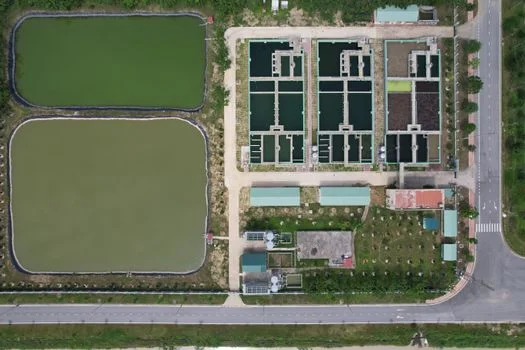
Selecting the optimal medical effluent treatment system for Cape Town hospitals hinges on specific requirements, particularly concerning pathogen control, footprint, and operational costs. Dissolved Air Flotation (DAF) systems, such as the high-efficiency DAF system for hospital wastewater, excel at removing 92–97% of Total Suspended Solids (TSS) and Fats, Oils, and Grease (FOG), making them ideal as a primary or secondary treatment stage for high-FOG effluent sources like Tygerberg Hospital’s kitchen wastewater. However, DAF typically requires subsequent disinfection, often with chlorine dioxide, to achieve a 99.9% pathogen kill rate. In contrast, Membrane Bioreactor (MBR) systems, including the compact MBR system for hospital effluent (WSZ Series), combine activated sludge biological treatment with advanced PVDF membrane filtration (0.1 μm pore size). This integration results in superior effluent quality (COD ≤ 50 mg/L) and a high 99.9% pathogen removal, while simultaneously eliminating the need for secondary clarifiers and reducing the overall system footprint by up to 60%. For robust disinfection, chlorine dioxide generators, available within a fully automated hospital wastewater treatment unit, produce 99.99% pure ClO₂ onsite. This method avoids the formation of harmful trihalomethanes (THMs) and easily meets WHO Guidelines for Drinking-water Quality, often presenting a CAPEX 30% lower than traditional chlorine systems due to simplified chemical handling and storage. A hybrid approach, exemplified by George Regional Hospital, integrates DAF for initial solids and FOG removal, followed by MBR for biological treatment and advanced filtration, and then a final chlorine dioxide disinfection stage, achieving an impressive effluent quality of COD ≤ 30 mg/L and E. coli ≤ 10 CFU/100 mL.
| Technology | Primary Function | Key Benefit | Pathogen Kill Rate (Typical) | Footprint (Relative) | Typical Application in Hospitals |
|---|---|---|---|---|---|
| DAF | TSS, FOG, Oil removal | Effective for high-FOG streams, pre-treatment | Requires post-disinfection (e.g., ClO₂) for >99.9% | Medium-Large | Kitchen wastewater, pre-treatment stage |
| MBR (WSZ Series) | BOD, COD, TSS, Pathogen removal | High effluent quality, compact footprint (60% reduction) | 99.9% | Small | Full biological treatment, space-limited sites |
| Chlorine Dioxide | Disinfection | 99.99% pathogen kill, no THM formation, lower CAPEX | 99.99% | Very Small (generator) | Final disinfection stage for any treated effluent |
| Hybrid (DAF + MBR + ClO₂) | Comprehensive treatment & disinfection | Optimized for complex hospital effluent, high compliance | >99.99% | Medium | Complete onsite treatment for stringent discharge |
2026 Engineering Specs for Cape Town Hospital Wastewater Systems: Flow Rates, Effluent Quality, and Footprint
Designing or upgrading hospital wastewater treatment systems in Cape Town requires precise engineering specifications to ensure compliance and operational efficiency. Influent characteristics for Cape Town hospitals typically show high pollutant loads, with Chemical Oxygen Demand (COD) ranging from 500–1,500 mg/L, Biochemical Oxygen Demand (BOD) between 250–800 mg/L, Total Suspended Solids (TSS) from 200–600 mg/L, and E. coli counts as high as 10⁶–10⁸ CFU/100 mL, based on data from facilities like Tygerberg Hospital (Top 3 page). Effective treatment systems must reduce these parameters significantly. For instance, a robust Membrane Bioreactor (MBR) system can achieve effluent quality benchmarks of COD ≤ 50 mg/L and E. coli ≤ 10 CFU/100 mL. A Dissolved Air Flotation (DAF) system combined with chlorine dioxide disinfection typically yields COD ≤ 75 mg/L and E. coli ≤ 500 CFU/100 mL, meeting national standards but potentially requiring further polishing for stricter local bylaws. System sizing for Cape Town hospitals generally ranges from 10–50 m³/h for smaller clinics and specialized units, up to 50–200 m³/h for regional hospitals such as George Regional Hospital, which operates an 80 m³/h system. Footprint requirements are a critical consideration in urban environments; MBR systems typically require a compact 0.5 m²/m³/day, while DAF systems need approximately 0.8 m²/m³/day. Power consumption is also a key operational metric, with MBR systems consuming 0.8–1.2 kWh/m³ and DAF systems requiring 0.3–0.5 kWh/m³.
| Parameter | Typical Influent Characteristics (Cape Town Hospitals) | MBR Effluent Quality (Target) | DAF + ClO₂ Effluent Quality (Target) |
|---|---|---|---|
| COD | 500–1,500 mg/L | ≤ 50 mg/L | ≤ 75 mg/L |
| BOD | 250–800 mg/L | ≤ 10 mg/L | ≤ 25 mg/L |
| TSS | 200–600 mg/L | ≤ 5 mg/L | ≤ 25 mg/L |
| E. coli | 10⁶–10⁸ CFU/100 mL | ≤ 10 CFU/100 mL | ≤ 500 CFU/100 mL |
| Ammonia-N | 30–80 mg/L | ≤ 5 mg/L | ≤ 10 mg/L |
| System Type | Typical Flow Rate Range (Cape Town) | Footprint Requirement (approx.) | Power Consumption (approx.) |
|---|---|---|---|
| Small Clinics / Units | 10–50 m³/h | 0.5–0.8 m²/m³/day | 0.3–1.2 kWh/m³ |
| Regional Hospitals | 50–200 m³/h | 0.5–0.8 m²/m³/day | 0.3–1.2 kWh/m³ |
| MBR (WSZ Series) | (Integrated) | 0.5 m²/m³/day | 0.8–1.2 kWh/m³ |
| DAF | (Integrated) | 0.8 m²/m³/day | 0.3–0.5 kWh/m³ |
CAPEX and OPEX Breakdown for Hospital Wastewater Systems in Cape Town (2026 Data)

Understanding the capital expenditure (CAPEX) and operational expenditure (OPEX) is crucial for procurement managers evaluating hospital wastewater treatment systems in Cape Town. For Dissolved Air Flotation (DAF) systems designed for 10–50 m³/h flow rates, CAPEX typically ranges from ZAR 1.2 million to ZAR 5 million, including installation and commissioning, making them approximately 30% lower in upfront cost than MBR systems for high-FOG applications. Membrane Bioreactor (MBR) systems (WSZ Series) for 10–200 m³/h facilities usually incur a CAPEX between ZAR 2 million and ZAR 8 million. While MBR systems have about a 20% higher upfront cost, their OPEX is often 40% lower due to reduced sludge disposal volumes and superior effluent quality. On-site chlorine dioxide generators for disinfection, with capacities from 50–20,000 g/h, represent a CAPEX of ZAR 500,000 to ZAR 2 million. These systems offer a 30% lower CAPEX compared to traditional chlorine gas systems, largely due to eliminating the need for extensive safety infrastructure and chemical storage risks. Regarding OPEX, MBR systems typically cost ZAR 0.8–1.2/m³, DAF systems range from ZAR 0.5–0.8/m³, and chlorine dioxide disinfection adds ZAR 0.3–0.5/m³. A well-designed hybrid system, like the one at George Regional Hospital, demonstrated a payback period of approximately 3.5 years, primarily through reduced discharge fees and improved environmental compliance.
| Technology Type | CAPEX Range (ZAR, 2026) | OPEX Range (ZAR/m³, 2026) | Key Cost Advantage | Typical Flow Rate (m³/h) |
|---|---|---|---|---|
| DAF | 1.2M – 5M | 0.5 – 0.8 | Lower upfront cost for FOG removal | 10 – 50 |
| MBR (WSZ Series) | 2M – 8M | 0.8 – 1.2 | 40% lower OPEX (reduced sludge, higher quality) | 10 – 200 |
| Chlorine Dioxide | 500K – 2M | 0.3 – 0.5 | 30% lower CAPEX than traditional chlorine | (Disinfection stage) |
| Hybrid (DAF + MBR + ClO₂) | 3M – 10M+ | 0.6 – 1.0 | Optimized ROI, comprehensive compliance | 20 – 200+ |
Step-by-Step Equipment Selection Framework for Cape Town Hospitals
Selecting the appropriate hospital wastewater treatment system in Cape Town requires a structured decision-making process to ensure optimal performance, compliance, and cost-effectiveness. This framework guides facility managers and engineers through critical evaluation steps:
- Step 1: Assess Influent Quality and Flow Rate. Begin by thoroughly characterizing your hospital's raw wastewater. This involves detailed analysis of parameters such as Chemical Oxygen Demand (COD), Biochemical Oxygen Demand (BOD), Total Suspended Solids (TSS), and pathogen counts (e.g., E. coli). Simultaneously, determine the average and peak flow rates; for instance, clinics may generate 10–50 m³/h, while regional hospitals like George Regional Hospital might manage 50–200 m³/h. Accurate influent data is foundational for effective system design.
- Step 2: Match Effluent Requirements to Compliance Standards. Clearly define the target effluent quality based on all applicable regulations. This means identifying if your facility must meet national standards (e.g., COD ≤ 75 mg/L) or stricter Western Cape bylaws (e.g., E. coli ≤ 500 CFU/100 mL). Understanding these specific limits will dictate the necessary treatment stages and technologies.
- Step 3: Evaluate Footprint and Power Constraints. Consider the physical space available for the treatment plant and the existing power infrastructure. MBR systems, for example, are highly compact (0.5 m²/m³/day) and are ideal for space-limited urban sites, while DAF systems (0.8 m²/m³/day) may require more space but are particularly effective for high-FOG effluent. Power availability and cost will influence the selection of energy-intensive processes.
- Step 4: Compare CAPEX/OPEX and ROI. Conduct a comprehensive financial analysis, comparing the Capital Expenditure (CAPEX) and Operational Expenditure (OPEX) of different technologies. MBR systems, while having a higher upfront cost, often offer significant long-term savings through reduced sludge disposal and lower operational complexity. Conversely, DAF combined with chlorine dioxide can provide a lower upfront cost solution. Calculate the potential Return on Investment (ROI), considering factors like reduced discharge fees and environmental penalties.
- Step 5: Validate with Case Studies and Expert Consultation. Review successful implementations in similar settings. The hybrid system at George Regional Hospital demonstrates effective integration of technologies, while SARS-CoV-2 surveillance at Tygerberg Hospital highlights the importance of robust pathogen control. Consult with specialized wastewater treatment engineers to tailor the chosen solution to your hospital's unique needs and ensure a zero-risk pathogen control strategy.
Frequently Asked Questions
Here are common questions regarding hospital wastewater treatment in Cape Town, optimized for clarity and direct answers:
- What are the biggest compliance risks for hospital wastewater in Cape Town? The primary compliance risks for hospital wastewater in Cape Town include elevated levels of ammonia, Fats, Oils, and Grease (FOG), and persistent antibiotic residues. These contaminants typically require tertiary treatment methods, such as Membrane Bioreactors (MBR) or a combination of Dissolved Air Flotation (DAF) and chlorine dioxide disinfection, to meet stringent discharge standards.
- How much does a hospital wastewater treatment system cost in Cape Town? The cost of a hospital wastewater treatment system in Cape Town varies significantly by technology and capacity. Capital Expenditure (CAPEX) can range from ZAR 1.2 million to ZAR 8 million, while Operational Expenditure (OPEX) typically falls between ZAR 0.3 and ZAR 1.2 per cubic meter of treated water, depending on the chosen technology and specific site conditions.
- Which system is best for pathogen control in hospitals? For superior pathogen control in hospitals, Membrane Bioreactor (MBR) systems achieve a 99.9% pathogen kill rate through ultrafiltration. Additionally, on-site chlorine dioxide generators provide a 99.99% disinfection efficiency, effectively eliminating bacteria and viruses without generating harmful secondary pollutants like trihalomethanes, making it a zero-risk disinfection option.
- Can hospital wastewater systems be installed underground? Yes, many modern hospital wastewater treatment systems, particularly compact MBR units like the WSZ Series, are designed for underground installation. This allows for optimal land use, with landscaping or parking areas above the hidden facility, and often requires minimal operator presence for routine operations.
- What are the maintenance requirements for hospital wastewater systems? Maintenance requirements vary by technology. MBR systems typically require monthly membrane cleaning cycles to maintain flux and efficiency. DAF systems involve weekly skimming of removed solids and regular sludge removal. Chlorine dioxide generators require quarterly servicing to ensure optimal chemical production and system integrity.