Ion exchange removes arsenic from industrial wastewater by exchanging arsenate (As5+) anions with chloride or hydroxide ions on strong base anion exchange resins. Effective for low-TDS (<500 mg/L) and low-sulfate (<50 mg/L) streams, it achieves 99%+ arsenic removal to meet GB5749-2006’s 0.01 mg/L limit. Key parameters include resin bed depth (75–150 cm), flow rate (5–15 BV/h), and regeneration with 4–10% NaCl or NaOH. CAPEX ranges from ¥800K–¥3M for 10–100 m³/h systems, with OPEX driven by resin replacement (3–5 year lifespan) and chemical costs (¥15–¥40/m³ treated).
Why Ion Exchange Fails for Arsenic Removal: 3 Common Industrial Mistakes
Ion exchange systems for arsenic removal can experience significant performance degradation due to several common industrial mistakes, primarily related to water chemistry and inadequate pretreatment. Sulfate interference, pH drift, and untreated arsenite (As3+) are leading causes of reduced arsenic removal efficiency and premature resin exhaustion, often leading to non-compliance with discharge limits.
Sulfate interference significantly reduces arsenic removal efficiency in ion exchange systems, as sulfate anions compete directly with arsenate (As5+) for active sites on the resin beads. At sulfate concentrations exceeding 50 mg/L, arsenic removal efficiency can drop by 30–70% (Chen 2020), making compliance with stringent limits like GB5749-2006 challenging. For industrial streams with high sulfate, pretreatment options such as barium chloride precipitation or selective sulfate removal resins are mandatory to mitigate this competitive adsorption.
Maintaining the optimal pH range is critical for the effective operation of strong base anion exchange resins in arsenic removal applications. Resins lose substantial capacity at pH values below 6.0 or above 8.5, yet industrial wastewater streams often exhibit wider pH fluctuations. An optimal operating range of 6.5–8.0 is typically required; therefore, inline pH adjustment, often through automated PLC-controlled chemical dosing for pH adjustment with NaOH, is essential to maximize resin performance and prevent premature arsenic leakage.
Resin exhaustion is a primary cause of arsenic leakage, occurring when the resin's capacity to adsorb arsenate anions is exceeded, leading to a breakthrough of arsenic into the treated effluent. For instance, a strong base anion exchange resin like AmberSep™ 21K XLT may achieve 10,000 bed volumes (BV) before breakthrough when treating an influent with 1 mg/L As5+, but this capacity drastically reduces with higher arsenic loads or competing ions. Monitoring breakthrough curves and implementing timely regeneration schedules are crucial to prevent non-compliant discharge.
A significant oversight in many industrial ion exchange setups is the lack of proper pretreatment for arsenic speciation. Strong base anion exchange resins are highly effective at removing arsenate (As5+) but are largely ineffective against arsenite (As3+), which is a neutral species at typical wastewater pH. Consequently, if a wastewater stream contains a substantial fraction of As3+, an oxidation step is mandatory to convert it to As5+ before ion exchange. Common oxidation methods include dosing with chlorine, potassium permanganate, or utilizing advanced oxidation processes like UV/H₂O₂ (Wang 2000).
Ion Exchange Resins for Arsenic Removal: Specs, Lifespan, and Cost Comparison
Selecting the appropriate ion exchange resin is paramount for achieving high arsenic removal efficiency and optimizing operational costs in industrial wastewater treatment. Strong base anion (SBA) resins are the industry standard for arsenate (As5+) removal, while weak base anion (WBA) resins are generally ineffective for this application due to their limited ability to adsorb strongly acidic anions like arsenate at neutral pH.
SBA resins, such as AmberSep™ 21K XLT (Dow) and Purolite A500, are highly effective in removing arsenate (As5+) by exchanging it with chloride or hydroxide ions. These resins typically achieve arsenic capacities ranging from 0.5–1.2 g As/L resin at a pH of 7.0, with capacity influenced by pH and the presence of competing ions (Dow 2023 data). Maintaining the pH within an optimal range (6.5–8.0) is crucial, as resin capacity can decline outside these bounds. For example, capacity may decrease by 10-20% at pH 6.0 compared to pH 7.0.
Regeneration of SBA resins is typically performed using a 4–10% NaCl or NaOH solution, applied at a flow rate of 2–5 bed volumes per hour (BV/h). The regeneration process usually involves several steps: an initial backwash to remove suspended solids and reclassify the resin bed, followed by the slow injection of the regenerant solution, and finally a slow and fast rinse to remove excess regenerant and displaced ions. Chemical consumption varies, but typically ranges from 100–200 kg of NaCl per cubic meter of resin per regeneration cycle, depending on the resin type and the target effluent quality.
The operational lifespan of SBA resins for arsenic removal averages 3–5 years under optimal conditions, characterized by low total dissolved solids (TDS <500 mg/L) and low sulfate concentrations (<50 mg/L). Premature fouling by organic matter, iron, or excessive sulfate can significantly shorten this lifespan, increasing resin replacement frequency. The cost of resin replacement typically ranges from ¥20,000–¥50,000 per cubic meter, representing a significant component of the overall operational expenditure.
A comparative analysis of commercial resins highlights the trade-offs between initial cost, arsenic capacity, and regeneration frequency. While all listed resins are strong base anion types, their specific matrix and functional groups can influence performance.
| Resin Type (SBA) | Manufacturer | Approx. Cost (¥/m³) | Arsenic Capacity (g As/L resin at pH 7.0) | Regeneration Frequency (BV treated/cycle, 1 mg/L As5+) | Optimal pH Range |
|---|---|---|---|---|---|
| AmberSep™ 21K XLT | Dow | ¥35,000–¥45,000 | 0.8–1.2 | ~10,000–15,000 | 6.5–8.0 |
| Purolite A500 | Purolite | ¥30,000–¥40,000 | 0.7–1.1 | ~9,000–14,000 | 6.5–8.0 |
| Lewatit Monoplus M600 | Lanxess | ¥32,000–¥42,000 | 0.7–1.0 | ~9,500–13,500 | 6.5–8.0 |
Process Design Parameters for Industrial Arsenic Removal Systems
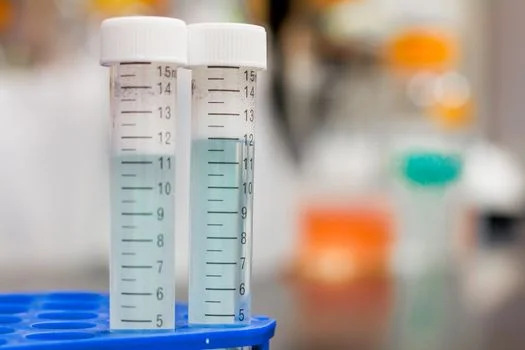
Effective process design for industrial ion exchange arsenic removal systems requires careful consideration of several engineering parameters to ensure consistent compliance and operational efficiency. These parameters dictate system sizing, flow dynamics, and the necessary pretreatment steps to protect the resin and optimize performance.
The resin bed depth is a critical design parameter, typically ranging from 75–150 cm for industrial arsenic removal applications. Deeper beds generally provide increased contact time between the wastewater and the resin, leading to higher arsenic removal efficiency and longer service cycles before regeneration. However, an excessively deep bed can result in a higher pressure drop across the vessel, potentially requiring more powerful pumps. A typical pressure drop for a 100 cm bed operating at recommended flow rates is between 0.5–1.5 bar (HydropureWater field data, 2025).
The optimal flow rate through the ion exchange column is typically maintained between 5–15 bed volumes per hour (BV/h). Higher flow rates reduce the contact time, which can negatively impact arsenic removal efficiency. For instance, achieving 99% arsenic removal may be possible at a flow rate of 5 BV/h, while increasing the flow to 15 BV/h could reduce removal efficiency to approximately 90%, potentially leading to non-compliance. System designers must balance throughput requirements with the target arsenic discharge limit.
Mandatory pretreatment steps are essential for the longevity and performance of the ion exchange resin. These include oxidation for As3+ conversion, pH adjustment, and sulfate removal if concentrations exceed thresholds. The process flow typically follows this sequence: raw water → oxidation (e.g., using a chlorine dioxide generator for oxidation of As3+ to As5+) → pH adjustment (e.g., with automatic chemical dosing for pH control) → sulfate removal (if necessary, potentially via a high-efficiency sedimentation tank for precipitation) → ion exchange → effluent. Neglecting any of these steps can severely impair the system's effectiveness and lead to rapid resin fouling or breakthrough.
Regeneration frequency directly correlates with the influent arsenic concentration and the resin's dynamic capacity. Systems typically operate for 10–30 bed volumes (BV) treated per cycle. For example, a system treating 1 mg/L As5+ might achieve 20 BV per cycle, whereas a higher influent concentration of 5 mg/L As5+ could reduce the cycle length to 10 BV, requiring more frequent regeneration and increasing operational costs.
Proper management of regeneration waste is crucial, as it contains concentrated arsenic (10–50 mg/L) and spent regenerant chemicals. This waste stream is classified as hazardous waste under GB 18597-2001 and requires specialized disposal methods. Common options include chemical precipitation (e.g., with ferric chloride) to immobilize arsenic, followed by dewatering and landfilling, or evaporation ponds in suitable climates. The cost and regulatory compliance associated with waste disposal must be factored into the overall system design and operational budget.
| Parameter | Recommended Range for Arsenic Removal | Impact of Deviation |
|---|---|---|
| Resin Bed Depth | 75–150 cm | Too shallow: reduced contact time, lower efficiency. Too deep: increased pressure drop. |
| Flow Rate | 5–15 BV/h | Too high: lower removal efficiency, premature breakthrough. Too low: underutilization, higher CAPEX per flow. |
| Optimal pH Range | 6.5–8.0 | Outside range: significantly reduced resin capacity and lifespan. |
| Influent TDS | <500 mg/L | Higher TDS: increased competition for resin sites, reduced arsenic capacity. |
| Influent Sulfate | <50 mg/L | Higher sulfate: direct competition with arsenate, substantial reduction in arsenic removal. |
| Regeneration Brine Conc. | 4–10% NaCl or NaOH | Too low: incomplete regeneration. Too high: increased chemical cost, potential for resin damage. |
CAPEX and OPEX Breakdown: Ion Exchange vs. Chemical Precipitation for Arsenic Removal
Evaluating the total cost of ownership is a critical step for industrial buyers comparing arsenic removal technologies. Ion exchange (IX) systems and chemical precipitation systems represent two distinct approaches, each with unique capital expenditure (CAPEX) and operational expenditure (OPEX) profiles. Understanding these breakdowns is essential for a sound financial decision.
Capital expenditure for ion exchange systems typically ranges from ¥800,000 to ¥3,000,000 for capacities between 10–100 m³/h, according to 2026 vendor quotes. This cost encompasses the resin vessels, the anion exchange resin itself, piping, controls, and automation components. In contrast, chemical precipitation systems of similar capacity often have a lower initial CAPEX, generally falling between ¥500,000 and ¥2,000,000. These systems include reaction tanks, mixers, clarifiers, and sludge dewatering equipment.
Operational expenditure is a more complex comparison, driven by chemical consumption, resin replacement, labor, and waste disposal. Ion exchange OPEX typically ranges from ¥25–¥60 per cubic meter of treated water. This includes the cost of regenerant chemicals (NaCl or NaOH), periodic resin replacement (every 3–5 years), and energy for pumps and controls. Chemical precipitation systems, while often having lower chemical costs per cubic meter (¥15–¥40/m³), incur significant expenses related to sludge handling and disposal. The cost for sludge disposal, especially for hazardous arsenic-laden sludge (per GB 18597-2001), can be substantial and highly variable.
| System Capacity (m³/h) | Ion Exchange OPEX (¥/m³) | Chemical Precipitation OPEX (¥/m³) |
|---|---|---|
| 10 | ¥45–¥60 | ¥30–¥40 |
| 50 | ¥30–¥45 | ¥20–¥30 |
| 100 | ¥25–¥40 | ¥15–¥25 |
Return on investment (ROI) considerations reveal that ion exchange typically offers a 2–3 year payback period for industrial streams characterized by low sulfate (<50 mg/L) and relatively low arsenic concentrations (<1 mg/L). In these scenarios, the higher removal efficiency and lower operational complexity (once optimized) can justify the initial investment. However, for streams with high arsenic concentrations (>5 mg/L) or high sulfate loads, chemical precipitation as an alternative for high-arsenic streams often presents a more cost-effective solution due to its robustness against these challenging parameters.
Hidden costs are a critical factor that can skew initial cost assessments. Ion exchange systems require upfront investments in pretreatment for oxidation and pH adjustment, as well as ongoing costs for regeneration waste disposal. Chemical precipitation, while seemingly simpler, generates a larger volume of hazardous sludge that necessitates specialized handling, dewatering, and disposal, which can be a significant and often underestimated operational expense (HydropureWater analysis, 2025).
How to Select an Ion Exchange System for Arsenic Removal: A 5-Step Decision Framework
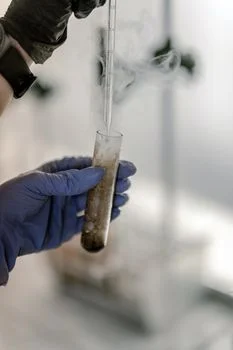
A structured approach to system selection ensures that the chosen ion exchange technology is optimally matched to the specific industrial wastewater characteristics and compliance requirements. This 5-step decision framework guides engineers and procurement teams through the critical evaluation process.
- Step 1: Test Arsenic Speciation and Concentration. Accurate characterization of the raw wastewater is the foundational step. Determine both the total arsenic concentration and the proportion of arsenite (As3+) versus arsenate (As5+). Field test kits, such as the Hach Arsenic Test Kit, can provide quick estimates, but precise laboratory methods like Inductively Coupled Plasma – Mass Spectrometry (ICP-MS) are essential for design-level data.
- Step 2: Measure TDS and Sulfate. Ion exchange for arsenic removal is most viable when the total dissolved solids (TDS) are below 500 mg/L and sulfate concentrations are below 50 mg/L. If these limits are exceeded, the ion exchange resin's capacity will be significantly compromised, making alternative technologies like chemical precipitation or reverse osmosis (RO) more economically and technically feasible.
- Step 3: Determine Flow Rate and Arsenic Load. Calculate the maximum and average wastewater flow rates, as well as the daily arsenic load (mass of arsenic to be removed per day). This data is crucial for sizing the ion exchange vessels and determining the required resin volume. For example, to treat 10 m³/h of wastewater containing 1 mg/L As5+ with a target of 20 BV/cycle, approximately 1 m³ of resin would be needed per vessel.
- Step 4: Evaluate Resin Options. Utilize the comparison table from the "Ion Exchange Resins for Arsenic Removal" section to select the most suitable strong base anion (SBA) resin. Consider factors such as arsenic capacity, optimal pH range, regeneration frequency, and initial resin cost. Monosperese resins often provide better hydraulic performance and kinetics.
- Step 5: Assess Automation Needs. Evaluate the level of automation required for the system. Modern ion exchange systems benefit significantly from PLC-controlled systems, such as HydropureWater’s automatic chemical dosing for precise regeneration sequences, backwash cycles, and continuous effluent monitoring. Automation reduces labor costs, improves consistency, and minimizes the risk of human error.
Troubleshooting Ion Exchange Arsenic Removal Systems: Symptoms, Causes, and Fixes
Operational issues in industrial ion exchange arsenic removal systems can lead to compliance failures and increased costs. A structured troubleshooting approach helps operators quickly diagnose and rectify common problems, ensuring consistent performance and regulatory adherence. The following table outlines key symptoms, their probable causes, and effective solutions.
| Symptom | Probable Causes | Recommended Fixes |
|---|---|---|
| Arsenic leakage (>0.01 mg/L) | Resin exhaustion, sulfate fouling, pH drift, insufficient regeneration, high flow rate. | Regenerate resin immediately, evaluate sulfate pretreatment, adjust influent pH to 6.5–8.0, optimize brine concentration (4–10% NaCl), reduce flow rate. |
| High pressure drop (>1.5 bar) | Resin fouling (e.g., iron, organic matter, suspended solids), resin bed compaction, blocked underdrain. | Perform thorough backwash to reclassify resin and remove particulates. If fouling persists, chemical cleaning or resin replacement may be necessary. Ensure proper bed depth. |
| Low arsenic removal efficiency (<90%) | Presence of arsenite (As3+), high TDS, high sulfate, low contact time, damaged resin. | Implement or optimize an oxidation step (e.g., chlorine, permanganate) to convert As3+ to As5+. Review influent TDS/sulfate levels for IX viability. Reduce flow rate or increase resin volume/bed depth. Consider resin replacement if damaged. |
| Regeneration waste exceeds disposal limits | High influent arsenic load, inefficient regeneration, improper waste segregation. | Optimize brine concentration (4–10% NaCl) and contact time to maximize arsenic removal from resin. Consider a second, smaller regeneration cycle. Implement chemical precipitation for regeneration waste to reduce arsenic concentration prior to disposal or further treatment. |
| Short service cycles between regeneration | High arsenic load, high competing ion concentration (sulfate, chloride), low resin capacity. | Increase resin volume, reduce flow rate, improve pretreatment for competing ions, or consider a more selective resin if available and cost-effective. Verify resin integrity and capacity. |
Frequently Asked Questions
Here are answers to common questions regarding ion exchange for arsenic removal in industrial wastewater.
What is the primary mechanism for arsenic removal by ion exchange? Ion exchange primarily removes arsenate (As5+) by exchanging it with chloride or hydroxide ions on the surface of strong base anion exchange resins, effectively binding the arsenate within the resin matrix.
What are the critical water quality parameters for effective ion exchange arsenic removal? Ion exchange is most effective when Total Dissolved Solids (TDS) are below 500 mg/L and sulfate concentrations are below 50 mg/L, with an optimal pH range of 6.5–8.0.
How often do ion exchange resins for arsenic removal need regeneration? Regeneration frequency depends on the influent arsenic concentration and competing ions, typically ranging from 10 to 30 bed volumes treated per cycle for industrial applications.
What is the typical lifespan of an anion exchange resin used for arsenic removal? Under optimal conditions with proper pretreatment, strong base anion exchange resins for arsenic removal typically have a lifespan of 3–5 years before requiring replacement.
Is ion exchange effective for both arsenite (As3+) and arsenate (As5+)? No, ion exchange resins are primarily effective for removing arsenate (As5+); arsenite (As3+) must be oxidized to As5+ through a pretreatment step, such as chlorination, before it can be effectively removed.