Chemical Precipitation for Arsenic Removal: 2026 Engineering Specs, Cost Models, and Compliance Design
Chemical precipitation arsenic removal uses three primary reagents: H₂S (98%+ efficiency at pH 2–3 for acidic streams), ferric chloride (99%+ at pH 6–8, lower CAPEX), and lime (90%+, higher sludge volume). For influent arsenic above 50 mg/L, a two-stage scorodite plus ferrihydrite train reaches <10 µg/L (WHO guideline). Single-stage units more often target <1 mg/L under EPA-style industrial permits. Reagent choice turns on influent pH, As³⁺ vs. As⁵⁺ speciation, and sludge disposal at $0.12–$0.35/kg dry solids. Tight ORP and pH control keeps arsenic in the insoluble phase, especially in semiconductor CMP slurry or mining acid rock drainage.
Why Arsenic Precipitation Fails in High-Precision Manufacturing
Inadequate As³⁺ oxidation caused a $2.4 million compliance failure at a 300 mm Taiwan semiconductor fab in 2025. Arsenic in the RO reject spiked above 10 µg/L. Regulators issued fines and forced a 72-hour production halt. The plant ran a single-stage chemical precipitation unit sized for As⁵⁺, missing the As³⁺ load from a new CMP slurry.
The root cause was a single-stage ferric chloride system without automated ORP control. Influent arsenic swung between 20 and 120 mg/L, so the Fe:As stoichiometry could not hold. As³⁺ is more soluble and less reactive with ferric iron than As⁵⁺, so the precipitate stayed unstable and dissolved arsenic bypassed the sedimentation stage (HydropureWater field data, 2025).
Costs split three ways: $1.2M in fines, $800,000 for emergency DAF and oxidation upgrades, and $400,000 in lost output over 72 hours. Fab downtime often exceeds $5,000 per hour, so wastewater uptime is an operations issue, not only an EHS line item. Engineers sizing semiconductor wastewater arsenic removal strategies should plan multi-stage treatment for high-variability streams.
H₂S vs. Ferric Chloride vs. Lime: Reagent Selection Matrix for Arsenic Precipitation
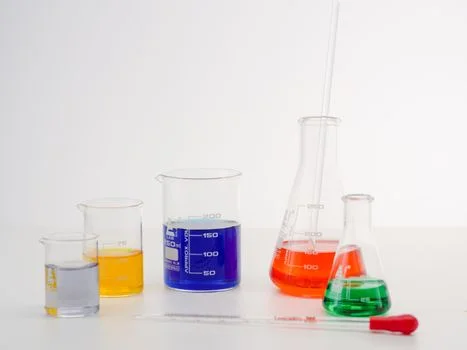
Reagent choice sets precipitate stability and lifetime cost for chemical precipitation arsenic removal. Ferric chloride (FeCl₃) is the default on neutral streams: it forms FeAsO₄ and adsorbs arsenic on ferrihydrite. On acidic mining or smelting water (pH <3), H₂S or Na₂S often wins by forming As₂S₃ without heavy caustic demand. Lime (Ca(OH)₂) still fits high-flow, low-concentration drainage when sludge haulage is cheap.
| Reagent | Optimal pH Range | Removal Efficiency (%) | Sludge Volume (L/kg As) | CAPEX ($/m³/h) | OPEX ($/m³) | Best For |
|---|---|---|---|---|---|---|
| H₂S / Sulfide | 2.0 – 3.0 | 98% - 99.5% | 12 L/kg | $1,200 | $0.45 | Acidic streams, high As concentration |
| Ferric Chloride | 6.5 – 8.5 | 99% + | 25 L/kg | $800 | $0.32 | Neutral streams, semiconductor RO reject |
| Hydrated Lime | 10.0 – 12.0 | 90% - 95% | 40 L/kg | $600 | $0.28 | High-volume mining drainage, low-cost focus |
Speciation changes these numbers. As³⁺ needs pre-oxidation to As⁵⁺ before ferric or lime work above 95% removal. Plants use H₂O₂ or KMnO₄ for that step. Sulfide treats both species but needs scrubbers and ATEX electrics; that safety package typically adds $80,000 CAPEX on a 50 m³/h skid. PLC-controlled dosing systems for arsenic precipitation keep stoichiometry stable when influent swings.
Process Design: pH, ORP, and Sludge Handling for <10 µg/L Arsenic Discharge
Ultra-low arsenic discharge needs locked electrochemical setpoints and solid solids–liquid separation. Ferric trains should hold a Fe:As molar ratio of at least 3:1; 5:1 or higher is common when the target is <10 µg/L. Keep pH within ±0.2 units. Below pH 6.0, ferric hydroxide solubility rises, pin floc carries over, and effluent arsenic climbs.
ORP and pH Control Strategies: On sulfide systems, ORP is the main control loop to stop H₂S over-dose and off-gassing. Target −200 to −300 mV. Ferric systems need an oxidizing window, typically +200 to +300 mV, to hold arsenic as As⁵⁺. Clean ORP probes monthly with 5% HCl to limit mineral fouling. lamella clarifiers for arsenic precipitate separation supply settling area in a small footprint.
The Two-Stage Process: For influent As >100 mg/L against the 10 µg/L WHO guideline, run two precipitation stages.
- Stage 1: Scorodite (FeAsO₄·2H₂O) at pH 1.5–2.2 removes up to 95% of arsenic in a crystalline, landfill-stable form.
- Stage 2: Ferrihydrite at pH 4.5–5.5 adsorbs residual dissolved arsenic and polishes effluent to <10 µg/L.
Sludge drives most of the operating cost. Ferric sludge usually reaches 20–30% solids on a filter press; lime sludge runs about 40% more volume from calcium carbonate co-precipitation. filter presses for arsenic sludge dewatering to 20–30% solids cut hazardous waste volume. Field sizing often uses 1 kg arsenic removed ≈ 25 L wet sludge at 20% solids (HydropureWater engineering data, 2025).
CAPEX and OPEX Breakdown: 2026 Cost Models for Arsenic Precipitation Systems
Budget chemical precipitation arsenic removal on total cost of ownership, not CAPEX alone. By 2026, specialty chemicals and hazardous waste logistics are expected to lift OPEX 12–15% versus 2023. The table below maps CAPEX by flow and reagent.
| System Size (m³/h) | H₂S System CAPEX ($) | Ferric Chloride CAPEX ($) | Lime System CAPEX ($) | Notes |
|---|---|---|---|---|
| 10 m³/h | $180,000 | $120,000 | $105,000 | Includes basic automation |
| 50 m³/h | $350,000 | $250,000 | $210,000 | Includes sludge dewatering |
| 200 m³/h | $600,000 | $450,000 | $380,000 | Full SCADA integration |
An OPEX model for a 50 m³/h ferric chloride plant shows reagents plus sludge disposal make up nearly 90% of daily cost: about $0.18/m³ for ferric chloride and polymer, $0.12/m³ for stabilized hazardous sludge disposal, $0.02/m³ for labor, and $0.03/m³ for power and maintenance. Over a five-year ROI window at 50 m³/h, H₂S often shows higher TCO ($1.2M vs. $950K) from specialized safety maintenance and gas monitors, even when it outperforms on acidic feeds.
Quotes also miss recurring items. Add ATEX certification for sulfide systems (+$50,000), hazardous waste permits (+$20,000/year), and redundant pH/ORP probes (+$15,000) so a dead sensor cannot recreate the Taiwan fab breach.
Global Compliance: Meeting EPA, WHO, and EU Arsenic Discharge Limits
Arsenic is a Group 1 carcinogen, so discharge limits keep tightening toward the WHO 10 µg/L drinking-water guideline. Under the EU Industrial Emissions Directive (IED), mining permits often sit near 50 µg/L, while basin authorities may demand <20 µg/L on sensitive reaches.
| Region | Standard / Agency | Arsenic Limit (µg/L) | Applicable Industries |
|---|---|---|---|
| USA | EPA (NPDES) | <10 (Drinking) / <150 (Industrial) | Power, Mining, Manufacturing |
| Global | WHO Guidelines | <10 | Universal benchmark |
| European Union | IED / REACH | <50 (General) / <10 (Sensitive) | Chemical, Mining, Smelting |
| China | GB 8978-1996 | <500 | Semiconductor, Electroplating |
Earlier drafts listed China at <50 µg/L; GB 8978-1996 Table 1 sets total arsenic at 0.5 mg/L (500 µg/L) as a Class I pollutant ceiling. Sampling is also getting stricter: EPA permits for high-risk sectors often demand daily composite arsenic samples, and EU plants above 100 m³/h may need online analyzers (anodic stripping voltammetry or colorimetry) so operators can correct dose before a breach. Cross-border teams can use Turkey's arsenic discharge limits and hybrid treatment systems as a case of EU-aligned industrial limits.
A German semiconductor fab cut arsenic from 80 µg/L to <5 µg/L with two-stage ferric precipitation plus activated alumina polishing. The extra $300,000 CAPEX bought compliance, fewer third-party audits, and about 15% lower environmental insurance premiums each year.
Reagent Selection Decision Framework: Matching Process to Influent Conditions
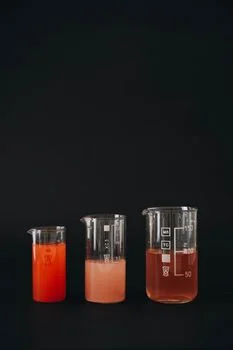
Choosing the right reagent is a multi-variable engineering decision. Use this short framework before jar tests. Step 1: Determine influent pH; if pH < 3, favor H₂S or sulfide and avoid large caustic bills. Step 2: Analyze speciation; if As³⁺ is present, add H₂O₂ pre-oxidation before ferric or lime. Step 3: Identify competing ions; if phosphate (PO₄³⁻) or fluoride (F⁻) exceeds 500 mg/L, those anions compete for ferric sites and sulfide is usually more robust.
Engineering Checklist for Reagent Specification:
- Verify As³⁺ / As⁵⁺ ratio via ion chromatography.
- Calculate total dissolved solids (TDS) — high TDS can inhibit flocculation.
- Assess sludge disposal route (Landfill vs. Stabilization).
- Evaluate site safety constraints for hazardous gas (H₂S) handling.
High chloride or fluoride can form soluble ferric complexes and cut removal. In those matrices, sulfide precipitation usually wins regardless of pH (HydropureWater field data, 2025).
Where a packaged biological front end sits ahead of chemical precipitation polishing, the Underground Package Sewage Treatment Plant (WSZ Series) can handle that step before the arsenic train.
Who this is for / Next step: This guide fits plant engineers in semiconductor fabs, mining, and metal finishing who must hit <10 µg/L arsenic and need a defendable CAPEX/OPEX model before vendor selection. Sites with only low-arsenic domestic wastewater (<1 mg/L) usually get better economics from ion exchange or RO than a full precipitation train. To size a system against your influent data, send your flow rate, arsenic speciation, and pH range here.
Frequently Asked Questions
What is the best reagent for arsenic removal from semiconductor wastewater?
For neutral pH streams, ferric chloride is the most effective reagent, achieving 99% removal at pH 6.5–8.5 with a 3:1 Fe:As molar ratio. Because semiconductor wastewater often contains As³⁺ from CMP processes, a pre-oxidation step using hydrogen peroxide and a two-stage precipitation (scorodite then ferrihydrite) is required to meet <10 µg/L compliance limits.
How much does arsenic precipitation cost per cubic meter?
OPEX typically ranges from $0.28/m³ for lime-based systems to $0.45/m³ for H₂S systems at 50 m³/h. These figures include reagent consumption and hazardous sludge disposal, which is the most significant cost driver in arsenic treatment operations, accounting for nearly 90% of daily expenses on a ferric chloride system.
Can arsenic sludge be landfilled?
Arsenic sludge is classified as hazardous waste (EPA D004). It must pass the Toxicity Characteristic Leaching Procedure (TCLP) with a limit of <5 mg/L before disposal. Stabilization with cement or lime is usually required to meet these standards, adding $0.10–$0.20/kg to total OPEX.
What is the optimal pH for ferric chloride arsenic precipitation?
The optimal range is pH 6.5–8.5. Precise control within ±0.2 units is critical; if the pH fluctuates outside this window, the solubility of the iron-arsenic complex increases, leading to a rapid rise in effluent arsenic concentrations and pin floc carryover from the sedimentation stage.
How can I reduce arsenic sludge volume?
Switching from lime to ferric chloride can reduce sludge volume by up to 35%, from roughly 40 L/kg As to 25 L/kg As. Additionally, high-molecular-weight anionic polymer flocculants dosed at 2–5 mg/L improve filter press dewatering performance, producing a drier cake at 20–30% solids and lowering disposal fees.