NEMA wastewater compliance in Kenya demands engineering specs built for BOD ≤11 mg/L, COD ≤50 mg/L, and TSS ≤30 mg/L. Food, textile, and oil & gas plants typically need screening, DAF, biological, and RO stages with ≥90% removal to pass 2026 discharge audits.
Why Kenyan Factories Are Failing NEMA's 2026 Wastewater Standards
Kenyan industrial facilities are facing increasing pressure to meet stringent National Environment Management Authority (NEMA) wastewater discharge standards, with enforcement of the 2026 benchmarks set to intensify. Many manufacturers, particularly in the food processing, textile, and oil & gas sectors, are struggling with high-BOD (Biochemical Oxygen Demand) and COD (Chemical Oxygen Demand) effluents, leading to significant fines and potential operational shutdowns. NEMA's 2026 standards mandate BOD levels of ≤11 mg/L, COD ≤50 mg/L, and TSS (Total Suspended Solids) ≤30 mg/L. A recent NEMA directive in 2024 highlighted that full compliance will be non-negotiable for all industrial facilities by Q4 2026. In 2023 alone, NEMA's annual report indicated that 58% of inspected plants exceeded the BOD limit, 42% surpassed the COD limit, and 35% failed to meet TSS requirements. This non-compliance carries substantial financial penalties; for instance, a Nairobi textile mill was fined KES 12 million in 2024 for exceeding discharge limits, with repeat offenders risking plant shutdowns. Industries like food processing, which can generate BOD levels between 2,000–5,000 mg/L, dairy plants with COD up to 8,000 mg/L, and slaughterhouses producing TSS of 1,500–3,000 mg/L, are particularly vulnerable. The cost of inaction extends beyond fines, encompassing legal fees, lost production time, and severe reputational damage, making robust wastewater treatment a critical investment for operational sustainability.
NEMA Wastewater Compliance Kenya Engineering Specs: 2026 Discharge Benchmarks
Achieving NEMA compliance requires a deep understanding of both the regulatory limits and the specific characteristics of industrial effluent. The NEMA's Environmental Management and Co-ordination (Water Quality) Regulations, 2024, clearly define the discharge standards: BOD must be ≤11 mg/L, COD ≤50 mg/L, and TSS ≤30 mg/L. Additionally, effluent pH must be maintained between 6.5–8.5, and oil & grease levels should not exceed 10 mg/L. Different industries present unique challenges. Food processing facilities commonly discharge wastewater with BOD ranging from 2,000–5,000 mg/L. Textile manufacturing often deals with high COD (1,500–4,000 mg/L) and the presence of dyes, while oil & gas operations can have significant Total Organic Carbon (TOC) between 500–2,000 mg/L and hydrocarbon contamination. To meet NEMA's stringent targets, treatment systems must achieve high removal efficiencies: generally, ≥92% for COD, ≥95% for BOD, and ≥90% for TSS, based on EPA 2024 benchmarks. Effective pretreatment is crucial for optimizing downstream processes. This typically includes initial screening using equipment like the GX Series Rotary Mechanical Bar Screen to remove coarse solids, followed by equalization tanks to buffer flow and concentration variations. pH adjustment is also vital, often managed by an Automatic Chemical Dosing System to ensure optimal conditions for subsequent treatment stages. Key operational parameters to monitor and control include hydraulic retention time (HRT), sludge retention time (SRT), and precise chemical dosing rates, such as the 50–150 mg/L of coagulant typically required for Dissolved Air Flotation (DAF) systems.
| Parameter | NEMA 2026 Limit (mg/L) | Typical Influent (Food Processing) | Typical Influent (Textiles) | Typical Influent (Oil & Gas) | Required Removal Efficiency |
|---|---|---|---|---|---|
| BOD | ≤ 11 | 2,000 – 5,000 | 500 – 1,500 | 100 – 500 | ≥ 95% |
| COD | ≤ 50 | 4,000 – 8,000 | 1,500 – 4,000 | 500 – 2,000 | ≥ 92% |
| TSS | ≤ 30 | 1,000 – 3,000 | 200 – 800 | 50 – 200 | ≥ 90% |
| pH | 6.5 – 8.5 | 5.0 – 9.0 | 6.0 – 10.0 | 5.5 – 9.5 | N/A (Adjustment Required) |
| Oil & Grease | ≤ 10 | 50 – 200 | 10 – 50 | 100 – 500 | ≥ 90% |
Biological vs. Physico-Chemical vs. Hybrid Systems: Which One Fits Your Effluent?
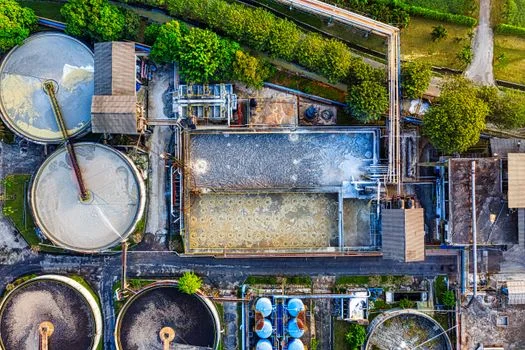
Selecting the appropriate wastewater treatment technology is paramount for achieving NEMA compliance efficiently and cost-effectively. Each system type—biological, physico-chemical, and hybrid—offers distinct advantages depending on the effluent characteristics and desired outcomes. Biological systems, such as Membrane Bioreactors (MBR), Sequencing Batch Reactors (SBR), and Moving Bed Biofilm Reactors (MBBR), are highly effective for treating high-BOD effluents with concentrations ranging from 1,000–5,000 mg/L. However, they typically require a larger footprint (20–30% more than hybrid systems) and can generate 30–50% more sludge. Physico-chemical systems, including DAF systems for high-TSS effluent pretreatment, clarifiers, and tube settlers, excel in removing high concentrations of TSS (1,000–3,000 mg/L) and are particularly adept at oil & grease separation, achieving over 95% efficiency. The primary drawback is the ongoing chemical cost, which can add KES 5–10 per cubic meter of treated water, based on 2024 industry averages. For complex industrial wastewater streams, especially in sectors like textiles and pharmaceuticals, hybrid systems that integrate multiple technologies often provide the most comprehensive solution. A combination of DAF for initial solids and oil removal, followed by an MBR system for high-BOD effluent treatment, and concluding with Reverse Osmosis (RO) for high-purity water recovery, can achieve zero-discharge compliance and over 95% water reuse. While these hybrid configurations offer superior performance, they typically involve a higher Capital Expenditure (CAPEX), ranging from KES 40M–60M for a 100 m³/h capacity system. For very high-BOD effluents, anaerobic pretreatment using systems like Upflow Anaerobic Sludge Blanket (UASB) reactors can significantly reduce sludge production by 30–50% and even generate biogas, a valuable byproduct. For example, a Kenyan dairy plant successfully reduced COD from 4,500 mg/L to 45 mg/L using a UASB + MBR configuration, achieving NEMA standards at a 20% lower Operational Expenditure (OPEX) compared to purely aerobic systems.
| System Type | Primary Application | Typical BOD Influent (mg/L) | Typical TSS Influent (mg/L) | Key Advantages | Key Disadvantages | Approx. CAPEX (100 m³/h) | Approx. OPEX (KES/m³) |
|---|---|---|---|---|---|---|---|
| Biological (MBR, SBR, MBBR) | High BOD | 1,000 – 5,000 | 100 – 500 | High organic pollutant removal, mature technology | Larger footprint, higher sludge production, sensitive to shock loads | KES 15M – 25M | KES 8 – 12 |
| Physico-Chemical (DAF, Clarifiers) | High TSS, Oil & Grease | 100 – 1,000 | 1,000 – 3,000 | Rapid removal of solids and oils, effective for varied influent | Chemical costs, sludge disposal challenges, less effective on dissolved organics | KES 25M – 40M | KES 12 – 18 |
| Hybrid (DAF + MBR + RO) | Complex effluents, Zero Discharge | 2,000 – 10,000+ | 500 – 5,000+ | High removal efficiency, water reuse, zero discharge capability | Highest CAPEX, complex operation, requires skilled personnel | KES 40M – 60M | KES 15 – 25 |
Industrial ETP Cost Kenya CAPEX OPEX Breakdown: ROI and Financing
Understanding the financial implications of industrial wastewater treatment is critical for procurement managers and plant operators in Kenya. Capital Expenditure (CAPEX) for a 100 m³/h capacity system can vary significantly: biological systems typically range from KES 15 million to KES 25 million, physico-chemical systems from KES 25 million to KES 40 million, and advanced hybrid systems (integrating DAF, MBR, and RO) can cost between KES 40 million to KES 60 million, based on 2026 industry averages. Operational Expenditure (OPEX), which includes energy, chemicals, labor, and maintenance, also differs: biological systems generally incur KES 8–12 per cubic meter treated, physico-chemical systems KES 12–18/m³, and hybrid systems KES 15–25/m³, according to 2024 cost surveys. The return on investment (ROI) for these systems is driven by several factors, primarily water recycling, which can yield 40–60% cost savings on freshwater procurement. Significant savings are also realized through sludge reduction, lowering disposal costs by 30–50%, and by avoiding NEMA fines, which can range from KES 5 million to KES 20 million for non-compliance. For systems enabling over 50% water reuse, payback periods typically fall within 2–4 years, while zero-discharge systems, due to their higher CAPEX, may have payback periods of 5–7 years, as indicated by 2024 case studies. Various financing options are available to ease the initial investment burden. Leasing agreements for a 100 m³/h system can range from KES 500,000 to KES 1 million per month. Government grants, such as those offered by the Kenya Climate Innovation Center, can provide partial funding. Additionally, many manufacturers offer vendor financing with 0% interest for 12–24 months, making advanced wastewater treatment more accessible. Buyers benchmarking against other markets can also compare the Industrial Waste Water Management in Auckland: 2026 Specs guide, which applies the same spec-first method outside Kenya.
| Cost Component | Biological Systems (100 m³/h) | Physico-Chemical Systems (100 m³/h) | Hybrid Systems (DAF+MBR+RO) (100 m³/h) |
|---|---|---|---|
| CAPEX (KES) | 15,000,000 – 25,000,000 | 25,000,000 – 40,000,000 | 40,000,000 – 60,000,000 |
| OPEX (KES/m³) | 8 – 12 | 12 – 18 | 15 – 25 |
| Key ROI Drivers | Compliance, Reduced sludge volume | Compliance, Oil & grease recovery | High water reuse (40-60% savings), Compliance, Zero discharge |
| Typical Payback Period (Years) | 3 – 5 | 3 – 6 | 5 – 7 |
Step-by-Step: Designing a NEMA-Compliant Wastewater Treatment System for Your Plant
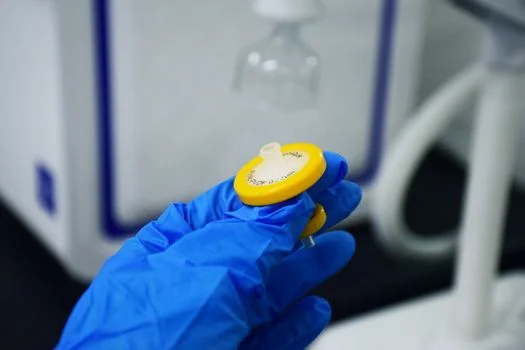
Designing an effective and NEMA-compliant industrial wastewater treatment system requires a systematic approach, from initial assessment to final equipment selection. The process begins with a thorough site assessment (Step 1), where engineers must accurately measure effluent flow rates (m³/h) and determine key pollutant concentrations such as COD, BOD, TSS, and pH. This data can be obtained through portable test kits or detailed laboratory analysis. Following this, pretreatment (Step 2) is essential. This involves selecting appropriate screening equipment, such as the GX Series Rotary Mechanical Bar Screen, to remove gross solids, and designing equalization tanks to stabilize flow and pollutant loads. Primary treatment (Step 3) involves selecting the most suitable technology for initial pollutant removal; DAF systems are ideal for high TSS and oil & grease loads, while clarifiers might be preferred for effluents with high salinity. Secondary treatment (Step 4) focuses on removing dissolved organic pollutants. For high-BOD effluents, biological processes like MBR or SBR are effective; plants with limited land can instead bury an Underground Package Sewage Treatment Plant (WSZ Series) to compress the biological stage on tight sites. Alternatively, physico-chemical methods involving chemical dosing and sedimentation can be used for inorganic pollutants. Tertiary treatment (Step 5) is crucial for achieving stringent discharge limits or enabling water reuse. This stage may involve RO for desalination or advanced purification, or disinfection technologies like a Chlorine Dioxide Generator for microbial inactivation. Finally, sludge management (Step 6) is a critical, often overlooked, component. Technologies like the Plate and Frame Filter Press are used for efficient dewatering, achieving over 90% solids capture, which significantly reduces disposal volumes and costs. When designing, consider a checklist including NEMA permit requirements, available land area, energy costs, and the need for operator training to ensure long-term operational success.
Who This Is For / Next Step
This guide fits Kenyan food processing, textile, dairy, and oil & gas plants chasing NEMA 2026 limits of BOD ≤11 mg/L and COD ≤50 mg/L. Facilities already inside the limits may only need monitoring upgrades. To match a train to your measured influent, send flow, BOD, COD, TSS, and oil & grease data through our request-quote form for a NEMA compliance sizing review.
Frequently Asked Questions
What are NEMA's 2026 discharge limits for industrial wastewater?
NEMA's 2026 standards require industrial facilities to meet BOD ≤11 mg/L, COD ≤50 mg/L, TSS ≤30 mg/L, pH between 6.5–8.5, and oil & grease ≤10 mg/L, as set out in the Water Quality Regulations. Limits differ by receiving environment, so confirm whether your outlet is a sewer, watercourse, or land application. Most food and textile effluents need ≥92% COD removal to land inside these numbers at end of pipe.
How much does an industrial ETP system cost in Kenya?
CAPEX for industrial Effluent Treatment Plants (ETPs) in Kenya ranges from KES 15 million for basic biological systems to KES 60 million for advanced hybrid DAF-MBR-RO systems at 100 m³/h capacity. OPEX typically falls between KES 8–25/m³ treated, based on 2026 industry averages. Leasing from KES 500,000 to KES 1 million per month, plus vendor financing at 0% interest for 12–24 months, spreads the initial hit for most manufacturers.
Which industries need anaerobic pretreatment?
High-BOD industries such as dairy, breweries, and slaughterhouses benefit most from anaerobic pretreatment using UASB systems. This technology cuts sludge production by 30–50% and can generate biogas as a byproduct. A Kenyan dairy plant reduced COD from 4,500 mg/L to 45 mg/L with a UASB + MBR configuration, hitting NEMA standards at 20% lower OPEX than a purely aerobic train.
Can treated wastewater be reused in Kenya?
Yes, treated wastewater can be reused in Kenya for irrigation, cooling towers, and process water. NEMA permits reuse provided the effluent meets WHO guidelines for microbial safety, such as E. coli levels below 1 CFU/100 mL. Water recycling can yield 40–60% savings on freshwater procurement, which is why hybrid DAF-MBR-RO trains with over 50% reuse pay back in roughly 2–4 years.
What are the penalties for non-compliance with NEMA wastewater standards?
Penalties for non-compliance are severe: fines of up to KES 20 million, mandatory plant shutdowns, and legal action for persistent offenders, as stipulated by NEMA 2024 regulations. A Nairobi textile mill was fined KES 12 million in 2024 alone for exceeding discharge limits. Add legal fees, lost production time, and reputational damage, and prevention through compliant treatment is far cheaper than the penalty path.