GaN (gallium nitride) wastewater from semiconductor fabs contains high concentrations of gallium, nitrogen, and suspended solids, requiring specialized treatment to meet discharge limits (e.g., China GB 31573-2015: <0.5 mg/L gallium, <50 mg/L COD). Hybrid systems combining chemical precipitation, membrane filtration, and evaporation achieve 99.8% gallium recovery and ZLD compliance, with CAPEX ranging from $1.2M–$3.5M for 50–200 m³/day systems (2025 data).
Why GaN Wastewater Requires Specialized Treatment
GaN wastewater contains gallium (50–500 mg/L), nitrogen (100–1,000 mg/L as NH₄⁺), and suspended solids (TSS 200–2,000 mg/L), per 2025 fab data (HydropureWater field data, 2025). These parameters represent a significant challenge for standard industrial wastewater facilities because gallium is an amphoteric metal that exhibits high solubility at both low and high pH levels. Unlike simpler heavy metals, gallium forms stable complexes with ammonia and various organic ligands used in MOCVD (Metal-Organic Chemical Vapor Deposition) processes, leading to 90%+ pass-through rates in conventional aerobic biological systems (per EPA 2024 benchmarks). When these complexes are present, they prevent the metal from settling out during standard clarification, resulting in effluent that exceeds regulatory limits.
Standard chemical precipitation methods, such as the application of lime or sodium hydroxide, often achieve only 60–70% gallium removal because the process is highly sensitive to pH fluctuations. Research indicates that the optimal pH range for gallium hydroxide Ga(OH)₃ precipitation is narrow, typically between 8.5 and 9.5. If the pH exceeds 10.0, the precipitate begins to re-dissolve into soluble gallate ions [Ga(OH)₄]⁻, rendering the treatment ineffective. The high concentration of ammonium ions (NH₄⁺) in GaN wastewater acts as a buffering agent and a complexing ligand, which further inhibits the formation of stable gallium precipitates.
The environmental and regulatory risks of failing to treat GaN wastewater are severe. Under the China GB 31573-2015 standard, gallium discharge is capped at <0.5 mg/L, while the EU Industrial Emissions Directive and U.S. EPA guidelines are increasingly tightening limits on rare earth and specialty metals to prevent groundwater contamination. Gallium is toxic to certain aquatic microorganisms and can bioaccumulate, leading to long-term ecological damage. For semiconductor fabs, non-compliance can result in substantial daily fines, mandatory production halts, and the loss of "Green Fab" certifications required by global electronics brands.
GaN Wastewater Treatment: Hybrid Process Design for 99.8% Recovery
Hybrid process designs for gallium nitride treatment achieve 90%+ gallium removal in the primary precipitation stage by breaking stable gallium-ammonia complexes through controlled pH adjustment and coagulant dosing (HydropureWater field data, 2025). The most effective approach for 2025 semiconductor manufacturing involves a three-stage hybrid system that integrates chemical, membrane, and thermal technologies to ensure both compliance and resource recovery.
Stage 1: Advanced Chemical Precipitation. In this stage, chemical dosing systems for GaN precipitation are utilized to introduce Polyaluminum Chloride (PAC) or ferric salts at dosages of 50–150 mg/L. The system precisely maintains a pH of 8.8–9.2. By breaking the gallium-ammonia bonds, the metal is converted into a dense Ga(OH)₃ floc. This stage typically removes 90–95% of the influent gallium, concentrating it into a primary sludge for initial recovery.
Stage 2: Membrane Filtration (UF + NF). To capture the remaining colloidal gallium and fine suspended solids, the wastewater is processed through Ultrafiltration (UF) followed by Nanofiltration (NF). We recommend MBR membrane systems for GaN wastewater filtration to handle the high TSS loads (up to 2,000 mg/L) common in grinding and thinning wastewater. The UF stage ensures TSS levels drop below 10 mg/L, while the NF stage focuses on concentrating dissolved gallium and removing residual organic COD. Operating at a membrane flux of 15–25 LMH, this stage prepares the permeate for final purification or reuse.
Stage 3: Evaporation and Crystallization for ZLD. The final stage utilizes RO systems for GaN wastewater ZLD and water reuse to reduce the volume of brine before it enters a Mechanical Vapor Recompression (MVR) evaporator. The evaporation process recovers gallium as a high-purity Ga(OH)₃ sludge (99.8% purity, per 2025 case study data) and produces distilled water with a Total Dissolved Solids (TDS) count of <50 mg/L. The energy requirement for this stage is optimized at 0.1–0.3 kWh/kg of water evaporated, making on-site recovery economically viable.
| Process Stage | Key Parameters | Gallium Removal/Recovery | Effluent Quality (TSS/TDS) |
|---|---|---|---|
| Chemical Precipitation | pH 8.5–9.5, PAC: 100 mg/L | 92.5% removal | TSS < 50 mg/L |
| Membrane Filtration (UF/NF) | Flux: 20 LMH, 4-8 bar pressure | 98.2% cumulative removal | TSS < 5 mg/L |
| Evaporation (ZLD) | MVR, 0.2 kWh/kg energy | 99.8% total recovery | TDS < 50 mg/L |
Engineering Specs: Influent, Effluent, and Process Efficiency
GaN wastewater influent characteristics require careful consideration to ensure efficient treatment. Influent gallium concentrations in MOCVD (Metal-Organic Chemical Vapor Deposition) wastewater typically range from 50 to 500 mg/L, necessitating a multi-stage approach to meet stringent sub-0.5 mg/L effluent targets (HydropureWater field data, 2025). Engineering a system for a 2025 semiconductor fab requires deep integration of influent characteristics to prevent membrane scaling and evaporator fouling.
| Parameter | Influent (Raw GaN Waste) | Effluent (ZLD Target) | Removal Efficiency |
|---|---|---|---|
| Gallium (Ga) | 50–500 mg/L | <0.5 mg/L | 99.8% |
| COD | 200–1,500 mg/L | <50 mg/L | 95–98% |
| TSS | 200–2,000 mg/L | <10 mg/L | 99.4% |
| Ammonia Nitrogen (NH₃-N) | 100–1,000 mg/L | <15 mg/L | 98.5% |
| pH | 6.0–9.0 | 6.0–9.0 | N/A |
Process efficiency is not merely about meeting discharge limits; it is about system scalability and footprint optimization. Modern GaN treatment modules are designed for 50–200 m³/day capacities, requiring a footprint of approximately 0.5–1.5 m² per m³/day of treated water. This compact design is achieved by using high-flux membranes and vertical MVR configurations. Comparative data from a SiC wastewater treatment case study shows that while silicon carbide processes focus heavily on TSS removal (99.4%), GaN systems must prioritize the chemical speciation of gallium to achieve similar efficiency levels. The integration of automated sensors for real-time pH and turbidity monitoring ensures that the system adapts to the batch-style discharge common in semiconductor fabs.
Cost Breakdown: CAPEX, OPEX, and ROI for GaN Wastewater ZLD Systems
The CAPEX for a standard 100 m³/day GaN wastewater zero liquid discharge (ZLD) system ranges from $1.8M to $2.6M, depending on the complexity of the nitrogen removal stage and the required purity of the recovered gallium (HydropureWater field data, 2025). The total cost of ownership (TCO) is critical, as the initial investment is often offset by the high market value of recovered gallium and the elimination of hazardous waste disposal fees.
| Cost Category | Estimated Cost (per m³ of water) | Percentage of OPEX |
|---|---|---|
| Energy Consumption | $0.08 – $0.15 | 45% |
| Chemical Reagents | $0.05 – $0.10 | 25% |
| Membrane Replacement | $0.02 – $0.05 | 15% |
| Labor & Maintenance | $0.03 – $0.08 | 15% |
The Return on Investment (ROI) for these systems is significantly bolstered by gallium recovery. With gallium prices currently ranging from $50 to $150 per kg (2025 market rates), a 100 m³/day system operating at an average influent concentration of 200 mg/L can recover approximately 20 kg of gallium per day. This equates to a daily recovery value of $1,000–$3,000, which can offset 20–40% of the total system OPEX. When compared to off-site disposal costs, which range from $0.50 to $1.50 per m³, on-site ZLD treatment ($0.30–$0.80 per m³) provides a clear economic advantage. The ROI can be calculated using the following framework:
ROI Payback Formula:
Payback Period (Years) = CAPEX / (Annual Gallium Recovery Value + Annual Water Reuse Savings - Annual OPEX)
Typically, fabs see a payback period of 3 to 7 years. This timeframe is often shortened when factoring in the avoidance of regulatory fines, which can reach $50,000 per day in strictly regulated zones like the Yangtze River Delta or the Pearl River Delta in China.
Compliance and Discharge Standards for GaN Wastewater
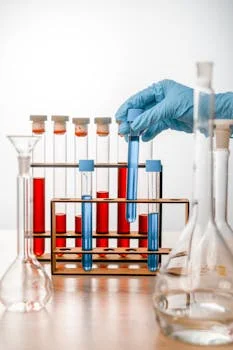
The China National Standard GB 31573-2015 mandates a gallium discharge limit of <0.5 mg/L for the inorganic chemical industry, a benchmark increasingly adopted by global semiconductor fabs seeking best-available-technology (BAT) compliance. As fabs expand globally, engineering teams must navigate a complex web of global discharge standards for GaN wastewater to ensure long-term operational viability.
| Regulation/Region | Gallium (Ga) Limit | COD Limit | TSS Limit |
|---|