In Ipoh, hospital wastewater treatment must meet Malaysia’s Environmental Quality (Sewage) Regulations 2009, requiring effluent BOD ≤ 20 mg/L, COD ≤ 80 mg/L, and TSS ≤ 50 mg/L. Local influent typically ranges from 380–540 mg/L BOD and 500–1,200 mg/L COD (per 2024 DOE sampling data). Membrane bioreactors (MBRs) achieve 95% BOD removal but cost RM1.2–1.8 million for a 50 m³/day system, while chlorine dioxide disinfection systems (RM300–500K) offer 99% pathogen kill with lower OPEX. This guide provides Ipoh-specific engineering specs, technology comparisons, and a cost calculator to ensure compliance and cost efficiency.
Why Ipoh Hospitals Are Failing Wastewater Compliance in 2025
DOE 2024 inspection data indicates that 68% of Ipoh hospitals failed to meet BOD and COD discharge limits, while 42% failed fecal coliform tests according to recent DOE Perak branch reports. These failures are not merely administrative lapses; they represent a significant risk to the Kinta River basin and the public health of the Perak region. Under the Environmental Quality Act 1974, specifically Section 34A, repeat violations can result in fines up to RM500,000 or imprisonment for up to five years. For facility managers, the financial risk of non-compliance often exceeds the CAPEX of a system upgrade.
A notable 2023 case involved a RM250,000 fine levied against a private medical center in Ipoh for exceeding Total Suspended Solids (TSS) limits. The root cause analysis revealed an outdated conventional activated sludge system that lacked tertiary treatment, rendering it unable to handle the surge in patient loads and pharmaceutical residues. This scenario is common across Ipoh, where aging infrastructure in public hospitals and the rapid expansion of private clinics have pushed existing treatment plants beyond their design capacity.
Ipoh presents unique environmental challenges that complicate standard treatment protocols. The city’s high concentration of private specialist clinics contributes a disproportionately high load of pharmaceutically active compounds (PhACs) into the sewage stream. Ipoh’s climate, characterized by intense monsoon seasons, causes significant flow variations. Infiltration of rainwater into aging sewer lines during heavy downpours can dilute influent organic matter while simultaneously overwhelming the hydraulic capacity of clarifiers, leading to biomass washout and immediate compliance failure.
Ipoh Hospital Wastewater: Influent Specs vs. Malaysian Discharge Limits
Engineering a compliant wastewater system requires a precise understanding of the gap between raw influent and the stringent Standards A or B requirements set by the Department of Environment (DOE). In Ipoh, the influent profile is typically more concentrated than domestic sewage due to the high density of medical services and lower per-capita water usage within clinical settings.
| Parameter | Typical Influent Range (Ipoh) | DOE 2025 Discharge Limit (Standard A) | Required Removal Efficiency |
|---|---|---|---|
| BOD₅ (mg/L) | 380 – 540 | ≤ 20 | 94.7% – 96.3% |
| COD (mg/L) | 500 – 1,200 | ≤ 80 | 84.0% – 93.3% |
| TSS (mg/L) | 250 – 450 | ≤ 50 | 80.0% – 88.9% |
| Fecal Coliform (MPN/100ml) | 10⁵ – 10⁷ | < 1,000 | > 99.99% |
| Oil & Grease (mg/L) | 20 – 50 | ≤ 5.0 | 75.0% – 90.0% |
| pH | 5.5 – 8.5 | 6.0 – 9.0 | Neutralization Required |
Data from local sampling projects (2024 DOE draft standards) confirms that fecal coliform removal remains the most difficult metric to hit consistently. Most conventional biological systems without advanced disinfection fail to reach the <1,000 MPN/100 ml limit. the presence of antibiotic-resistant bacteria in hospital effluent necessitates a multi-stage approach where biological degradation is followed by high-intensity disinfection.
Treatment Technologies Compared: MBR vs. DAF vs. Chlorine Dioxide for Ipoh Hospitals
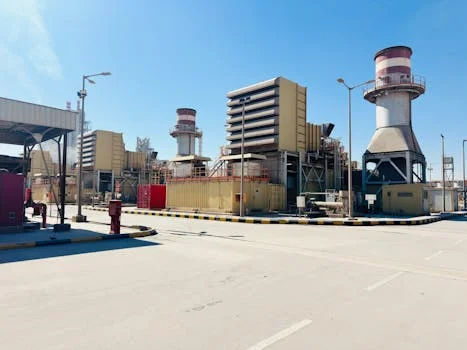
Selecting the right technology involves balancing the high organic removal requirements of the DOE with the spatial and budgetary constraints of Ipoh medical facilities. While many hospitals rely on traditional activated sludge, the shift toward 2025 compliance has made high-efficiency systems like MBR and DAF more prevalent.
| Technology | Removal Efficiency (BOD/Pathogens) | Footprint (m² per 50 m³/day) | CAPEX (RM) | OPEX (RM/m³) | Compliance Suitability |
|---|---|---|---|---|---|
| MBR (Membrane Bioreactor) | 95% / 99.9% | 25 – 35 | 1.2M – 1.8M | 1.20 – 1.60 | High (Exceeds 2025 Limits) |
| DAF (Dissolved Air Flotation) | 70% / 90% (TSS) | 15 – 20 | 600K – 900K | 0.80 – 1.10 | Medium (Pre-treatment only) |
| Chlorine Dioxide | <5% / 99.99% | 2 – 5 | 300K – 500K | 0.30 – 0.50 | High (Disinfection only) |
For hospitals targeting 100% compliance, MBR systems for hospital wastewater offer the most robust solution by combining biological treatment with 0.1 μm membrane filtration. This eliminates the need for secondary clarifiers and ensures that even the smallest suspended solids and many pathogens are physically removed. However, for facilities with high fat, oil, and grease (FOG) from hospital kitchens, DAF pre-treatment for hospital wastewater is essential to prevent membrane fouling.
Disinfection is the final, non-negotiable step. While UV is common, chlorine dioxide disinfection for hospital effluent is increasingly favored in Ipoh due to its superior ability to penetrate biofilms and its residual effect, which prevents pathogen regrowth in discharge pipes. For smaller clinics, a hybrid of DAF and Chlorine Dioxide may suffice, whereas larger facilities like Hospital Raja Permaisuri Bainun require an integrated DAF-MBR-ClO₂ train to handle complex pharmaceutical loads. Facility managers should also consider global benchmarks for hospital wastewater treatment when evaluating these technology trade-offs.
Engineering Specs for Ipoh Hospital Wastewater Systems: Process Flow & Sizing
The design of a hospital wastewater plant in Perak must account for both the biological load and the physical debris typical of clinical environments. A standard process flow starts with robust screening using a mechanical bar screen to remove non-biodegradable medical waste before it reaches sensitive pumps.
The recommended process flow for a 2025-compliant system is as follows:
- Preliminary Treatment: 5mm Fine Screening → Oil/Grease Trap.
- Equalization: Minimum 2-hour Hydraulic Retention Time (HRT) to buffer peak flows.
- Primary Treatment: Dissolved Air Flotation (DAF) for TSS and FOG reduction.
- Secondary/Tertiary Treatment: Membrane Bioreactor (MBR) with Mixed Liquor Suspended Solids (MLSS) maintained between 3,000–5,000 mg/L.
- Disinfection: Chlorine Dioxide generator with a 30-minute contact tank.
- Sludge Management: Thickening followed by a filter press for sludge dewatering to reduce disposal costs.
Sizing for an Ipoh hospital with 50 beds (assuming 150 m³/day flow) requires a DAF unit with a loading rate of 5–8 m/h and an MBR membrane area of approximately 150 m². Because Ipoh’s average ambient temperatures range from 28–32°C, biological activity is significantly higher than in temperate climates. This allows engineers to reduce the biological HRT by approximately 20% compared to Western standards, effectively shrinking the required tank volumes. However, this temperature also necessitates careful aeration control to prevent oxygen depletion in the MBR tanks. For more on how these systems integrate into tight urban spaces, see underground systems for space-constrained hospitals.
Cost Breakdown & ROI Calculator for Ipoh Hospital Wastewater Projects
Budgeting for a hospital wastewater project in Malaysia requires a clear distinction between initial CAPEX and long-term OPEX. In Ipoh, electricity costs (approx. RM0.45/kWh) and specialized labor (approx. RM3,500/month) are the primary drivers of operational expense.
| System Size (m³/day) | CAPEX: MBR (RM) | CAPEX: DAF + ClO₂ (RM) | Annual OPEX (RM) |
|---|---|---|---|
| 50 | 1.2M – 1.5M | 450K – 600K | 85K |
| 150 | 2.5M – 3.2M | 1.1M – 1.4M | 160K |
| 300 | 4.5M – 5.5M | 2.2M – 2.8M | 290K |
To calculate the Return on Investment (ROI), hospitals must factor in "avoided costs." For a 100 m³/day hybrid system with a CAPEX of RM2.1 million, the payback period is typically 3.5 to 4.5 years. This calculation includes:
- Avoided Fines: RM100K – RM500K per incident.
- Water Reuse: Treated MBR effluent can be used for cooling towers or landscape irrigation, saving approximately RM120,000 annually in water bills.
- Reduced Disposal: On-site sludge dewatering reduces scheduled waste disposal fees by up to 60%.
For a deeper dive into the chemical costs associated with these systems, refer to how chlorine dioxide and UV disinfection compare for hospitals.
Malaysian Compliance Checklist: DOE 2025 Discharge Standards & Permitting
Navigating the Department of Environment (DOE) Perak branch requirements is a multi-step process that begins well before equipment installation. Use this checklist to ensure your facility remains audit-ready:
- Pre-construction: Conduct an Environmental Impact Assessment (EIA) for any system exceeding 50 m³/day capacity. Ensure the design is signed off by a Professional Engineer (P.Eng) registered with the Board of Engineers Malaysia (BEM).
- Permitting: Submit "Form 1" (Application for Sewage Discharge License) to DOE Perak. This must include influent/effluent characterization, process flow diagrams, and a detailed Emergency Response Plan (ERP) for system failures.
- Monitoring: Install continuous monitoring sensors for pH, flow rate, and turbidity. Under the 2025 draft guidelines, hospitals must perform weekly lab testing for BOD, COD, and TSS, and monthly testing for fecal coliform.
- Record-keeping: Maintain on-site logbooks for chemical consumption, membrane cleaning cycles, and sludge disposal manifests for a minimum of 5 years.
- Inspection Readiness: DOE Perak conducts unannounced audits. Ensure that calibration certificates for all sensors are current and that operators hold valid Competent Person (CePSWaM) certification.
Frequently Asked Questions
What are the DOE discharge limits for hospital wastewater in Ipoh in 2025?
Hospitals must comply with Standard A or B of the Environmental Quality (Sewage) Regulations 2009. For most facilities in Ipoh, this means BOD ≤ 20 mg/L, COD ≤ 80 mg/L, TSS ≤ 50 mg/L, and Fecal Coliform < 1,000 MPN/100ml.
How much does a hospital wastewater treatment system cost in Malaysia?
A 50 m³/day system typically ranges from RM450,000 for basic DAF+Disinfection to RM1.8 million for a full-scale MBR plant. Civil works and installation usually add 20–30% to the equipment cost.
What’s the best treatment technology for removing pharmaceuticals from hospital effluent?
Membrane Bioreactor (MBR) technology is the most effective biological method for pharmaceutical removal, especially when coupled with advanced oxidation or chlorine dioxide disinfection to break down recalcitrant compounds.
Can hospital wastewater be reused for irrigation or cooling in Ipoh?
Yes, provided it is treated via MBR and tertiary disinfection. Reusing treated effluent for non-potable purposes is highly encouraged by the Perak state government to reduce the strain on municipal water supplies.
How often should hospital wastewater treatment systems be maintained?
Mechanical components like bar screens and pumps require monthly inspections. MBR membranes typically require chemical cleaning (CIP) every 3–6 months and full replacement every 5–7 years depending on the influent load and pre-treatment efficiency.