Why Monocrystalline Silicon Wastewater Requires Specialized Treatment
Monocrystalline silicon wastewater demands highly specialized treatment systems, primarily due to its unique and challenging contaminant profile. Conventional industrial wastewater treatment technologies often prove inadequate. A 2026 benchmark study by EPA Region 9 highlights that monocrystalline silicon wastewater can contain hydrofluoric acid (HF) at concentrations up to 15% v/v, silicon dioxide (SiO₂) exceeding 1,000 mg/L, and phosphorus (P) over 50 mg/L. These concentrations are significantly higher and more corrosive than those found in typical industrial effluents. For instance, while textile wastewater might have TSS in the hundreds of mg/L and food processing wastewater moderate organic loads, monocrystalline silicon wastewater presents extreme acidity and dissolved solids. Consequently, standard biological treatment methods are rendered ineffective. The high HF concentrations are acutely toxic to microbial populations, halting biological processes. elevated SiO₂ levels readily precipitate and scale in pipes and membranes, leading to severe operational disruptions and reduced treatment efficiency. Phosphorus, while a nutrient in other contexts, can form insoluble precipitates that exacerbate scaling issues in silicon wastewater treatment. Failure to adequately treat these contaminants can result in substantial regulatory fines. In the United States, EPA 40 CFR Part 469 sets stringent limits for semiconductor wastewater, while China's GB 31573-2015 mandates strict fluoride (<15 mg/L) and phosphorus (<2 mg/L) discharge limits. These regulations underscore the critical need for advanced, tailored treatment solutions.
| Wastewater Type | Typical HF (mg/L) | Typical SiO₂ (mg/L) | Typical P (mg/L) | TSS (mg/L) | Regulatory Concern |
|---|---|---|---|---|---|
| Monocrystalline Silicon | Up to 15% v/v (highly corrosive) | >1,000 | >50 | Variable (often high) | Fluoride, Phosphorus, Acidity |
| Textile Manufacturing | Negligible | Low | Low | 100-500 | Dyes, BOD, COD |
| Food Processing | Negligible | Low | Moderate | 50-200 | BOD, COD, Fats/Oils/Grease |
| General Industrial | Low | Low to Moderate | Low | 50-150 | Varies by industry |
Hybrid DAF-MBR-RO System Design: Process Flow and Engineering Specs
The most effective approach to treating monocrystalline silicon wastewater involves a hybrid system integrating Dissolved Air Flotation (DAF), Membrane Bioreactor (MBR), and Reverse Osmosis (RO) technologies. This multi-stage process is designed to progressively remove contaminants, ensuring compliance and high-quality effluent. The typical process flow is as follows: Influent wastewater first enters the DAF unit, which utilizes dissolved air to float and remove suspended solids (TSS) and fats, oils, and grease (FOG). Following DAF, the pre-treated water flows into the MBR, where biological processes reduce dissolved organic matter (COD) and further polish the wastewater. The MBR employs specialized membranes for solid-liquid separation. Finally, the effluent from the MBR is fed into the RO system, which employs semi-permeable membranes to remove dissolved salts, residual fluoride, and phosphorus, achieving the stringent discharge limits. A common process sequence is: Influent → DAF (20–40 m/h surface loading rate) → MBR (0.1 μm PVDF membranes) → RO (85–95% recovery rate) → Treated Effluent.
Detailed engineering specifications are crucial for optimal performance:
- DAF System: Recommended surface loading rates are between 20–40 m/h to ensure efficient TSS and FOG removal. The air-to-solids ratio should be maintained at 0.02–0.04 for effective flotation. Chemical dosing is critical, with pH adjustment to 6.5–7.5 using caustic soda or lime to optimize coagulant performance and flotation. Our DAF system for high-efficiency TSS and FOG removal is engineered for these demanding applications.
- MBR System: The heart of the MBR is its membrane module. For silicon wastewater, 0.1 μm pore size PVDF membranes are typically preferred due to their chemical resistance and fouling characteristics. Operating flux rates should be managed between 15–25 LMH to balance treatment capacity and membrane lifespan. Aeration requirements for sludge scouring and biological activity range from 0.3–0.5 m³ of air per m³ of wastewater treated. Integrated MBR systems with PVDF membranes for COD reduction offer a compact and efficient solution.
- RO System: Spiral-wound polyamide membranes are standard for RO units treating this type of wastewater. Achieving a high recovery rate, typically 85–95%, is essential for water conservation and minimizing waste brine. Antiscalant dosing, such as sodium hexametaphosphate (SHMP), is critical to prevent SiO₂ and calcium fluoride (CaF₂) scaling, often at concentrations of 5–10 mg/L. Our industrial RO system for fluoride and phosphorus removal provides the final polishing step.
| Technology | Primary Contaminants Removed | Typical Removal Efficiency (Monocrystalline Silicon Wastewater) | Key Design Parameters |
|---|---|---|---|
| DAF | TSS, FOG | TSS: 95-98% | Surface Loading Rate: 20-40 m/h, Air-to-Solids Ratio: 0.02-0.04 |
| MBR | COD, BOD, Suspended Solids | COD: 80-95% (post-DAF), TSS: >99% | Pore Size: 0.1 μm (PVDF), Flux Rate: 15-25 LMH |
| RO | Fluoride, Phosphorus, Dissolved Salts, Heavy Metals | Fluoride: >98%, Phosphorus: >95% | Recovery Rate: 85-95%, Antiscalant Dosing |
Membrane Material Selection: PVDF vs. PTFE for Silicon Wastewater
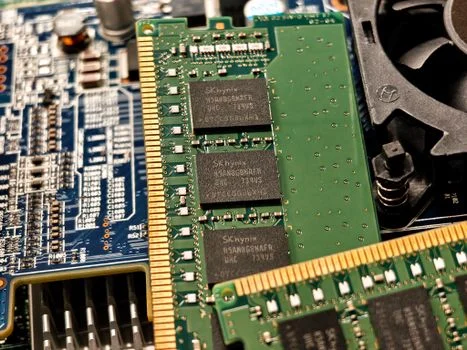
Choosing the correct membrane material for the MBR stage is paramount in monocrystalline silicon wastewater treatment, directly impacting system longevity, operational costs, and treatment efficacy. Polyvinylidene fluoride (PVDF) and Polytetrafluoroethylene (PTFE) are the primary candidates, each with distinct advantages and disadvantages when confronting the aggressive chemical environment and fouling potential of silicon wastewater. PVDF membranes offer superior chemical resistance, particularly to hydrofluoric acid (HF) and nitric acid (HNO₃), which are prevalent in this wastewater. They also exhibit better mechanical durability under high-pressure operations common in MBR systems. HydropureWater field data from 2025 indicates that PVDF membranes achieve a 20–30% longer operational lifespan in silicon wastewater compared to PTFE. This extended life is attributed to their inherently lower propensity for silicon dioxide (SiO₂) fouling. While PVDF membranes may have a higher initial cost, approximately $0.80/m² compared to $0.60/m² for PTFE, their reduced fouling and extended lifespan translate to lower total cost of ownership.
PVDF membranes offer greater flexibility in cleaning protocols. They can tolerate higher pH levels, up to 12, during chemical cleaning cycles, which is highly effective for removing organic and inorganic foulants. PTFE membranes, while also chemically resistant, are generally limited to milder cleaning agents, typically within a pH range of 2–10, making them less effective against stubborn SiO₂ scaling. The decision matrix for membrane selection should consider the specific wastewater characteristics:
| Feature | PVDF Membranes | PTFE Membranes | Recommendation for Silicon Wastewater |
|---|---|---|---|
| Chemical Resistance (HF, HNO₃) | Excellent | Good | PVDF preferred for high acid concentrations. |
| SiO₂ Fouling Resistance | High | Moderate | PVDF significantly reduces fouling. |
| Mechanical Durability | High | Good | PVDF preferred for robust operation. |
| Cleaning pH Range | 2-12 | 2-10 | PVDF allows for more aggressive cleaning. |
| Initial Cost ($/m²) | ~$0.80 | ~$0.60 | PTFE lower initial cost, but PVDF offers better TCO. |
| Lifespan (Silicon Wastewater) | Longer (20-30% more than PTFE) | Shorter | PVDF is more economical long-term. |
For plants experiencing high SiO₂ loads or requiring frequent chemical cleaning, PVDF membranes are the superior choice. Our MBR membrane bioreactor wastewater treatment system utilizes high-performance PVDF membranes designed for extreme conditions.
Fouling and Corrosion: Troubleshooting Common System Failures
Effective operation of monocrystalline silicon wastewater treatment systems hinges on proactive identification and mitigation of common fouling and corrosion issues. SiO₂ scaling is a pervasive problem, primarily driven by high concentrations of dissolved silica, elevated pH, and insufficient antiscalant dosing. Symptoms include a significant reduction in RO membrane flux, a sharp increase in operating pressure, and visible scale deposits on equipment. Mitigation strategies involve maintaining the RO feed water pH within the optimal range of 6.5–7.0 and ensuring consistent SHMP dosing at 5–10 mg/L. HF corrosion poses a severe threat to system integrity. This is caused by the highly acidic nature of the wastewater. Materials such as standard stainless steel are highly susceptible to pitting and rapid degradation. Recommended materials of construction for wetted parts include PVDF, Hastelloy C-276, and PTFE, all of which exhibit excellent resistance to HF. Symptoms of HF corrosion include visible leaks, particularly at pipe joints and valve seals, and pitting on metallic components. pH neutralization to 6.0–7.5 using NaOH or Ca(OH)₂ is the primary defense against HF corrosion.
Membrane fouling can manifest in several forms: organic fouling from residual COD, biofouling if chlorine levels are inconsistent, and inorganic scaling from SiO₂ or CaF₂. A comprehensive cleaning protocol is essential. For organic fouling, mild alkaline cleaning (pH 9-11) with surfactants can be effective. Biofouling may require a shock chlorination (e.g., 50-100 mg/L free chlorine for 1-2 hours), though care must be taken with chlorine-sensitive membranes. Inorganic scaling is best addressed with dilute acid washes (e.g., citric acid or HCl at 1-5% concentration) or specific antiscalant soak treatments. A case study from a facility in Arizona demonstrated a 40% reduction in SiO₂ scaling events by transitioning from PTFE to PVDF membranes and implementing a precise antiscalant dosing regimen controlled by our PLC-controlled chemical dosing system for pH adjustment and antiscalant addition.
| Problem | Primary Cause | Symptoms | Mitigation/Solution |
|---|---|---|---|
| SiO₂ Scaling | High dissolved silica, high pH, low antiscalant | Reduced RO flux, increased pressure drop, scale deposits | Maintain RO feed pH 6.5-7.0; SHMP dosing 5-10 mg/L; PVDF membranes |
| HF Corrosion | High HF concentration | Pitting/corrosion of stainless steel, leaks | pH neutralization to 6.0-7.5 (NaOH/Ca(OH)₂); use of resistant materials (PVDF, Hastelloy, PTFE) |
| Organic Fouling | Residual COD/BOD | Reduced MBR flux, increased TMP | Effective biological treatment; alkaline cleaning (pH 9-11) with surfactants |
| Biofouling | Microbial growth | Reduced MBR flux, increased TMP, foul odor | Maintain MBR DO levels; occasional mild chlorination (careful with membrane compatibility) |
| Inorganic Scaling (CaF₂) | High fluoride, high calcium, low pH | Reduced RO flux, increased pressure drop | Fluoride removal in upstream stages; antiscalant dosing; dilute acid cleaning |
CAPEX and OPEX Breakdown: Cost Models for 50–500 m³/h Plants
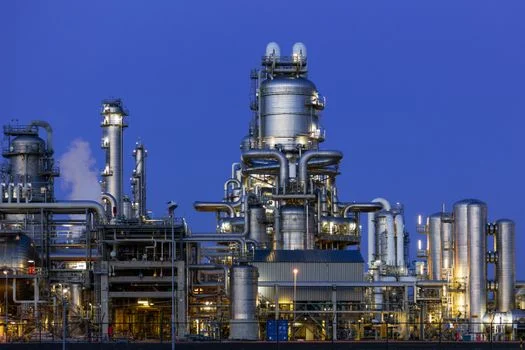
The capital expenditure (CAPEX) and operational expenditure (OPEX) for monocrystalline silicon wastewater treatment systems are significant, reflecting the complexity and robustness required. For a plant processing 50 m³/h, CAPEX can range from approximately $500,000 to $1.5 million, escalating to $15 million or more for a 500 m³/h facility. This cost is distributed across several key components. The DAF system typically accounts for $150,000–$1 million, the MBR system $200,000–$5 million, and the RO system $100,000–$3 million. Additional costs include civil and structural work ($50,000–$2 million) and automation and control systems ($50,000–$1 million). Operational costs, expressed as OPEX per cubic meter treated, are estimated to be between $0.80 and $2.50/m³. Major OPEX components include membrane replacement, which can range from $0.20 to $0.50/m³ depending on membrane type and fouling rates. Chemical dosing (coagulants, antiscalants, pH adjustment) adds $0.10–$0.30/m³, while energy consumption for pumps and aeration accounts for $0.20–$0.50/m³. Labor costs typically fall between $0.10–$0.20/m³.
Calculating the return on investment (ROI) involves comparing these costs against the financial penalties of non-compliance and the benefits of water reuse. For example, recurring HF discharge violations could incur fines upwards of $100,000 per year, quickly justifying the CAPEX of a compliant treatment system. implementing water reuse strategies, especially with ZLD adaptations, can lead to significant savings on freshwater intake, potentially reducing costs by $0.50/m³ or more. A comparative analysis reveals that while conventional biological treatment might offer lower CAPEX, its inability to meet stringent silicon wastewater discharge limits leads to higher OPEX due to fines and potential operational downtime. The hybrid DAF-MBR-RO system, despite its higher initial investment, provides a more reliable and compliant solution with lower long-term compliance risks and potential for water reuse.
| Plant Capacity | Estimated CAPEX Range | Estimated OPEX Range ($/m³) | |
|---|---|---|---|
| (m³/h) | (m³/day) | ($) | |
| 50 | 1,200 | $500,000 - $1,500,000 | $0.80 - $1.50 |
| 100 | 2,400 | $800,000 - $2,500,000 | $0.90 - $1.80 |
| 200 | 4,800 | $1,500,000 - $5,000,000 | $1.00 - $2.20 |
| 500 | 12,000 | $5,000,000 - $15,000,000+ | $1.20 - $2.50 |
Zero-Liquid-Discharge (ZLD) Adaptations for Monocrystalline Silicon Plants
For monocrystalline silicon fabrication plants operating in water-scarce regions or facing extremely stringent discharge regulations, implementing Zero-Liquid-Discharge (ZLD) systems is becoming increasingly vital. ZLD systems build upon the DAF-MBR-RO treatment train by adding further stages to recover virtually all water and concentrate the remaining waste into solid form. The typical ZLD process additions include a brine concentrator, often an evaporator or mechanical vapor recompression (MVR) unit, to reduce the volume of RO brine. This concentrated brine is then fed into a crystallizer, where dissolved salts and solids are precipitated out, leaving behind a solid waste stream that can be disposed of or potentially recycled. A final water recovery RO stage can achieve an additional 90–95% water recovery from the concentrated brine before it enters the evaporator.
The CAPEX impact of ZLD is substantial, typically adding 30–40% to the overall system cost. For a 200 m³/h plant, a non-ZLD hybrid system might cost $3 million, whereas a ZLD adaptation could push the CAPEX to $4.2 million or higher. The primary driver of increased OPEX in ZLD is energy consumption, particularly for evaporation processes, which can range from 2–4 kWh/m³ of wastewater treated. However, the benefits are significant. ZLD systems achieve 90–95% water recovery, dramatically reducing the need for freshwater intake—a critical advantage in regions like Xinjiang, China, or parts of California. Beyond water conservation, ZLD eliminates all liquid discharge risks, simplifying permitting processes and removing the burden of meeting ever-evolving discharge standards. This can be particularly advantageous in areas without established industrial wastewater discharge infrastructure.
Frequently Asked Questions
What are the primary contaminants in monocrystalline silicon wastewater?
The primary contaminants are hydrofluoric acid (HF) up to 15% v/v, silicon dioxide (SiO₂) exceeding 1,000 mg/L, phosphorus (P) over 50 mg/L, and often nitric acid (HNO₃) and suspended solids.
Why is conventional biological treatment unsuitable for this wastewater?
The high concentrations of HF are toxic to microorganisms, inhibiting biological activity. Additionally, high SiO₂ levels cause severe scaling in pipes and membranes, rendering biological processes ineffective.
What are the key regulatory limits for fluoride and phosphorus in semiconductor wastewater?
For example, China's GB 31573-2015 sets limits of <15 mg/L for fluoride and <2 mg/L for phosphorus, while EPA 40 CFR Part 469 also imposes strict discharge standards for semiconductor manufacturing wastewater.
What is the typical recovery rate for an RO system in this application?
RO recovery rates for monocrystalline silicon wastewater typically range from 85% to 95%, balancing water reuse with the need to manage concentrate salinity and scaling potential.
How does digital twin technology benefit wastewater treatment plants?
Digital twins, integrated with IoT monitoring, enable real-time performance tracking, predictive maintenance, and process optimization. This allows for early detection of potential issues like scaling or corrosion, preventing unplanned downtime and reducing operational costs. For semiconductor wastewater treatment design, digital twins offer a powerful tool for simulating various operational scenarios and optimizing system parameters for maximum efficiency and compliance.
Related Equipment
- DAF system for high-efficiency TSS and FOG removal — view specifications, capacity range, and technical data
- Integrated MBR system with PVDF membranes for COD reduction — view specifications, capacity range, and technical data
- Industrial RO system for fluoride and phosphorus removal — view specifications, capacity range, and technical data
- PLC-controlled chemical dosing for pH adjustment and antiscalant addition — view specifications, capacity range, and technical data
Need a customized solution? Request a free quote with your specific flow rate and pollutant parameters.