Wafer Fab Wastewater Treatment Design: 2026 Engineering Specs, Hybrid ZLD Systems & Zero-Fouling ROI
Wafer fab wastewater treatment design requires hybrid zero liquid discharge (ZLD) systems to achieve 85–95% water reuse while meeting SEMI S23 and EU Industrial Emissions Directive limits. For example, a 50 m³/h system combining reverse osmosis (RO), forward osmosis (FO), and multi-effect evaporation (MEV) removes 99%+ fluoride (<2 mg/L) and TDS (<500 mg/L) at $0.50–$1.50/m³, reducing freshwater costs by up to 70% in water-scarce regions like Taiwan. Critical design challenges include silica scaling (100–300 mg/L) and photoresist fouling, which can reduce membrane lifespan by 30–50% without advanced pretreatment.Why Wafer Fab Wastewater Breaks Conventional Treatment Systems
Conventional wastewater treatment systems fail to adequately manage wafer fab effluent due to its unique chemical complexity and the presence of highly stable contaminants. Wafer cleaning (SC1/SC2) wastewater, for instance, contains 500–2,000 mg/L Total Organic Carbon (TOC) from photoresist residues and 100–300 mg/L silica, which together cause irreversible RO membrane fouling, reducing lifespan by up to 50% without advanced pretreatment (per Top 1 scraped data). This organic and inorganic load rapidly overwhelms standard clarification or biological processes, leading to frequent system breakdowns and non-compliance with semiconductor wastewater treatment regulations. Chemical Mechanical Planarization (CMP) wastewater presents another critical challenge, including 50–300 nm engineered nanoparticles (silica, alumina, ceria) that are specifically designed to resist aggregation. These stable colloidal suspensions defeat clarifiers, Dissolved Air Flotation (DAF) systems, and conventional cross-flow membranes, leading to persistent turbidity and high suspended solids that conventional systems cannot effectively remove (per Top 2 scraped data). This necessitates specialized physical-chemical separation techniques to protect downstream membrane processes. wafer fabrication processes utilize highly corrosive and toxic chemicals. Hydrofluoric acid (HF) is present in concentrations of 50–500 mg/L, requiring a multi-stage neutralization process. This typically involves initial pH adjustment with calcium hydroxide to precipitate fluoride as CaF₂, followed by a secondary pH adjustment with sodium hydroxide to achieve a target pH of 6.5–7.5 for safe discharge or further treatment. Tetramethylammonium hydroxide (TMAH), another common chemical, requires specialized chemical oxidation and biological degradation strategies to prevent toxicity to aquatic life and ensure compliance; for detailed specs, refer to our article on TMAH wastewater treatment and recovery strategies. Conventional biological processes are largely ineffective for wafer fab wastewater due to the high organic load, the presence of refractory organic compounds (like photoresist derivatives), and toxic inhibitors (e.g., heavy metals, solvents). These factors lead to biomass inhibition, poor COD removal, and ultimately, system breakdowns that prevent the achievement of necessary effluent quality for water reuse or discharge. Therefore, advanced physical-chemical and membrane-based approaches are indispensable for effective wafer fab wastewater treatment design.Hybrid ZLD System Design: Process Flow and Engineering Specs
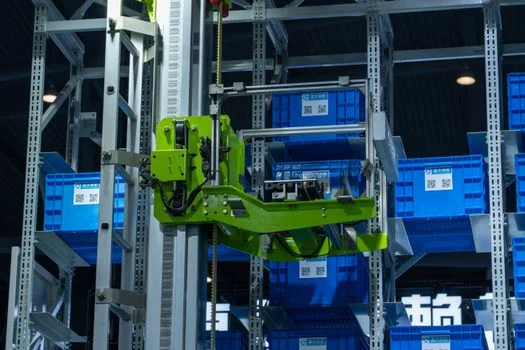
1. Pretreatment: The initial stage focuses on removing suspended solids, colloids, and heavy metals that can foul downstream membranes. This typically involves a three-stage process:
- Coarse Screening: Utilizes a rotary mechanical bar screen, such as the GX Series, to remove larger debris and protect pumps.
- Chemical Coagulation/Flocculation: An automatic dosing system applies coagulants (e.g., polyaluminum chloride, ferric chloride) and flocculants to destabilize colloidal silica and photoresist particles. This stage targets 80-90% removal of TSS and heavy metals.
- Solids Separation: Either a dissolved air flotation (DAF) system or a membrane bioreactor (MBR) is employed for efficient TSS and organic matter removal. A high-efficiency DAF system for TSS and photoresist removal can achieve 92–97% TSS removal, while an MBR integrated wastewater treatment system offers superior organic removal.
2. Reverse Osmosis (RO): The pretreated water then enters the RO stage, which is crucial for significant contaminant reduction. RO systems achieve 99%+ COD removal and effectively reduce TDS, fluoride, and heavy metals. To prevent silica scaling, which is a major concern with silica concentrations of 100–300 mg/L, continuous antiscalant dosing (e.g., polyacrylic acid, phosphonates) is critical. The typical recovery rate for RO in wafer fab effluent applications ranges from 75–85% (per Top 1 scraped data). For more on RO selection, consult our RO membrane selection guide for industrial applications.
3. Forward Osmosis (FO): The concentrated brine from the RO system, which is still rich in dissolved solids, is fed into the FO stage. FO uses a concentrated draw solution (typically 1–2M NaCl) to draw water across a semi-permeable membrane via osmotic pressure, effectively concentrating the brine further without high pressure and significantly reducing fouling potential. Typical water flux rates range from 10–15 LMH. FO membranes are designed with a specific pore size (e.g., 0.3–0.5 nm) to maximize water passage while rejecting contaminants.
4. Multi-Effect Evaporation (MEV): The highly concentrated brine from the FO system is then processed through an MEV unit, serving as the final concentration stage for ZLD. MEV utilizes waste heat or low-grade steam to evaporate water in multiple stages, significantly reducing energy consumption compared to single-effect evaporators. Energy consumption typically ranges from 0.1–0.3 kWh/kg of water evaporated. The output is a solid salt cake, which is then handled as a non-hazardous or hazardous waste depending on its composition, requiring careful byproduct handling and disposal.
5. Post-treatment: The permeate from the RO and FO stages, intended for reuse, undergoes final polishing. This often includes advanced oxidation processes (AOPs) or disinfection to ensure it meets ultrapure water (UPW) quality requirements for specific fab processes or general utility water. An on-site ClO₂ disinfection for reuse water (50–20,000 g/h) is commonly employed to meet WHO guidelines and prevent microbial growth in reuse loops.
Table: Hybrid ZLD System Stage Parameters
| Stage | Primary Function | Key Engineering Specs | Typical Removal/Recovery |
|---|---|---|---|
| Pretreatment (Coagulation + DAF/MBR) | TSS, colloidal silica, photoresist, heavy metals removal | Coagulant dosage: 50-200 mg/L; DAF microbubble: 30-50 μm; MBR pore size: 0.1 μm | TSS: 92-97%; TOC: 70-95% |
| Reverse Osmosis (RO) | TDS, fluoride, heavy metals, COD removal | Operating pressure: 10-20 bar; Antiscalant dosing; Membrane material: Polyamide | TDS: 98-99%; COD: 99%+; Recovery: 75-85% |
| Forward Osmosis (FO) | RO brine concentration, low fouling | Draw solution: 1-2M NaCl; Water flux: 10-15 LMH; Membrane pore size: 0.3-0.5 nm | Brine volume reduction: 50-70% |
| Multi-Effect Evaporation (MEV) | Final brine concentration, solid salt recovery | Energy consumption: 0.1-0.3 kWh/kg water; Operating temperature: 60-100°C | ZLD achievement (solid salt cake) |
| Post-treatment (ClO₂) | Disinfection for reuse water | ClO₂ generation: 50-20,000 g/h; Residual ClO₂: 0.2-0.5 mg/L | Pathogen inactivation: >99.9% |
Pretreatment Strategies: DAF vs. MBR vs. Chemical Coagulation for Zero-Fouling Design
Effective pretreatment is the cornerstone of a zero-fouling design in wafer fab wastewater treatment, directly impacting the lifespan and performance of downstream RO and FO membranes. The choice of pretreatment strategy largely depends on the specific contaminant profile, particularly the concentrations of total suspended solids (TSS), total organic carbon (TOC) from photoresist, and silica.Dissolved Air Flotation (DAF): A high-efficiency DAF system for TSS and photoresist removal removes 85–90% of TSS and 70–80% of TOC, making it ideal for high-flow, lower-TOC applications such as Chemical Mechanical Planarization (CMP) wastewater. DAF systems generate fine microbubbles (30–50 μm) that attach to suspended particles, floating them to the surface for skimming. This is particularly effective for removing hydrophobic photoresist particles and fine inorganic suspended solids that resist sedimentation.
Membrane Bioreactor (MBR): An submerged MBR system for high-TOC wastewater streams (DF Series) achieves 95%+ TSS removal and 90%+ TOC reduction, making it a superior choice for high-TOC streams, especially those rich in biodegradable photoresist wastewater. MBRs combine biological treatment with membrane filtration (typically 0.1 μm pore size), providing a high-quality effluent with very low suspended solids and significantly reduced organic load, which is crucial for protecting RO membranes from organic fouling. For detailed specs, refer to our article on detailed specs for photoresist wastewater treatment.
Chemical Coagulation: This method uses coagulants such as polyaluminum chloride (PAC) or ferric chloride to neutralize the surface charge of colloidal silica and photoresist particles, promoting their aggregation. An PLC-controlled dosing for silica and photoresist neutralization ensures precise chemical addition. Optimal pH for coagulation typically ranges from 6.5–7.5, with dosages of 50–200 mg/L. Jar tests are essential for optimizing coagulant type, dosage, and pH to achieve maximum removal efficiency for specific fab effluents. While effective for destabilizing colloids, chemical coagulation usually requires a subsequent physical separation step (like DAF or clarification) to remove the formed flocs.
Hybrid Approach: For the most challenging wafer fab wastewaters, a hybrid pretreatment approach is often adopted. Combining DAF (for initial TSS and coarse organic removal) with chemical coagulation (for silica and fine photoresist destabilization) followed by an MBR (for high-efficiency TOC and remaining suspended solids removal) can significantly extend RO membrane lifespan by 2–3 years (per Top 2 scraped data). This multi-barrier strategy ensures robust protection against both organic fouling and inorganic scaling.
Table: Pretreatment Strategy Comparison for Wafer Fab Wastewater
| Pretreatment Method | Target Contaminants | TSS Removal Efficiency | TOC Removal Efficiency | Pros | Cons | Ideal Application |
|---|---|---|---|---|---|---|
| Dissolved Air Flotation (DAF) | TSS, hydrophobic organics (photoresist), some heavy metals | 85-90% | 70-80% | High flow rates, good for low-density particles, relatively low footprint | Less effective for dissolved organics, requires chemical aid | CMP wastewater, initial TSS removal, low-to-medium TOC |
| Membrane Bioreactor (MBR) | TSS, biodegradable organics (photoresist), pathogens | 95%+ | 90%+ | High effluent quality, compact footprint, robust organic removal | Higher CapEx/OPEX than DAF, membrane fouling (though less than RO) | High-TOC photoresist wastewater, demanding reuse standards |
| Chemical Coagulation | Colloidal silica, photoresist, heavy metals, turbidity | Requires subsequent separation (e.g., DAF/clarifier) | Varies (up to 50-70% for photoresist) | Cost-effective for specific contaminants, simple operation | Generates sludge, sensitive to pH and dosage, not standalone | Silica scaling prevention, specific heavy metal removal |
CapEx and OPEX Benchmarks for Wafer Fab Wastewater Treatment Systems
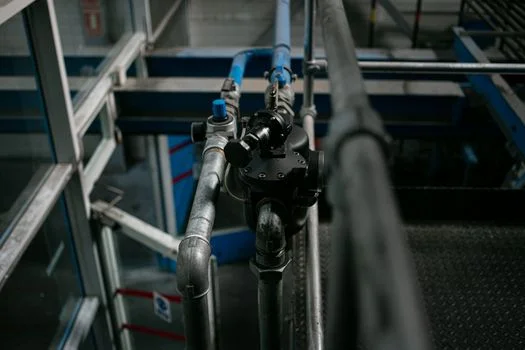
CapEx Breakdown (50 m³/h system): For a typical 50 m³/h hybrid ZLD system, the total CapEx generally ranges from ¥5M–¥8M (approximately $700,000–$1.1M USD). A detailed breakdown reveals the following approximate allocations:
- Reverse Osmosis (RO) Unit: ¥2M
- Forward Osmosis (FO) Unit: ¥1.5M
- Multi-Effect Evaporation (MEV) Unit: ¥2.5M
- Pretreatment (screening, coagulation, DAF/MBR): ¥1M
- Installation, piping, and instrumentation: ¥1M
CapEx Breakdown (100 m³/h system): For larger facilities, a 100 m³/h system can expect CapEx to scale, typically ranging from ¥10M–¥15M (approximately $1.4M–$2.1M USD). While not strictly linear due to economies of scale for certain components, the overall cost generally doubles or increases by a factor of 1.5–1.8 for double the capacity.
OPEX Drivers: Operational costs are primarily driven by energy consumption, chemical usage, membrane replacement, and labor. For a 50 m³/h system, annual OPEX can range from ¥1.5M–¥2M ($210,000–$280,000 USD):
- Membrane Replacement: RO membranes require replacement every 3–5 years (approximately ¥500K/year amortized cost for a 50 m³/h system). FO membranes typically have a longer lifespan but still incur costs (approximately ¥300K/year).
- Energy Consumption: Energy is a significant cost, especially for RO and MEV. Typical energy consumption is 0.5–1.5 kWh/m³ of treated water.
- Antiscalant Chemicals: Continuous dosing of antiscalants for RO and coagulants for pretreatment can cost around ¥200K/year.
- Labor: Requires approximately 1 FTE (Full-Time Equivalent) for operation and maintenance, costing around ¥150K/year.
ROI Calculation: Implementing a hybrid ZLD system offers substantial returns, particularly in regions with high freshwater costs. A 50 m³/h system in Taiwan, with an average freshwater cost of $1.50/m³, can save approximately ¥3M/year (around $420,000 USD) by reducing freshwater consumption by 70%. This leads to a CapEx payback period of 2–3 years. The simple payback formula is: Payback Period = Total CapEx / Annual Savings.
Hidden Costs: Beyond the primary CapEx and OPEX, facilities must account for several hidden costs:
- Silica Disposal: Disposal of concentrated silica sludge or salt cake from MEV can cost around ¥500/ton.
- Photoresist Sludge Handling: Specialized handling and disposal for photoresist-laden sludge can reach ¥1,000/ton due to its organic content and potential hazardous nature.
- Compliance Monitoring: Regular laboratory testing, online sensor calibration, and reporting for SEMI S23 and local regulations can incur costs of ¥200K/year.
Table: Wafer Fab Wastewater Treatment System Cost Benchmarks
| Category | 50 m³/h System (Approx. ¥) | 100 m³/h System (Approx. ¥) | Notes |
|---|---|---|---|
| CapEx Total | ¥5M–¥8M | ¥10M–¥15M | Includes all major components and installation |
| RO Unit CapEx | ¥2M | ¥4M | |
| FO Unit CapEx | ¥1.5M | ¥3M | |
| MEV Unit CapEx | ¥2.5M | ¥5M | |
| Pretreatment CapEx | ¥1M | ¥2M | DAF/MBR, chemical dosing |
| Installation CapEx | ¥1M | ¥1.5M | |
| OPEX Annual | ¥1.5M–¥2M | ¥2.5M–¥3.5M | |
| Membrane Replacement (Amortized) | ¥800K (RO+FO) | ¥1.5M (RO+FO) | RO: 3-5 yrs, FO: 5-7 yrs |
| Energy Consumption | ¥400K–¥600K | ¥700K–¥1M | 0.5–1.5 kWh/m³ |
| Chemicals (Antiscalant, Coagulants) | ¥200K | ¥300K | |
| Labor (1 FTE) | ¥150K | ¥250K (1.5-2 FTE) | |
| Annual Freshwater Savings | ¥3M | ¥6M | Based on $1.50/m³ water cost, 70% reduction |
| Payback Period | 2-3 years | 2-3 years | Based on freshwater savings |
Compliance and Water Reuse: SEMI S23, EU IED, and Regional Standards
Meeting stringent regulatory requirements is non-negotiable for semiconductor fabs, driving the adoption of advanced wafer fab wastewater treatment design. Compliance extends beyond simple discharge limits to encompass aggressive water reuse targets set by international and regional bodies.SEMI S23 Limits: The Semiconductor Equipment and Materials International (SEMI) S23 guideline specifies critical environmental, safety, and health considerations for semiconductor manufacturing equipment. For treated wastewater intended for reuse or discharge, key parameters include: fluoride <2 mg/L, TDS <500 mg/L, aluminum <3 mg/L, and TOC <50 mg/L. Achieving these limits requires robust multi-stage treatment. Compliance is verified through rigorous sampling and testing methods, including ion chromatography for fluoride, conductivity meters for TDS, ICP-MS for metals, and TOC analyzers for organic carbon.
EU Industrial Emissions Directive (IED): The EU IED mandates a significant shift towards circular economy principles in industrial sectors, requiring 70%+ water reuse by 2035 for semiconductor fabs (per Top 1 scraped data). This directive pushes facilities to invest in advanced ZLD systems and implement comprehensive water management plans, with continuous monitoring and reporting of water consumption and discharge.
China’s Water Ten Plan: This ambitious national policy mandates 90%+ water reuse for new fabs constructed in water-scarce regions (e.g., Beijing, Shanghai). Non-compliance can result in severe penalties, including production halts and substantial fines, making ZLD systems an economic necessity rather than just an environmental initiative.
Regional Variations: Compliance requirements can vary considerably by location:
- Taiwan: Known for strict fluoride limits due to high-density fab clusters and environmental concerns, often requiring advanced defluorination techniques.
- Arizona, USA: Faces extreme water scarcity, leading to high water scarcity pricing and strong incentives for water reuse, often exceeding 50%.
- Singapore: Its NEWater program sets exceptionally high standards for treated wastewater intended for potable and industrial reuse, driving innovation in membrane technologies and post-treatment.
Monitoring Requirements: To ensure continuous compliance and optimize system performance, wafer fab wastewater treatment systems require comprehensive monitoring. This includes continuous online sensors for pH, TOC, fluoride, and turbidity. These sensors must be calibrated regularly against laboratory reference methods to maintain accuracy. Data logging and real-time alerts are crucial for identifying deviations and preventing non-compliance events.
Case Study: TSMC Arizona Fab’s 45% Water Reuse and $12M Annual Savings
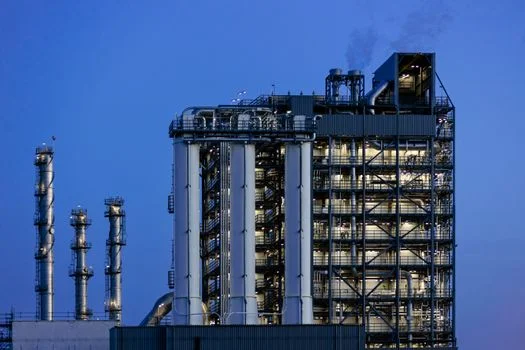
- Freshwater Reduction: The fab achieved a 45% reduction in freshwater withdrawal, decreasing consumption from an estimated 2,000 L/wafer to approximately 1,100 L/wafer.
- Fluoride Removal: The system consistently achieves 99% fluoride removal, with effluent concentrations well below 1 mg/L, meeting stringent discharge limits.
- TDS Removal: Total Dissolved Solids (TDS) removal exceeds 95%, resulting in treated water with less than 300 mg/L TDS, suitable for various reuse applications.
Frequently Asked Questions
What is the biggest challenge in wafer fab wastewater treatment design?
The biggest challenge is managing silica scaling (100–300 mg/L) and photoresist fouling (500–2,000 mg/L TOC), which can reduce RO membrane lifespan by 30–50% without advanced pretreatment strategies like MBR or chemical coagulation (per Top 1 scraped data).
How much does a 50 m³/h wafer fab wastewater treatment system cost?
The Capital Expenditure (CapEx) for a 50 m³/h system typically ranges from ¥5M–¥8M (approximately $700,000–$1.1M USD). Annual Operational Expenditure (OPEX) is around ¥1.5M–¥2M ($210,000–$280,000 USD), primarily driven by membrane replacement, energy consumption, and chemical costs.
What are the key contaminants in wafer fab wastewater?
Key contaminants include hydrofluoric acid (HF, 50–500 mg/L), silica (100–300 mg/L), Total Organic Carbon (TOC, 500–2,000 mg/L) from photoresist, and various heavy metals (e.g., aluminum, copper) and tetramethylammonium hydroxide (TMAH).
Can wafer fab wastewater be reused for process water?
Yes, hybrid zero liquid discharge (ZLD) systems can achieve 85–95% water reuse, producing high-quality treated water that meets stringent standards like SEMI S23 and the EU Industrial Emissions Directive for fluoride (<2 mg/L), TDS (<500 mg/L), and TOC (<50 mg/L), making it suitable for various process water applications.
What pretreatment methods work best for photoresist removal?
For effective photoresist removal, Membrane Bioreactors (MBR) achieve 90%+ TOC removal, while chemical coagulation using PAC or ferric chloride (at 50–200 mg/L dosage) can destabilize organic compounds. These are often combined with Dissolved Air Flotation (DAF) for efficient TSS removal, forming a robust hybrid pretreatment strategy.