Drinking water treatment plant troubleshooting involves identifying symptoms like low flow, high turbidity, or disinfection failure and applying targeted fixes, such as backwashing multi-media filters at 20–40 m/h loading rates or replacing fouled RO membranes when recovery drops below 85%. Field data indicates that 92–97% TSS removal is achievable with proper DAF maintenance (HydropureWater field data, 2025).
Common Symptoms in Drinking Water Treatment Systems
Municipal drinking water facilities report that over 60% of flow rate reductions are directly attributable to differential pressure spikes across filtration media exceeding 0.5 bar. Recognizing these symptoms early is crucial for B2B engineers and plant operators, as it can prevent a routine adjustment from becoming a total plant shutdown. Low flow rate is the most prevalent symptom, often caused by sediment buildup in intake screens or deep-bed filters. When the differential pressure across a multi-media filter exceeds the 0.5 bar threshold, the system consumes significantly more energy to maintain output, eventually leading to pump cavitation or mechanical failure.
High turbidity in the effluent is a critical failure point that signals a breakdown in the pretreatment or clarification stages. A high-performance system like the fully automated JY series water purification system is designed to target effluent levels of less than 3 mg/L, even when influent reaches 3,000 mg/L. If turbidity exceeds 5 NTU post-filtration, it typically points to failed coagulation chemistry or filter breakthrough where the media has reached its solids-holding capacity.
Disinfection failure is another high-stakes symptom, usually identified by residual Chlorine Dioxide (ClO₂) levels dropping below 0.2 mg/L. This not only risks microbial regrowth in the distribution network but also violates municipal safety standards. In plants utilizing Reverse Osmosis (RO), scaling or fouling is signaled by a 15% drop in permeate flow or a 10% increase in salt passage. These symptoms indicate that the chemical balance or the physical barrier of the system has been compromised, requiring immediate diagnostic logic to trace the root cause.
Root Cause Analysis: From Symptom to Source
Analysis of drinking water treatment failures reveals that 40% of membrane-based system downtime stems from pre-treatment bypass or chemical dosing inaccuracies. When flow rates drop at the intake, the source is frequently the GX series intake screens. In high-debris environments, failure to inspect the rake teeth or self-cleaning brushes every 72 hours can lead to organic matter and inorganic silt blinding the screen, starving downstream pumps, and causing a system-wide pressure drop.
Membrane fouling in RO or MBR systems is rarely a standalone issue; it is a symptom of upstream process failure. Biofouling is often triggered when Total Organic Carbon (TOC) levels exceed 2 ppm, providing a nutrient-rich environment for bacterial colonies. Scaling occurs when Calcium Carbonate (CaCO₃) levels exceed 50 mg/L without adequate antiscalant dosing. Colloidal fouling is measured via the Silt Density Index (SDI); if the SDI is greater than 5, the multi-media filters are likely underperforming or the coagulant dose is insufficient to aggregate fine particles.
Chemical dosing system failure is a frequent cause of turbidity spikes. Operators must check for clogged injector nozzles or incorrect pump strokes. If the coagulant dose falls below the calculated requirement—typically 20 mg/L for ferric chloride in standard municipal water—floc formation will be too fragile to settle in the clarifier. Similarly, Dissolved Air Flotation (DAF) system underperformance often traces back to micro-bubble collapse, which occurs if the saturator pressure drops below 4 bar or if the recycle flow falls below the target range of 15–30% of the influent.
Disinfection issues often originate in the generator's electrolytic or chemical reaction chamber. For plants using an on-site ClO₂ disinfection system with 50–20,000 g/h output, a drop in residual levels may be caused by electrode scaling or a depletion of precursor chemicals (such as NaClO₂ or HCl). The first step in the diagnostic chain is identifying whether the cause is mechanical (a pump failure) or chemical (precursor concentration).
Diagnostic Tools and Monitoring Parameters

Precise diagnostic monitoring in water treatment relies on real-time data integration, where turbidimeters must maintain a calibration accuracy of +/- 0.05 NTU to ensure regulatory compliance. Operators should utilize online turbidimeters calibrated weekly to monitor both influent and effluent streams. An action threshold of >5 NTU post-filtration should trigger an immediate investigation into the backwash frequency and coagulant dosing rates.
Differential pressure (ΔP) sensors effectively monitor filter health. By installing these sensors on filter vessels, operators can automate the backwash sequence. A ΔP exceeding 0.5 bar indicates that the media is saturated. In disinfection stages, amperometric probes are essential for monitoring ClO₂ residuals. Maintaining a range of 0.2–0.5 mg/L post-contact tank ensures microbial inactivation while preventing excessive chemical byproduct formation. For RO systems, tracking the Langelier Saturation Index (LSI) is mandatory; an LSI value greater than +0.5 indicates a high risk of CaCO₃ scaling, necessitating an adjustment in pH or antiscalant concentration.
| Parameter | Normal Range | Critical Threshold | Corrective Action |
|---|---|---|---|
| Effluent Turbidity | < 1.0 NTU | > 5.0 NTU | Increase coagulant dose; initiate backwash |
| Filter ΔP | 0.1 – 0.3 bar | > 0.5 bar | Execute 15-min backwash cycle at 20-40 m/h |
| ClO₂ Residual | 0.2 – 0.5 mg/L | < 0.1 mg/L | Clean generator electrodes; check precursor levels |
| RO SDI (Feed) | < 3.0 | > 5.0 | Inspect MMF media; check for coagulant carryover |
| DAF Pressure | 4.0 – 6.0 bar | < 3.5 bar | Adjust air compressor; verify recycle pump flow |
7 Field-Tested Troubleshooting Fixes
Field-tested troubleshooting protocols prioritize mechanical restoration, such as automated backwash cycles or CIP sequences, to recover design flux and removal efficiencies without full media replacement. The following are seven actionable fixes for common industrial water purification problems.
- Fix 1: Backwash Multi-Media Filters. When turbidity exceeds 5 NTU or ΔP crosses 0.5 bar, trigger an automated backwash. Use a PLC to manage 15-minute cycles every 24–48 hours at a loading rate of 20–40 m/h. For detailed steps, refer to this multi-media filter maintenance and backwash optimization guide.
- Fix 2: Clean RO Membranes via CIP. If permeate recovery drops below 85%, perform a Clean-In-Place (CIP). Use citric acid at pH 3.5 to remove inorganic scaling or 200 ppm Sodium Hypochlorite (NaOCl) for biofouling. Consult the industrial RO system troubleshooting guide for chemical concentration specifics.
- Fix 3: Restore DAF Performance. If micro-bubbles are not forming, adjust the saturator pressure to between 4 and 6 bar. Verify that the air-to-solids ratio is maintained at 1–2% to ensure TSS removal efficiency stays within the 92–97% range.
- Fix 4: Recalibrate Chemical Dosing. If floc formation is poor, perform a jar test to find the optimal dose (usually 20–40 mg/L of FeCl₃). Recalibrate the dosing pumps if the actual output deviates by more than 10% from the SCADA setpoint.
- Fix 5: Clear ClO₂ Generator Electrodes. For electrolytic models in operation for over 6 months, scale buildup on electrodes reduces efficiency. Flush the system with a 10% HCl solution to dissolve mineral deposits and restore the 50–20,000 g/h output capacity.
- Fix 6: Repair Sludge Recirculation. In lamella clarifiers, if surface loading exceeds 40 m/h, solids will carry over. Adjust the sludge return rate to target 20–40 m/h, which can result in up to 30% chemical savings by optimizing the "sludge blanket" effect.
- Fix 7: Restart MBR Membranes. For submerged MBR systems like the DF series, biofilm accumulation can cause transmembrane pressure (TMP) to spike. Implement air scouring at 0.2 m³/min per module to physically dislodge the biofilm and restore permeability.
Preventive Maintenance to Avoid Recurrence
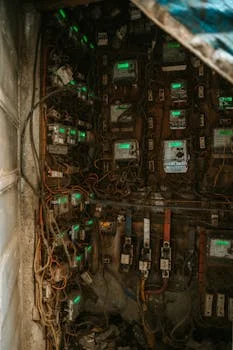
Preventive maintenance schedules that incorporate quarterly chemical cleaning and annual sensor validation reduce emergency repair costs by an average of 22% per annum (HydropureWater field data, 2025). Operators should schedule a quarterly CIP for the industrial reverse osmosis system regardless of current stability. This proactive approach prevents the irreversible compaction of foulants on the membrane surface, extending the total lifespan of the elements by 2 to 3 years.
Filter media in multi-media systems should be replaced every 3–5 years, as media grains become rounded and lose their angularity over time, reducing their ability to trap fine particles. Regular monitoring of the SDI will indicate when the media is no longer providing sufficient protection for downstream RO units. For disinfection systems, ClO₂ sensors must be calibrated monthly, and the generator membranes should be replaced annually to maintain strict EU and EPA compliance.
The integration of a fully automated JY series water purification system is an effective preventive measure. These units utilize PLC-controlled SCADA dashboards that allow operators to interpret real-time data trends. By setting "warning" thresholds slightly below "critical" thresholds, the system can automatically adjust dosing or backwash frequency before a failure occurs, ensuring 24/7 compliance and maximum uptime.
Frequently Asked Questions
What causes low flow in a drinking water treatment plant?
Low flow is typically caused by clogged GX series bar screens, filter media fouling, or pump failure. Engineers should first check the differential pressure across multi-media filters; if it exceeds 0.5 bar, a backwash is required.How do you fix high turbidity after filtration?
Verify the coagulant dose (typically 20–40 mg/L) via jar testing, initiate a filter backwash, and inspect lamella plates for alignment. The JY series is designed to reduce turbidity to <3 mg/L from influent levels as high as 3,000 mg/L.Why is my ClO₂ generator underperforming?
Common causes include electrode scaling, low precursor chemical concentration, or clogged dosing lines. Flushing the system with 10% HCl and verifying the feed pump calibration usually restores the rated output.What is the first step in troubleshooting RO systems?
Always check the feed water Silt Density Index (SDI). If the SDI is >5, the pre-filtration system (multi-media filters or cartridge filters) is failing, leading to rapid membrane fouling.How often should you maintain a DAF system?
Inspect the saturator and recycle pump weekly. The sludge hopper should be cleaned monthly, and micro-bubble size (target 20–50 μm) should be verified quarterly to maintain 92-97% TSS removal efficiency.