How to Treat High-Strength Organic Wastewater: 2026 Engineering Specs, Hybrid Systems & Zero-Discharge Compliance
High-strength organic wastewater (COD >2,000 mg/L) requires hybrid treatment systems to meet EPA discharge limits (<250 mg/L COD) and recover energy. Anaerobic membrane bioreactors (AnMBR) achieve 95% COD removal at hydraulic retention times (HRT) of 12–48 hours, while dissolved air flotation (DAF) systems remove 95%+ of fats, oils, and grease (FOG) pre-biological treatment. For zero-discharge compliance, integrated anaerobic-aerobic systems with membrane filtration deliver effluent suitable for reuse (COD <50 mg/L) and energy recovery up to 0.35 kWh/m³ of treated wastewater.What Defines High-Strength Organic Wastewater? COD, BOD, and Regulatory Thresholds
High-strength organic wastewater is characterized by contaminant concentrations significantly exceeding typical municipal sewage, specifically when Chemical Oxygen Demand (COD) is greater than 2,000 mg/L, Biochemical Oxygen Demand (BOD) exceeds 1,000 mg/L, or Fats, Oils, and Grease (FOG) surpasses 500 mg/L, according to EPA 2024 guidelines. Industrial sectors frequently generate wastewater within these parameters, leading to substantial challenges in treatment and compliance. For instance, food processing plants often produce wastewater with COD ranging from 3,000–20,000 mg/L, pharmaceutical manufacturing can generate effluent with COD between 5,000–50,000 mg/L, and pulp and paper mills typically see COD levels from 2,000–15,000 mg/L. These elevated concentrations necessitate robust treatment solutions to avoid severe regulatory penalties and operational surcharges. Regulatory bodies impose strict limits on discharged wastewater quality. The U.S. EPA National Pollutant Discharge Elimination System (NPDES) typically mandates COD levels below 250 mg/L for direct discharge, while the EU Urban Waste Water Treatment Directive (91/271/EEC) sets even tighter limits, requiring COD to be below 125 mg/L. In China, Grade I-A standards under GB 8978-1996 for sensitive areas require COD to be less than 100 mg/L. Beyond direct discharge limits, industrial facilities often face surcharges from municipal Publicly Owned Treatment Works (POTWs) when their wastewater influent exceeds specific thresholds, commonly triggered by BOD >300 mg/L or Total Suspended Solids (TSS) >350 mg/L (OOWA 2022). Understanding these benchmarks is critical for industrial buyers evaluating wastewater treatment systems to ensure both operational efficiency and regulatory adherence.| Parameter | High-Strength Definition (EPA 2024) | Typical Industry Ranges (COD mg/L) | Regulatory Discharge Limits (COD mg/L) |
|---|---|---|---|
| COD | >2,000 mg/L | Food Processing: 3,000–20,000 Pharmaceutical: 5,000–50,000 Pulp/Paper: 2,000–15,000 |
EPA NPDES: <250 EU Directive: <125 China GB I-A: <100 |
| BOD | >1,000 mg/L | — | EPA NPDES: <30 EU Directive: <25 China GB I-A: <20 |
| FOG | >500 mg/L | Dairy/Meat Processing: >1,000 | EPA NPDES: <100 EU Directive: <20 China GB I-A: <10 |
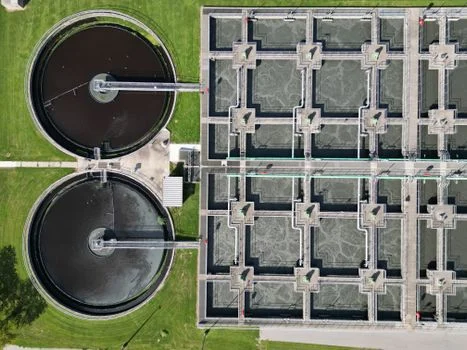
Treatment Mechanisms: How Anaerobic Digestion, Membrane Filtration, and DAF Work
Hybrid System Comparison: AnMBR vs. DAF-MBR vs. Integrated Anaerobic-Aerobic
Selecting the optimal hybrid wastewater treatment system for high-strength organic wastewater hinges on influent characteristics, desired effluent quality, available footprint, and economic considerations. Three prominent hybrid configurations offer distinct advantages: Anaerobic Membrane Bioreactors (AnMBR), Dissolved Air Flotation-Membrane Bioreactors (DAF-MBR), and Integrated Anaerobic-Aerobic systems. AnMBR systems are best suited for highly concentrated wastewater streams with COD ranging from 5,000–50,000 mg/L, particularly where energy recovery is a priority. These systems are typically energy-positive, recovering 0.3–0.35 kWh/m³ of treated wastewater, primarily through methane capture. However, AnMBR requires strict control of operational parameters, including maintaining a pH between 6.8–7.4 and a temperature of 30–37°C for optimal anaerobic microbial activity. The capital expenditure (CAPEX) for AnMBR systems is estimated between $1,200–$2,500/m³/day capacity (2026 market data). A typical AnMBR can reduce influent COD from 10,000 mg/L to approximately 300 mg/L, with effluent suitable for further aerobic treatment or discharge depending on local limits. DAF-MBR systems are specifically advantageous for FOG-rich wastewater, such as that originating from dairy, meat processing, or other food industries. The DAF unit effectively removes up to 99% of TSS and FOG pre-biological treatment, significantly protecting the downstream membrane bioreactor from fouling and enhancing its operational stability. While highly effective, the DAF unit adds to the overall system cost, increasing CAPEX by an estimated $800–$1,500/m³/day capacity. For instance, a DAF-MBR system treating wastewater with 3,000 mg/L COD and 1,000 mg/L FOG can achieve effluent quality of 150 mg/L COD and less than 10 mg/L FOG, enabling compliance with stringent discharge limits for fats and oils. Integrated anaerobic-aerobic systems, often incorporating membrane filtration as a final polishing step, are designed to achieve the highest effluent quality, making them ideal for water reuse applications. These systems can consistently deliver effluent with COD below 50 mg/L, meeting stringent water reuse standards like those outlined in EU Directive 91/271/EEC. The trade-offs include a larger physical footprint, typically requiring twice the space compared to compact AnMBR systems, and higher operational expenditure (OPEX), which can be up to 30% greater than AnMBR due to the energy demands of aerobic aeration. An integrated system starting with 15,000 mg/L COD can produce effluent with less than 50 mg/L COD and less than 5 mg/L BOD, suitable for industrial non-potable reuse. For a comprehensive integrated MBR system for high-strength organic wastewater, this approach offers superior discharge quality.| System Type | Key Advantage / Best For | Typical Influent Specs | Typical Effluent Specs | Estimated CAPEX (2026) | Relative OPEX | Footprint |
|---|---|---|---|---|---|---|
| AnMBR | Energy recovery, high COD (5,000-50,000 mg/L) | COD: 10,000 mg/L | COD: ~300 mg/L | $1,200–$2,500/m³/day | Low (energy positive) | Compact |
| DAF-MBR | FOG-rich wastewater (dairy, meat processing), TSS removal | COD: 3,000 mg/L FOG: 1,000 mg/L |
COD: ~150 mg/L FOG: <10 mg/L |
$2,000–$3,500/m³/day | Medium (chemicals) | Medium |
| Integrated Anaerobic-Aerobic (+Membrane) | Highest effluent quality for reuse, zero-discharge compliance | COD: 15,000 mg/L | COD: <50 mg/L BOD: <5 mg/L |
$1,500–$3,000/m³/day | High (aeration) | Large (2x AnMBR) |
Engineering Specs for 2026: Membrane Pore Size, HRT, and Loading Rates

| Parameter | AnMBR (Membrane) | DAF (Pre-treatment) | Integrated Anaerobic-Aerobic (Biological) |
|---|---|---|---|
| Membrane Type / Bubble Size | PVDF (0.1–0.4 μm pore) | Microbubble (30–50 μm) | N/A (Membrane optional post-aerobic) |
| Flux / Hydraulic Loading Rate | 10–20 LMH | 5–10 m³/m²/h | N/A (Internal HRT) |
| Hydraulic Retention Time (HRT) | 12–48 hours | Minutes (contact time) | Anaerobic: 24–72h Aerobic: 6–12h |
| Mixed Liquor Suspended Solids (MLSS) | 10–15 g/L | N/A | Anaerobic: 10–20 g/L (granular) Aerobic: 3–5 g/L (flocculant) |
| Fouling Mitigation (Membrane) | Air scouring: 0.2–0.4 m³/m²/h; Backwash: 1–2x/day; Chemical cleaning: NaOH 0.5% + NaOCl 0.2% | ||
Zero-Discharge Compliance: How to Meet EPA, EU, and China GB Standards
Achieving zero-discharge or near zero-discharge compliance for high-strength organic wastewater requires not only highly efficient treatment but also a deep understanding of evolving regulatory frameworks across different jurisdictions. The U.S. Environmental Protection Agency (EPA) National Pollutant Discharge Elimination System (NPDES) permits typically mandate discharge limits of COD <250 mg/L, BOD <30 mg/L, and TSS <30 mg/L (40 CFR 133.102). These benchmarks are foundational for any industrial facility discharging to surface waters or municipal sewers. In Europe, the EU Urban Waste Water Treatment Directive (91/271/EEC) imposes stricter limits, particularly for discharges into sensitive areas such as the Baltic Sea, requiring COD <125 mg/L and BOD <25 mg/L. These regulations often necessitate advanced secondary or tertiary treatment processes. China's GB 8978-1996 standard sets even more stringent requirements, with Grade I-A effluent quality requiring COD <100 mg/L and NH₄-N <5 mg/L for Grade I-B, reflecting a strong emphasis on protecting water resources in densely populated regions. To achieve water reuse or zero-discharge, post-treatment technologies are essential. Reverse Osmosis (RO) or Nanofiltration (NF) systems are commonly employed to remove dissolved salts and trace contaminants, achieving up to 90% water recovery with Total Dissolved Solids (TDS) typically below 50 mg/L, making the effluent suitable for various industrial processes or irrigation. For disinfection prior to reuse or discharge into sensitive environments, advanced oxidation processes or conventional methods like UV irradiation or on-site ClO₂ generation for effluent disinfection are effective, delivering 4-log virus removal and ensuring public health safety. Permit application requirements for high-strength wastewater treatment systems are comprehensive. They typically include detailed influent and effluent monitoring plans, robust sludge disposal strategies that may involve dewatering and beneficial reuse or secure landfilling, and documentation of any energy recovery from anaerobic systems. These stringent requirements underscore the need for integrated, compliant-ready system designs and meticulous operational management. Facilities aiming for water reuse can benefit significantly from a reverse osmosis (RO) water purification system to meet the highest quality standards.Cost Breakdown: CAPEX, OPEX, and ROI for High-Strength Wastewater Systems
| System Type | Estimated CAPEX (2026, per m³/day capacity) | Estimated OPEX (per m³) | Primary ROI Drivers | Typical Payback Period (Example) |
|---|---|---|---|---|
| AnMBR | $1,200–$2,500 | $0.20–$0.40 (membrane replacement) | Energy recovery ($0.08–$0.12/kWh), Surcharge avoidance | 4.5 years (1,000 m³/day plant) |
| DAF-MBR | $2,000–$3,500 | $0.30–$0.60 (chemicals for coagulation) | Surcharge avoidance ($0.50–$2.00/m³), Improved downstream stability | 5–7 years |
| Integrated Anaerobic-Aerobic (+Membrane) | $1,500–$3,000 | $0.25–$0.50 (aeration energy) | Water reuse ($0.20–$0.50/m³), Compliance, Surcharge avoidance | 6–8 years |
Frequently Asked Questions
Q: What’s the maximum COD an AnMBR can handle?
A: AnMBR systems are capable of treating extremely high-strength wastewater, handling Chemical Oxygen Demand (COD) concentrations up to 50,000 mg/L. To accommodate such high loads, the hydraulic retention time (HRT) must increase, potentially to 72 hours, and the Mixed Liquor Suspended Solids (MLSS) concentration may need to be elevated to 20 g/L, per 2024 EPA benchmarks for robust anaerobic processes.
Q: How often do MBR membranes need replacement?
A: The lifespan of MBR membranes varies depending on the material and operational conditions. PVDF (polyvinylidene fluoride) membranes, commonly used in industrial applications, typically require replacement every 5–7 years. Ceramic membranes, while having a higher initial capital expenditure (CAPEX), offer a longer lifespan, usually ranging from 3–5 years or more under optimal conditions.
Q: Can DAF remove dissolved COD?
A: No, Dissolved Air Flotation (DAF) is primarily designed to remove suspended solids, fats, oils, and grease (FOG) by physical separation. DAF systems are highly effective for particulate COD but do not remove dissolved COD, which requires subsequent biological treatment (anaerobic or aerobic) or advanced oxidation processes (AOP) for degradation.
Q: What’s the energy consumption of a 500 m³/day AnMBR?
A: A 500 m³/day AnMBR system typically has an energy consumption ranging from 0.8–1.2 kWh/m³ of treated wastewater. This includes energy for pumping, membrane scouring, and other ancillary equipment. However, if the influent COD is greater than 5,000 mg/L, the system can be net energy-positive, recovering 0.3–0.35 kWh/m³ through biogas production, thereby significantly offsetting or eliminating external energy demand.
Q: How do I size a DAF unit for 100 m³/h wastewater?
A: To size a DAF unit for a flow rate of 100 m³/h, you would typically use a standard hydraulic loading rate. Assuming an average hydraulic loading rate of 7.5 m³/m²/h (within the typical range of 5–10 m³/m²/h), the required DAF surface area would be calculated as 100 m³/h ÷ 7.5 m³/m²/h = 13.3 m². This corresponds to a common industrial DAF unit size, such as a 4m x 3.3m footprint.