How to Treat Organic Wastewater: 2026 Engineering Specs, Hybrid Systems & Zero-Discharge Compliance
Organic wastewater treatment in 2026 requires hybrid systems to meet zero-discharge compliance. For example, a food processing plant with 5,000 mg/L COD can achieve <50 mg/L effluent using a dissolved air flotation (DAF) system (95% TSS removal) followed by a membrane bioreactor (MBR) with 0.1 μm PVDF membranes (92-97% COD reduction). CAPEX ranges from $200K–$2M depending on flow rate (10–500 m³/h) and industry-specific contaminants. Key parameters: hydraulic retention time (HRT) of 6–12 hours for biological systems, membrane flux of 15–25 LMH for MBRs, and chemical dosing rates of 50–200 mg/L for coagulation-flocculation.
Why Organic Wastewater Treatment Fails Without Hybrid Systems
Industries generating high-organic-load effluents, such as food processing (COD 3,000–10,000 mg/L), pharmaceuticals (COD 5,000–20,000 mg/L), and textiles (COD 1,000–5,000 mg/L), frequently encounter significant challenges in meeting stringent discharge regulations. Single-process treatment methods often prove insufficient. Biological systems, while effective for moderate organic loads, can be overwhelmed by concentrations exceeding 10,000 mg/L COD, leading to process upset and incomplete degradation. Physicochemical methods, like coagulation and flocculation, excel at removing suspended solids and some dissolved organics but typically leave residual dissolved organic compounds, failing to meet advanced discharge standards. Consequently, facilities risk substantial fines and operational disruptions. For instance, a dairy plant recently faced annual fines exceeding $500,000 for consistently exceeding the EPA's 2026 limit of 250 mg/L COD for municipal discharge. The EU Urban Waste Water Directive 91/271/EEC also mandates a limit of 125 mg/L COD. Implementing a hybrid system, such as a DAF followed by an MBR, has demonstrated the capacity to reduce COD from 8,000 mg/L to below 50 mg/L, effectively mitigating these compliance risks and avoiding costly penalties.
A hybrid approach can help industries meet zero-discharge compliance and maximize water reuse.
Organic Wastewater Treatment Methods: Engineering Specs for 2026
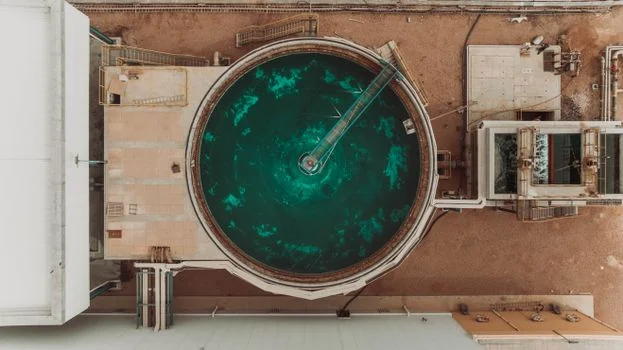
Selecting the appropriate technology for organic wastewater treatment hinges on a detailed understanding of its engineering specifications and performance benchmarks for 2026. Biological methods remain foundational, with aerobic systems typically requiring a hydraulic retention time (HRT) of 6–12 hours to achieve 85–95% COD removal. Anaerobic digestion, while often requiring longer HRTs of 12–24 hours, can achieve 70–90% COD removal and offers valuable biogas recovery at 0.3–0.5 m³ per kg of COD treated, contributing to energy neutrality. Physicochemical methods offer rapid contaminant removal. Dissolved air flotation (DAF) is highly effective for removing suspended solids, achieving 95% TSS reduction and 60–80% COD removal, often requiring chemical dosing of 50–200 mg/L for optimal performance. Coagulation-flocculation processes typically target 70–90% TSS removal and 50–70% COD removal, with pH adjustment in the range of 6–8 being critical. Membrane processes represent a significant advancement, with Membrane Bioreactors (MBR) utilizing 0.1 μm filtration to achieve exceptional 92–97% COD removal at membrane flux rates of 15–25 LMH. Reverse Osmosis (RO) is paramount for achieving high water purity, with >95% TDS removal and water recovery rates of 75–90%. Advanced Oxidation Processes (AOPs), such as UV/H₂O₂, are crucial for degrading recalcitrant organic compounds, offering >90% COD removal with energy consumption of 0.5–1.5 kWh/m³.
| Treatment Method | COD Removal % | TSS Removal % | Typical HRT | Energy Use (kWh/m³) | CAPEX Range ($/m³/h flow) |
|---|---|---|---|---|---|
| Aerobic Biological | 85–95% | 90–98% | 6–12 hours | 0.5–1.5 | $2,000–$5,000 |
| Anaerobic Biological | 70–90% | 80–90% | 12–24 hours | 0.2–0.8 (net gain with biogas) | $3,000–$7,000 |
| Dissolved Air Flotation (DAF) | 60–80% | 95%+ | N/A (contact time) | 0.3–0.7 | $1,500–$4,000 |
| Coagulation-Flocculation | 50–70% | 70–90% | N/A (mixing time) | 0.1–0.3 | $1,000–$3,000 |
| Membrane Bioreactor (MBR) | 92–97% | 99%+ | N/A (solids retention time) | 1.0–2.5 | $5,000–$15,000 |
| Reverse Osmosis (RO) | 98%+ (TDS) | 99%+ | N/A | 2.0–5.0 | $4,000–$12,000 |
| Advanced Oxidation Processes (AOPs) | 90%+ (recalcitrant) | N/A | N/A (residence time) | 0.5–1.5 | $6,000–$20,000 |
For advanced treatment and water reuse, HydropureWater offers robust solutions. Our DAF systems for 95%+ TSS and FOG removal can be integrated upstream of biological processes. For highly effective biological treatment and effluent polishing, integrated MBR systems with 0.1 μm PVDF membranes for 92–97% COD removal provide superior performance. To achieve zero liquid discharge, our RO systems for 95%+ water recovery and <10 mg/L TDS in zero-discharge applications are essential.
Hybrid System Designs for Zero-Discharge Compliance
Achieving zero-discharge compliance requires a combination of treatment technologies.Achieving zero-discharge compliance and maximizing water reuse necessitates the strategic integration of multiple treatment technologies into hybrid systems. For the food processing industry, a typical blueprint involves a DAF system for initial removal of fats, oils, and grease (FOG) and suspended solids, followed by an MBR to significantly reduce COD and BOD. The treated effluent from the MBR can then be fed into an RO system to achieve >90% water reuse and effluent quality below 50 mg/L COD and <10 mg/L TSS. For pharmaceutical wastewater, which often contains complex APIs and recalcitrant organics, a more tailored approach is required: coagulation-flocculation to remove suspended APIs, followed by an MBR for biodegradation. An AOP stage is then critical to address any remaining refractory compounds, ensuring effluent quality below 100 mg/L COD and <1 mg/L of specific APIs. Textile industry wastewater, characterized by high color and varying organic loads, benefits from a DAF system to remove dyes and suspended solids, an MBR for COD reduction, and finally an RO system for salt recovery and water reuse, achieving >85% water recovery with effluent color below 50 mg/L. These hybrid designs are engineered to meet stringent global standards, including EPA 40 CFR Part 403 (pretreatment standards), EU Directive 2000/60/EC (Water Framework Directive), and China's GB 8978-1996 (discharge limits). Key operational parameters for these hybrid systems include DAF loading rates of 5–10 m/h, MBR MLSS concentrations of 8,000–12,000 mg/L, and RO membrane flux rates of 15–25 LMH.
For comprehensive insights and industry-specific strategies, consult resources like the Food processing wastewater treatment specs and cost models for 2026. Additionally, explore hybrid DAF-RO-MB systems for rinse wastewater with 98% recovery, and understand hospital wastewater treatment specs for pharmaceutical and pathogen removal.
CAPEX and OPEX Breakdown for Organic Wastewater Systems (2026)
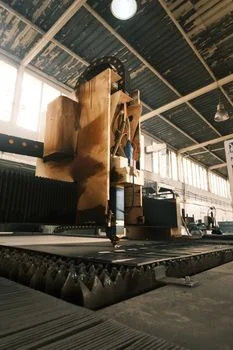
Procurement teams evaluating organic wastewater treatment systems require clear cost projections. For 2026, capital expenditure (CAPEX) for systems treating 10–50 m³/h typically ranges from $200,000 to $500,000, while larger systems handling 50–500 m³/h can range from $500,000 to $2 million. Operational expenditure (OPEX) is a critical consideration, with energy costs forming a significant portion, usually between $0.30 and $1.00 per cubic meter. Chemical consumption adds another $0.20–$0.80/m³, and membrane replacement for advanced systems like MBR and RO can range from $0.10 to $0.50/m³. Labor costs for operation and maintenance are estimated at $0.20–$0.70/m³. Industry-specific OPEX varies; food processing wastewater typically incurs costs of $0.80–$1.50/m³, pharmaceuticals $1.50–$2.50/m³ due to complex contaminants, and textiles $1.00–$2.00/m³ with dye and salt loads. Return on investment (ROI) drivers include significant savings from water reuse, estimated at $0.50–$2.00/m³, and potential revenue from biogas recovery in anaerobic systems ($0.10–$0.30/m³). the avoidance of fines, which can range from $50,000 to $500,000 annually, represents a substantial financial benefit.
| Flow Rate (m³/h) | CAPEX Range ($) | OPEX Range ($/m³) | Typical Payback Period (Years) |
|---|---|---|---|
| 10–50 | 200,000–500,000 | 0.80–1.50 | 3–7 |
| 50–200 | 500,000–1,500,000 | 1.00–2.00 | 2–6 |
| 200–500 | 1,000,000–2,000,000+ | 1.20–2.50 | 2–5 |
Selecting the Right System: A Decision Framework for Engineers
The selection process begins with characterizing the wastewater.The selection of an optimal organic wastewater treatment system is a multi-faceted process requiring a structured approach. Begin by thoroughly characterizing the wastewater: determine key parameters such as Chemical Oxygen Demand (COD), Total Suspended Solids (TSS), Fats, Oils, and Grease (FOG), salinity, pH, and temperature. For example, dairy wastewater typically presents with COD levels of 3,000–8,000 mg/L and FOG concentrations of 500–2,000 mg/L. Next, define clear compliance