The polymer dosing system working principle combines two controlled actions: activation of polyacrylamide concentrate into a fully uncoiled working solution, and metered injection of that solution ahead of thickening or dewatering. Correct activation and dosing typically deliver 92-98% TSS removal and 60-70% sludge volume reduction. Dose must stay inside a narrow band, because a polymer dose too high in water raises chemical spend without producing drier cake.
A mid-sized industrial plant recently ran belt-press cake at 15% solids against a 25% target. The landfill rejected the wet cake, and emergency hauling pushed disposal above $50 per ton. The press was sound; the fault was manual concentrate feed that could not deliver stable activation. Automating injection of PAM-based flocculants restored floc strength on plate and frame filter presses for optimized sludge dewatering.
Polymers bridge microscopic particles after charge neutralization, forming flocs large enough for solid-liquid separation. Polymer dosing in wastewater treatment spans three duties: thickening, conditioning ahead of dewatering, and tertiary solids capture. Earlier operator guidance cited 15-25% polymer savings after plants moved from manual to automated feed control.
According to WEF Residuals and Biosolids Conference proceedings (2023), two-point addition cut polymer demand by about 20% and three-point addition by about 30% under matched mixing. Cake solids held near 19% at one- and two-point feed and about 18% at three-point feed. The savings came from staging, not from any change in polymer grade.
Polymer Dosing System Working Principle: From Concentrate to Strong Floc
A polymer dosing system hydrates concentrate into a working solution, meters it within ±1% of setpoint, and injects it into solids-laden flow at 2-5 m/s. Controlled activation uncoils the chains, and stable metering holds dose in the band where flocs form at 92-98% TSS removal before dewatering.
Polymer Activation Process for Sludge Dewatering
The polymer activation process for sludge dewatering turns concentrated emulsion or powder into a dilute, homogeneous solution with fully extended chains. Liquid polymers hydrate in about 30-120 seconds inside a vortex mixer. Dry powders need 30-60 minutes of gentle agitation to uncoil; premature use leaves fish eyes, and hard shear breaks chains. Aging tanks sized for peak sludge flow rather than average flow keep solution ready during morning solids peaks.
Solution strength sits between 0.05% and 0.5% active depending on polymer form and dose demand. Mix energy must stay low, because a gradient high enough to shear chains cuts floc strength even at correct dose. Plants chasing a low polymer dosage sometimes cut concentration below the activation minimum, which wastes chemical instead of saving it. The safer economy comes from staged or multi-point addition, not from starving the hydration step.
Metering, Injection, and Control Stages
Downstream of makeup, a positive-displacement pump meters solution at 0.1-10 L/h with ±1% accuracy on liquid systems. Screw feeders on dry systems hold about ±3%. The injection block passes dilution water through a 1-3 mm orifice at 2-5 m/s, dispersing concentrate without the fish eyes that plug dose lines. Modern Automatic Chemical Dosing System packages add PLC plus VFD control with alarms for low chemical, pump fault, and lost dilution water, so night shifts stay compliant without constant attendance.
Polymer dosing in water treatment follows the same activation physics, though drinking-water grades must meet certification limits on residual monomer. In both duties, calibration against a 50-200 mL column keeps the PLC readout honest. Searches for polymer dosing pump wastewater hardware cluster around three specs: metering accuracy, wetted materials, and the pacing signal. Compare vendor datasheets on those three lines before any pilot.
Polymer Dosing System Engineering Specifications
Polymer dosing system engineering specifications come down to five synchronized components. Each one protects the chains either from shear damage or from staying coiled through under-mixing. Contextual guidance on polymer dosing helps operators size these parts before purchase. The table below lists the metric each component must hold.
1. Metering Pump: Positive-displacement piston or diaphragm pumps with VFD control are standard for liquid concentrate, covering 0.1-10 L/h at ±1% accuracy. Dry systems often use screw feeders at ±3% accuracy. Pumps need a 1-10 bar rating to overcome line losses.
2. Calibration Column: A transparent PVC or glass column of 50-200 mL lets operators check mL/min against the PLC readout, so polymer metering system calibration stays inside tolerance.
3. Retention and Mixing Vessel: Liquid polymers need about 30-120 seconds of mixing; dry powders need 30-60 minutes of hydration. HDPE or 304/316 stainless steel vessels are common. Vortex inlets convert hydraulic energy into mixing without mechanical shear.
4. Injection Block: A 2-5 m/s water jet through a 1-3 mm orifice activates concentrate and limits the fish eyes that clog downstream lines.
5. Control System: PLC logic with VFD pacing and alarms for low chemical, pump fault, and lost dilution water keeps the train compliant through unattended shifts. Most plants we size run flow-paced control rather than fixed time-paced strokes.
| Component | Technical Specification | Required Performance Metric |
|---|---|---|
| Metering Pump | Positive Displacement (Piston/Diaphragm) | ±1% Accuracy; 1-10 bar pressure |
| Injection Block | Venturi or High-Velocity Orifice | 2-5 m/s water velocity |
| Retention Tank | Vortex-design HDPE/SS316 | 30-120s (Liquid) / 30-60m (Dry) |
| Control Interface | PLC with VFD Integration | Proportional dosing capability |
Liquid vs Dry Polymer Dosing System Comparison
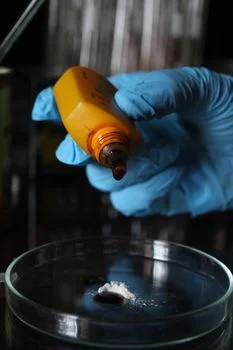
Engineers choose liquid (emulsion) or dry (powder) makeup from CAPEX, OPEX, and site limits. The polymer activation process differs enough between the two that footprint and labor plans change with the choice. A side-by-side polymer dosing system comparison clarifies when emulsion hardware is enough and when dry aging tanks pay back.
Liquid systems are generally 20-30% cheaper to install because they skip wetting heads, dust extraction, and large hydration tanks. They fit low-to-medium volume food or textile wastewater where operators need simple makeup. Chemical OPEX runs about 10-15% higher because freight includes carrier oil and surfactants. Liquid trains typically reach 95-98% TSS removal (HydropureWater field data, 2025).
Dry systems cost more to install but deliver the lowest cost per pound of active polymer. High-volume municipal dewatering and mining plants usually adopt them. Powder needs 30-60 minutes of gentle agitation to uncoil; early use wastes polymer, and hard shear breaks chains. Dry trains typically reach 92-96% TSS removal with lower long-term chemical spend.
Most plants we size for continuous duty above about 500 kg/day land on dry makeup once disposal is priced per hauled ton. Below that threshold, emulsion skids usually win on simplicity and footprint.
| Feature | Liquid (Emulsion) Systems | Dry (Powder) Systems |
|---|---|---|
| Dosing Accuracy | ±1% (High precision) | ±3% (Standard) |
| Hydration Time | Instant to 2 minutes | 30-60 minutes |
| Concentration Range | 0.1% - 0.5% | 0.05% - 0.2% |
| Capital Cost (CAPEX) | Lower (Compact footprint) | Higher (Includes wetting/aging tanks) |
| Operational Cost (OPEX) | Higher (Chemical unit price) | Lower (Active ingredient cost) |
| TSS Removal Rate | 95-98% | 92-96% |
How to Calculate Polymer Dose: Formulas and Field Adjustments
Optimizing wastewater treatment polymer consumption means leaving rule-of-thumb setpoints behind. Overdose wastes money and can blind filter media, while underdose leaves wet cake and poor capture. Start every setpoint with a jar test and convert the result:
Polymer Dose (mg/L) = (Jar Test Result in mg/L × Safety Factor) / Polymer Concentration %
Most industrial plants apply a safety factor of 1.1 to 1.3 for influent swings. For sludge dewatering on plate and frame filter presses for optimized sludge dewatering, dose is often stated on dry solids:
Dose (kg/ton Dry Solids) = (Jar Test Result × 10) / % Solids in Sludge
If a jar test shows 100 mg/L works on sludge at 2% solids (20 g/L), the dose is 5 kg polymer per ton dry solids. Below 10°C, viscosity rises and kinetics slow, so plants often raise dose 10-20%. When COD exceeds 1,000 mg/L, organic interference may require a higher active concentration for the same floc strength.
Polymer Dose Too High in Water: Signs and Fixes
Polymer dose too high in water shows up as sticky cake, blinded belts or cloths, cloudy filtrate after an initial clear period, and rising chemical use without higher cake solids. Capillary suction time (CST) curves are U-shaped: CST falls toward an optimum, then rises again when excess polymer restabilizes fines. Cut the feed 10% and re-check jar tests before changing polymer grade.
Manual setpoints drift far from that optimum. According to a WEFTEC 2023 study at DC Water Blue Plains, operators dosing by hand were overdosing polymer about 30% of the time. The same paper logged cake TS from 24 to 38% TS and filtrate TSS from 50 to 1530 mg TSS/L across variable digester feed on dewatering facilities commissioned in 2015.
At Blue Plains, belt-press polymer demand averaged 20 ± 5 lb per ton total solids across 2021-2024. Operator-focused optimization alone cut demand by about 10%. WEFTEC 2025 full-scale work estimated about another 10% savings by diluting batched emulsion from 0.25% to 0.18% active, and full-scale testing showed no significant differences in cake TS% or filtrate TSS. Those results confirm that many "more polymer" problems are really mixing and concentration problems.
When sticky cake appears after a solids spike, verify calibration column flow, dilution-water velocity at the orifice, and aging time before raising the setpoint. An overdose event after a pump rebuild often traces to a wrong stroke length or a VFD scaling error, not to a change in sludge chemistry.
Efficiency: TSS Removal, Sludge Volume, and Cost Savings
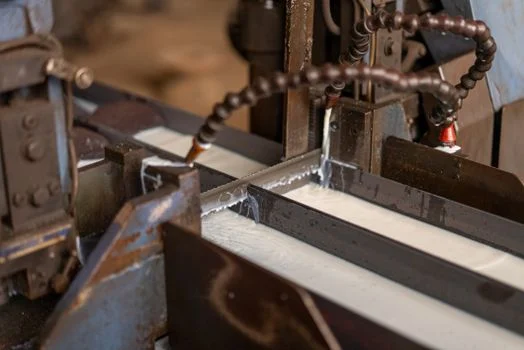
Return on sludge dewatering chemical dosing is measured in disposal tons and polymer kilograms, not pump runtime alone. Earlier project summaries cited about $45,000 annual disposal savings for municipal plants processing 100 m³/h through optimized dosing alone. Dryer cake drives that number, because each 1% rise in cake solids cuts hauled mass sharply. Liquid trains with a sound polymer activation process often hold 95-98% TSS removal; dry trains typically sit at 90-96% with lower chemical unit cost.
Taking 1% solids feed to a 25% solids cake removes about 96% of the water volume. Upstream sedimentation tanks for pre-treatment before polymer dosing lower the solids load on the press. Well-formed flocs need less press pressure, which eases feed pumps and hydraulics. Holding polymer retention time at least 60 seconds limits unreacted polymer in effluent and residual chemical in the discharge.
Which Clarifier Criteria Affect Polymer Dose?
Clarifier selection criteria change the solids concentration and particle charge that reach the polymer injection point. Primary clarifiers mainly drop settleable solids; secondary units handle lighter biological flocs; tertiary polishing aims at low effluent TSS before reuse or discharge. Higher underflow solids usually cut polymer mass per cubic meter but can raise dose per ton dry solids if EPS and colloids rise.
Size overflow rate and sludge withdrawal so the dewatering feed stays near the design percent solids used in jar tests. Energy-efficient sludge scrapers and short detention that still avoids septicity keep polymer demand stable. Poor sludge handling that returns dilute, variable underflow forces operators to chase setpoints and invites overdose during peaks.
Polymer Dosing System Troubleshooting Guide
This polymer dosing system troubleshooting guide covers the four faults operators meet most often. Weekly checks modeled on a boss solid solutions liquid polymer dosing tank operations manual style routine still need site-specific seal and orifice intervals. Operators who understand activation physics clear most faults without replacing hardware.
- Pump Calibration Errors: Wet cake while the PLC shows a high dose often means air in suction lines or worn seals. Incomplete polymer metering system calibration is a frequent root cause. Fix: Verify flow with the calibration column weekly and replace diaphragm seals about every 2,000 operating hours.
- Polymer Fouling: Falling flow or a clogged injection block usually means concentration is too high or dilution velocity has dropped. Fix: Flush with clean water for 15 minutes after each shift and keep injection water at least 1 bar above process line pressure.
- VFD and Control Malfunctions: Erratic speed or false alarms often track to voltage spikes or PLC faults. Fix: Ground the panel and shield the VFD from large-motor EMI.
- Incomplete Flocculation: Small, fragile flocs point to short polymer retention time or weak mixing energy. Fix: Raise dilution flow to extend retention or clear debris from the vortex inlet.
How to Select the Right Equipment: Decision Framework
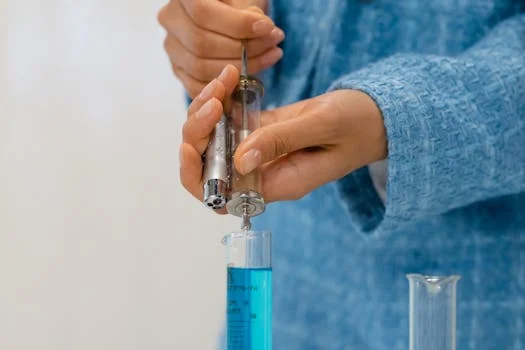
Procurement and lead engineers should score vendors against process duty and compliance needs (ISO 14001 and applicable EPA discharge permits). According to the US EPA, dewatering wastewater solids reduces the volume of residuals and the costs of subsequent storage, processing, transfer, end use, or disposal. That cost lens, not skid price, should drive scoring. Work through this checklist:
- Define the Application: Primary clarification, secondary thickening, or final dewatering? Dewatering needs higher active concentration and tougher pumps.
- Select Polymer Form: Prefer dry makeup above about 500 kg/day polymer continuous duty; prefer liquid for batch duty or tight footprints.
- Specify Hardware: Require ±1% liquid metering accuracy and 316 stainless wetted parts on corrosive streams. Include a VFD-controlled dosing pump for flow pacing.
- Pilot Test: Run a 2-4 week pilot on real influent before full-scale purchase; confirm TSS capture and cake dryness.
- Safety and Containment: Specify secondary containment and fail-safe alarms that match local rules.
- Lifecycle Cost: Model polymer $/ton dry solids plus disposal, not only skid CAPEX.
- Service Access: Confirm spare diaphragms, calibration ports, and remote alarm support.
| Selection Criteria | Low Volume / Batch | High Volume / Continuous |
|---|---|---|
| Recommended System | Liquid (Emulsion) | Dry (Powdered) |
| Material Choice | HDPE / PVC | SS304 / SS316 |
| Automation Level | Basic PLC | Advanced PLC with SCADA Integration |
| Maintenance Capacity | Low (Simple upkeep) | High (Requires regular cleaning) |
Who this is for: Plant engineers and EPC teams specifying flocculant feed for industrial or municipal dewatering. Who should look elsewhere: Sites that only need simple pH or coagulant feed without aging or emulsion makeup. Next step: Send sludge percent solids, target cake dryness, and average m³/d through the request a quote form so HydropureWater can match pump range and aging volume to your duty. Revisit the polymer dosing system working principle above whenever feed solids or temperature shift seasonally.
Frequently Asked Questions
How long does dry polymer need to hydrate before use?
Dry polymer typically needs 30 to 60 minutes of hydration before use. That aging time lets coiled powder expand into long bridging chains. Using solution too early creates fish eyes and wastes chemical; holding mixed solution beyond about 24 hours risks degradation and weaker flocs on the same dose setpoint.
What is the ideal accuracy for a flocculant dosing pump?
Industrial metering should hold about ±1% on liquid systems and about ±3% on dry feeders. That band matters because a 5% dose error can either waste polymer or miss TSS limits. Confirm accuracy with a calibration column against the PLC at normal discharge pressure, not only at atmospheric test flow.
Can temperature change flocculation performance?
Yes, water below 10°C raises polymer viscosity and slows the reaction with solids. Operators often extend polymer retention time or raise dose 10-20% to hold the same floc strength. Recheck jar tests after seasonal temperature shifts before locking annual setpoints into the PLC recipe.
What are the benefits of VFD-controlled dosing pumps?
VFD pumps pace chemical feed to wastewater flow or solids signal, so low-flow periods are not overdosed and peaks still meet capture targets. Plants commonly see 15-25% lower annual chemical use after proportional control replaces fixed stroke settings. Alarms on dry run and lost dilution water protect the same hardware.
How do you fix polymer dose too high in water quickly?
Reduce the active feed about 10%, confirm dilution concentration with titration or charge tests, and rerun a jar test on current sludge. Sticky cake with stable or falling dryness is a classic overdose signature. Restore orifice velocity and aging time before changing polymer type so you do not stack two corrections at once.
How is polymer dosing in water treatment different from wastewater?
Polymer dosing in water treatment must use certified drinking-water grades with residual monomer limits, while wastewater duty optimizes cost per ton of dry solids. Activation physics stays the same in both cases. Dose bands differ too: potable clarification usually runs below the 0.05%-0.5% solution range typical of dewatering makeup.
What is the best polymer solution concentration for dewatering?
Most belt-press and centrifuge trains run best between 0.1% and 0.25% active solution, confirmed by jar test or CST curve. According to WEFTEC work at Blue Plains, diluting batched emulsion from 0.25% to 0.18% cut demand about 10% with no significant differences in cake TS% or filtrate TSS. Test one step down before assuming your current strength is optimal.