A high-efficiency sedimentation tank is an advanced primary treatment system that removes 95%+ of total suspended solids (TSS) from industrial wastewater using micro-sand ballast (100–200 μm, 2–3 g/L) and inclined plates to accelerate gravity separation. Unlike conventional clarifiers, these tanks achieve surface loading rates of 20–40 m/h—up to 10x faster—while reducing chemical consumption by 30% and footprint by 70%. Ideal for industries with stringent discharge limits (e.g., semiconductor manufacturing, where effluent TSS must remain below 30 mg/L), they eliminate the need for secondary filtration stages, cutting CapEx by up to 40% (per HydropureWater 2024 benchmarks).
Why Conventional Sedimentation Tanks Fail Industrial Wastewater Treatment
Conventional sedimentation tanks consistently underperform in modern industrial wastewater treatment due to inherent design limitations, leading to compliance failures and elevated operational costs. These traditional systems are characterized by low settling velocities, typically achieving surface loading rates of only 1–3 m/h. This necessitates exceptionally large footprints, which can increase civil engineering costs by 30–50% compared to compact, high-efficiency alternatives. conventional clarifiers struggle to effectively remove fine particles, particularly those smaller than 50 μm, resulting in a maximum TSS removal efficiency of only 60–80%. This inadequacy often leads to severe compliance violations in industries with stringent discharge limits, such as microelectronics manufacturing, where effluent TSS must remain below 30 mg/L.
Another significant drawback is the high chemical consumption associated with conventional sedimentation. Due to inefficient floc formation and particle aggregation, these systems often require high polymer dosing, typically 5–10 mg/L, to achieve even moderate TSS removal. This translates to an increase in operational expenditure (Opex) of $0.15–$0.30/m³ treated wastewater. For example, a semiconductor plant in Suzhou, China, faced recurring fines totaling $200,000 per year for consistent TSS violations before upgrading its primary treatment system. This real-world scenario underscores the critical need for advanced sedimentation technologies that can meet modern industrial demands for both efficiency and regulatory adherence.
How High-Efficiency Sedimentation Tanks Achieve 95%+ TSS Removal: Engineering Mechanics
High-efficiency sedimentation tanks, often referred to as ballasted flocculation or micro-sand ballast sedimentation systems, achieve superior TSS removal by fundamentally altering the settling dynamics of suspended solids. The core innovation lies in the use of micro-sand ballast and inclined plates, which dramatically accelerate gravity separation.
The primary mechanism involves the introduction of micro-sand particles, typically 100–200 μm in diameter and with a density of 2–3 g/L. These sand particles act as a ballast, adsorbing to chemically destabilized suspended solids and forming significantly denser flocs. This increase in floc density, often 3–5 times that of conventional flocs, directly accelerates the settling velocity according to Stokes’ Law, which states that settling velocity (v) is proportional to the square of the particle radius and the density difference between the particle and the fluid (v = (2gr²(ρₚ–ρf))/(9η)). By increasing ρₚ, the settling rate is dramatically enhanced.
A second critical component is the integration of inclined plates, or lamellae, within the settling zone. These plates effectively increase the available settling area by 5–10 times within the same footprint, allowing for shallower settling depths. This design enables high-efficiency sedimentation tanks to achieve surface loading rates of 20–40 m/h, a substantial improvement over the 1–3 m/h seen in conventional clarifiers. For a more detailed engineering guide on inclined plate settlers, refer to our comprehensive article.
The process generally follows a three-stage sequence:
- Coagulation/Flocculation: Influent wastewater is introduced to a rapid mix zone where coagulants and polymers (typically 3–5 mg/L dosing) are added to neutralize charges and initiate floc formation.
- Micro-sand Adsorption: In a separate, gentle mixing tank, the micro-sand ballast is introduced and allowed to adsorb onto the developing flocs, creating dense, rapidly settling ballasted flocs.
- Inclined Plate Separation: The ballasted flocs then enter the lamella clarifier section, where they settle rapidly onto the inclined plates, sliding down into a sludge collection hopper at the bottom. The clarified effluent flows upwards and out of the system.
Optimizing performance further, HydropureWater high-efficiency sedimentation tanks often incorporate sludge recirculation, typically 10–20% of the total flow. This recirculated sludge, rich in micro-sand and active flocs, acts as a seed for new floc formation, improving overall flocculation efficiency and reducing fresh polymer consumption by approximately 30% compared to systems without recirculation. Pilot-scale studies confirm that optimizing hydraulic retention time (HRT) and sludge withdrawal time (SWT) is crucial for maximizing sedimentation efficiency and preventing solids re-entrainment. For robust and reliable industrial wastewater treatment, consider integrating a HydropureWater high-efficiency sedimentation tank.
| Parameter | Typical Range/Value | Units |
|---|---|---|
| Micro-sand Particle Size | 100–200 | μm |
| Micro-sand Dosage | 2–3 | g/L |
| Floc Density Increase | 3–5 | x (compared to conventional) |
| Lamella Plate Angle | 55–60 | degrees |
| Surface Loading Rate | 20–40 | m/h |
| Polymer Dosing | 3–5 | mg/L |
| Sludge Recirculation Rate | 10–20 | % of flow |
| Hydraulic Retention Time (HRT) | 5–15 | minutes (settling zone) |
High-Efficiency vs. Conventional Sedimentation Tanks: Performance, Cost, and Footprint Comparison
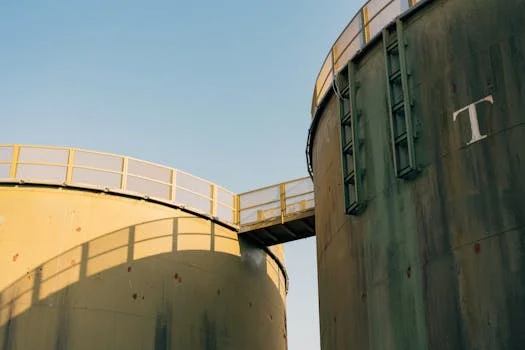
For industrial applications, the choice between high-efficiency and conventional sedimentation tanks involves a critical evaluation of performance metrics, capital expenditure (CapEx), and operational expenditure (Opex). High-efficiency systems consistently outperform conventional designs across key indicators, providing a compelling return on investment.
| Feature | High-Efficiency Sedimentation Tank | Conventional Sedimentation Tank |
|---|---|---|
| Surface Loading Rate | 20–40 m/h | 1–3 m/h |
| TSS Removal Efficiency | 92–97% | 60–80% |
| Footprint Required | 30–50 m² (for 100 m³/h flow) | 100–300 m² (for 100 m³/h flow) |
| Chemical Consumption (Polymer) | 3–5 mg/L | 5–10 mg/L |
| CapEx (System Cost) | 20–30% higher upfront for unit | Lower upfront for unit |
| Total System CapEx Impact | Up to 40% reduction (by eliminating secondary filtration) | Higher (often requires secondary filtration) |
| Opex Savings | $0.05–$0.10/m³ treated | Higher operational costs |
| Fine Particle Removal (<50 μm) | Excellent | Poor |
| Compliance with Stringent Limits | Achievable (e.g., <30 mg/L TSS) | Difficult without tertiary treatment |
While high-efficiency sedimentation tanks may have an upfront unit CapEx that is 20–30% higher than conventional clarifiers, this initial investment is quickly offset by substantial system-wide savings. By achieving 95%+ TSS removal in the primary stage, these advanced systems often eliminate the need for costly secondary filtration stages (e.g., sand filters), leading to an overall reduction in total system CapEx by up to 40%. This holistic view of capital expenditure is crucial for accurate ROI calculations.
Operational expenditure (Opex) savings are equally significant. High-efficiency systems reduce chemical consumption by optimizing floc formation and utilizing sludge recirculation, leading to $0.05–$0.10/m³ treated water savings (per HydropureWater 2024 benchmarks). their compact footprint reduces civil engineering and land acquisition costs, translating into long-term savings.
These benefits are particularly critical for industries with specific wastewater challenges:
- Microelectronics: Achieving effluent TSS below 30 mg/L is non-negotiable. High-efficiency tanks provide the precision required, reducing the load on subsequent ultrafiltration or reverse osmosis systems. For comprehensive engineering solutions for microelectronics wastewater compliance, explore our detailed blog.
- Pharmaceuticals: Effective COD reduction is often linked to efficient removal of suspended organic matter. High-efficiency sedimentation helps meet these targets by removing a broad spectrum of solids.
- Food Processing: Efficient removal of fats, oils, and grease (FOG) and suspended organic solids prevents downstream issues and helps meet discharge limits.
Selecting the Right High-Efficiency Sedimentation Tank: A Zero-Risk Decision Framework
Choosing the appropriate high-efficiency sedimentation tank is a strategic decision that requires a systematic approach to ensure optimal performance, cost-effectiveness, and regulatory compliance. A zero-risk decision framework minimizes the potential for costly mismatches and maximizes long-term operational success.
- Step 1: Define Influent Characteristics and Effluent Targets. Begin by thoroughly characterizing your industrial wastewater. This includes precise measurements of the TSS range (e.g., 50–1000 mg/L), particle size distribution (identifying the percentage of fine particles <50 μm), temperature, and pH. Concurrently, establish clear effluent targets, such as TSS <30 mg/L for semiconductor manufacturing or specific COD/BOD reduction percentages.
- Step 2: Calculate Required Surface Loading Rate. Determine the necessary surface loading rate based on your peak flow rate and desired TSS removal efficiency. High-efficiency tanks typically operate at 20–40 m/h. The formula
Q/A = surface loading rate(where Q is the flow rate and A is the effective settling area) can guide preliminary sizing. Ensure the selected system can handle expected flow variations while maintaining performance. - Step 3: Evaluate Micro-sand Ballast Options. Focus on the specifications of the micro-sand ballast system. Optimal performance typically requires sand particle sizes of 100–200 μm and a dosage of 2–3 g/L. Assess how the system manages sand recovery and replenishment, as this directly impacts floc density, settling velocity, and polymer savings.
- Step 4: Assess Footprint Constraints and Civil Engineering Costs. High-efficiency tanks offer significant footprint reduction (up to 70% less space than conventional systems). Calculate the available space and compare it against the required footprint for various high-efficiency models. Factor in potential civil engineering cost savings due to smaller tank dimensions and reduced excavation.
- Step 5: Request Pilot Testing for Chemical Dosing Optimization. A critical step to validate Opex savings and guaranteed performance is to request pilot-scale testing. This allows for precise chemical dosing optimization (e.g., determining the ideal 3–5 mg/L polymer dose) under actual influent conditions, confirming TSS removal efficiency and demonstrating operational stability before full-scale implementation. Consider integrating automatic chemical dosing systems for optimized flocculation.
Zero-Risk Selection Checklist: 10 Questions to Ask Suppliers
- What is the guaranteed TSS removal efficiency at our specific influent TSS range (e.g., 500 mg/L)?
- Can you provide a detailed mass balance for micro-sand and polymer consumption based on our wastewater characteristics?
- What is the minimum and maximum surface loading rate the system can handle while maintaining specified effluent quality?
- What are the typical operating and maintenance costs (Opex) per cubic meter of treated water, including chemicals, energy, and sand replenishment?
- Can you provide case studies from industries with similar wastewater profiles and discharge requirements?
- What is the expected lifespan of critical components (e.g., lamella plates, sand recirculation pumps)?
- How does the system handle variations in influent flow rate and TSS concentration (e.g., ±20% variation)?
- What are the civil engineering requirements and estimated costs for installation?
- Is a pilot plant available for on-site testing to validate performance and optimize chemical dosing?
- What is the typical lead time for manufacturing, delivery, and commissioning of a system matching our specifications?
Regulatory Compliance: How High-Efficiency Sedimentation Tanks Meet Global Discharge Standards
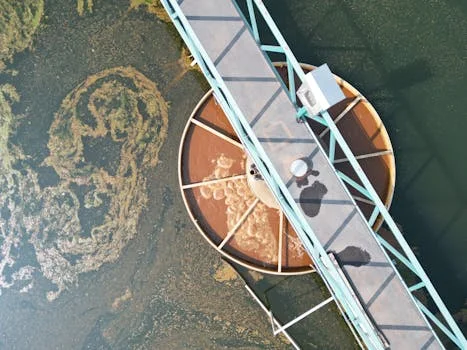
Meeting stringent wastewater discharge regulations is paramount for industrial facilities globally, with non-compliance leading to significant fines, operational shutdowns, and reputational damage. High-efficiency sedimentation tanks are engineered to consistently achieve the high levels of pollutant removal required by international and national standards, often without the need for extensive tertiary treatment stages.
For industries like semiconductor manufacturing, the EPA 40 CFR Part 469 (Semiconductor Manufacturing Point Source Category) mandates strict effluent limits, including TSS typically below 30 mg/L. High-efficiency sedimentation tanks excel in this context, consistently achieving 95%+ TSS removal from influent concentrations ranging from 50–500 mg/L, thereby providing a robust solution for compliance. This capability is crucial for facilities operating in regions with stringent environmental oversight.
In China, the GB 31573-2015 (Industrial Water Pollutant Discharge Standard for Semiconductor and Integrated Circuit Industry) sets similar demanding TSS limits, often below 70 mg/L for general industrial wastewater and even lower for specific processes. High-efficiency tanks, with their 92–97% TSS removal efficiency, are well-positioned to help industries meet these national standards, mitigating the risk of regulatory penalties.
The European Union's Urban Waste Water Treatment Directive 91/271/EEC, while primarily focused on municipal wastewater, often influences industrial discharge permits, particularly for facilities discharging into sensitive areas where TSS limits can be as low as 35 mg/L. High-efficiency sedimentation tanks can achieve these low TSS concentrations, significantly reducing the burden on any subsequent biological or advanced treatment steps, or even eliminating the need for some tertiary processes altogether.
A notable case study involves a pharmaceutical plant in Germany that struggled with high TSS in its process wastewater, consistently exceeding local EU-derived limits of 20 mg/L. After installing a high-efficiency sedimentation system, the plant successfully reduced its TSS from an average of 450 mg/L to a consistent 15 mg/L. This not only brought them into full compliance with EU regulations but also helped them avoid an estimated €500,000 per year in potential fines and surcharges for non-compliance, demonstrating the tangible financial benefits of investing in advanced treatment technologies.
Frequently Asked Questions
Here are answers to common questions about high-efficiency sedimentation tanks, addressing concerns from engineers, operators, and procurement teams.
- Q: What is the typical payback period for a high-efficiency sedimentation tank?
A: The typical payback period ranges from 18–36 months. This is primarily driven by significant Opex savings, estimated at $0.05–$0.10/m³ treated water due to reduced chemical and energy consumption, and the avoidance of substantial regulatory fines (e.g., $200,000 per year for TSS violations, as seen in some industrial scenarios). - Q: Can high-efficiency sedimentation tanks handle variable influent flows?
A: Yes, these systems are designed with flexibility. With features like internal sludge recirculation (typically 10–20% of the flow) and adjustable lamella angles, they can maintain high TSS removal efficiency (95%+) even with influent flow variations of ±20% from the design capacity. - Q: What maintenance is required for micro-sand ballast systems?
A: Maintenance is relatively straightforward. It primarily involves weekly micro-sand replenishment (0.1–0.2% of the total sand volume to account for minor losses) and monthly cleaning of the lamella plates to prevent biological fouling or scale buildup, as per manufacturer guidelines. - Q: Are high-efficiency sedimentation tanks suitable for high-temperature wastewater?
A: Yes, they can be used for high-temperature wastewater, but viscosity effects must be carefully accounted for during the design phase. Higher temperatures reduce water viscosity, which can theoretically improve settling; however, specific design adjustments, such as a slight reduction in the surface loading rate (e.g., by 10–15% for temperatures >50°C), may be necessary to ensure optimal performance and prevent turbulence. - Q: How do high-efficiency sedimentation tanks compare to DAF systems for FOG removal?
A: Dissolved Air Flotation (DAF) systems are generally superior for primary removal of fats, oils, and grease (FOG), often achieving >90% removal, especially when FOG is the predominant pollutant and has a density close to water. High-efficiency sedimentation tanks, while capable of some FOG removal as part of TSS, excel specifically at high (95%+) total suspended solids removal. DAF systems typically have higher Opex, around $0.15/m³ treated, compared to the $0.05/m³ for high-efficiency sedimentation tanks for TSS removal. For detailed information on DAF technology, explore our range of dissolved air flotation (DAF) machines.
Related Equipment
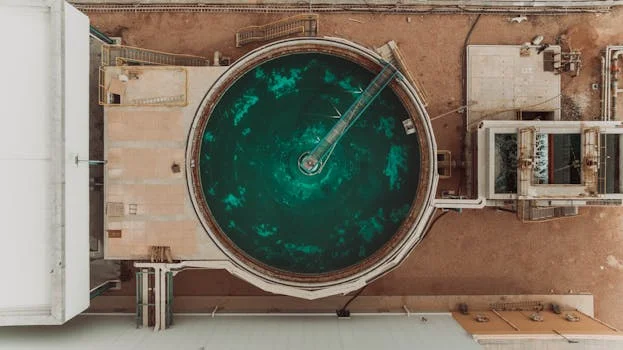
The following HydropureWater products are engineered for the wastewater challenges discussed above:
- HydropureWater high-efficiency sedimentation tanks — view specifications, capacity range, and technical data
- automatic chemical dosing systems for optimized flocculation — view specifications, capacity range, and technical data
Need a customized solution? Request a free quote with your specific flow rate and pollutant parameters.