Why Guayaquil Hospitals Need Specialized Wastewater Treatment in 2026
Ecuador’s Ministerial Agreement 097 (2021) and Regulation 037-2021 impose stricter limits on hospital effluent than municipal wastewater, requiring nitrogen levels below 10 mg/L to prevent eutrophication in the Guayas River. Guayaquil hospitals must treat wastewater to these limits while addressing medical-specific contaminants like pharmaceuticals, pathogens, and mercury. MBR systems with PVDF membranes (0.1 μm pore size) achieve 99.9% pathogen removal, while chlorine dioxide generators (50–20,000 g/h) provide residual-free disinfection. Turnkey systems cost $15,000–$35,000 per m³/h, with coastal corrosion requiring 316L stainless steel or epoxy-coated components to ensure structural integrity in the city's high-salinity environment.
Guayaquil’s coastal humidity, often exceeding 80%, accelerates corrosion in metal components like DAF skimmers and MBR frames, requiring 316L stainless steel or epoxy-coated carbon steel for long-term viability. A Guayaquil clinic faced $45,000 in fines in 2024 for exceeding pharmaceutical residues in effluent, according to Guayas Environmental Authority records. This scenario highlights a growing trend: generic sewage treatment is no longer sufficient for healthcare facilities. Hospital wastewater contains complex pollutants—including antibiotics, chemotherapy drugs, and norovirus—that pass through standard biological filters. mercury from dental amalgams and heavy metals from radiology departments require specialized sequestration techniques that municipal plants are not equipped to handle.
The operational risk in Guayaquil is compounded by the city's unique geography. High groundwater tables and seasonal flooding during the rainy season can lead to cross-contamination if onsite treatment systems fail. Engineers must prioritize compact hospital wastewater treatment systems for Guayaquil clinics that utilize modular designs and corrosion-resistant materials. By moving beyond generic sewage solutions, facility managers can mitigate the risk of catastrophic compliance failure and protect the local ecosystem of the Guayas River basin.
Ecuadorian Hospital Wastewater Standards: Regulation 037-2021 Limits and Compliance Gaps
Regulation 037-2021 mandates that hospital effluent must not exceed 100 CFU/100 mL for fecal coliforms, a standard that conventional primary treatment cannot achieve without tertiary disinfection. While municipal sewage limits are often more relaxed regarding nutrient discharge, hospitals in Guayaquil are held to a higher standard due to the "high-risk" nature of their biological and chemical loads. Monitoring requirements have intensified, with the Ministry of Environment increasing unannounced inspections by 15% in 2025 compared to previous years.
Pharmaceutical residues such as carbamazepine and diclofenac, along with heavy metals like mercury and chromium, are increasingly monitored by the Guayas Environmental Authority. Although specific numeric limits for every pharmaceutical compound are still evolving, the Ecuador Environmental Management Act (2004) allows for fines up to $50,000 if effluent is found to be toxic to aquatic life. Common compliance gaps include inadequate disinfection (residual chlorine falling below 0.5 mg/L), high Fats, Oils, and Grease (FOG) from hospital cafeterias, and excessive pharmaceutical concentrations from oncology wards. These gaps often stem from undersized systems or the use of generic equipment that lacks the precision dosing required for medical-grade treatment.
| Parameter | Regulation 037-2021 (Hospital) | Generic Municipal Limit | Typical Hospital Raw Influent |
|---|---|---|---|
| BOD5 (Biological Oxygen Demand) | < 30 mg/L | < 100 mg/L | 250–450 mg/L |
| TSS (Total Suspended Solids) | < 50 mg/L | < 80 mg/L | 200–400 mg/L |
| Total Nitrogen | < 10 mg/L | < 15 mg/L | 30–60 mg/L |
| Total Phosphorus | < 1 mg/L | < 5 mg/L | 5–15 mg/L |
| Fecal Coliforms | < 100 CFU/100 mL | < 1,000 CFU/100 mL | 10^6–10^8 CFU/100 mL |
To close these gaps, engineers are increasingly adopting ammonia-nitrogen removal strategies for hospital wastewater to meet the stringent <10 mg/L nitrogen limit. Quarterly effluent reports must now include detailed logs of chemical dosing and membrane integrity tests, making automated monitoring systems essential for modern Guayaquil healthcare facilities.
Hospital Wastewater Treatment Technologies: MBR vs. DAF vs. Chemical Disinfection for Guayaquil’s Contaminants
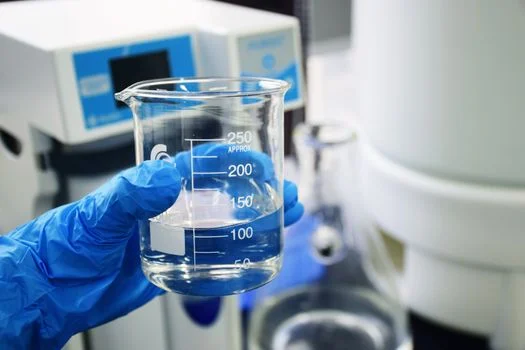
Membrane Bioreactor (MBR) systems utilizing PVDF membranes with 0.1 μm pore sizes provide a physical barrier against 99.9% of waterborne pathogens, including antibiotic-resistant bacteria. For Guayaquil’s hospitals, MBR systems for hospital wastewater in Guayaquil represent the gold standard because they combine biological degradation with high-efficiency filtration in a single footprint. This is critical for urban clinics where land is at a premium. These systems achieve 95% COD reduction, effectively managing the high organic loads typical of medical facilities.
Dissolved Air Flotation (DAF) systems are frequently deployed as a pretreatment stage to remove FOG (90–95% efficiency) and suspended solids (92–97%). This is particularly important for hospitals with large-scale kitchen operations. However, DAF requires precise pH adjustment (6–9) and the use of coagulants like polyaluminum chloride to effectively sequester pharmaceutical residues. In the coastal climate of Guayaquil, where turbidity often exceeds 50 NTU during rainy seasons, chlorine dioxide generators for hospital wastewater disinfection in Guayaquil outperform UV systems. Chlorine dioxide remains effective in high-turbidity water and provides a stable residual without the carcinogenic byproducts associated with traditional chlorine gas.
| Technology | Primary Target Pollutant | Removal Efficiency | Guayaquil-Specific Material Spec |
|---|---|---|---|
| MBR (PVDF Membrane) | Pathogens, Bacteria, COD | 99.9% Pathogens / 95% COD | 316L Stainless Steel Frames |
| DAF (Dissolved Air Flotation) | FOG, Suspended Solids | 90% FOG / 95% TSS | Epoxy-Coated Carbon Steel Tank |
| Chlorine Dioxide (ClO2) | Viruses, Antibiotic Residues | 99.99% Pathogen Kill | Titanium Reaction Chambers |
| Chemical Precipitation | Heavy Metals (Mercury/Cr) | 85–92% Efficiency | Anti-corrosive PVC Piping |
Hybrid systems, such as combining DAF with MBR and chlorine dioxide, are emerging as the preferred choice for oncology-focused hospitals. This configuration ensures that even persistent pharmaceutical compounds and phosphorus removal techniques for hospital effluent are fully addressed. Guayaquil’s coastal humidity increases scaling in chemical dosing systems; utilizing automatic anti-scaling injectors, such as those found in compact medical wastewater systems, can reduce maintenance requirements by up to 40%.
Cost Breakdown: Hospital Wastewater Treatment Systems in Guayaquil (2026 CAPEX/OPEX)
Hospital-grade wastewater treatment systems in Guayaquil command a 15–20% CAPEX premium over municipal systems due to the requirement for 316L stainless steel alloys to withstand 85% average coastal humidity. While a generic sewage plant might cost $12,000 per m³/h, a hospital-specific turnkey system ranges from $15,000 to $35,000 per m³/h. This increased initial investment is offset by a 30% reduction in long-term OPEX, as corrosion-resistant materials prevent the premature failure of skimmers, pumps, and structural frames.
The ROI for these systems is driven by three main factors: avoidance of Guayas Environmental Authority fines (up to $50,000 per violation), eligibility for Ecuador’s green tax credits (which can cover up to 25% of CAPEX), and water reuse savings. In Guayaquil, municipal water costs approximately $1.20/m³, whereas treated MBR effluent can be reused for non-potable applications at a cost of only $0.80/m³. For a 100-bed hospital, this can translate into annual savings of over $12,000 in water procurement alone.
| Expense Category | Percentage of Annual OPEX | Cost Driver for Guayaquil Hospitals |
|---|---|---|
| Energy Consumption | 40% | Aeration for MBR and DAF pumps |
| Chemical Dosing | 25% | ClO2 precursors and coagulants |
| Membrane Replacement | 15% | PVDF membrane lifespan (5–7 years) |
| Maintenance & Labor | 10% | Corrosion inspections and sensor calibration |
| Sludge Management | 10% | Dewatering and hazardous waste disposal |
A case study of a 50-bed Guayaquil hospital showed that switching from liquid chlorine to a chlorine dioxide generator reduced chemical-related maintenance by 22%. By eliminating the scaling issues caused by Guayaquil’s hard water and the corrosive nature of chlorine gas, the facility extended the life of its distribution piping by an estimated 10 years. Understanding how Bandung hospitals comply with Indonesian hospital wastewater standards can provide additional perspective on managing similar high-humidity, high-regulation environments.
How to Select a Hospital Wastewater Treatment System for Guayaquil: A Step-by-Step Framework
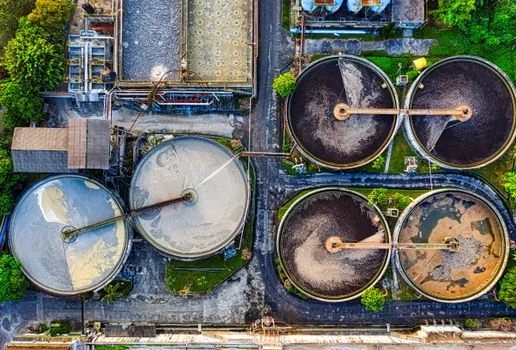
Selecting a hospital wastewater system in Guayaquil requires a multi-stage audit that accounts for a 2.5× surge in pharmaceutical concentrations typically found in oncology and infectious disease ward effluents. Facility managers must move beyond "one-size-fits-all" solutions to ensure long-term compliance with Regulation 037-2021.
- Audit Contaminants: Perform a comprehensive influent analysis using LC-MS for pharmaceuticals, PCR for pathogens, and ICP-MS for heavy metals. Standard BOD/TSS tests are insufficient for medical facilities.
- Size for Real-World Loads: Guayaquil hospitals generate between 0.5 and 1.2 m³/bed/day. Systems must be sized for peak flows, which often occur during mid-day clinical shifts.
- Specify Corrosion Resistance: Demand 316L stainless steel for all submerged components and epoxy-coated carbon steel for external tanks. In Guayaquil, standard 304 stainless steel will often show pitting within 24 months.
- Select Technology based on Pollutant Profile: Use MBR for pathogen and nitrogen removal, DAF for high FOG loads from kitchens, and Chlorine Dioxide for high-turbidity disinfection.
- Verify Automated Compliance Reporting: Ensure the system includes a PLC with data logging capabilities to simplify the quarterly effluent submissions required by the Ministry of Environment.
- Calculate Total Cost of Ownership (TCO): Factor in energy efficiency, chemical consumption, and the 25% green tax credit to determine the true ROI over a 10-year period.
"The transition to MBR and Chlorine Dioxide technology in Guayaquil is not just about compliance; it is about building resilient healthcare infrastructure that can withstand the corrosive coastal environment while protecting the city's water supply." — HydropureWater Engineering Field Report, 2025.
Frequently Asked Questions
What are the effluent limits for hospital wastewater in Guayaquil?
Ecuadorian Regulation 037-2021 requires hospital effluent to meet limits of <30 mg/L BOD, <50 mg/L TSS, <10 mg/L nitrogen, and <100 CFU/100 mL fecal coliforms. These standards are stricter than municipal limits to mitigate the risk of pharmaceutical and pathogen contamination.
How much does a hospital wastewater treatment system cost in Guayaquil?
Turnkey systems for hospitals typically cost between $15,000 and $35,000 per m³/h. The price includes a 15–20% premium for 316L stainless steel and other corrosion-resistant materials necessary for Guayaquil’s humid coastal climate.
What’s the best disinfection method for hospital wastewater in Guayaquil?
Chlorine dioxide generators are considered superior to UV or liquid chlorine for Guayaquil hospitals. They provide 99.9% pathogen kill even in high-turbidity wastewater (>50 NTU) and do not produce the harmful disinfection byproducts regulated by Ecuadorian law.
Can hospital wastewater be reused in Guayaquil?
Yes. Effluent treated via MBR systems typically meets the criteria for non-potable reuse (<10 mg/L BOD, <1 CFU/100 mL fecal coliforms). This water can be used for cooling towers, irrigation, and toilet flushing, potentially reducing a hospital's municipal water bill by 30–50%.
What materials resist corrosion in Guayaquil’s coastal climate?
For wastewater equipment in Guayaquil, 316L stainless steel is required for all components in direct contact with effluent. Epoxy-coated carbon steel is recommended for external structural elements, as standard paints and lower-grade steels fail rapidly in the 80%+ humidity levels.