Phosphorus wastewater treatment systems must achieve 95%+ removal to meet EPA and China GB 18918 standards (0.5–1 mg/L TP effluent). Hybrid designs—combining dissolved air flotation (DAF) for solids removal, chemical precipitation (aluminum/iron coagulants), and enhanced biological phosphorus removal (EBPR)—deliver the highest efficiency at 30% lower OPEX than standalone systems. For example, a textile plant treating 500 m³/day can reduce TP from 12 mg/L to <1 mg/L using a DAF + ferric chloride system with automated dosing, cutting sludge disposal costs by 25%.
Why Phosphorus Removal is Non-Negotiable: Environmental Risks and Regulatory Standards
Phosphorus (P) releases from anthropogenic activity are a primary driver of eutrophication in aquatic ecosystems, with up to 70% of UK river P pollution attributed to sewage discharges (Bowes et al., 2015). Elevated phosphorus levels lead to severe environmental degradation, including toxic algae blooms and subsequent oxygen depletion that causes widespread fish kills. Orthophosphates, a form of phosphorus immediately available for biological metabolism, can trigger harmful algal blooms at concentrations exceeding 0.02 mg/L, making their removal critical for ecological health.
Regulatory bodies worldwide have established stringent wastewater phosphorus standards to mitigate these impacts. In the United States, the EPA mandates total phosphorus (TP) effluent limits as low as 1 mg/L for sensitive watersheds. The EU Urban Waste Water Treatment Directive requires TP levels of 2 mg/L for plants serving over 10,000 population equivalents, tightening to 1 mg/L in sensitive areas. China's GB 18918 standard sets even more rigorous limits, ranging from 0.5 mg/L (Class IA) to 5 mg/L (Class II) depending on the industry and receiving water body. For instance, many industrial sectors must achieve 1 mg/L TP or lower.
Failing to meet these phosphorus removal efficiency targets incurs significant penalties. A food processing plant in Shandong, China, successfully reduced its TP from 15 mg/L to 0.8 mg/L using a DAF + chemical precipitation system, thereby avoiding an estimated $200,000 per year in regulatory fines and demonstrating the tangible benefits of effective phosphorus wastewater treatment system implementation.
Phosphorus Removal Mechanisms: Chemical vs. Biological vs. Hybrid Systems
Phosphorus removal from wastewater is primarily achieved through chemical precipitation, enhanced biological phosphorus removal (EBPR), or integrated hybrid systems, each leveraging distinct mechanisms tailored to specific influent characteristics and effluent goals. Chemical precipitation involves the addition of multivalent metal ions, such as aluminum (e.g., alum), iron (e.g., ferric chloride), or calcium (e.g., lime), which react with soluble orthophosphates to form insoluble precipitates (e.g., AlPO₄, FePO₄). This process typically operates most efficiently within a pH range of 5.5–7.0, and dosing rates are often based on a molar ratio of 1.5–3 moles of metal per mole of phosphorus (EPA 2024 guidance).
Enhanced Biological Phosphorus Removal (EBPR) harnesses the metabolic capabilities of polyphosphate-accumulating organisms (PAOs). These specialized bacteria uptake and store large quantities of phosphorus as polyphosphates under alternating anaerobic and aerobic conditions. The process typically requires a hydraulic retention time (HRT) of 6–12 hours and is highly dependent on the presence of volatile fatty acids (VFAs) in the influent, ideally maintaining a BOD/P ratio greater than 20:1. Without sufficient VFAs, PAOs cannot effectively compete or store phosphorus, leading to system failure.
Hybrid phosphorus wastewater treatment systems combine these technologies to achieve superior removal efficiencies and overcome the limitations of standalone approaches. For instance, integrating a high-efficiency DAF system for phosphorus and TSS removal can remove 80% of particulate phosphorus and suspended solids upstream. Subsequent chemical dosing then targets residual orthophosphates, while EBPR polishes the effluent to achieve stringent discharge limits below 1 mg/L. While chemical systems can produce 0.5–1 kg of sludge per kg of phosphorus removed, and EBPR can fail with low BOD/P ratios, hybrid designs leverage the strengths of each method. For example, DAF pre-treatment reduces the chemical demand and sludge volume for subsequent chemical steps, and biological polishing ensures robust compliance even with fluctuating influent loads, as evidenced by case data from advanced treatment facilities.
| Mechanism | Primary Target | Key Advantages | Key Limitations | Typical TP Effluent |
|---|---|---|---|---|
| Chemical Precipitation | Soluble Orthophosphates | High removal efficiency, rapid reaction, robust to shock loads. | High chemical costs, significant sludge production, pH adjustment often required. | 0.5–2 mg/L |
| Enhanced Biological Phosphorus Removal (EBPR) | Soluble Orthophosphates (via PAOs) | Lower chemical costs, reduced sludge production (compared to chemical), potential for resource recovery. | Sensitive to influent BOD/P ratio (>20:1 required), requires specific anaerobic/aerobic conditions, longer HRT. | <1 mg/L |
| Hybrid Systems (e.g., DAF + Chemical + EBPR) | Particulate P, Soluble Orthophosphates | Optimal removal efficiency (>95%), reduced OPEX, robust performance across diverse influents, lower sludge for chemical. | Higher CAPEX, increased operational complexity. | <0.5 mg/L |
Engineering Specs for Phosphorus Wastewater Treatment Systems: Dosing, Retention Times, and Sludge Production
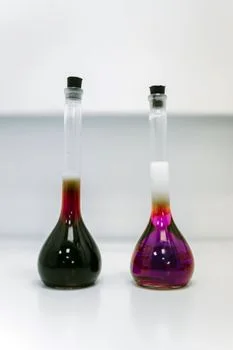
Effective design and operation of a phosphorus wastewater treatment system rely on precise engineering parameters, including coagulant dosing rates, optimal pH ranges, hydraulic retention times (HRT), and accurate sludge production estimates. These specifications are critical for sizing equipment, ensuring compliance, and managing operational costs.
For chemical precipitation, common coagulant dosing rates are: ferric chloride at 50–150 mg/L, alum at 100–200 mg/L, and lime at 200–400 mg/L (EPA 2024). The optimal pH range for these coagulants is crucial: ferric chloride performs best at pH 5.5–6.5, alum at pH 6.0–7.0, and lime at pH 10.5–11.5. Maintaining these pH levels often requires PLC-controlled chemical dosing skids for phosphorus removal to adjust coagulant feed based on real-time influent conditions.
Hydraulic retention times vary significantly by treatment stage. Dissolved air flotation (DAF) units typically require 10–30 minutes for effective solids and particulate phosphorus removal. Chemical precipitation processes, including rapid mix and flocculation, generally require 30–60 minutes. Enhanced biological phosphorus removal (EBPR) systems, with their alternating anaerobic and aerobic zones, demand a significantly longer HRT of 6–12 hours to facilitate adequate contact time for polyphosphate-accumulating organisms (PAOs).
Sludge production is a major operational consideration. Chemical precipitation typically generates 0.5–1 kg of dry solids per kilogram of phosphorus removed, a substantial volume that contributes significantly to disposal costs. In contrast, EBPR systems generate considerably less sludge, typically 0.1–0.3 kg of dry solids per kilogram of phosphorus removed, due to biomass being the primary P-carrier. While chemical systems alone can achieve effluent quality of 0.5–2 mg/L TP, hybrid systems, by leveraging multiple mechanisms, consistently achieve more stringent effluent quality, often below 1 mg/L TP, and in many cases below 0.5 mg/L (HydropureWater field data).
| Parameter | Ferric Chloride (Chemical) | Alum (Chemical) | Lime (Chemical) | DAF (Hybrid) | EBPR (Biological) |
|---|---|---|---|---|---|
| Typical Dosing Rate | 50–150 mg/L | 100–200 mg/L | 200–400 mg/L | N/A (coagulant may pre-dose) | N/A (biological process) |
| Optimal pH Range | 5.5–6.5 | 6.0–7.0 | 10.5–11.5 | 6.0–8.0 (optimal for flocculation) | 6.5–7.5 |
| Hydraulic Retention Time (HRT) | 30–60 min (for reaction/flocculation) | 30–60 min (for reaction/flocculation) | 30–60 min (for reaction/flocculation) | 10–30 min | 6–12 hours |
| Sludge Production (kg dry solids/kg P removed) | 0.5–1.0 | 0.5–1.0 | 0.5–1.0 | Primarily TSS removed (0.01–0.03 kg TSS/m³ treated) | 0.1–0.3 (P-rich biomass) |
| Typical TP Effluent (mg/L) | 0.5–2.0 | 0.5–2.0 | 0.5–2.0 | Reduces particulate P by 80%+ | <1.0 |
Hybrid System Designs: Integrating DAF, Chemical Precipitation, and Biological Treatment
Integrating multiple treatment technologies into hybrid system designs optimizes phosphorus removal efficiency, reduces operational costs, and ensures robust compliance with stringent discharge standards. These systems leverage the strengths of each component to address different forms of phosphorus and solids in industrial and municipal wastewater.
A common and highly effective hybrid approach combines high-efficiency DAF systems for phosphorus and TSS removal with chemical precipitation. DAF units are exceptionally good at removing suspended solids, fats, oils, greases, and particulate phosphorus, often achieving over 80% removal. Following DAF, chemical dosing targets the remaining soluble orthophosphates, leading to overall phosphorus removal efficiencies exceeding 90%. For example, a textile plant in Zhejiang utilizing a DAF + chemical precipitation system successfully reduced its influent TP from 12 mg/L to 1.2 mg/L, meeting local discharge limits (HydropureWater case study, 2023). This approach is particularly effective for industries with high suspended solids and varying phosphorus loads.
Another powerful hybrid configuration integrates DAF with Enhanced Biological Phosphorus Removal (EBPR). By pre-treating with DAF, the organic load is partially reduced, and particulate P is removed, which can then reduce the chemical demand in subsequent polishing steps by up to 40%. This system is ideal for influent streams rich in volatile fatty acids (VFAs), such as those from food processing, enabling the EBPR stage to achieve effluent TP concentrations below 1 mg/L with minimal chemical usage. For additional insights into regional compliance strategies, consider reviewing regional compliance strategies for industrial wastewater.
For applications demanding near-reuse-quality effluent, the combination of an MBR system for near-reuse-quality phosphorus removal with chemical dosing is highly effective. MBRs provide superior solids separation and nitrification, producing an effluent with very low TSS and turbidity. When followed by precise chemical dosing, this setup can achieve TP levels below 0.5 mg/L, making the treated water suitable for industrial reuse, as seen in semiconductor manufacturing or other high-purity applications. For specific challenges in food processing wastewater, refer to phosphorus removal in food processing wastewater.
A typical process flow diagram for a comprehensive hybrid phosphorus wastewater treatment system includes: Influent → Screening → Equalization → DAF (for TSS and particulate P removal) → Anaerobic Tank (VFA release for EBPR) → Aerobic Tank (EBPR and nitrification) → Anoxic Tank (denitrification) → Chemical Dosing (for orthophosphate polishing) → Secondary Clarification/Filtration (if not MBR) → Disinfection → Effluent. Automation is key to the efficiency of these systems; PLC-controlled dosing systems, such as HydropureWater’s skids, automatically adjust coagulant feed rates based on real-time influent TP sensor data, optimizing chemical consumption and ensuring consistent compliance.
Cost Breakdown: CAPEX, OPEX, and ROI for Phosphorus Treatment Systems
Understanding the capital expenditure (CAPEX), operational expenditure (OPEX), and return on investment (ROI) is crucial for procurement teams evaluating phosphorus wastewater treatment system options. These financial metrics directly influence project feasibility and long-term sustainability.
CAPEX varies significantly based on system complexity and capacity. A DAF + chemical precipitation system for a medium-sized industrial plant typically ranges from $150,000 to $500,000. More advanced systems, such as MBR + chemical dosing, which provide higher effluent quality for reuse, can incur CAPEX between $400,000 and $1.2 million. Standalone EBPR systems, while having lower operational costs, still represent a significant initial investment, ranging from $200,000 to $600,000.
OPEX is driven primarily by chemical costs, sludge disposal, and energy consumption. Coagulants represent a major recurring expense, with costs typically ranging from $0.50 to $2.00 per cubic meter of treated wastewater, depending on influent phosphorus concentration and coagulant type. Sludge disposal costs, which include dewatering and hauling, can range from $0.10 to $0.30 per kilogram of dry solids. Energy consumption, particularly for DAF systems, typically falls between 0.2–0.5 kWh/m³, while MBR systems have higher energy demands for membrane aeration and filtration.
Hybrid phosphorus wastewater treatment systems often demonstrate a strong ROI by significantly reducing OPEX compared to standalone chemical systems, with HydropureWater internal data indicating a potential 30% reduction. This saving is primarily due to optimized chemical dosing and reduced sludge volumes. For instance, a 1,000 m³/day food processing plant achieved annual savings of $80,000 by transitioning from high-dose alum to more efficient ferric chloride with an automated dosing system, highlighting the economic benefits of optimized chemical selection and control. China's Green Loan Program, as of 2024 (MEE), offers preferential interest rates (3–5%) for phosphorus removal upgrades, providing financial incentives for adopting advanced treatment technologies.
| System Type | Typical CAPEX (USD) | Primary OPEX Drivers | Estimated OPEX Reduction (vs. standalone chemical) |
|---|---|---|---|
| DAF + Chemical Precipitation | $150,000 – $500,000 | Coagulants, sludge disposal, DAF energy | 5–15% (due to DAF reducing chemical/sludge) |
| Enhanced Biological Phosphorus Removal (EBPR) | $200,000 – $600,000 | Aeration energy, minor chemical for polishing, sludge disposal | 20–30% (lower chemical and sludge) |
| MBR + Chemical Dosing | $400,000 – $1,200,000 | Membrane replacement, aeration, coagulants, sludge disposal | 10–20% (higher CAPEX, but superior effluent for reuse value) |
| DAF + Chemical + EBPR (Hybrid) | $300,000 – $900,000 | Coagulants (reduced), aeration, sludge disposal (reduced) | 30% (optimal balance of chemical, biological, and physical) |
Compliance Checklist: Meeting EPA, EU, and China GB 18918 Standards
Meeting global phosphorus discharge limits requires a systematic approach to system design, operation, and continuous monitoring. Engineers and plant managers must navigate specific regional and national regulations to ensure their phosphorus wastewater treatment system is fully compliant, avoiding fines and environmental penalties.
In the United States, the EPA often sets total phosphorus (TP) effluent limits as low as 1 mg/L for discharges into sensitive watersheds, such as those draining into the Chesapeake Bay. These limits are typically enforced through National Pollutant Discharge Elimination System (NPDES) permits, which mandate regular reporting and often require quarterly TP testing.
The European Union's Urban Waste Water Treatment Directive specifies TP limits of 2 mg/L for wastewater treatment plants serving a population equivalent (PE) greater than 10,000, and 1 mg/L for discharges into designated sensitive areas. Member states implement these directives through national legislation, requiring operators to demonstrate consistent compliance.
China's GB 18918 standard, "Discharge Standard of Pollutants for Municipal Wastewater Treatment Plant," establishes a tiered approach to TP limits based on the discharge class and receiving water body. Class IA facilities must achieve 0.5 mg/L TP, Class IB facilities 1 mg/L TP, and Class II facilities 3 mg/L TP. Specific industrial sectors, such as food processing, may have additional, more stringent requirements, often mandating 1 mg/L TP. Compliance is rigorously enforced by the Ministry of Ecology and Environment (MEE), with discharge permits requiring continuous monitoring and reporting.
Continuous monitoring is a critical component of compliance. Online TP analyzers, such as the Hach Phosphax sc, are often required for real-time data collection, enabling operators to identify and address excursions promptly. Regular calibration and maintenance of these instruments are essential for data accuracy. Beyond TP, monitoring pH, TSS, and flow rates provides a comprehensive understanding of system performance. Permitting processes typically involve detailed engineering plans, performance guarantees, and ongoing reporting to ensure that the installed phosphorus wastewater treatment system consistently meets all specified discharge criteria.
Frequently Asked Questions
What’s the best coagulant for phosphorus removal?
Ferric chloride (FeCl₃) is generally the most cost-effective coagulant for industrial wastewater phosphorus removal, operating optimally at pH 5.5–6.5. It forms dense flocs and is effective across a wide range of influent conditions. Alum (aluminum sulfate), performing best at pH 6.0–7.0, is often preferred for municipal plants due to its lower sludge volume and suitability for drinking water applications, though it can be more expensive than ferric chloride.
Why does my biological phosphorus removal system fail?
Enhanced Biological Phosphorus Removal (EBPR) systems commonly fail due to an insufficient BOD/P ratio in the influent, which ideally needs to be greater than 20:1. A deficiency in volatile fatty acids (VFAs), which are crucial carbon sources for polyphosphate-accumulating organisms (PAOs), is a primary cause. Test your influent for VFA concentration; a target of 50–100 mg/L as acetate is typically required for robust EBPR performance. Other factors include dissolved oxygen intrusion in anaerobic zones or toxic shock loads.
How do I reduce sludge production in chemical precipitation?
To reduce sludge production in chemical precipitation, optimize coagulant dosing to avoid overtreatment. Implementing pre-treatment steps like DAF can remove particulate phosphorus and suspended solids, thereby reducing the chemical load. Additionally, using polymer flocculants (e.g., polyacrylamide) in conjunction with primary coagulants can significantly improve flocculation and settling, leading to a denser sludge and reducing overall sludge volume by 20–30%.
Can I reuse phosphorus from wastewater?
Yes, phosphorus recovery from wastewater is an increasingly important strategy for resource management and sustainability. Struvite (magnesium ammonium phosphate, MgNH₄PO₄·6H₂O) recovery systems can capture 80–90% of phosphorus, along with nitrogen, from concentrated sidestreams (e.g., anaerobic digester supernatant). The recovered struvite is a slow-release fertilizer that can be directly applied in agriculture (US.gov review, 2021), offering both environmental and economic benefits.
What’s the minimum footprint for a phosphorus treatment system?
The required footprint for a phosphorus wastewater treatment system varies significantly by technology. DAF + chemical precipitation systems are relatively compact, typically requiring 0.5–1 m²/m³/day of treated wastewater. MBR (Membrane Bioreactor) systems, known for their high biomass concentration and superior effluent quality, offer the smallest footprint, often needing only 0.2–0.4 m²/m³/day (HydropureWater data), making them ideal for sites with limited space, such as urban industrial facilities. For further details on compact solutions, explore nickel wastewater treatment specs and compliance strategies which often require compact designs.