Utrecht’s Regulatory Landscape: What Industrial Facilities Must Know in 2025
Industrial facilities in Utrecht must navigate a stringent regulatory environment to ensure compliance with wastewater discharge permits, particularly as effluent limits tighten in anticipation of 2025 mandates. The **Dutch Urban Waste Water Directive 91/271/EEC** sets foundational standards for treated wastewater, stipulating limits of 125 mg/L for Chemical Oxygen Demand (COD), 25 mg/L for Biochemical Oxygen Demand (BOD), and 35 mg/L for Total Suspended Solids (TSS). For sensitive areas, these extend to nutrient removal, with targets of 10 mg/L nitrogen (N) and 1 mg/L phosphorus (P).
Utrecht’s own municipal wastewater treatment plant, upgraded with advanced **Nereda technology**, now serves as a regional benchmark. This facility achieves exceptional nutrient removal, consistently meeting standards of 5 mg/L for total nitrogen and 0.5 mg/L for total phosphorus. These advanced municipal capabilities are increasingly mirrored in private industrial discharge permits, especially for facilities discharging into the Amsterdam-Rijnkanaal corridor, as highlighted in projects overseen by the Water Authority Stichtse Rijnlanden. Failure to meet these evolving standards carries significant financial repercussions. Under the Dutch Environmental Management Act, non-compliance can result in substantial annual fines, potentially reaching €100,000, with repeated offenses risking operational shutdowns.
The permitting process for industrial wastewater treatment systems in Utrecht typically spans 6 to 12 months. To ensure alignment and streamline approvals, proactive engagement with the Water Authority Stichtse Rijnlanden is highly recommended. Scheduling pre-application meetings at least six months prior to submission is crucial for understanding the latest permit templates and specific requirements for 2025.
| Parameter | Dutch Urban Waste Water Directive 91/271/EEC Limit (mg/L) | Utrecht Municipal Benchmark (Nereda) (mg/L) | Potential Industrial Permit Requirements (mg/L) |
|---|---|---|---|
| COD | 125 | N/A | 25-125 (sector-dependent) |
| BOD | 25 | N/A | 10-25 (sector-dependent) |
| TSS | 35 | N/A | 10-35 (sector-dependent) |
| Nitrogen (N total) | 10 (sensitive areas) | 5 | 5-10 (sensitive discharge points) |
| Phosphorus (P total) | 1 (sensitive areas) | 0.5 | 0.5-1 (sensitive discharge points) |
Matching Wastewater Contaminants to Treatment Technologies: A Utrecht-Specific Decision Framework
Identifying the most effective wastewater treatment technology for your Utrecht facility hinges on a thorough understanding of your effluent's contaminant profile. Different industrial sectors generate distinct wastewater characteristics, necessitating tailored solutions. HydropureWater offers a range of technologies, each optimized for specific pollutant removal challenges common in the Utrecht region.
For the food processing sector, high concentrations of Fats, Oils, and Grease (FOG) and suspended solids are typical. A Dissolved Air Flotation (DAF) system, such as the Utrecht-optimized DAF system for FOG and TSS removal, is highly effective, achieving 92–97% FOG removal and 85–95% TSS removal. These systems are scalable, handling flow rates from 4 to 300 m³/h, making them suitable for various facility sizes.
In chemical manufacturing, the focus shifts to reducing Chemical Oxygen Demand (COD) and removing heavy metals and recalcitrant organic compounds. An MBR system for near-reuse-quality effluent in chemical manufacturing is often the preferred choice. While standard MBRs can achieve COD levels below 10 mg/L and 99% pathogen removal, effective heavy metal removal requires an integrated approach involving pH adjustment and chemical precipitation, facilitated by an **PLC-controlled chemical dosing system for pH adjustment and metal precipitation**.
Textile mills often contend with dyes, surfactants, and nutrient loads from washing and finishing processes. Sequencing Batch Reactors (SBRs) are well-suited for handling variable industrial loads and can achieve 80–90% nitrogen and phosphate removal. However, SBRs typically require a 20–30% larger footprint compared to MBR systems, a consideration for space-constrained sites.
For facilities with significant space limitations, Nereda technology offers a compact footprint, reducing space requirements by up to 50% compared to conventional activated sludge processes. This technology is renowned for its ability to meet stringent nutrient limits, achieving total nitrogen levels of 5 mg/L and total phosphorus of 0.5 mg/L, aligning perfectly with Utrecht’s municipal standards and suitable for sensitive discharge points.
Often, the most robust and cost-effective solution involves hybrid systems. For food processing, a combination of DAF and MBR can yield remarkable results. Such a configuration can achieve up to 98% water recovery, enabling significant reuse in applications like cooling towers or non-potable process water. This not only conserves water resources but can reduce municipal sewer fees by up to 40%, providing a substantial financial benefit.
| Contaminant Profile | Primary Target Pollutants | Recommended HydropureWater Technology | Typical Removal Efficiencies (mg/L or %) | Footprint Consideration | Utrecht Sector Examples |
|---|---|---|---|---|---|
| Food Processing | FOG, TSS, BOD | DAF System | FOG: 92-97% TSS: 85-95% |
Moderate | Dairy, Meat Processing, Bakeries |
| Chemical Manufacturing | COD, Heavy Metals, Organics | MBR System (DF Series) + Chemical Dosing | COD: <10 Pathogens: 99% Metals: >95% (with pre-treatment) |
Compact | Pharmaceuticals, Specialty Chemicals |
| Textile Mills | Dyes, Nutrients, COD | SBR System or MBR System | N: 80-90% P: 80-90% COD: 70-90% |
Larger (SBR), Compact (MBR) | Dye Houses, Fabric Finishing |
| General Industrial | BOD, TSS, Nutrients | Nereda Technology | N total: 5 mg/L P total: 0.5 mg/L BOD/TSS: >98% |
Highly Compact (50% reduction) | Various manufacturing sites |
| Combined (High Reuse) | All major parameters | Hybrid DAF + MBR | COD: <10 TSS: <1 Water Recovery: 95-98% |
Moderate to Large | Food & Beverage, Pharmaceutical |
Cost Models for Industrial Wastewater Treatment in Utrecht: CAPEX, OPEX, and ROI Calculators
Investing in industrial wastewater treatment in Utrecht requires a clear understanding of both capital expenditure (CAPEX) and operational expenditure (OPEX) to ensure long-term financial viability and justify the investment. HydropureWater provides transparent cost models to aid in this evaluation, alongside tools to calculate Return on Investment (ROI).
CAPEX for wastewater treatment systems in Utrecht varies significantly by technology and capacity. For systems handling 4–300 m³/h, a DAF system typically ranges from €150,000 to €800,000. MBR systems, offering higher effluent quality, represent a larger investment, ranging from €500,000 to €2.5 million. SBR systems generally fall between €300,000 and €1.2 million, while the advanced, compact Nereda technology can range from €400,000 to €1.8 million.
OPEX is comprised of several key components. Energy consumption typically ranges from 0.3 to 0.8 kWh/m³ for most advanced systems. Chemical costs, essential for processes like pH adjustment, coagulation, and disinfection, can add €0.05 to €0.20 per cubic meter. Sludge disposal, a significant ongoing cost, can range from €0.10 to €0.30 per cubic meter, depending on sludge volume and local disposal rates. Labor requirements also differ; MBR systems might require 0.5–1.5 Full-Time Equivalents (FTEs) for operation and maintenance, whereas simpler DAF systems may need only 0.2–0.5 FTEs.
The financial benefits and ROI drivers are substantial. Water reuse offers significant savings, with treated water valued at €0.50–€1.50 per cubic meter compared to the cost of fresh municipal water. Reductions in sewer fees can range from €0.20 to €0.80 per cubic meter. Crucially, avoiding non-compliance penalties, which can reach up to €100,000 annually, represents a direct cost avoidance. For example, a 50 m³/h food processing plant investing €600,000 in a hybrid DAF + MBR system can expect to recover its initial investment within approximately 3.2 years, driven by water reuse savings and reduced sewer fees.
To facilitate investment decisions, we offer an ROI calculator template. This tool allows you to input your specific flow rates, contaminant levels, and projected operational costs to estimate payback periods and net present value.
| Technology | Typical CAPEX Range (€) (4-300 m³/h) | Typical OPEX Range (€/m³) | Key OPEX Components | Primary ROI Drivers |
|---|---|---|---|---|
| DAF | 150,000 - 800,000 | 0.20 - 0.50 | Energy, Chemicals, Sludge Disposal | Sewer Fee Reduction, FOG/TSS compliance |
| MBR | 500,000 - 2,500,000 | 0.40 - 0.80 | Energy, Chemicals, Membrane Replacement, Sludge Disposal | Water Reuse, High-Effluent Quality, Compliance |
| SBR | 300,000 - 1,200,000 | 0.35 - 0.70 | Energy, Chemicals, Sludge Disposal | Nutrient Removal, Variable Load Handling |
| Nereda | 400,000 - 1,800,000 | 0.30 - 0.60 | Energy, Chemicals (minimal), Sludge Disposal | Space Saving, High Nutrient Removal, Compliance |
| Hybrid DAF+MBR | 600,000 - 3,000,000+ | 0.50 - 1.00 | Combined OPEX of DAF & MBR | Max Water Reuse, Sewer Fee Reduction, Compliance |
Permitting and Compliance in Utrecht: A Step-by-Step Checklist for Industrial Facilities
Navigating the permitting process for industrial wastewater treatment systems in Utrecht is critical to achieving zero-risk compliance by 2025. A structured approach, adhering to the guidelines of the Water Authority Stichtse Rijnlanden, minimizes delays and ensures your chosen treatment solution meets all regulatory demands. This checklist outlines the essential steps and documentation required.
Step 1: Pre-Application Meeting (6–9 Months Before Submission). Initiate contact with the Water Authority Stichtse Rijnlanden to schedule a pre-application meeting. This is your opportunity to discuss your facility’s specific wastewater characteristics, proposed treatment technologies, and anticipated effluent quality. Aligning on these aspects early can prevent costly redesigns and expedite the review process. The discussion should focus on meeting the effluent limits outlined in the Dutch Urban Waste Water Directive 91/271/EEC and any stricter local requirements.
Step 2: Wastewater Characterization (Ongoing). Conduct comprehensive laboratory testing of your wastewater. This report must detail key parameters including COD, BOD, TSS, pH, temperature, and concentrations of specific pollutants relevant to your industry, such as heavy metals, hydrocarbons, and nutrients (N and P). For facilities considering advanced nutrient removal, detailed nitrogen and phosphorus speciation is essential. This data forms the bedrock of your permit application.
Step 3: Treatment System Design & Documentation. Develop detailed Process and Instrumentation Diagrams (P&IDs) for your selected treatment system. This includes specifications for all equipment, chemical dosing strategies (e.g., for pH adjustment using an **PLC-controlled chemical dosing system for pH adjustment and metal precipitation**), and control logic. A comprehensive sludge management plan, outlining how generated sludge will be dewatered, transported, and disposed of, is also mandatory.
Step 4: Permit Application Submission. Submit your complete application package to the Water Authority Stichtse Rijnlanden. This typically includes the wastewater characterization report, system P&IDs, operational philosophy, environmental impact assessment (if required), and the sludge management plan. Distinguish between direct discharge permits (to surface water) and indirect discharge permits (to the municipal sewer system), which may require additional approval from the municipality and adherence to their specific sewer discharge control plan.
Step 5: Permit Review and Approval (3–6 Months). The Water Authority will review your application. This period may involve requests for additional information or clarification. For more complex systems like MBR or Nereda, onsite audits may be scheduled to verify design parameters and installation integrity. Ensure all operational logs, chemical usage records, and maintenance schedules are meticulously kept during this phase.
Step 6: Post-Permit Compliance & Monitoring. Upon permit approval, establish a robust self-monitoring program. This typically involves monthly submission of Self-Monitoring Reports (SMRs) detailing effluent quality (COD, BOD, TSS). For nutrient limits, annual third-party audits may be required. Regular maintenance, calibration of monitoring equipment, and adherence to operational protocols are vital to maintain continuous compliance and avoid penalties.
Following these steps rigorously will significantly de-risk the permitting process and ensure your facility meets the stringent wastewater discharge requirements in Utrecht for 2025 and beyond.
Case Study: How a Utrecht Food Processor Achieved Zero-Risk Compliance with a Hybrid DAF-MBR System
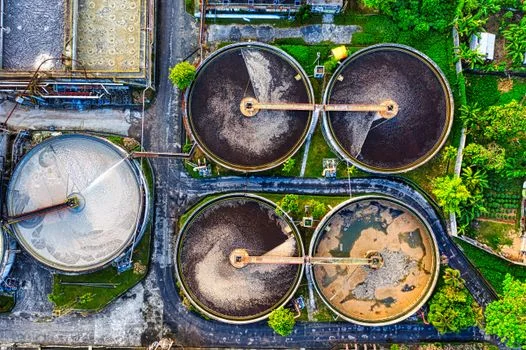
A prominent food processing plant located in the Utrecht region faced a critical compliance challenge, risking substantial financial penalties and operational disruption. The facility, processing approximately 120 m³/h of wastewater, was consistently exceeding discharge limits for Chemical Oxygen Demand (COD) and Fats, Oils, and Grease (FOG). Their effluent averaged 250 mg/L COD and 150 mg/L FOG, placing them in direct violation of the Dutch Urban Waste Water Directive 91/271/EEC and leading to potential annual fines approaching €80,000.
To address this escalating issue and achieve zero-risk compliance, the facility invested in a state-of-the-art hybrid treatment system comprising a HydropureWater Utrecht-optimized DAF system for FOG and TSS removal, followed by a HydropureWater DF series MBR membrane bioreactor module. The system was integrated with an automatic chemical dosing unit for precise pH adjustment and chemical precipitation, crucial for optimizing FOG and suspended solids removal in the DAF stage and enhancing overall treatment efficiency.
The implemented solution delivered exceptional results. Post-treatment, effluent COD levels were consistently reduced to below 45 mg/L, and FOG concentrations were maintained at less than 10 mg/L, comfortably meeting and exceeding stringent discharge standards. the advanced MBR stage achieved an impressive 95% water recovery rate. This high-quality treated water is now effectively reused in the facility’s cooling towers, significantly reducing their demand for fresh municipal water and lowering operational costs.
| Parameter | Before Treatment (mg/L) | After DAF Treatment (mg/L) | After MBR Treatment (mg/L) | Target Limit (mg/L) |
|---|---|---|---|---|
| COD | 250 | 80-100 | <45 | <125 (Directive) / <45 (Permit) |
| FOG | 150 | <20 | <10 | <20 (Sector Specific) |
| TSS | 200 | 30-50 | <5 | <35 (Directive) / <10 (Permit) |
| Water Recovery | N/A | N/A | 95% | N/A |
The total CAPEX for this hybrid DAF-MBR system was €950,000. However, the operational expenditure (OPEX) was managed effectively at approximately €0.75/m³. The financial benefits were substantial, with an estimated ROI of just 2.8 years. This rapid payback was driven by annual savings of €220,000, derived from reduced sewer fees and the direct cost savings associated with water reuse. A key lesson learned was the significant impact of proactive engagement; the pre-application meeting with the Water Authority Stichtse Rijnlanden shortened the permitting timeline from an anticipated 12 months to a more manageable 7 months. Additionally, implementing an automated Clean-In-Place (CIP) protocol for the MBR membranes reduced fouling by 40%, extending membrane life and lowering maintenance costs.
Frequently Asked Questions
What are the effluent limits for industrial wastewater in Utrecht?
The baseline limits set by the Dutch Urban Waste Water Directive 91/271/EEC are 125 mg/L COD, 25 mg/L BOD, and 35 mg/L TSS. For sensitive areas, nutrient limits of 10 mg/L nitrogen and 1 mg/L phosphorus apply. However, Utrecht’s municipal Nereda plant, achieving 5 mg/L N and 0.5 mg/L P, sets a de facto higher standard for industrial permits, particularly in the Amsterdam-Rijnkanaal corridor.
How much does industrial wastewater treatment cost in Utrecht?
Costs vary widely. CAPEX for systems suitable for flow rates from 4 m³/h can start around €150,000 for a basic DAF system and extend up to €2.5 million for advanced MBR systems designed for 300 m³/h. OPEX averages between €0.45 and €1.20 per cubic meter, with MBR systems generally incurring 20–30% higher operational costs than DAF due to membrane replacement and energy consumption for aeration.
What is the permitting timeline for a new wastewater treatment system in Utrecht?
The typical permitting timeline ranges from 6 to 12 months. This includes a 3–6 month review period by the Water Authority Stichtse Rijnlanden. Scheduling a pre-application meeting with the Water Authority can significantly reduce this timeline, often by 20–30%, by ensuring early alignment on technical requirements and expectations.
Can I reuse treated wastewater in my industrial process?
Yes, wastewater reuse is increasingly common and encouraged. MBR systems, in particular, can produce effluent with less than 10 mg/L COD and achieve 99% pathogen removal, making it suitable for applications such as cooling towers, irrigation, vehicle washing, and certain process water uses. Utrecht’s municipal Nereda plant demonstrates the potential for significant water reuse, achieving up to 50% water reuse within its operations.
What are the penalties for non-compliance with Utrecht’s wastewater regulations?
Non-compliance with wastewater discharge permits can lead to substantial financial penalties under the Dutch Environmental Management Act, with fines potentially reaching €100,000 per year. For persistent or severe violations, regulatory authorities have the power to impose operational shutdowns on the facility until compliance is achieved.
Related Equipment
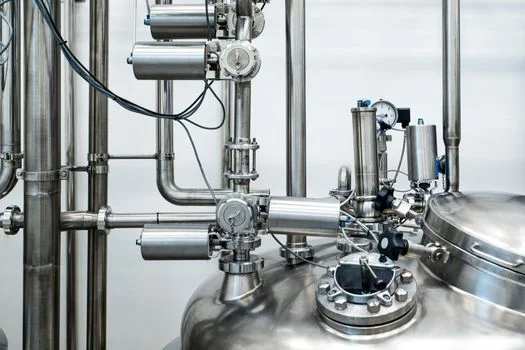
The following HydropureWater products are engineered for the wastewater challenges discussed above:
- Utrecht-optimized DAF system for FOG and TSS removal — view specifications, capacity range, and technical data
- MBR system for near-reuse-quality effluent in chemical manufacturing — view specifications, capacity range, and technical data
- PLC-controlled chemical dosing for pH adjustment and metal precipitation — view specifications, capacity range, and technical data
Need a customized solution? Request a free quote with your specific flow rate and pollutant parameters.