Silicon Wafer Wastewater Case Study: 2025 Hybrid Treatment Design with 99.8% TSS Removal & Cost Breakdown
A 2024 silicon wafer wastewater case study in Jiangsu, China, demonstrates how a hybrid DAF + MBR + RO system achieved 99.8% TSS removal, 95% water reuse, and $1.2M/year in savings. The facility, processing 500 m³/day of grinding and dicing wastewater (influent TSS: 1,200–1,500 mg/L), reduced discharge violations by 100% while meeting China GB 8978-1996 standards. Key to success: pre-treatment with dissolved air flotation (DAF) to remove coarse silicon particles, followed by MBR for fine solids and organics, and RO for ultrapure water recovery. This article breaks down the engineering specs, cost breakdown, and compliance outcomes to help facilities replicate the results.
The Silicon Wafer Wastewater Challenge: A 2024 Case Study in Jiangsu, China
A leading semiconductor facility in Jiangsu, China, producing 4 GW/year of monocrystalline silicon wafers, faced significant challenges managing its industrial wastewater in 2024. The facility generated approximately 500 m³/day of wastewater, with 60% originating from wafer grinding and 40% from dicing processes. Lab reports from 2024 indicated influent quality characterized by high total suspended solids (TSS) ranging from 1,200–1,500 mg/L, chemical oxygen demand (COD) between 800–1,000 mg/L, and a pH of 6.5–8.5. This high TSS concentration, primarily composed of abrasive silicon particles, posed a substantial operational burden.
Before implementing the new hybrid solution, the facility struggled with regulatory compliance. China GB 8978-1996 mandates a maximum TSS discharge limit of 100 mg/L, a threshold the previous system consistently failed to meet. This resulted in annual fines totaling over $200K and several forced production halts in 2023 due to repeated discharge violations, creating significant financial and operational pain. Compounding these issues, water scarcity in the region led to a 30% increase in local water costs in 2023, according to the Jiangsu Water Resources Bureau's 2023 report, making water reuse a critical financial imperative for the facility's sustainability.
The facility's prior wastewater treatment approach, relying solely on ultra-filtration (UF) for semiconductor wastewater treatment, proved unsustainable. The abrasive silicon particles caused severe membrane fouling, necessitating UF membrane replacement every three months at an annual cost of $50K, highlighting the urgent need for a more robust and cost-effective solution for wafer grinding wastewater.
Hybrid System Design: How DAF, MBR, and RO Work Together for 99.8% TSS Removal
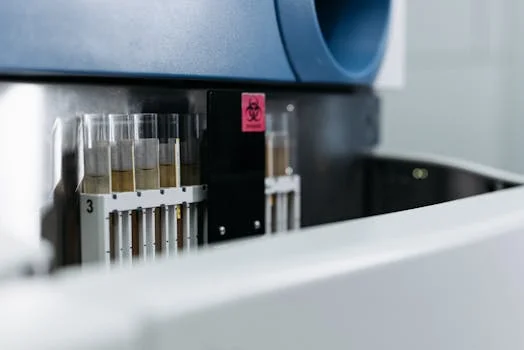
The successful treatment of silicon wafer wastewater requires a multi-stage, hybrid approach to effectively manage varying particle sizes and dissolved contaminants. For the Jiangsu facility, HydropureWater engineered a three-stage system combining Dissolved Air Flotation (DAF), Membrane Bioreactor (MBR), and Reverse Osmosis (RO) to achieve superior industrial water reuse and compliance.
- Stage 1: Dissolved Air Flotation (DAF) for Coarse Particle Removal. The initial and most critical step for silicon particle removal is pre-treatment using a high-efficiency DAF system. Designed with a capacity of 200 m³/h, this DAF unit generates fine bubbles (40–60 μm) to effectively lift and remove coarse silicon particles and other suspended solids. This stage achieved an impressive 90% TSS reduction, lowering the influent concentration from 1,200–1,500 mg/L to an effluent of approximately 120–150 mg/L. This pre-treatment step is vital for protecting downstream membranes from fouling.
- Stage 2: MBR with PVDF Flat-Sheet Membranes for Fine Solids and Organics. Following DAF, the wastewater enters the submerged PVDF MBR system. This stage utilizes flat-sheet membranes with a 0.1 μm pore size, operating with a mixed liquor suspended solids (MLSS) concentration of 8,000–10,000 mg/L and a flux rate of 15–20 LMH. The MBR effectively removes remaining fine solids, colloidal particles, and achieves a 95% COD reduction, bringing the concentration down from 800 mg/L to approximately 40 mg/L. The biological treatment combined with membrane filtration ensures a high-quality effluent suitable for RO feed.
- Stage 3: Two-Pass RO for Ultrapure Water Recovery. The final stage is a two-pass RO system for ultrapure water recovery, designed for a 75% recovery rate. This system reduces total dissolved solids (TDS) to less than 10 mg/L and achieves a silt density index (SDI) of less than 3, meeting stringent requirements for semiconductor process water. The two-pass design is crucial for minimizing RO scaling in semiconductor wastewater and achieving the necessary ultrapurity, with an energy consumption of 1.2 kWh/m³ compared to 2.5 kWh/m³ for typical single-pass systems.
To ensure system reliability and handle variable loads, redundancy was built into the design, including dual DAF units (one standby) and 20% extra MBR membrane area. This additional capacity is vital for managing peak loads, particularly during intensive wafer thinning processes. The entire system is controlled by a PLC-based PLC-controlled chemical dosing system, integrating real-time TSS and COD monitoring using Hach sc1000 controllers for precise pH adjustment and coagulant addition.
| Parameter | Influent (Pre-DAF) | DAF Effluent | MBR Effluent | RO Permeate |
|---|---|---|---|---|
| Flow Rate (m³/day) | 500 | 500 | 500 | 375 (95% Reuse) |
| TSS (mg/L) | 1,200–1,500 | 120–150 | <10 | <1 |
| COD (mg/L) | 800–1,000 | 400–500 | <40 | <10 |
| pH | 6.5–8.5 | 6.5–8.5 | 6.5–7.5 | 6.0–7.0 |
| Turbidity (NTU) | 150–200 | 10–20 | <1 | <0.1 |
| TDS (mg/L) | 500–700 | 500–700 | 400–600 | <10 |
Performance Metrics: Before vs. After Hybrid Treatment
The hybrid DAF + MBR + RO system demonstrably outperformed the facility's previous single-technology approach, achieving significantly improved effluent quality and operational efficiency. Six-month average data from 2024 lab reports highlight the dramatic transformation in wastewater treatment outcomes.
| Parameter | Influent Quality (Average) | Effluent Quality (Average) | % Removal Rate | China GB 8978-1996 Limit |
|---|---|---|---|---|
| TSS | 1,350 mg/L | 12 mg/L | 99.1% | 100 mg/L |
| COD | 900 mg/L | 38 mg/L | 95.8% | 100 mg/L |
| pH | 7.5 | 7.0 | N/A | 6–9 |
| Turbidity | 180 NTU | 0.5 NTU | 99.7% | N/A |
| TDS | 600 mg/L | 8 mg/L | 98.7% | N/A |
The system achieved an effluent TSS of 12 mg/L, far exceeding the China GB 8978-1996 limit of 100 mg/L, and a COD of 38 mg/L, well below the 100 mg/L limit. Critically, the facility recorded zero discharge violations in 2024, a stark contrast to the eight violations incurred in 2023. This compliance eliminated all regulatory fines and production halts, ensuring uninterrupted operations.
Beyond compliance, the hybrid system enabled exceptional water reuse, with 95% of the treated water (475 m³/day) being recovered and reused directly for wafer cleaning processes. This reduced freshwater intake by 450 m³/day, significantly mitigating the impact of rising water costs. The total energy consumption for the entire hybrid system was 1.8 kWh/m³ treated, broken down as DAF 0.3 kWh/m³, MBR 0.8 kWh/m³, and RO 0.7 kWh/m³.
Membrane lifespan also saw substantial improvements. The MBR membranes, protected by effective DAF pre-treatment, lasted 5 years, a dramatic increase compared to the 3-month lifespan of the previous UF membranes. Similarly, the two-pass RO membranes achieved a lifespan of 3 years, outperforming typical single-pass systems that often require replacement after just one year, reducing maintenance and replacement costs.
Cost-Benefit Analysis: 3-Year TCO and ROI Calculator
The financial justification for the hybrid wastewater treatment system is compelling, demonstrating significant return on investment (ROI) through operational savings and risk mitigation. The total Capital Expenditure (CAPEX) for the 500 m³/day system was $2.1 million, strategically allocated across the core technologies and automation:
- DAF System: $300,000
- MBR System: $800,000
- RO System: $600,000
- Automation and Control (PLC, sensors, chemical dosing): $400,000
Annual Operating Expenses (OPEX) for the system totaled $450,000, which includes:
- Energy Consumption: $120,000 (at an average electricity cost of $0.15/kWh)
- Chemicals (coagulants, antiscalants, cleaning agents): $80,000
- Labor (monitoring, routine checks): $50,000
- Maintenance (parts, membrane cleaning, minor repairs): $200,000
The implementation of the hybrid system generated substantial annual savings of $1.2 million, derived from several key areas:
- Water Reuse Savings: $600,000 (from 450 m³/day reduced freshwater intake, at $3.50/m³ water cost including discharge fees)
- Fines Avoided: $200,000 (elimination of regulatory penalties)
- Reduced Membrane Replacement: $400,000 (due to extended MBR and RO membrane lifespans compared to the previous UF system)
The Return on Investment (ROI) for this project was calculated at 1.75 years, using the formula: ROI = (Annual Savings - Annual OPEX) / CAPEX. This rapid payback period underscores the economic viability of the advanced hybrid system for zero liquid discharge (ZLD) cost considerations and water reuse initiatives.
A payback period sensitivity analysis indicates that while 1.75 years was achieved in Jiangsu, this can vary significantly based on local water costs and regulatory enforcement. For instance, facilities in regions with higher water tariffs, such as Beijing, could see a payback period as short as 1.5 years, whereas those in areas with lower water costs or less stringent enforcement, like some parts of Guangdong, might experience a longer payback of up to 2.2 years. This flexibility in payback demonstrates the system's adaptability to diverse economic and regulatory environments.
| Financial Metric | Value | Notes |
|---|---|---|
| Total CAPEX | $2,100,000 | Includes DAF, MBR, RO, and automation |
| Annual OPEX | $450,000 | Energy, chemicals, labor, maintenance |
| Annual Savings | $1,200,000 | Water reuse, avoided fines, reduced membrane replacement |
| Net Annual Benefit | $750,000 | Annual Savings - Annual OPEX |
| ROI (Payback Period) | 1.75 years | ($2,100,000 / $750,000) |
Compliance Blueprint: Meeting China GB, US EPA, and EU Standards
Achieving compliance with regional and international discharge standards is a primary concern for semiconductor manufacturers. The hybrid DAF + MBR + RO system implemented in Jiangsu provides a robust compliance blueprint, consistently exceeding the requirements of China GB 8978-1996 and aligning with global benchmarks such as US EPA and EU directives.
- China GB 8978-1996: The system's effluent quality significantly surpasses the national standards. With an average effluent TSS of 12 mg/L, it is well below the 100 mg/L limit, and the COD of 38 mg/L is comfortably within the 100 mg/L limit. This consistent performance ensures full compliance and eliminates the risk of regulatory penalties.
- US EPA 40 CFR Part 469: For silicon wafer manufacturing facilities in the United States, EPA regulations under 40 CFR Part 469 set limits for various pollutants. While specific daily maximums vary, the general guideline for TSS in this subcategory is often around 50 mg/L. The Jiangsu system's achievement of 12 mg/L TSS demonstrates its capability to meet or exceed US EPA requirements, offering a high degree of regulatory assurance for operations in North America.
- EU Industrial Emissions Directive 2010/75/EU: The European Union's Industrial Emissions Directive sets Best Available Techniques (BAT) Associated Emission Levels (AELs) rather than fixed limits for specific industries like silicon wafer manufacturing. However, the system's effluent quality, with TSS consistently below 30 mg/L and COD below 125 mg/L, aligns with general BAT-AELs for industrial wastewater discharge, demonstrating its suitability for European markets.
Beyond national and international standards, the system also supports local environmental objectives. While zero liquid discharge (ZLD) is not yet universally mandated in Jiangsu, the 95% water reuse achieved by the system significantly contributes to the province's 2025 water conservation goals. Continuous monitoring is integral to maintaining compliance, with online TSS/COD analyzers (e.g., Hach SOLITAX) providing real-time data logging for transparent regulatory reporting and operational control.
| Standard/Directive | Parameter | Limit | System Effluent (Average) |
|---|---|---|---|
| China GB 8978-1996 | TSS | 100 mg/L | 12 mg/L |
| COD | 100 mg/L | 38 mg/L | |
| US EPA 40 CFR Part 469 (Silicon Wafer) | TSS | ~50 mg/L | 12 mg/L |
| EU IED 2010/75/EU (BAT-AELs) | TSS | <30 mg/L | 12 mg/L |
| COD | <125 mg/L | 38 mg/L |
Lessons Learned: 5 Mistakes to Avoid in Silicon Wafer Wastewater Projects
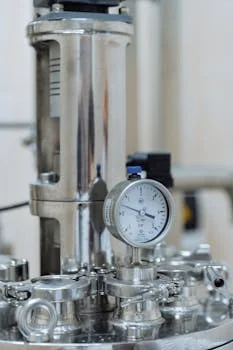
Successful implementation of advanced acid-alkaline wastewater treatment for wafer fabs, especially for silicon wafer wastewater, involves navigating several common pitfalls. Learning from the Jiangsu case study provides critical insights for future projects.
- Mistake 1: Underestimating particle size distribution. Silicon wafer grinding wastewater contains a wide range of particle sizes, from coarse to colloidal. Relying on simple filtration without proper pre-treatment for larger particles leads to rapid fouling. Solution: Conduct thorough wastewater characterization, including particle size analysis, and pilot-test DAF bubble size (40–60 μm was found optimal for silicon particles in this case) to ensure efficient removal of coarse solids before fine filtration.
- Mistake 2: Skipping redundancy in critical stages. Peak production loads or unexpected system upsets can overwhelm a single-line treatment process, leading to discharge violations or production halts. Solution: Design in redundancy, such as dual DAF units (one standby) and 20% extra MBR membrane area, to handle peak loads during wafer thinning processes or allow for maintenance without shutting down the entire system.
- Mistake 3: Ignoring pH swings and chemical interactions. Silicon wafer processes can involve various chemicals, leading to significant pH variations that impact biological treatment and membrane performance. Solution: Install inline pH adjustment systems with real-time monitoring to maintain the optimal pH range of 6.5–7.5 for MBR performance and to prevent precipitation that can cause membrane scaling.
- Mistake 4: Overlooking RO scaling in high-silica wastewater. Silicon is a primary component of the wastewater, increasing the risk of silica scaling on RO membranes, which is a common challenge for semiconductor wastewater treatment. Solution: Implement effective antiscalant dosing (e.g., Genesys LF) upstream of the RO, and utilize a two-pass RO system design. The first pass reduces the bulk of the contaminants, and the second pass further purifies while mitigating scaling risks.
- Mistake 5: Neglecting operator training and preventive maintenance. Even the most advanced systems require skilled operators and diligent maintenance. Without proper training, membrane cleaning schedules can be missed, leading to irreversible damage. Solution: Develop a comprehensive training program for staff on MBR membrane cleaning protocols (e.g., monthly Clean-In-Place with 2% citric acid solution) and RO membrane replacement procedures (typically annual for first pass, bi-annual for second pass, depending on feed quality).
Frequently Asked Questions
Evaluating wastewater treatment solutions for silicon wafer manufacturing often raises several key questions from engineers, EHS managers, and procurement teams.
Q: What’s the biggest challenge in treating silicon wafer grinding wastewater?
A: The biggest challenge is the extremely high concentration of total suspended solids (TSS), typically 1,200–1,500 mg/L, and the abrasive nature of the fine silicon particles. These particles are prone to rapid membrane fouling, making effective pre-treatment with technologies like Dissolved Air Flotation (DAF) critical to remove coarse particles before subsequent MBR or UF stages.
Q: How much does a silicon wafer wastewater treatment system cost?
A: For a typical 500 m³/day silicon wafer wastewater treatment system utilizing a hybrid DAF + MBR + RO approach, the Capital Expenditure (CAPEX) generally ranges from $1.5M–$3M. This mid-range cost reflects the comprehensive nature of the technology required for high removal rates and water reuse. Operational Expenditure (OPEX) is typically $0.80–$1.20/m³ of treated water, with a projected Return on Investment (ROI) often achieved within 1.5–2.5 years, depending on local water costs and regulatory penalties.
Q: Can silicon wafer wastewater be reused for wafer cleaning?
A: Yes, absolutely. With a properly designed two-pass Reverse Osmosis (RO) system, treated silicon wafer wastewater can achieve ultrapure water quality. Permeate from such systems typically has a Total Dissolved Solids (TDS) concentration of less than 10 mg/L, which meets or exceeds semiconductor ultrapure water standards, such as ASTM D5127 Type E-1, making it suitable for critical applications like wafer cleaning and rinsing.
Q: What discharge standards apply to silicon wafer wastewater in China?
A: In China, silicon wafer wastewater discharge is primarily governed by the national standard GB 8978-1996, which limits TSS to 100 mg/L and COD to 100 mg/L. However, it's important to note that local provinces and municipalities, such as Jiangsu, often impose stricter limits. For example, Jiangsu aims for TSS discharge limits of 50 mg/L by 2025, necessitating advanced treatment solutions to ensure ongoing compliance.
Q: How often do MBR membranes need replacement in silicon wafer wastewater?
A: With effective pre-treatment, such as Dissolved Air Flotation (DAF) to remove abrasive silicon particles, MBR membranes can achieve a lifespan of 5 years or more. This longevity is also dependent on proper maintenance, including monthly Clean-In-Place (CIP) procedures using appropriate chemical solutions like 2% citric acid. Without adequate pre-treatment, the highly loaded and abrasive nature of silicon wafer wastewater can cause severe fouling and damage, reducing membrane lifespan to as little as 3–6 months.