Etching Wastewater Treatment for PCB Plants: The 2026 Baseline
Etching wastewater treatment for PCB plants combines pH control, solids removal, copper recovery, and membrane polishing to hold effluent copper near or below 0.5 mg/L local limits. Typical dumps carry 50–5,000 mg/L copper, 100–3,000 mg/L TSS, and pH 1–3 ahead of equalization.
Etching wastewater treatment fails when chelated copper from alkaline baths bypasses hydroxide clarifiers. A mid-sized Midwest PCB plant paid a $250,000 civil penalty after the outfall hit 4.2 mg/L copper—nearly ten times a 0.5 mg/L local limit linked to 40 CFR Part 433 expectations. EDTA and ammonia kept copper dissolved, so the legacy precipitation train never met permit. The rebuild halted production for 14 days and cost about $1.2 million in lost revenue.
Most plants we size for acidic etch dumps run at the lower end of that copper band until rinse water dilutes the blend. Extreme acidity (pH 1–3) and 100–3,000 mg/L TSS still demand equalization before any cell or membrane. Copper, nickel, and tin appear as free ions and as complexes. Three engineering oversights drive most excursions: unstable pH that leaves metals dissolved, weak TSS removal that fouls RO, and acid carryover that trips the outfall. Hazardous sludge disposal can reach $1,200 per ton in some jurisdictions (HydropureWater field data, 2025), so incomplete precipitation quickly dominates OpEx even when CapEx looked cheap.
EU Directive 2010/75/EU BAT expectations and municipal caps often sit tighter than federal averages. Plants that only neutralize and settle rarely hold 0.2–0.5 mg/L copper once chelants rise. Acid make-up cuts of up to 90% and disposal cuts near 70% show up only after recovery and sludge reduction are engineered together, not after a clarifier retrofit alone.
Treatment Methods Compared: Copper Recovery, Cost, Compliance
Selecting among precipitation, electrowinning, and hybrid membranes is a CapEx-versus-reliability decision for plant engineers. Electrowinning is the electrodeposition of dissolved metal ions onto a cathode under applied current, and nickel and copper are classic electrowon metals (Wikipedia). Separate "treat and haul" packages from trains that recover copper and water to offset OpEx. Precipitation remains common on older lines, yet it rarely supports zero-liquid discharge or high-purity metal recovery when chelants are present.
| Metric | Chemical Precipitation | Electrowinning | Hybrid (DAF-RO-MBR) |
|---|---|---|---|
| Copper Recovery % | 80–90% (as sludge) | 95–99% (as metal) | 99.5%+ (ZLD potential) |
| Typical CapEx | $50K – $200K | $250K – $600K | $300K – $1.5M |
| OpEx (per m³) | $1.50 – $3.00 | $0.80 – $1.20 | $0.50 – $2.00 |
| Footprint | Large (Clarifiers) | Medium (Modular) | Compact (Integrated) |
| Compliance Risk | High (pH/Chelation) | Low (Stream specific) | Lowest (Multi-barrier) |
Chemical precipitation is cheapest to install but produces the most hazardous sludge. Disposal fees often erase CapEx savings inside three years, especially beside fine-particle streams such as CMP wastewater treatment for metal finishing and electronics manufacturing.
Electrowinning works well on acidic concentrates at pH <2 and returns copper as metal sheet while regenerating acid. Fresh acid purchases can drop by up to 90% when the regeneration loop stays stable on low-solids feed. Dilute rinses need a different barrier. Plant-wide compliance usually needs a hybrid membrane train with DAF systems for high-efficiency copper and TSS removal upstream so RO and MBR stages see controlled solids instead of etch dump spikes.
Hybrid DAF-RO-MBR Specs for Etching Wastewater Treatment

Hybrid DAF–RO–MBR trains give PCB and metal-finishing plants the multi-barrier layout needed when copper and TSS spike together. Flow starts at dissolved air flotation for solids, then pH correction, reverse osmosis for desalting and metal concentration, and MBR polishing for residual COD before reuse or tight discharge. Each barrier protects the one after it, which is what keeps compliance stable during etch dumps.
| Process Stage | Influent Parameter (Avg) | Effluent Target | Removal Efficiency |
|---|---|---|---|
| DAF Unit | TSS: 2,000 mg/L | TSS: <100 mg/L | 92–97% |
| pH Adjustment | pH: 1.5 | pH: 6.5–8.5 | N/A (Neutralization) |
| RO System | Cu: 500 mg/L | Cu: <0.1 mg/L | 99.9% |
| MBR Polishing | COD: 400 mg/L | COD: <20 mg/L | 95% |
DAF sizing sets hydraulic safety for the rest of the train. DAF systems for high-efficiency copper and TSS removal cover about 4–300 m³/h. A 100 m³/day PCB plant typically needs roughly 10 m³/h of DAF capacity so peak etch dumps still clear retention time.
Ceramic Membrane Polishing for Etching Wastewater Reuse
Ceramic ultrafiltration ahead of RO often cuts Silt Density Index (SDI) by about 60% versus sand filters, which is why reuse-grade permeate usually passes through it first. Silica-heavy dicing streams benefit even more; compare notes on ceramic membrane water polishing before you freeze the UF skid. Keep the UF feed below the TSS ceiling above, or the ceramic channels blind during dump events.
RO systems for copper and acid removal from etching wastewater commonly deliver about 95% water recovery when pretreatment holds SDI in range. Concentrate can feed electrowinning, while permeate returns to rinse water treatment systems for PCB and metal finishing plants. High-COD organic loads that ride with etch chemistry also show up in high-strength organic wastewater treatment by reverse osmosis, so fouling allowances should be shared across those skids.
MBR systems for polishing etching wastewater to reuse quality use about 0.1 μm pores and 0.2–0.5 m³/m²/h scour air to limit biofouling. That polish supports reuse duties similar to wafer cleaning wastewater treatment for semiconductor plants and broader Chip Fab Wastewater Treatment: 2026 Engineering Specs utilities where conductivity and particles both matter.
Cost Breakdown: CapEx, OpEx, and ROI
Procurement teams should judge total cost of ownership, not only the equipment quote on the PO. Hybrid DAF–RO–MBR CapEx is higher than a clarifier package, yet avoided sludge hauling and recovered copper often repay the premium in 18–36 months on continuous PCB lines.
| Cost Component | Small Batch System (<50 m³/d) | Large Hybrid System (>200 m³/d) |
|---|---|---|
| Equipment CapEx | $100,000 – $300,000 | $500,000 – $2,000,000 |
| Installation & Permits | $25,000 – $60,000 | $100,000 – $400,000 |
| Annual OpEx | $15,000 – $40,000 | $80,000 – $250,000 |
| Copper Recovery Value | $5,000 – $15,000/yr | $50,000 – $200,000/yr |
| Avoided Sludge Costs | $20,000 – $50,000/yr | $150,000 – $500,000/yr |
OpEx is dominated by energy (about 1.5–3.5 kWh/m³ on RO/MBR duty), reagents fed by PLC-controlled chemical dosing for pH adjustment and coagulation, and membrane change-outs every 3–5 years. High-purity copper scrap in the $2–$5/kg band can yield up to 50 kg/day on large etch lines when cells stay online. One Tier 1 PCB supplier cut OpEx about 40% after moving from precipitation to electrowinning plus membranes, mainly by eliminating about 85% of hazardous sludge volume.
Small batch plants under 50 m³/d often under-count permit and lab labor in the OpEx column. Large hybrid plants above 200 m³/d should model copper revenue conservatively and treat sludge avoidance as the firmer cash line. Either way, size equalization for etch dump peaks before you trust the CapEx spreadsheet.
Etching Wastewater 40 CFR Part 433 Compliance: EPA, EU, and Local Limits
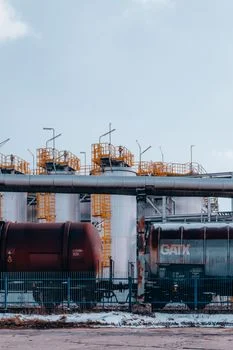
Under EPA 40 CFR Part 433 (Metal Finishing Point Source Category), copper daily maximum is 3.38 mg/L and the monthly average must stay below 2.07 mg/L, per the pretreatment standards table. According to US EPA, about 44,000 facilities perform metal finishing operations and discharge process wastewater, and the category explicitly covers chemical etching and milling plus printed circuit board manufacture. Many municipalities tighten the federal numbers to 0.5 mg/L or 0.2 mg/L to protect biological plants. Closed-loop wastewater treatment systems for etch lines reduce how often those local caps are tested against an open outfall.
- Daily monitoring: Hold continuous pH inside most permit windows of 6.0–9.0 with PLC-controlled chemical dosing for pH adjustment and coagulation.
- Weekly sampling: Take composite samples for Cu, Ni, and TSS at the final discharge or reuse tie-in.
- EU BAT check: Sites under Directive 2010/75/EU often face BAT-AELs near <0.2 mg/L copper.
- Documentation: Keep hazardous-sludge chain-of-custody records and at least three years of pH/ORP calibration logs.
- Annual audits: Verify on-site sensors with a third-party lab so aging probes do not hide real copper breakthrough.
Missed probe calibration and skipped RO cleans remain the two fastest paths to copper spikes. Fouled membranes can pass complexed copper even when the PLC still shows a "normal" differential pressure trend.
How to Select a System: Decision Checklist
Match bath chemistry and reuse goals before you freeze CapEx. Walk this checklist on every etch dump and rinse map:
- Analyze the waste stream: Copper >500 mg/L favors electrowinning on the concentrate; dilute rinses (<100 mg/L) favor membranes.
- Assess compliance targets: Non-detect or sub-0.2 mg/L local limits need multi-barrier hybrid redundancy.
- Evaluate space and budget: Small shops with tight floors often start with batch reaction–settle–decant skids despite lower recovery.
- Determine reuse needs: Inner-layer cleaning and similar duties need high-purity permeate from an RO system for copper and acid removal from etching wastewater.
- Confirm vendor support: Require PLC integration and field service that can answer a 2:00 AM sensor fault.
- Plan concentrate handling: Route RO brine to electrowinning or authorized hazardous disposal—never to an unpermitted drain.
- Stage hydraulic peaks: Size DAF and equalization for etch dump peaks, not only daily average flow.
Flows above about 200 m³/day usually need continuous hybrid duty for ZLD reliability. Smaller sites often pair electrowinning on baths with DAF–UF on rinses to balance CapEx and permit risk without oversizing membranes.
Who This Is For and Next Step
This guide is for PCB, metal-finishing, and electronics plants that etch copper or related metals and must hit sub-mg/L copper limits or reuse process water. Shops without metal etching, or lines that discharge only detergent rinses, should look at simpler clarification packages instead. If you already have flow, copper, chelant, and permit data, request a sized hybrid layout through our etching wastewater treatment inquiry form before CapEx lock.
Frequently Asked Questions
Can I recover all of the copper from etching wastewater?
Most industrial trains recover 95–99% of copper rather than every last fraction. Electrowinning returns high-purity metal sheet from acidic concentrates, while RO captures residual ions in a smaller brine volume. The final fraction usually reports to MBR sludge or RO concentrate that still needs permitted handling. Design for high recovery with a documented concentrate path instead of a zero-loss promise.
How long do RO membranes last on etching wastewater?
RO membranes on etching duty typically last 3–5 years when pretreatment is stable. Keep TSS and oils out with DAF before the membranes see the stream, and track SDI after any ceramic or polymeric UF stage. Plants that skip solids control often replace elements far sooner because copper–organics foul the polyamide surface. Schedule cleans against differential pressure, not only calendar days.
Does acid regeneration actually reduce operating cost?
Yes—electrowinning with an acid-regeneration loop can cut fresh acid purchases by up to 90% on suitable concentrates. Lower acid make-up also reduces caustic demand during neutralization, so chemical OpEx falls on both sides of the pH curve. The saving holds only when the cell is fed a controlled, low-solids acidic stream. Dilute rinses still need membranes rather than cells alone.
What is the best way to treat chelated copper?
Chelated copper from alkaline etchants does not precipitate reliably with simple pH trim. Break the chelant with advanced oxidation, or reject the complex intact with high-rejection RO and manage the concentrate. Many hybrid plants combine both: oxidize when organics allow, then polish with RO/MBR. Confirm EDTA or ammonia levels in the jar test before you size the clarifier.
What copper limits should etch plants design against?
Design against the tighter of 40 CFR Part 433 averages and your local sewer ordinance. Federal metal-finishing values allow 3.38 mg/L copper daily maximum and 2.07 mg/L monthly average, while many cities enforce 0.5 mg/L or 0.2 mg/L. EU BAT-AELs under Directive 2010/75/EU often sit near <0.2 mg/L. Build monitoring and redundancy to the local number, not only the federal ceiling.
Is a PCB etching wastewater zero discharge system worth the CAPEX?
A PCB etching wastewater zero discharge system pays off above roughly 200 m³/day or wherever local caps sit near 0.2 mg/L copper. Hybrid DAF-RO-MBR trains at that scale run $500,000–$2,000,000 in equipment CapEx yet return $50,000–$200,000 per year in copper and avoid $150,000–$500,000 in sludge costs. Payback typically lands in 18–36 months on continuous lines.
How much does copper recovery from etching wastewater cost?
Copper recovery from etching wastewater costs $250K–$600K as a standalone electrowinning package or arrives inside the $300K–$1.5M hybrid DAF-RO-MBR CapEx. Electrowinning recovers 95–99% of copper as metal worth $2–$5/kg, up to 50 kg/day on large etch lines. Net cost turns negative once avoided sludge hauling of $150,000–$500,000 per year is counted.