Ivory Coast’s 2025 industrial wastewater treatment standards (DPE 2020) require COD ≤125 mg/L, BOD ≤25 mg/L, and TSS ≤35 mg/L for discharge, with stricter limits (COD ≤300 mg/L, TSS ≤2 mg/L) for reuse applications. MBR systems achieve 92–97% COD removal and 99% TSS reduction, while DAF systems handle high-FOG influents (up to 5,000 mg/L) at 85–95% efficiency. CAPEX ranges from $80K for small MBR units (50 m³/day) to $2M+ for large-scale plants, with ROI driven by local discharge fees (XOF 500–1,500/m³) and water reuse incentives (XOF 200/m³ savings).
Why Ivory Coast’s 2025 Wastewater Standards Are a Game-Changer for Industry
Ivory Coast’s 2020–2030 Water Security Plan targets 100% urban sewage treatment coverage by 2030, a goal that significantly impacts industrial operators through stricter enforcement and increased discharge fees. This ambitious national objective extends beyond municipal wastewater, placing unprecedented pressure on industrial facilities to comply with the DPE 2020 standards, which take full effect in 2025. According to 2023 Ministry of Environment data, approximately 60% of Ivory Coast’s 120 million m³ per year of industrial wastewater is currently discharged in non-compliance, with the textile and food processing sectors identified as top offenders, often exhibiting influent COD levels exceeding 4,000 mg/L and TSS over 1,000 mg/L.
The financial and operational stakes for non-compliance are substantial. In a notable 2024 incident, a textile plant in Abidjan faced a fine of XOF 50 million ($83,000 USD) for consistently exceeding its COD discharge limits. Conversely, proactive investment yields measurable returns: a food processor in San-Pédro successfully reduced its monthly discharge fees by 45% after installing a DAF-MBR hybrid system. The cost of non-compliance extends beyond direct fines and discharge fees, which typically range from XOF 500–1,500/m³ for non-compliant effluent. Industrial facilities also risk potential plant shutdowns, which can halt production and incur massive economic losses, alongside severe reputational damage that could jeopardize valuable export certifications, particularly for markets like the EU.
Engineering Specs: How MBR, DAF, and Hybrid Systems Compare for Ivory Coast Industries
Selecting the optimal industrial wastewater treatment technology in Ivory Coast hinges on matching influent characteristics to a system's processing capabilities and effluent targets, with MBR, DAF, and hybrid DAF-MBR systems offering distinct advantages for various industrial applications. Each technology is engineered to address specific challenges posed by diverse industrial effluents, from high concentrations of fats, oils, and grease (FOG) to complex organic loads and suspended solids.
Membrane Bioreactor (MBR) Systems: MBR technology integrates biological treatment with membrane filtration, typically utilizing submerged PVDF membranes with a 0.1 μm pore size. This fine filtration provides superior effluent quality, achieving 92–97% COD removal and over 99% TSS reduction, often producing near-reuse-quality effluent suitable for non-potable applications. MBR systems offer a volumetric loading rate 2–3 times higher than conventional activated sludge, making them ideal for space-constrained industrial sites, such as urban factories or those with limited land availability. For advanced MBR systems for near-reuse-quality effluent in Ivory Coast, HydropureWater provides compact and efficient solutions.
Dissolved Air Flotation (DAF) Systems: DAF systems excel at removing FOG, suspended solids, and certain heavy metals through micro-bubble flotation (40–70 μm). They are particularly optimal for high-FOG influents common in food processing, slaughterhouses, and petrochemical industries, demonstrating 85–95% FOG removal efficiency. DAF units typically feature automatic skimming and integrated sludge thickening, minimizing manual intervention. The HydropureWater DAF line offers 13 models with capacities ranging from 4 to 300 m³/h, providing effective DAF pretreatment for high-FOG industrial wastewater.
Hybrid DAF-MBR Systems: For complex industrial wastewaters, such as textile dye effluents or highly variable food processing streams, a hybrid DAF-MBR system combines the strengths of both technologies. DAF acts as a robust pretreatment stage, effectively removing a significant portion of FOG and TSS, thereby reducing the load on the downstream MBR unit. This sequential treatment achieves exceptional results, often reaching 99% TSS removal and over 95% COD reduction. A 2024 case study in Yamoussoukro demonstrated a hybrid system reducing textile dye wastewater COD from 3,200 mg/L to a compliant 80 mg/L, significantly extending MBR membrane lifespan and reducing operational costs.
| System Type | Typical Influent Range (Industrial) | Typical Effluent Quality (DPE 2020) | Footprint | Energy Use (kWh/m³) | CAPEX (Relative) | OPEX (Relative) | Maintenance Complexity |
|---|---|---|---|---|---|---|---|
| MBR | COD: 300-4,000 mg/L TSS: 50-500 mg/L FOG: <100 mg/L |
COD: 20-100 mg/L BOD: <10 mg/L TSS: <5 mg/L |
Compact (High) | 0.8-1.2 | Medium-High | Medium | Medium (membrane cleaning) |
| DAF | COD: 500-5,000 mg/L TSS: 200-2,000 mg/L FOG: 100-5,000 mg/L |
COD: 150-500 mg/L BOD: 50-200 mg/L TSS: 50-200 mg/L |
Moderate | 0.3-0.6 | Low-Medium | Low-Medium (chemical dosing) | Low (skimming, sludge) |
| Hybrid DAF-MBR | COD: 1,000-8,000 mg/L TSS: 500-3,000 mg/L FOG: 100-3,000 mg/L |
COD: 20-80 mg/L BOD: <10 mg/L TSS: <5 mg/L |
Moderate-Large | 1.0-1.5 | High | High | High (both systems) |
Cost Models: CAPEX, OPEX, and ROI for Industrial Wastewater Treatment in Ivory Coast
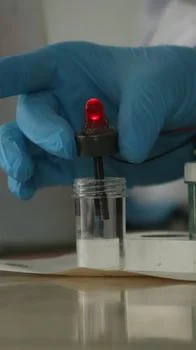
Industrial wastewater treatment projects in Ivory Coast face CAPEX ranging from $80K for small MBR units (50 m³/day) to over $2M for large-scale hybrid plants, with operational expenditures significantly impacting long-term financial viability. Understanding these granular cost components is critical for industrial facility managers and procurement teams to develop robust business cases and evaluate vendor proposals effectively.
Capital Expenditure (CAPEX) Breakdown: The initial investment varies significantly based on system type, capacity, and local construction costs. Equipment costs typically account for 60-70% of CAPEX, while civil works and installation make up the remainder. In Abidjan, civil works can be up to 30% higher than in rural areas due to labor and material logistics. Below is a representative CAPEX breakdown:
| System Type | Capacity (m³/day) | Equipment CAPEX ($USD) | Civil Works & Installation CAPEX ($USD) | Total CAPEX Range ($USD) |
|---|---|---|---|---|
| MBR | 50 | 50,000 - 70,000 | 30,000 - 40,000 | 80,000 - 110,000 |
| 200 | 180,000 - 250,000 | 90,000 - 130,000 | 270,000 - 380,000 | |
| 500 | 400,000 - 550,000 | 200,000 - 300,000 | 600,000 - 850,000 | |
| DAF | 50 | 30,000 - 45,000 | 15,000 - 25,000 | 45,000 - 70,000 |
| 200 | 80,000 - 120,000 | 40,000 - 60,000 | 120,000 - 180,000 | |
| 500 | 180,000 - 250,000 | 90,000 - 130,000 | 270,000 - 380,000 | |
| Hybrid DAF-MBR | 50 | 70,000 - 90,000 | 40,000 - 50,000 | 110,000 - 140,000 |
| 200 | 250,000 - 350,000 | 120,000 - 180,000 | 370,000 - 530,000 | |
| 500 | 600,000 - 850,000 | 300,000 - 450,000 | 900,000 - 1,300,000 |
Operational Expenditure (OPEX) Breakdown: Recurring costs include energy, chemicals, membrane replacement, and labor. MBR systems typically consume 0.8–1.2 kWh/m³ of treated wastewater, while DAF systems, which rely on chemical dosing, incur costs for coagulants and flocculants. With Abidjan energy costs at approximately XOF 120/kWh (2024 data), energy can be a significant OPEX component. MBR membranes, particularly PVDF, generally require replacement every 5–7 years, though high-FOG or high-TSS influents can reduce this to 3–4 years. Labor for a 200 m³/day MBR plant typically requires 1 Full-Time Equivalent (FTE) for monitoring and routine maintenance. Effective PLC-controlled chemical dosing for pH adjustment and coagulation can optimize chemical usage and reduce OPEX.
Return on Investment (ROI) Calculator: A systematic framework helps calculate payback periods based on tangible savings:
- Discharge Fee Savings: Calculate the volume of non-compliant wastewater (m³/day) multiplied by the local discharge fee (XOF/m³).
- Water Reuse Incentives: Determine the volume of treated water reused (m³/day) multiplied by the cost of fresh water saved (XOF/m³).
- Avoided Fines: Estimate the potential fines avoided by achieving compliance.
Example: A 200 m³/day MBR plant in Abidjan, treating wastewater that previously incurred XOF 1,000/m³ in discharge fees, could save approximately XOF 200,000/day (200 m³ * XOF 1,000/m³), totaling XOF 73 million/year. Assuming a total CAPEX of XOF 300 million and annual OPEX of XOF 18 million (energy, chemicals, labor), the net annual savings are XOF 55 million, leading to an approximate 4-year payback period.
Hidden Costs: Industrial operators must account for:
- Permitting Delays: Environmental permits in Ivory Coast can take 6–12 months, impacting project timelines.
- Sludge Disposal: Sludge handling and disposal are critical. The cost for landfill disposal in Ivory Coast is approximately XOF 2,000/ton. Efficient sludge dewatering for industrial wastewater treatment plants can significantly reduce disposal volumes and costs.
- Membrane Fouling: In high-FOG influents, frequent membrane cleaning or premature replacement due to fouling can add 10-15% to MBR OPEX for industries like food processing.
Step-by-Step Compliance Checklist for Ivory Coast’s DPE 2020 Standards
Achieving DPE 2020 compliance for industrial wastewater discharge in Ivory Coast requires a structured, five-step approach, beginning with accurate influent characterization and culminating in rigorous commissioning and third-party verification. This systematic process minimizes risks, ensures efficient system operation, and guarantees adherence to national environmental regulations.
- Step 1: Characterize Influent Thoroughly. Before any design or procurement, obtain a comprehensive analysis of your facility's raw wastewater. Test for critical parameters including Chemical Oxygen Demand (COD), Biological Oxygen Demand (BOD), Total Suspended Solids (TSS), Fats, Oils, and Grease (FOG), pH, and specific heavy metals (e.g., chromium in tanneries or lead in battery manufacturing). Use accredited laboratories in Abidjan, such as the National Public Health Laboratory (LNSP) or specialized private environmental labs, to ensure data accuracy. This data forms the foundation for technology selection.
- Step 2: Select Appropriate Treatment Technology. Match the treatment system to your specific influent characteristics and desired effluent quality. For influents with FOG concentrations exceeding 1,000 mg/L, DAF pretreatment is typically essential. For space-constrained urban sites requiring near-reuse quality effluent, MBR systems are often the most viable choice. A decision tree can guide this: If influent COD >3,000 mg/L and TSS >1,000 mg/L, a hybrid DAF-MBR system is usually recommended for optimal performance and membrane protection. Consider not only current needs but also future expansion plans and potential changes in production processes.
- Step 3: Design for Robustness and Redundancy. Industrial operations often experience influent spikes or variations. Design your wastewater treatment plant with built-in redundancy, including backup pumps, automated membrane cleaning systems (for MBRs), and emergency equalization or storage tanks to manage sudden surges, such as those from textile dye batches or batch chemical processes. This ensures continuous compliance and minimizes downtime. For facilities with potential heavy metal contamination, consider specialized heavy metal wastewater treatment for tanneries and mining in Ivory Coast.
- Step 4: Navigate the Permitting Process Diligently. Submit detailed design plans, including a comprehensive effluent monitoring plan (specifying weekly COD, BOD, and TSS tests), to the Ministry of Environment at least 6 months prior to planned construction. Engage with local environmental authorities early to understand specific regional requirements and streamline the approval process. Accurate documentation and transparent communication are key to avoiding delays. For specific industrial applications like fertilizer production, consider ammonia removal for fertilizer and chemical plants in Ivory Coast.
- Step 5: Ensure Rigorous Commissioning and Verification. Upon completion of construction and installation, conduct a mandatory 30-day performance test of the entire system. Engage a reputable third-party verification body, such as SGS or Bureau Veritas, to independently confirm that the treated effluent consistently meets DPE 2020 standards. Document all effluent quality data and system uptime (targeting 95% or higher) during this period. This final step provides verifiable proof of compliance and establishes baseline operational parameters.
Case Study: How a Textile Factory in Abidjan Cut Discharge Fees by 60% with a Hybrid DAF-MBR System
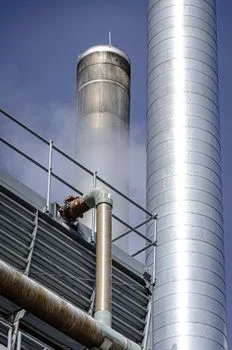
A textile factory in Abidjan successfully reduced its monthly wastewater discharge fines from XOF 3.5M to XOF 1.4M (a 60% reduction) by implementing a hybrid DAF-MBR system for its 150 m³/day dye wastewater. Prior to the upgrade, the facility was discharging approximately 150 m³/day of highly contaminated dye wastewater, characterized by an average COD of 4,200 mg/L and TSS of 1,100 mg/L. This consistently exceeded DPE 2020 limits, resulting in substantial monthly fines totaling XOF 3.5 million ($5,800 USD).
HydropureWater designed and installed a custom hybrid system. This solution began with DAF pretreatment for high-FOG industrial wastewater, followed by an MBR system for near-reuse-quality effluent in Ivory Coast polishing stage, integrated with an automatic chemical dosing system for optimal pH adjustment and coagulation. The total CAPEX for this comprehensive solution was approximately $450,000 USD, with an estimated annual OPEX of XOF 8 million ($13,000 USD), primarily for energy, chemicals, and labor.
The results were transformative:
- Compliance Achieved: The treated effluent consistently met DPE 2020 discharge standards, with COD reduced to an average of 75 mg/L and TSS to 12 mg/L.
- Financial Savings: Monthly discharge fees plummeted to XOF 1.4 million, representing a 60% reduction.
- Water Reuse: The high-quality MBR effluent allowed the factory to reuse 20 m³/day for non-potable applications, primarily cooling tower makeup water, resulting in an additional annual saving of XOF 120,000.
Key lessons learned from this project highlighted the importance of:
- The DAF pretreatment stage, which effectively removed approximately 80% of the influent TSS and color before reaching the MBR, thereby significantly extending membrane lifespan by an estimated 3 years.
- Maintaining precise pH adjustment (between 6.5 and 7.5) with the automatic chemical dosing system, which proved critical for efficient dye coagulation and flocculation.
- Comprehensive operator training, which empowered the factory staff to optimize system performance and reduce chemical consumption by 25% through improved process control.
Frequently Asked Questions
Understanding common challenges and solutions for industrial wastewater treatment in Ivory Coast is crucial for effective project planning and DPE 2020 compliance.
Q: What are the penalties for non-compliance with Ivory Coast’s DPE 2020 standards?
A: Fines for non-compliance with DPE 2020 standards range from XOF 5 million to XOF 50 million ($8,000–$83,000 USD) per violation. Repeat offenses can lead to temporary or permanent plant shutdowns. Additionally, non-compliant effluent incurs discharge fees typically between XOF 500–1,500/m³.
Q: How much does an industrial MBR system cost in Ivory Coast?
A: The Capital Expenditure (CAPEX) for an industrial MBR system in Ivory Coast typically ranges from $80,000 for a small 50 m³/day unit to over $2 million for a large-scale 2,000 m³/day plant. Operational Expenditure (OPEX) is generally $0.30–$0.60/m³ of treated water. For high-FOG influents, a hybrid DAF-MBR system might be more cost-effective, potentially costing 20–30% less in overall OPEX due to extended membrane life.
Q: Can treated wastewater be reused in Ivory Coast?
A: Yes, treated industrial wastewater can be reused in Ivory Coast for non-potable applications such as irrigation, industrial cooling, or process water. However, reuse requires additional disinfection (e.g., chlorine dioxide or UV treatment) and adherence to local and international guidelines, such as WHO standards for non-potable water. MBR effluent, with its low TSS (typically ≤2 mg/L) and high clarity, often meets the quality requirements for various reuse applications.
Q: What pretreatment is needed for textile wastewater in Ivory Coast?
A: Textile dye wastewater, often characterized by high COD (above 3,000 mg/L), intense color, and fluctuating pH, requires robust pretreatment before biological or membrane filtration. This typically includes pH adjustment (to a neutral range of 6.5–7.5), followed by chemical coagulation (using agents like PAC or ferric chloride) and Dissolved Air Flotation (DAF) to remove suspended solids, color, and some organic load. This pretreatment protects downstream biological or MBR processes from fouling and ensures efficient treatment.
Q: How often do MBR membranes need replacement in Ivory Coast?
A: PVDF membranes in MBR systems typically have a lifespan of 5–7 years under normal operating conditions. However, in industrial applications with high-FOG or high-TSS influents, or if proper pretreatment is insufficient, membrane lifespan can be reduced to 3–4 years. Regular chemical cleaning (e.g., weekly Clean-In-Place, CIP) and maintaining optimal operating parameters are crucial for maximizing membrane longevity and performance. For modular and scalable solutions, consider skid-mounted wastewater treatment systems for Ivory Coast’s industrial zones.