Why Choose a Skid Mounted Treatment Plant for Industrial Wastewater
A skid mounted treatment plant arrives pre-piped and pre-wired on a structural steel frame. Site work is mostly foundation, utility tie-ins, and commissioning rather than full civil construction. Typical industrial packages cut on-site installation time by 40–60% versus stick-built concrete basins. Capacity often expands in 20 m³/h or 50 m³/h steps by adding parallel frames.
According to the US EPA WBS adsorptive-media cost model (2023), small pre-engineered package plants are typically skid-mounted. They need only a short onsite install window. Mobilization and demobilization are often modeled at 0% of direct process cost for those units. Plant engineers pick modular frames when discharge permits are tight, floor space is limited, or a full-time wastewater crew is unavailable. On-site concrete-basin plants typically cost $500–$1,200/m³ of capacity, while a comparable skid package often lands at $200–$400/m³ of treated capacity under similar duty. For facilities under strict discharge permits, such as those following Boston’s EPA compliance requirements for industrial wastewater, factory load testing before shipment reduces field wiring and pipe-fit commissioning failures that delay stick-built starts.
Skid Mounted System Types: How Each Technology Solves Specific Wastewater Challenges
Micro-bubbles of 30–50 μm drive Dissolved Air Flotation (DAF) skids, which remove 90–95% of fats, oils, and grease (FOG) when coagulation chemistry is set correctly. The right package depends on the contaminant: suspended solids, dissolved salts, or biodegradable organics. Four industrial packages cover most pretreatment and reuse trains.
Dissolved Air Flotation (DAF) Skids
The DAF skid for FOG and TSS removal is the usual first stage for food processing, pulp and paper, and petrochemical streams. Air dissolves in a saturation vessel under pressure; release into the flotation tank attaches bubbles to floc, which rises for mechanical skimming. Non-emulsified oils and high TSS respond well; emulsified oils need upstream chemical conditioning.
Reverse Osmosis (RO) Skids
Facilities chasing high-purity process water or zero-liquid discharge (ZLD) usually specify a PLC-controlled RO skid for ultra-pure water reuse. Membranes reject 95–99% of total dissolved solids (TDS) when feed SDI stays below 3 and turbidity stays below 1 NTU. Industrial RO energy commonly runs 3–5 kWh/m³, set by feed osmotic pressure. Where treated water also feeds sanitary points of use, a Commercial Direct Drinking Water System can polish RO permeate for non-process consumption without a second civil plant.
Membrane Bioreactor (MBR) Skids
The integrated MBR skid for near-reuse-quality effluent pairs biology with ~0.1 μm membranes in place of secondary clarifiers. That swap cuts footprint by up to 60% versus conventional activated sludge at similar BOD load. Membrane cleaning and replacement every 5–8 years raise OPEX, but effluent often meets non-potable reuse limits for cooling towers or irrigation.
Chemical Dosing Skids
A PLC-controlled chemical dosing skid for pre-treatment meters coagulants, flocculants, and pH adjusters to about ±1% accuracy. In trains such as hybrid DAF-RO-MBR systems for nickel wastewater treatment, stable dosing protects membranes and can cut downstream sludge handling costs by 30–40% when chemistry is optimized.
| Technology | Primary Contaminant Target | Removal Efficiency | Best For |
|---|---|---|---|
| DAF Skid | FOG, TSS, Insoluble organics | 90–97% | Food processing, slaughterhouses |
| RO Skid | TDS, Heavy Metals, Ions | 95–99% | Semiconductors, Pharma, ZLD |
| MBR Skid | BOD, COD, Bacteria | 98–99% | Textiles, Municipal, Reuse |
| Chemical Dosing | pH, Emulsified oils (via chem) | N/A (Pre-treatment) | Metal finishing, Mining |
Engineering Specs: Flow Rates, Removal Efficiencies, and Footprint by Skid Type
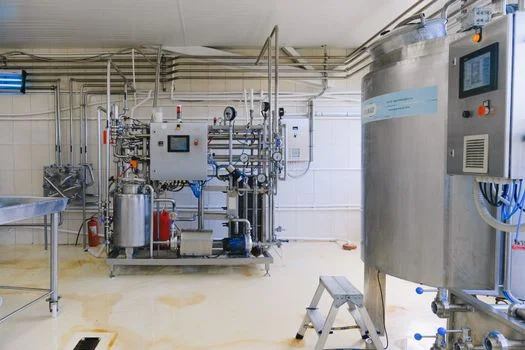
Industrial MBR skids filter below 0.1 μm and routinely produce <1 NTU turbidity when biology and membrane air scour stay in control. Engineers balance flow against floor space and available power when sizing modular equipment. The table below lists common parameter bands for current industrial frames.
| Skid Type | Flow Rate (m³/h) | Removal Efficiency | Footprint (m²) | Power (kWh/m³) |
|---|---|---|---|---|
| DAF | 4–300 | 92–97% TSS / 90–95% FOG | 1.5–15 | 0.5–1.5 |
| RO (Industrial) | 10–200 | 95–99% TDS | 5–20 | 3.0–5.0 |
| MBR (Integrated) | 0.5–85 (10-2k m³/d) | >99% BOD / <1 NTU Turbidity | 2–10 | 0.8–1.2 |
| Chemical Dosing | 1–100 | N/A (Process specific) | 1–3 | 0.1–0.3 |
A 300 m³/h DAF train is often split into two or three frames so each module fits a standard ISO container. DAF power stays relatively low; RO spends most energy on high-pressure pumps. Variable Frequency Drives (VFDs) on feed and recirculation pumps can cut annual energy use by 15–25% when influent flow swings (HydropureWater field data, 2025).
Footprint figures cover the steel frame only. Plan 1.5–2 m clearance on at least two sides for valves, instruments, and chemical tote swaps. MBR frames also need 4–6 m overhead for membrane cassette pulls. Most plants we size for food and metal finishing run at the lower end of each flow band until parallel skids are justified.
Which materials resist semiconductor wastewater chemicals?
Semiconductor wastewater often carries dilute HF, strong oxidants, and high-purity rinse salts that attack carbon steel and some elastomers within months. Specify FRP or lined vessels for acid duty, 316L or duplex stainless for chloride-bearing streams, and PTFE or PVDF seats where hypochlorite or peroxide dosing is continuous. Confirm gasket and pump-seal materials against the full chemical matrix before FAT, not after the first leak on site.
Skid mounted vs containerised: footprint and install time?
Open skid frames typically occupy 1.5–20 m² of process floor and need a weather-protected building or canopy. Containerised packages enclose the same process in a 20 ft or 40 ft ISO box and ship as a sealed unit. Skids install faster when a building already exists, because crane time is short and piping tie-ins are open. Containerised units win on remote pads with no building, at the cost of tighter internal maintenance access and HVAC for heat-rejecting RO or blower packages.
How to Select the Right Skid Mounted System
Pilot testing for 2–4 weeks catches influent swings that grab samples miss and prevents under-sizing of flotation or membrane area. Use the checklist below to lock scope before CAPEX bids.
- Characterize the wastewater: Run a full lab panel. FOG above 500 mg/L makes a DAF first stage mandatory. TDS above 2,000 mg/L with tight discharge limits usually requires RO.
- Define discharge requirements: POTW pretreatment often stops at DAF or chemical dosing. Direct discharge or reuse typically needs MBR or RO to reach COD <50 mg/L and TSS <10 mg/L.
- Assess site constraints: Measure floor area, ceiling height, and crane access. MBR offers the highest treatment density per m². If no full-time operator is on site, specify PLC automation and remote alarms.
- Compare CAPEX/OPEX: Build a 5-year total cost of ownership model. High RO CAPEX can still pay back when permeate replaces purchased process water.
- Validate with pilot testing: Rent a pilot skid for textile dyes, pharma, or metal finishing. A 2–4 week trial confirms removal and chemical dose and can cut full-scale failure risk by 30–50% when worst-case batches are included.
- Plan maintenance access: Reserve clearance, chemical storage, and membrane pull height before civil drawings freeze.
- Check electrical and controls: Confirm VFD harmonics, PLC spare I/O, and remote monitoring match plant IT policy.
CAPEX and OPEX Breakdown by Skid Type
RO skids configured for high-recovery reuse often show a 3–5 year payback when industrial water tariffs keep rising. Budget both equipment CAPEX and long-run OPEX. The 2025 CAPEX/OPEX benchmarks for industrial wastewater treatment give a planning baseline across technologies. For polishing loops that feed break rooms or lab sinks after industrial RO, the same scope discussion often includes a point-of-use Commercial Direct Drinking Water System rather than a second process skid.
| Skid Type | CAPEX Range (USD) | OPEX (per m³) | Key Cost Drivers |
|---|---|---|---|
| DAF Skid | $80,000 – $500,000 | $0.10 – $0.30 | Coagulants, flocculants, sludge disposal |
| RO Skid | $200,000 – $2,000,000 | $0.50 – $1.50 | Energy, membrane replacement, antiscalants |
| MBR Skid | $150,000 – $1,500,000 | $0.40 – $1.00 | Membrane cleaning, aeration energy |
| Chemical Dosing | $50,000 – $150,000 | $0.05 – $0.20 | Chemical bulk pricing, sensor calibration |
CAPEX spans flow and automation. A manual DAF sits near the low end; a 300 m³/h duplex stainless train with a high-end PLC sits at the top. DAF ROI is often 1–2 years where POTW TSS/FOG surcharges are steep. According to US EPA Round 1 arsenic demonstration capital data (EPA/600/R-04/201), a skid-mounted APU-300 adsorptive package listed about $72,200 for the skid alone at one host site.Those figures help when comparing small drinking-water skids to industrial wastewater packages.
Membrane replacement on RO and MBR can run $5,000 to $100,000 per cycle depending on train size and fouling aggressiveness. Strong pretreatment can stretch membrane life from about 3 years to 7+ years and dominates long-term OPEX.
Common Mistakes When Buying Modular Treatment Skids
Underestimating pretreatment is the most common procurement miss. RO membranes foul quickly when feed SDI is not held below 3. DAF removal collapses when pH sits outside the coagulant window—an avoidable miss if a dosing module is in the scope.
Site geometry is the next trap. Compact MBR footprints still need horizontal and vertical clearance for cassette pulls and blower service. Buying on lowest CAPEX alone often raises labor: low-spec skids without remote monitoring can need 20–40% more operator hours during influent surges.
Skipping a 2–4 week pilot is expensive when product campaigns change the waste recipe. That short trial remains the cheapest way to prove chemistry and hydraulic margins before steel is cut.
What preventive maintenance do hypochlorite skids need?
Sodium hypochlorite dosing skids fail from gas binding, crystallization, and degraded tubing more often than from pump motor faults.Keep tanks cool and opaque; heat and UV accelerate decay and force higher dose rates that inflate OPEX.
Who This Is For / Next Step
This guide is for plant engineers, EPC contractors, and procurement teams sizing modular industrial pretreatment or reuse packages under space or schedule pressure. Look elsewhere if you need a multi-MLD municipal civil plant with large open basins. To match DAF, MBR, RO, or dosing frames to your influent and permit limits, request a skid sizing and budget quote with recent lab data and discharge targets.
Frequently Asked Questions
How much space does an industrial treatment skid need?
A standard DAF skid needs about 1.5–15 m², an RO skid about 5–20 m², and an MBR skid about 2–10 m² for the frame alone. Add 1.5–2 m clearance on at least two sides for maintenance, chemical totes, and cable trays. MBR and large RO trains also need 4–6 m overhead for membrane or vessel pulls, which many plants discover only after the building steel is fixed.
What is the typical lifespan of a skid mounted system?
Structural steel frames and stainless tanks are commonly designed for 20+ years of service when coatings and anchors are maintained. Pumps and blowers typically last 10–15 years with scheduled rebuilds. RO or MBR membranes usually need replacement every 5–8 years, shorter if pretreatment is weak or cleaning chemistry is aggressive.
Can skid systems handle variable wastewater flows?
Yes. PLC-controlled VFDs plus an equalization tank manage most industrial swings. A well-tuned DAF skid can absorb about ±20% flow variation without a large drop in TSS or FOG removal when chemical dose tracks the flow signal. Extreme batch dumps still need equalization volume sized on the peak hour, not the daily average.
What certifications should I look for in a manufacturer?
Require ISO 9001 for the quality system at minimum. For electrical and market access, look for CE marking in Europe, UL listing in North America, and any local utility or environmental approvals your permit writer names. Those marks do not replace performance guarantees on TSS, FOG, or TDS, so keep removal warranties in the purchase order.
What are the daily maintenance requirements for these plants?
Daily work covers pump seal checks, pH/flow/pressure readings, and chemical inventory. Weekly tasks include dosing-pump calibration and membrane transmembrane pressure (TMP) trending. Annual work covers a full mechanical audit, membrane deep clean or integrity test, and blower service so small drifts do not become permit exceedances.