In 2025, Toronto industrial wastewater treatment plant costs range from $1.2M for compact MBR systems to $28M for municipal upgrades, but sector-specific CAPEX varies widely. Food processors face $150K–$500K DAF systems to meet Toronto Sewer Use Bylaw 681’s 150 mg/L FOG limit, while metal finishers need $200K–$800K hybrid DAF-RO systems for copper (<3.0 mg/L) and chromium (<4.0 mg/L) compliance. OPEX averages $0.80–$2.50/m³ treated, driven by Toronto’s $0.12/kWh electricity rates and $35–$50/hr labor costs.
Why Toronto’s Wastewater Costs Are Higher Than Other Canadian Cities
Toronto’s stringent regulatory environment and unique industrial composition significantly inflate industrial wastewater treatment plant costs compared to many other Canadian jurisdictions. The City of Toronto’s Sewer Use Bylaw 681 imposes stricter effluent limits, particularly for Fats, Oils, and Grease (FOG) and heavy metals, necessitating more advanced and capital-intensive pretreatment systems (HydropureWater field data, 2025).
Toronto’s FOG limit of 150 mg/L stands as one of the tightest in Canada, being 25% stricter than Peel Region’s 200 mg/L threshold (per Bylaw 53-2019). This difference mandates higher-efficiency pretreatment technologies such as dissolved air flotation (DAF) or membrane bioreactors (MBR), which inherently carry higher CAPEX and OPEX than simpler grease interceptors sufficient for less stringent bylaws. heavy metal limits in Toronto, such as 3.0 mg/L for copper and 4.0 mg/L for chromium, are 30–50% lower than typical Tier 2 standards in Alberta. Meeting these lower thresholds often requires advanced hybrid DAF-RO systems, incurring CAPEX in the range of $200K–$800K (HydropureWater field data, 2025).
The industrial sector mix in Toronto also drives up wastewater treatment plant costs. Food processing facilities account for approximately 35% of Toronto’s industrial wastewater discharge (Top 1 data), and their effluent typically presents 2–3 times higher Biochemical Oxygen Demand (BOD) and Total Suspended Solids (TSS) concentrations than municipal sewage. This elevated organic load demands larger treatment capacities and more robust biological or physical-chemical processes, effectively doubling the required treatment infrastructure compared to less concentrated industrial discharges. Toronto’s aging sewer infrastructure, exemplified by facilities like the Ashbridges Bay Treatment Plant (built in 1910), places greater emphasis on stringent industrial pretreatment to prevent system overloads, blockages, and corrosion, thereby increasing the burden and cost on industrial dischargers to meet strict influent quality standards before discharge (City of Toronto data).
Toronto Sewer Use Bylaw 681: Limits, Compliance Costs, and Fines Breakdown
Compliance with Toronto Sewer Use Bylaw 681 is non-negotiable for industrial facilities, as exceeding discharge limits carries significant financial penalties and operational risks. The Bylaw establishes strict parameters for pH, FOG, TSS, and various heavy metals, necessitating a clear understanding of typical influent characteristics against these limits to accurately estimate compliance costs (Top 2 data).
For food processing facilities, influent FOG concentrations can range from 500–1,200 mg/L, and TSS from 400–800 mg/L, far exceeding Bylaw 681’s 150 mg/L FOG and 350 mg/L TSS limits. Metalworking operations often discharge copper at 10–50 mg/L and chromium at 5–20 mg/L, significantly above the 3.0 mg/L and 4.0 mg/L limits, respectively. This disparity mandates robust pretreatment. For effective FOG removal, Toronto-compliant DAF systems offer 92–97% efficiency with a CAPEX of $150K–$500K and OPEX of $0.30–$0.80/m³. In contrast, passive grease interceptors, while cheaper at $20K–$50K CAPEX and $0.10–$0.20/m³ OPEX, typically achieve less than 70% FOG removal, often proving insufficient for industrial volumes.
Heavy metal treatment costs are equally significant. Hybrid DAF-RO systems, crucial for meeting Toronto’s stringent copper and chromium limits, entail a CAPEX of $200K–$800K and OPEX of $1.20–$2.50/m³. Alternatively, chemical precipitation systems have a lower CAPEX of $100K–$300K and OPEX of $0.50–$1.50/m³, but these systems generate substantial sludge volumes, leading to higher sludge disposal costs. A Toronto-based food processing facility faced a $75,000 fine for repeated FOG violations in 2023 after its passive interceptors failed to adequately manage peak production loads, underscoring the financial risk of non-compliance (Top 2 data). Non-compliance can lead to fines up to $100,000/day under Ontario’s Environmental Protection Act.
| Parameter | Toronto Bylaw 681 Limit | Typical Food Processing Influent | Typical Metalworking Influent |
|---|---|---|---|
| pH | 6.0–10.5 | 5.0–9.0 | 2.0–12.0 |
| FOG | 150 mg/L | 500–1,200 mg/L | 50–200 mg/L |
| TSS | 350 mg/L | 400–800 mg/L | 100–400 mg/L |
| Copper | 3.0 mg/L | 0.5–2.0 mg/L | 10–50 mg/L |
| Chromium | 4.0 mg/L | 0.1–0.5 mg/L | 5–20 mg/L |
CAPEX Breakdown: Wastewater Treatment Technologies for Toronto’s Industrial Sectors
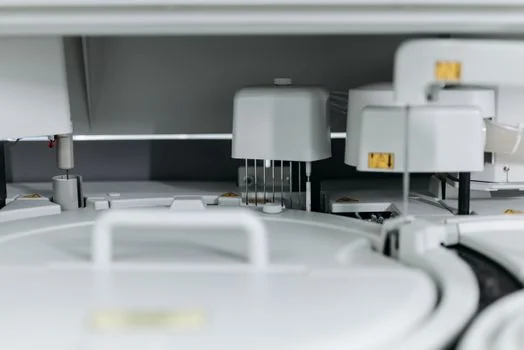
Capital expenditure (CAPEX) for industrial wastewater treatment in Toronto varies significantly based on the industry sector, effluent characteristics, and the chosen technology to achieve Bylaw 681 compliance. Selecting the appropriate system requires a detailed understanding of these costs to ensure long-term financial viability and regulatory adherence (HydropureWater field data, 2025).
For food processing facilities, which primarily deal with high FOG and TSS, DAF systems are a common choice, with CAPEX ranging from $150K–$500K for flow rates between 4–300 m³/h, achieving 92–97% FOG/TSS removal. When higher quality effluent is required, such as for discharge to sensitive environments or potential reuse, MBR systems become necessary, costing $1.2M–$3M for capacities of 10–2,000 m³/day, providing filtration down to <1 μm (Top 1 data). For metalworking industries, stringent heavy metal limits often necessitate more complex solutions. A hybrid DAF-RO (Reverse Osmosis) system, capable of removing dissolved metals, can cost $300K–$800K. Simple chemical dosing systems for pH adjustment or basic flocculation have a lower CAPEX of $50K–$200K but come with higher ongoing OPEX due to chemical consumption (HydropureWater field data, 2025).
Chemical processing plants, often dealing with a mix of organic and inorganic contaminants, may require a combination of technologies. For instance, initial chemical precipitation to remove heavy metals might be followed by biological treatment or DAF for organics. The choice of technology directly impacts the upfront investment, with hybrid DAF-RO systems for Toronto’s copper/chromium limits being at the higher end of the spectrum due to the complexity of membrane filtration and associated pre-treatment. pH adjustment, critical for Toronto’s 6.0–10.5 limit, is typically handled by automated chemical dosing systems that add acids or bases, incurring relatively low CAPEX but contributing to OPEX through chemical purchases (HydropureWater field data, 2025).
| Technology | Food Processing CAPEX | Metalworking CAPEX | Chemical Processing CAPEX |
|---|---|---|---|
| DAF System (FOG/TSS) | $150K–$500K | $100K–$300K | $150K–$450K |
| MBR System (High BOD/TSS, Reuse) | $1.2M–$3M | N/A (often combined with RO) | $1.5M–$4M |
| RO System (Heavy Metals, Reuse) | N/A (rarely standalone) | $200K–$600K | $250K–$700K |
| Hybrid DAF-RO | N/A | $300K–$800K | $400K–$900K |
| Chemical Dosing (pH, Coagulation) | $50K–$150K | $50K–$200K | $60K–$250K |
OPEX Models for Toronto: Electricity, Labor, and Chemical Costs
Operating expenses (OPEX) are a critical factor in the total cost of ownership for any industrial wastewater treatment plant in Toronto, heavily influenced by local utility rates, labor costs, and chemical consumption. Understanding these components is essential for accurate long-term budgeting and operational efficiency (HydropureWater field data, 2025).
Electricity costs in Toronto, at approximately $0.12/kWh (2025 rate), represent a substantial portion, typically 40–60%, of total wastewater treatment OPEX. Energy-intensive processes, such as aeration in biological systems or high-pressure pumps in membrane filtration, contribute significantly. For instance, DAF systems consume about 0.5–1.2 kWh/m³ treated, while MBR systems, with their finer filtration and more intensive aeration, can range from 1.5–3.0 kWh/m³ (HydropureWater field data, 2025). Labor costs in Toronto are also a major driver, with certified operators typically earning $35–$50/hr (2025 wage data). MBR systems, due to their complexity and membrane maintenance requirements, often demand up to 50% more dedicated labor compared to a DAF system. However, investing in automation for processes like PLC-controlled chemical dosing for Toronto’s pH limits can significantly reduce manual oversight and associated labor costs.
Chemical consumption is another variable but significant OPEX component. Coagulants typically cost $0.10–$0.30/m³, flocculants $0.05–$0.20/m³, and pH adjusters (acids or bases) $0.02–$0.10/m³ treated, depending on influent characteristics and dosage rates (Top 2 data). These costs can fluctuate with market prices. Finally, sludge disposal, a byproduct of most treatment processes, incurs costs of $150–$300/tonne in Toronto (2025 data). DAF systems, while effective for FOG/TSS removal, tend to produce 3–5 times more sludge by volume than MBR systems, which generate a more concentrated, dewatered sludge. Investing in efficient sludge dewatering equipment, such as a plate and frame filter press, can reduce sludge volume and thus disposal costs, but adds to the initial CAPEX (HydropureWater field data, 2025).
DAF vs. MBR vs. Chemical Dosing: Cost Comparison for Toronto’s FOG/TSS Limits
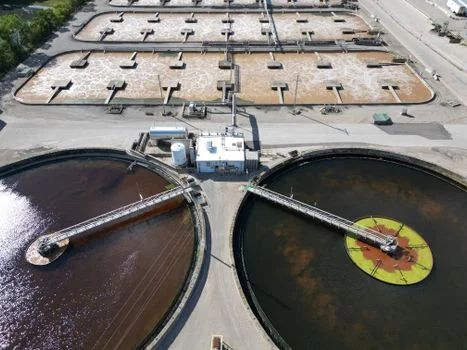
Selecting the most cost-effective wastewater treatment technology for FOG and TSS removal in Toronto requires a direct comparison of capital and operating expenses, alongside performance metrics like removal efficiency and footprint. Each technology presents a unique balance of advantages and trade-offs tailored to specific industrial needs and compliance requirements (HydropureWater field data, 2025).
Dissolved Air Flotation (DAF) systems offer a compelling balance of CAPEX and OPEX for industries primarily focused on FOG and TSS removal. With a CAPEX of $150K–$500K and OPEX ranging from $0.30–$0.80/m³, DAF systems achieve high FOG removal (92–97%) and TSS reduction. Their main drawbacks include a larger physical footprint compared to MBR and ongoing sludge disposal costs. Membrane Bioreactor (MBR) systems, while having a significantly higher CAPEX of $1.2M–$3M and OPEX of $1.50–$2.50/m³, offer near-reuse-quality effluent (<1 μm filtration) and a remarkably smaller footprint (up to 60% less space). MBR systems excel in achieving 99% TSS removal and superior biological treatment, but their higher energy consumption (1.5–3.0 kWh/m³) and maintenance for membranes contribute to increased operating costs. Chemical dosing systems, primarily used for coagulation, flocculation, and pH adjustment, represent the lowest CAPEX option at $50K–$200K. However, their OPEX can be volatile at $0.20–$0.50/m³ due to chemical purchase fluctuations, and they also generate significant sludge that requires disposal, making them less efficient for standalone FOG/TSS removal compared to DAF (HydropureWater field data, 2025).
| Feature | DAF System | MBR System | Chemical Dosing System |
|---|---|---|---|
| CAPEX Range (Toronto) | $150K–$500K | $1.2M–$3M | $50K–$200K |
| OPEX Range (Toronto, per m³) | $0.30–$0.80 | $1.50–$2.50 | $0.20–$0.50 (chemicals only) |
| FOG Removal Efficiency | 92–97% | 95–99% | 40–70% (with coagulation) |
| TSS Removal Efficiency | 90–98% | >99% | 60–90% (with flocculation) |
| Footprint (relative) | Large (e.g., 2–3x MBR) | Small (e.g., 60% less than DAF) | Small |
| Compliance Risk for Bylaw 681 FOG/TSS | Low (if sized correctly) | Very Low (excellent effluent) | Moderate to High (requires careful optimization) |
5-Step Supplier Selection Checklist for Toronto Buyers
Choosing the right wastewater treatment supplier in Toronto is a strategic decision that directly impacts compliance, operational costs, and long-term facility reliability. A structured approach ensures that the selected partner can meet the specific demands of Toronto’s regulatory environment and your industrial process (HydropureWater field data, 2025).
- Verify Bylaw 681 Compliance: Always request effluent test reports from similar installations within Toronto or the GTA. This provides concrete evidence of a supplier's ability to consistently meet local FOG, TSS, and heavy metal limits.
- Compare CAPEX/OPEX Models: Demand detailed 10-year Total Cost of Ownership (TCO) breakdowns for proposed DAF, MBR, or chemical dosing solutions. This should include Toronto-specific electricity rates, labor costs, and chemical consumption estimates.
- Assess Footprint Requirements: Evaluate the physical space needed for the proposed system. DAF systems, for example, typically require 2–3 times more space than MBR systems for the same flow rate, which can be a critical constraint in urban Toronto industrial sites.
- Review Local Support & Service: Inquire about Toronto-based service contracts, emergency response times, and the availability of local technicians. Prompt local support is crucial to reduce downtime costs and ensure continuous compliance.
- Demand Pilot Testing: For complex or highly variable industrial influent, insist on pilot testing at your facility. Onsite validation of technology performance under your specific conditions is essential to confirm efficacy and avoid costly surprises, especially given Toronto’s diverse industrial wastewater profiles.
Adopting these supplier selection best practices for Toronto buyers minimizes risk and optimizes investment.
Frequently Asked Questions
Industrial facility managers and municipal engineers in Toronto often have specific questions regarding wastewater treatment plant costs and compliance. Here are answers to common inquiries:
Q: What’s the cheapest way to meet Toronto’s FOG limit?
A: DAF systems, with a CAPEX of $150K–$500K, are a cost-effective solution for FOG removal. They achieve 92–97% FOG reduction, which is significantly cheaper than the potential fines of up to $100K/day for non-compliance under Ontario’s EPA (Top 2 data).
Q: How much does a Toronto industrial wastewater treatment plant cost per m³?
A: The operating cost per cubic meter ($/m³) for a Toronto industrial wastewater treatment plant typically ranges from $0.80–$2.50/m³. This varies by technology, with DAF systems averaging $0.30–$0.80/m³ and MBR systems costing $1.50–$2.50/m³ due to higher energy and maintenance demands (HydropureWater field data, 2025).
Q: Can I use chemical dosing instead of DAF for FOG removal?
A: Chemical dosing systems, with a CAPEX of $50K–$200K, are cheaper upfront than DAF. However, they generally have higher ongoing OPEX ($0.20–$0.50/m³ for chemicals) and produce more sludge, leading to increased sludge disposal costs ($150–$300/tonne in Toronto). DAF offers superior FOG removal efficiency for industrial applications.
Q: What’s the penalty for exceeding Toronto’s copper limit?
A: Exceeding Toronto’s copper limit (3.0 mg/L) can result in severe penalties, including fines up to $100K/day under Ontario’s Environmental Protection Act. To achieve compliance for heavy metals, hybrid DAF-RO systems with a CAPEX of $200K–$800K are typically required (Top 2 data).
Q: How do I reduce Toronto wastewater treatment OPEX?
A: To reduce OPEX, consider automating chemical dosing systems to minimize labor costs (potentially by 30%). Additionally, investing in energy-efficient equipment, such as advanced MBR systems with optimized aeration, can lower electricity consumption from 3.0 kWh/m³ to 1.5–2.0 kWh/m³ (HydropureWater field data, 2025).