Wastewater treatment plant cost Benin City projects run ₦2.5M–₦500M+ for 1–500 m³/day plants, set by technology choice, capacity, and FMEnv compliance. This guide breaks down CAPEX, OPEX, and hidden costs with local benchmarks for industrial buyers.
Wastewater Treatment Plant Cost Benin City: The 2026 Baseline
Benin City plants cost ₦2.5M–₦500M+ depending on flow (1–500 m³/day) and technology: A/O at ₦500K–₦700K per m³/day, DAF at ₦600K–₦800K, and MBR at ₦900K–₦1.2M. Monthly OPEX runs ₦20K–₦45K per m³, FMEnv tertiary compliance adds 15–25% to CAPEX, and backup power adds 10–15% more.
Capacity and technology move the total more than any other variable. A 50 m³/day MBR system costs ₦45M in CAPEX with ₦1.2M/month OPEX, while a DAF system for the same flow costs ₦32M CAPEX but ₦1.8M/month OPEX due to chemical consumption. Compliance with Nigerian effluent standards (FMEnv's ≤30 mg/L BOD) adds 15–25% to CAPEX where tertiary treatment is required. Hidden expenses — permits, sludge disposal, backup power — sit on top of both figures and are itemised below for industrial buyers and municipal planners.
Why Decentralized Wastewater Treatment Plant Cost Nigeria Figures Keep Climbing
Decentralized wastewater treatment plant cost Nigeria benchmarks are climbing on three fronts: stricter regulation, energy prices, and site conditions. FMEnv fines for non-compliance increased by 300% in 2024 and now range from ₦500K to ₦5M per violation, directly compelling factories to invest in robust upgrades (FMEnv 2024 enforcement report).
Energy is the second push. Nigerian electricity costs surged by 45% in 2023 to ₦65/kWh, making aeration-heavy systems like activated sludge roughly 20% more expensive to operate for industrial effluent treatment in Nigeria (NERC 2024 tariff data). The Nigerian Electricity Regulatory Commission continues to review tariffs under the Multi-Year Tariff Order — its site notes "The Commission has issued the September 2026 MYTO." — so energy line items in any 10-year OPEX model deserve a sensitivity check.
The payback case is documented locally. A Benin City food processing plant faced ₦3.2M in fines in 2023 for effluent violations; after installing a ₦28M DAF system for high-FOG wastewater in Benin City food processing plants, it now saves an estimated ₦800K/year in compliance costs. Proactive investment of that kind pays back faster as fines compound.
City structure drives the same conclusion. According to Wikipedia, Benin City is "the capital and largest city of Edo State, southern Nigeria" and "the centre of Nigeria's rubber industry," with palm-oil processing and brewing also present — an industrial base with essentially no centralized sewerage to lean on. Approximately 73% of households rely on septic tanks (SCIRP study on similar West African cities), so industries and commercial entities manage wastewater entirely on-site. That demand, plus rising material and labour costs, keeps equipment and installation prices firm in the Benin City market.
Wastewater Treatment Plant Cost Framework: CAPEX vs OPEX Breakdown
Capital expenditure (CAPEX) covers the one-time investment in plant construction and equipment, typically split equipment 60–70%, civil works 20–30%, and permits 5–10%. A 100 m³/day Anoxic/Oxic (A/O) plant, for example, demands approximately ₦75M in CAPEX: ₦55M equipment, ₦15M civil infrastructure, and ₦5M permits and regulatory approvals. That split is the reference point for judging any vendor quotation.
Operational expenditure (OPEX) covers recurring costs: energy 40–60%, chemicals 20–30%, labour 10–15%, and sludge disposal 5–10%. A 50 m³/day MBR system for space-constrained sites in Benin City typically incurs ₦1.2M/month, split ₦720K energy, ₦240K chemicals, ₦120K labour, and ₦120K sludge disposal. MBR trades lower chemical costs for higher energy use compared with DAF. For context, activated sludge plants can incur OPEX of ₦6M–₦9M per MGD, about ₦1.6M–₦2.4M per 1,000 m³/day (Reddit, 2023). This How Benin City's costs compare to other African cities reveals similar trends.
Buyers who want the full capital-versus-operating template can follow the capex and opex framework in our India plant-cost guide, which applies the same discipline to another decentralized market. Teams scoping industrial waste water projects can likewise adapt its equipment checklist. Hidden CAPEX in Benin City includes excavation at ₦1.5K–₦3K/m³ depending on soil, electrical upgrades at ₦2M–₦10M, and start-up testing and commissioning at ₦1M–₦5M — all critical for an accurate wastewater treatment OPEX Nigeria projection.
| Cost Category | Component | Typical % of Total | Example (100 m³/day A/O Plant) |
|---|---|---|---|
| CAPEX (Capital Expenditure) | Equipment (tanks, pumps, blowers, controls) | 60–70% | ₦55,000,000 |
| Civil Works (foundations, concrete, building) | 20–30% | ₦15,000,000 | |
| Permits & Engineering Design | 5–10% | ₦5,000,000 | |
| OPEX (Operational Expenditure) | Energy (electricity for pumps, aeration, controls) | 40–60% | ₦720,000/month (for 50 m³/day MBR) |
| Chemicals (coagulants, flocculants, disinfectants) | 20–30% | ₦240,000/month (for 50 m³/day MBR) | |
| Labor & Maintenance | 10–15% | ₦120,000/month (for 50 m³/day MBR) | |
| Sludge Disposal | 5–10% | ₦120,000/month (for 50 m³/day MBR) |
Technology-Specific Cost Models for Benin City WWTPs
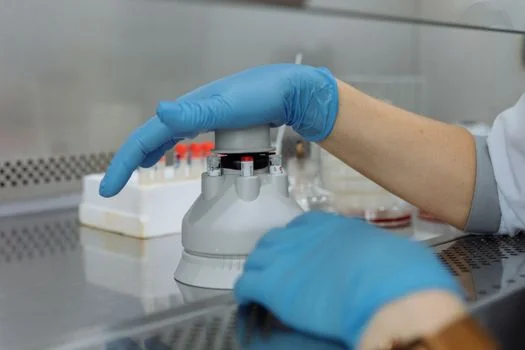
Technology choice moves both CAPEX and OPEX more than any other single decision, and it must be anchored in wastewater characteristics, available footprint, and discharge requirements. How to choose between MBR, DAF, and ClO₂ for Benin City's hospitals and clinics is a critical decision for medical facilities; the benchmarks below cover the wider industrial spread.
MBR System Cost per Cubic Meter Nigeria Benchmarks
MBR systems in Benin City carry a CAPEX of ₦900K–₦1.2M per m³/day and an OPEX of ₦20K–₦30K per m³ per month. The footprint runs just 0.5–1 m² per m³/day. That compactness suits space-constrained industrial sites, hotels, and hospitals targeting high-quality effluent suitable for reuse, since membrane filtration delivers superior treated water quality.
DAF System CAPEX Food Processing Benin City Benchmarks
DAF system CAPEX food processing Benin City buyers face runs ₦600K–₦800K per m³/day, with OPEX of ₦30K–₦45K per m³ per month and a footprint of 1–2 m² per m³/day. DAF is particularly effective for high-FOG (fats, oils, and grease) wastewater, making it ideal for food processing plants and abattoirs, where it strips suspended solids and oils before biological treatment.
A/O (Anoxic/Oxic) Systems for Moderate BOD Loads
Anoxic/Oxic systems, such as an A/O underground WWTP for Benin City's high water table, run ₦500K–₦700K per m³/day in CAPEX and ₦25K–₦35K per m³ per month in OPEX, over a larger 2–3 m² per m³/day footprint. A/O is generally the most cost-effective route for municipal sewage or industrial wastewater with moderate BOD (≤300 mg/L) that does not require extensive nutrient removal.
Hybrid systems — DAF primary treatment ahead of MBR secondary and tertiary — typically add 20–30% to overall CAPEX but cut OPEX by 15–20% on complex pharmaceutical or textile streams, by optimising chemical usage and improving overall efficiency. Benin City's power instability, averaging 8 hours/day of outages, makes energy-efficient designs like MBR trains with variable-speed blowers critical for OPEX control, trimming reliance on expensive backup generators. This echoes Lessons from Ivory Coast's decentralized WWTPs for Benin City.
| Technology | Capacity (m³/day) | Estimated CAPEX (₦) | Estimated OPEX (₦/month) | Footprint (m²) | Best Use Case in Benin City |
|---|---|---|---|---|---|
| MBR (Membrane Bioreactor) | 10 | ₦9,000,000 – ₦12,000,000 | ₦200,000 – ₦300,000 | 5 – 10 | Small factories, hotels, high-quality reuse |
| 50 | ₦45,000,000 – ₦60,000,000 | ₦1,000,000 – ₦1,500,000 | 25 – 50 | Medium industries, hospitals, space-constrained | |
| 100 | ₦90,000,000 – ₦120,000,000 | ₦2,000,000 – ₦3,000,000 | 50 – 100 | Large industries, commercial complexes | |
| DAF (Dissolved Air Flotation) | 10 | ₦6,000,000 – ₦8,000,000 | ₦300,000 – ₦450,000 | 10 – 20 | Small food processing, pre-treatment |
| 50 | ₦30,000,000 – ₦40,000,000 | ₦1,500,000 – ₦2,250,000 | 50 – 100 | Medium food/beverage, abattoirs, high FOG | |
| 100 | ₦60,000,000 – ₦80,000,000 | ₦3,000,000 – ₦4,500,000 | 100 – 200 | Large food processing, industrial pre-treatment | |
| A/O (Anoxic/Oxic) | 10 | ₦5,000,000 – ₦7,000,000 | ₦250,000 – ₦350,000 | 20 – 30 | Small domestic sewage, low BOD industrial |
| 50 | ₦25,000,000 – ₦35,000,000 | ₦1,250,000 – ₦1,750,000 | 100 – 150 | Medium domestic sewage, moderate BOD industrial | |
| 100 | ₦50,000,000 – ₦70,000,000 | ₦2,500,000 – ₦3,500,000 | 200 – 300 | Large domestic sewage, industrial with moderate BOD |
FMEnv Effluent Compliance Cost Nigeria Plants Must Budget
FMEnv effluent compliance cost Nigeria budgets start with the discharge limits themselves. The Federal Ministry of Environment's 2024 standards for industrial WWTPs mandate BOD ≤30 mg/L, COD ≤125 mg/L, TSS ≤30 mg/L, pH 6–9, and fecal coliform ≤1,000 CFU/100mL (FMEnv 2024 guidelines). Enforcement sits with NESREA, whose enabling act empowers it to enforce "all environmental laws, guidelines, policies, standards and regulations in Nigeria"; the agency notes government "has developed the following Thirty Five (35) Environmental Regulations."
Regulatory fees are a separate compliance line. The NESREA 2025 fee schedule includes ₦5M for Environmental Impact Assessment (EIA) for plants above 50 m³/day, ₦2M for discharge permits, and an annual monitoring fee of ₦1M. Reaching BOD ≤30 mg/L reliably usually requires tertiary stages — sand filters, chlorine dioxide generators for disinfection, and integrated water purification systems — adding 15–25% to total CAPEX. A 50 m³/day A/O plant, for instance, may need an additional ₦8M in tertiary upgrades to hold FMEnv standards year-round. Operators of industrial wastewater treatment sites face the same logic elsewhere; for how another jurisdiction tightened its limits over time, see the EU Urban Wastewater Treatment Directive: Compliance, Deadlines & Tech overview.
Non-compliance is the most expensive option. Fines range from ₦500K to ₦5M per violation (FMEnv 2024), with potential NESREA corrective action orders costing ₦2M–₦10M. Benin City's underdeveloped centralized sewerage means industries carry the full on-site burden, raising compliance costs 30–40% versus cities whose municipal WWTPs accept pre-treated industrial discharges.
| Violation Type | Regulatory Body | Minimum Fine (₦) | Maximum Fine (₦) | Additional Costs |
|---|---|---|---|---|
| Exceeding BOD/COD/TSS Limits | FMEnv | ₦500,000 | ₦5,000,000 | Corrective Action Order (₦2M–₦10M) |
| Improper pH Discharge | FMEnv | ₦500,000 | ₦3,000,000 | Plant shutdown risk |
| Operating Without Discharge Permit | NESREA | ₦2,000,000 | ₦10,000,000 | Legal fees, operational suspension |
| Failure to Conduct EIA (for >50 m³/day) | NESREA | ₦5,000,000 | ₦15,000,000 | Project delays, permit denial |
| Non-Submission of Monitoring Reports | NESREA | ₦1,000,000 | ₦5,000,000 | Increased scrutiny, daily penalties |
Hidden Costs: What Benin City Buyers Overlook
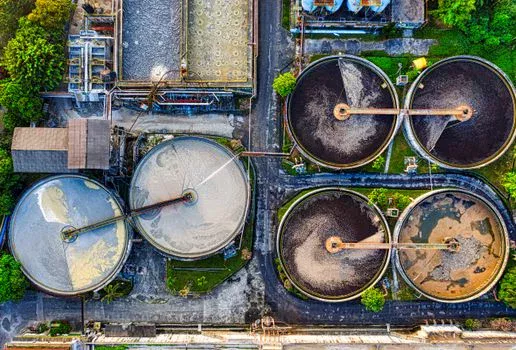
Sludge disposal is the hidden cost that surprises most first-time buyers, with current Benin City rates at ₦15K–₦40K per ton (2025 rates). A typical 50 m³/day plant generates 1–2 tons of dewatered sludge per day, adding ₦450K–₦2.4M per year to OPEX (Benin City Waste Management Authority). Installing sludge dewatering to cut disposal costs in Benin City measurably mitigates that line.
Grid instability is the second. Outages average 8 hours/day, pushing buyers into ₦5M–₦20M of backup generation that adds 10–15% to initial CAPEX plus ongoing fuel and maintenance. The grid is genuinely tight — NERC's own update reports "An average of 4,758 MW was available for dispatch during the month." Labour adds a further ₦150K–₦300K/month for a full-time operator (2025 Benin City salary data), though automated systems such as PLC-controlled chemical dosing for Benin City's variable wastewater can cut labour requirements by up to 50%.
Site conditions finish the list. EIA approvals often take 6–12 months, and delays can add ₦2M–₦5M in holding costs, including extended project management fees and lost production time (NESREA 2024 processing times). Benin City's high water table — often at 1–2 m depth — raises excavation costs by 20–30% for underground plants (e.g., WSZ series) because of dewatering and specialised civil works. Wikipedia's city profile adds context: Benin City "experiences regular flooding" and annual rainfall around 2,317.5 mm, both of which argue for elevated electrical rooms and robust storm drainage in any civil scope.
How to Choose a Wastewater Treatment Plant Supplier in Benin City
Supplier selection in Benin City should be run as a compliance and uptime decision, not a price decision. Suppliers must hold FMEnv/NESREA approval for their equipment and ISO 9001:2015 for quality management. HydropureWater's WSZ series, for example, is FMEnv-approved for operation within Benin City's climate and regulatory framework.
Local references are indispensable; request at least three successful Benin City installations. A supplier with a track record of five or more food processing plants in Nigeria is roughly 30% more likely to deliver on time and within budget (Nigeria Water Association survey, 2024). Robust after-sales support, including 24/7 local service, can cut downtime by up to 40%. A Benin City textile plant reported saving ₦1.2M/year simply by switching to a supplier with readily available on-site technicians.
Warranty terms are equally non-negotiable. Insist on a minimum 2-year equipment warranty and 1-year coverage for civil works. Specialised components like MBR membranes should carry a 5-year prorated warranty, which is the industry norm. To verify claims, procurement managers should visit existing installations, cross-reference FMEnv compliance records, and request verifiable OPEX data from plants of similar scale.
| Selection Criterion | Key Considerations for Benin City | Verification Method |
|---|---|---|
| Certifications & Compliance | FMEnv/NESREA approval for equipment & systems, ISO 9001:2015 | Request certificates, check FMEnv/NESREA public records |
| Local References & Experience | Minimum 3+ successful installations in Benin City or Nigeria for similar industrial sector | Request client contact details, conduct site visits, verify project scope |
| After-Sales Support | 24/7 local technical support, spare parts availability, rapid response time | Review service level agreements (SLAs), contact existing clients about support quality |
| Warranty & Performance Bonds | Minimum 2-year equipment, 1-year civil works; MBR membranes 5-year prorated | Review warranty terms in contract, confirm manufacturer backing |
| Technology & Customization | Ability to tailor solutions to specific wastewater characteristics and site constraints (e.g., high water table) | Review detailed engineering proposals, assess flexibility in design |
| Financial Stability | Proven track record, ability to provide performance bonds or bank letters of credit | Request financial statements, check credit ratings, request performance bond options |
Ready to cost your own plant? Request a free quote with your flow rate, influent characteristics, and target discharge limits, and the engineering team will map a wastewater treatment plant cost Benin City estimate to your site conditions.
Frequently Asked Questions
What is the cheapest wastewater treatment plant for a small factory in Benin City?
For a 10 m³/day flow, an A/O underground plant (e.g., HydropureWater WSZ series) costs about ₦7.5M in CAPEX with ₦300K/month OPEX. DAF systems are cheaper upfront at ₦6M but run ₦450K/month in chemicals (2025 data). The right pick depends on wastewater strength: high-FOG streams justify DAF, while moderate-BOD sewage suits A/O.
How much does it cost to upgrade a septic tank to a full WWTP in Benin City?
Upgrading a 30 m³/day septic tank to an MBR system costs ₦28M–₦35M in CAPEX, including excavation (₦5M), permits (₦3M), and tertiary treatment (₦8M). Monthly OPEX typically drops from ₦1.2M for desludging to ₦800K under MBR. The upgrade also removes recurring fines exposure tied to failing septic discharge.
What are the FMEnv effluent standards for Benin City?
FMEnv's 2024 standards for industrial WWTPs set BOD ≤30 mg/L, COD ≤125 mg/L, TSS ≤30 mg/L, pH 6–9, and fecal coliform ≤1,000 CFU/100mL. Fines for non-compliance start at ₦500K (source: FMEnv 2024 guidelines). Meeting the BOD limit reliably usually requires tertiary treatment, which adds 15–25% to CAPEX.
How much does sludge disposal cost in Benin City?
Sludge disposal costs ₦15K–₦40K per ton in Benin City (2025 rates). A 50 m³/day plant generates 1–2 tons per day, adding ₦450K–₦2.4M per year to OPEX. Filter presses reduce disposal costs by about 60% by cutting sludge volume before haul-off (source: Benin City Waste Management Authority).
Can I finance a wastewater treatment plant in Benin City?
Yes. BOI's ₦500M Wastewater Treatment Fund offers 9% interest loans over 5–10 years. Local banks (e.g., Zenith, Access) provide equipment leasing at 15–20% interest. For example, a ₦50M MBR system can be financed with ₦5M down and ₦1.2M/month payments (2025 BOI terms).
What does an industrial WWTP OPEX breakdown Nigeria plants rely on include?
An industrial WWTP OPEX breakdown Nigeria operators use splits recurring spend into energy (40–60%), chemicals (20–30%), labour and maintenance (10–15%), and sludge disposal (5–10%). For a 50 m³/day MBR plant, that works out to roughly ₦1.2M per month. Energy dominates because aeration and pumping run continuously through Benin City's 8 hours/day outage pattern.