Ivory Coast’s municipal sewage treatment plants must meet DPE 2020 effluent standards (COD ≤125 mg/L, BOD ≤25 mg/L, TSS ≤35 mg/L) while handling influent with COD up to 800 mg/L in urban areas like Abidjan. The Arab Contractors’ 2023 project in Gagnoa and Daloa (6 plants, €80M CAPEX) used anoxic/aerobic (A/O) systems for 92–96% COD removal, while Veolia’s La Mé plant (240,000 m³/day) leveraged MBR for reuse-quality effluent. This guide provides 2025 engineering specs, cost benchmarks, and a zero-risk supplier selection framework for Ivory Coast municipalities.
Ivory Coast’s Municipal Wastewater Challenge: Why 2025 Is a Turning Point
Abidjan’s population reached 5.6 million in 2024, growing at an annual rate of 4.5%, placing immense strain on aging septic systems and contributing to 30% of urban flooding incidents (World Bank 2023).This rapid urbanization, coupled with insufficient infrastructure, creates a significant challenge for municipal sewage treatment plant in Ivory Coast. The nation's 2020–2030 Water Security Plan targets 100% urban sewage treatment coverage by 2030, a substantial increase from just 22% in 2020 (Ministry of Hydraulics). Achieving this goal requires a strategic and informed approach to technology selection, financing, and project execution. The plan emphasizes not only expanding capacity but also improving the resilience of infrastructure to climate change and promoting resource recovery from wastewater. Untreated sewage poses severe public health risks, including the spread of waterborne diseases like cholera, typhoid, and dysentery, which disproportionately affect vulnerable populations in informal settlements. Environmentally, the discharge of raw or inadequately treated wastewater leads to the pollution of lagoons, rivers, and coastal waters, harming aquatic ecosystems and impacting local fisheries, a vital source of livelihood.
A notable initiative, the Arab Contractors’ 2023 project, involved the construction of six wastewater treatment plants across Gagnoa, Daloa, Soubré, Seguela, and two other cities, with a total CAPEX of €80 million. These plants are designed to serve 1.2 million people but primarily utilize anoxic/aerobic (A/O) systems, often lacking tertiary treatment necessary for advanced wastewater reuse in applications like irrigation or industrial processes. This represents a missed opportunity for water conservation in a region increasingly affected by climate change. By not incorporating advanced treatment for reuse, municipalities forgo the potential to create new water sources for agriculture, which employs a significant portion of the Ivorian workforce, or for industrial cooling and process water, thereby reducing reliance on dwindling freshwater reserves and enhancing food security.
Climate change further exacerbates the situation, increasing rainfall variability and the frequency of extreme weather events. Gagnoa’s 2022 floods, for instance, overwhelmed combined sewers, leading to the release of an estimated 500,000 m³ of untreated sewage into the environment (UNEP 2023). This highlights the urgent need for flood-resilient designs in new municipal sewage treatment plant infrastructure, including decentralized systems and robust storm management plans. The economic costs of such flooding incidents are substantial, impacting property, infrastructure, and public health services, often running into millions of euros annually.
Currently, Ivory Coast faces a substantial 'sewage gap': existing treatment capacity stands at approximately 1.5 million m³/day, while projected demand is expected to reach 3.8 million m³/day by 2030. Abidjan alone accounts for over 60% of this deficit, underscoring the critical need for scalable, efficient, and compliant wastewater treatment solutions. Beyond Abidjan, secondary cities like Bouaké and San-Pédro are also experiencing rapid growth, contributing significantly to the national wastewater challenge. Addressing this gap requires an estimated investment of over €2 billion in new infrastructure over the next decade, necessitating innovative financing models and strong public-private partnerships.
Ivory Coast’s Effluent Standards: DPE 2020, WHO Guidelines, and Local Discharge Limits
DPE 2020 (Décret Présidentiel sur les Eaux Usées) sets specific municipal effluent limits that all new and existing sewage treatment plants in Ivory Coast must adhere to for discharge into receiving waters.These standards are foundational for designing and operating a compliant municipal sewage treatment plant in Ivory Coast. For general discharge, the limits are: Chemical Oxygen Demand (COD) ≤125 mg/L, Biochemical Oxygen Demand (BOD) ≤25 mg/L, Total Suspended Solids (TSS) ≤35 mg/L, and E. coli ≤1,000 CFU/100mL. These parameters are crucial indicators of water quality; COD and BOD measure the organic pollution load, TSS indicates particulate matter that can settle and consume oxygen, while E. coli is a key indicator of fecal contamination and potential pathogen presence. However, for applications involving wastewater reuse in irrigation or industrial processes, stricter limits apply, aligning closely with the WHO Guidelines for the Safe Use of Wastewater (2022), which mandate COD ≤50 mg/L and E. coli ≤10 CFU/100mL, particularly for unrestricted irrigation of food crops consumed raw.
Abidjan’s industrial zones, such as Vridi, impose additional requirements for industrial wastewater pre-treatment, stipulating that effluent discharged into municipal sewers must meet a COD ≤500 mg/L (Ministry of Environment 2024). This prevents overloading municipal facilities not designed for high-strength industrial waste, which often contains heavy metals, persistent organic pollutants, and high concentrations of fats, oils, and grease (FOG) from sectors like agro-processing, textiles, and chemicals. Effective industrial pre-treatment is vital to protect municipal infrastructure and ensure the overall efficiency of the central treatment plant.
Comparing DPE 2020 to international benchmarks, such as the EU Urban Waste Water Directive 91/271/EEC, reveals key differences. For instance, the EU directive typically requires nutrient removal (nitrogen and phosphorus) for discharge into sensitive areas, a requirement not universally mandated by DPE 2020. This distinction influences technology selection and operational complexity, as excess nitrogen and phosphorus can lead to eutrophication in receiving waters, causing algal blooms, oxygen depletion, and severe ecological damage. While DPE 2020 currently focuses on organic load and pathogens, future revisions may incorporate stricter nutrient limits as environmental awareness grows.
Enforcement of DPE 2020 is managed by ANDE (Agence Nationale de l’Eau), which conducts annual audits and imposes significant penalties for non-compliance, including fines ranging from XOF 5 million to XOF 50 million, and potential permit revocation. ANDE's regulatory framework includes regular monitoring, site inspections, and a clear process for reporting and addressing violations. Ensuring DPE 2020-compliant disinfection (E. coli ≤1,000 CFU/100mL) is critical, often achieved using advanced methods like chlorine dioxide generators, UV sterilization, or advanced chlorination. For a broader perspective on regulatory frameworks, engineers can compare Europe’s strict effluent standards or South Africa’s DWS 2013 standards to Ivory Coast’s DPE 2020.
| Parameter | DPE 2020 (General Discharge) | WHO Guidelines (Irrigation Reuse) | EU Urban Waste Water Directive (Typical) |
|---|---|---|---|
| COD | ≤125 mg/L | ≤50 mg/L | ≤125 mg/L |
| BOD₅ | ≤25 mg/L | ≤10 mg/L | ≤25 mg/L |
| TSS | ≤35 mg/L | ≤10 mg/L | ≤35 mg/L |
| E. coli | ≤1,000 CFU/100mL | ≤10 CFU/100mL | Not directly specified for discharge; often <1000 CFU/100mL for bathing waters |
| Total Nitrogen (TN) | Not specified | Not specified | 10-15 mg/L (for sensitive areas) |
| Total Phosphorus (TP) | Not specified | Not specified | 1-2 mg/L (for sensitive areas) |
Table 1: Comparison of Key Effluent Standards for Municipal Wastewater Treatment
Municipal Sewage Treatment Technologies for Ivory Coast: MBR vs. A/O vs. DAF Head-to-Head
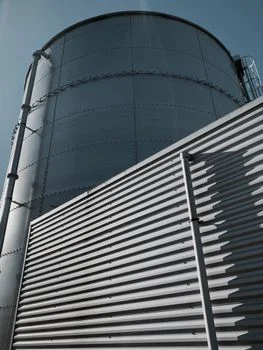
MBR systems offer superior effluent quality, achieving 95–99% COD removal and producing effluent with COD consistently below 30 mg/L. This makes MBR systems for Ivory Coast municipalities ideal for applications requiring reuse-ready effluent, such as irrigation or industrial processes. Beyond high organic removal, MBRs also provide excellent pathogen removal and a significantly smaller footprint compared to conventional activated sludge systems. However, MBR technology typically entails a higher CAPEX, estimated between €12–€18M for a 10,000 m³/day plant, and higher energy consumption (0.8–1.2 kWh/m³) due to membrane aeration and filtration. Operational challenges include membrane fouling, which requires regular cleaning and specialized maintenance, and the need for highly skilled operators, which can be a limiting factor in some regions of Ivory Coast.
A/O systems provide a robust and cost-effective solution, delivering 92–96% COD removal with effluent COD typically below 50 mg/L. These systems, exemplified by the A/O systems for small towns (Gagnoa, Daloa) used in Arab Contractors’ 6-city project, have a lower CAPEX (€5–€8M for 10,000 m³/day) but require a larger physical footprint, often twice that of an MBR plant. They are a popular choice for their balance of performance and cost, particularly when land is readily available and the primary goal is to meet general discharge limits without immediate plans for advanced reuse. While basic A/O systems do not typically achieve advanced nutrient removal, they can be modified with additional anoxic or anaerobic zones to enhance nitrogen and phosphorus removal, albeit with increased complexity and footprint. Their operational simplicity compared to MBRs makes them attractive for regions with less access to highly specialized technical staff.
DAF systems are primarily designed for efficient Total Suspended Solids (TSS) and oil and grease removal. While not a standalone biological treatment for municipal sewage, DAF is highly effective as a pre-treatment step, especially for influent with high concentrations of FOG or suspended solids, or for sludge thickening. It works by introducing fine air bubbles into the wastewater, which attach to solid particles, causing them to float to the surface for skimming. This process can significantly reduce the load on subsequent biological treatment stages, improving overall plant efficiency and reducing energy consumption for aeration. DAF systems are also suitable for treating industrial wastewater components entering the municipal network. However, DAF requires chemical conditioning (coagulants and flocculants) and generates sludge that needs further dewatering and disposal, adding to operational costs.
Related Equipment
- DAF systems for pre-treatment or small towns (50–1,000 m³/day) — view specifications, capacity range, and technical data
- Sludge dewatering to cut disposal costs by 60% (Arab Contractors’ €1.2M/year savings) — view specifications, capacity range, and technical data
Need a customized solution? Request a free quote with your specific flow rate and pollutant parameters.
Further Reading
Explore these in-depth articles on related wastewater treatment topics: