Fort Worth industrial plants need sewage treatment trains that hold TCEQ permit limits—commonly 30 mg/L BOD and 30 mg/L TSS on secondary-treatment permits. Those trains must also handle high-strength loads from oil and gas, food processing, aerospace, and chemical manufacturing. In practice, plant engineers compare Fort Worth equipment suppliers on DAF FOG and TSS capture, MBR reuse-quality effluent, package-plant footprint, lead time, and documented TCEQ support—not catalog horsepower alone. Package-plant CAPEX in current Fort Worth bids still clusters near $120,000–$1,200,000 depending on flow and technology. A North Fort Worth refinery that sees a 20% summer COD spike can trip ammonia or BOD limits within days if aeration and solids removal were sized only for average flow.
What Fort Worth equipment suppliers must deliver for industrial buyers
Fort Worth sewage treatment vendors win industrial work when trains meet site-specific TCEQ limits, hard-water scaling risk, and summer aeration demand. DAF FOG and TSS removal typically lands in the mid-90% range. MBR effluent often stays below 1 mg/L BOD at design MLSS. Buyers should score local service, sealed engineering reports, and worst-case kinetic sizing before CAPEX.
Fort Worth's Industrial Wastewater Challenges: What Your Equipment Must Handle
Industrial wastewater in the Dallas–Fort Worth metroplex varies widely in strength and mineral load, which fouls membranes and confuses polymer dosing if pretreatment is thin. Facilities in the Trinity River Basin often face different nitrogen limits than sites nearer Lake Worth, so equipment selection stays site-specific. In Fort Worth, average water hardness commonly ranges from 250 to 400 mg/L as calcium carbonate, which pushes plants toward robust pretreatment or scale inhibition wherever heat exchangers or fine membranes are used.
Seasonal heat in North Texas changes biological kinetics more than many catalogs admit. When ambient air exceeds 100°F, holding-tank wastewater can climb to 95°F or higher. Reaction rates rise, but dissolved oxygen solubility falls, so aeration trains often need 20–30% more capacity than temperate-climate designs to keep aerobic DO setpoints (HydropureWater field data, 2025).
| Industrial Sector | Primary Contaminants | Typical COD/BOD Range (mg/L) | TSS/FOG Range (mg/L) | Fort Worth Regulatory Focus |
|---|---|---|---|---|
| Oil & Gas / Refineries | Hydrocarbons, Phenols, Sulfides | 500 - 5,000 COD | 200 - 1,500 TSS | TCEQ Chapter 319 (Reporting) |
| Food Processing | Sugars, Proteins, Fats/Oils | 1,000 - 10,000 BOD | 500 - 3,000 FOG | Surcharge mitigation & FOG limits |
| Aerospace Manufacturing | Heavy Metals, Surfactants | 200 - 800 COD | 50 - 300 TSS | Pretreatment for POTW compliance |
| Chemical Production | Complex Organics, High TDS | 2,000 - 15,000 COD | 100 - 500 TSS | Toxicity Testing (WET) |
For facilities discharging into the Trinity River Basin, ammonia-N limits are often capped at 10 mg/L, which forces a dedicated nitrification stage. Lake Worth watershed permits may set phosphorus as low as 5 mg/L to limit reservoir eutrophication. Industrial wastewater treatment Fort Worth TX scopes therefore need nutrient removal capability alongside solids and oil separation.
Key Sewage Treatment Technologies for Fort Worth Industries: Specs and Selection Criteria
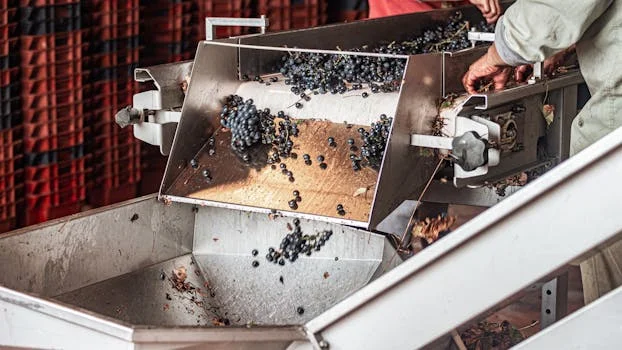
Technology choice follows target effluent quality and available pad space at the Fort Worth site. Dissolved air flotation remains the primary FOG and TSS workhorse. Membrane bioreactors dominate when reuse quality or ultra-low discharge limits matter more than energy cost.
Dissolved Air Flotation (DAF) Systems
For food processing wastewater Fort Worth loads, Fort Worth-optimized DAF systems for industrial FOG removal are built around 20–50 μm microbubbles from a recycle pump and saturation tank. Hydraulic loading rates typically range from 5 to 15 m/h. Local applications commonly reach 95–99% FOG removal and up to 97% TSS removal when paired with precise chemical dosing for Fort Worth's hard water treatment. High calcium interferes with polymer bridging if pH and alkalinity are not balanced before the flotation cell.
Membrane Bioreactor (MBR) Systems
Where yard space is scarce, space-efficient MBR systems for Fort Worth's urban industrial sites cut footprint by about 40–60% versus conventional activated sludge. Typical membrane pore sizes run 0.1 to 0.4 μm with MLSS between 8,000 and 12,000 mg/L. Energy use is higher—about 0.8–1.2 kWh/m³ versus 0.4–0.6 kWh/m³ for conventional aeration—but effluent BOD often sits below 1 mg/L, which clears most TCEQ discharge limits Texas secondary-treatment setpoints with margin. For compact domestic-style flows at industrial campuses, an Underground Package Sewage Treatment Plant (WSZ Series) can sit under parking or green space when a buried package train fits the permit path.
| Technology Type | Footprint (m²/m³/day) | Automation Level | Typical Removal Rates | Maintenance Profile |
|---|---|---|---|---|
| DAF | 0.2 - 0.5 | PLC with Remote Monitoring | 95% TSS, 98% FOG | Monthly mechanical check |
| Integrated MBR | 0.5 - 1.2 | Full SCADA Integration | 99% BOD, 99.9% TSS | Membrane cleaning (CIP) |
| Package Plant (SBR) | 1.0 - 2.0 | Automated Batch Control | 90% BOD, 92% TSS | Quarterly sludge wasting |
| Multi-Media Filtration | 0.3 - 0.6 | Auto-Backwash | 85% TSS (Post-Bio) | Annual media replacement |
Sludge handling closes the OPEX loop. In Fort Worth, wet sludge disposal costs have risen to $50–$120 per ton. A filter press that reaches 25–35% solids cuts haul volume versus a centrifuge at 18–25% solids. Effective Fort Worth DAF system maintenance best practices start with scraper and float-beach checks so float solids leave the tank dry enough for dewatering.
How do plant buyers compare wastewater equipment suppliers?
Plant buyers compare wastewater equipment suppliers on core hardware fit, TCEQ documentation depth, lead time, and local service hours—not brochure claims alone. Direct manufacturers, integrators, distributors, rental fleets, and specialty OEMs serve different risk profiles in the Fort Worth market.
| Supplier Category | Core Equipment | TCEQ Support | Avg. Lead Time | Service Response |
|---|---|---|---|---|
| Direct Manufacturers | DAF, MBR, Sludge Presses | Full Engineering Reports | 12-18 Weeks | 4-8 Hours (Local Techs) |
| System Integrators | Custom Skid-Mounted Units | Permit Documentation | 16-24 Weeks | 12-24 Hours |
| Industrial Distributors | Pumps, Filters, Blowers | Manufacturer Docs Only | 2-6 Weeks | Varies by Brand |
| Environmental Services | Mobile/Rental Systems | Operational Compliance | 1-2 Weeks | 2-4 Hours |
| Specialty OEM Groups | Advanced Oxidation/RO | Technical Consulting | 20-30 Weeks | Remote/Scheduled |
Performance guarantees belong in the purchase order. Most industrial contracts we see specify 95–99% uptime and numeric BOD/TSS removal benchmarks at stated influent ranges. One Fort Worth food processor that replaced an aging clarifier with a high-rate DAF cut city sewer surcharges about 40% in the first quarter after startup. Tarrant County after-sales packages usually include 24-hour emergency response and local stock of scrapers, gaskets, and membrane modules.
Customization for 105°F design days separates serious vendors from catalog resellers. Suppliers who size blowers and diffusers for worst-case oxygen transfer avoid the DO crash that kills nitrifiers and triggers permit exceedances. Shortlists of Fort Worth equipment suppliers should therefore weight kinetic sizing evidence equal to CAPEX.
What makes a wastewater equipment supplier reliable for utilities?
A wastewater equipment supplier is reliable for utilities when sealed Texas PE reports, sampling access, continuous pH/flow monitoring where required, and Class A/B operator support ship with the hardware—not as afterthoughts. TCEQ industrial dischargers follow Chapter 305 consolidated permits plus Chapter 319 monitoring and reporting rules, and design packages for domestic-style units still lean on Chapter 217 criteria.

Buying a package sewage plant Fort Worth install without a compliance checklist is how projects stall at permit review. Use this selection checklist before you release a purchase order:
- Engineering Report (TAC §217): Does the proposal include a signed and sealed engineering report from a Texas Licensed Professional Engineer? New system permits typically require it.
- Sampling Protocols: Are grab and composite sample ports safe and accessible under your TPDES permit?
- Monitoring Equipment: For Trinity River Basin discharge, does the train include continuous pH and flow monitoring and hold a 10 mg/L ammonia-N threshold when that limit applies?
- Spill Prevention: Does the site plan provide secondary containment for coagulants and polymers against TCEQ Tier II thresholds?
- Operator Certification: Do you have a Class B or Class A licensed operator? Most Texas industrial systems over 0.5 MGD need that level of certification.
- Hard-water pretreatment: Is antiscalant or softening specified for 250–400 mg/L CaCO₃ hardness before MBR or heat-exposed surfaces?
- Peak-temperature aeration: Are blowers sized for ≥95°F wastewater with 20–30% DO capacity margin?
For process detail on applications and timelines, use a complete TCEQ permitting process for Fort Worth facilities. Missed monitoring or unauthorized discharge can draw civil penalties that historically run into tens of thousands of dollars per day per violation under Clean Water Act frameworks, so supplier compliance support carries real cash value.
Cost Analysis: Sewage Treatment Equipment in Fort Worth (2025 Data)
Capital and operating cost both matter when you shortlist a sewage treatment equipment supplier in Fort Worth. MBR CAPEX runs higher, but reuse-quality permeate can offset city water purchase costs, which in Fort Worth still average about $5.00 per 1,000 gallons for planning-level water reuse ROI models.
| System Type | CAPEX Range (Small-Large) | OPEX ($/m³) | Power Needs | Est. ROI (Years) |
|---|---|---|---|---|
| Industrial DAF | $80,000 - $500,000 | $0.15 - $0.35 | Moderate | 1.5 - 3.0 |
| Integrated MBR | $200,000 - $1,200,000 | $0.45 - $0.85 | High | 3.5 - 5.0 |
| Package SBR Plant | $120,000 - $800,000 | $0.25 - $0.50 | Low-Moderate | 2.5 - 4.0 |
Fort Worth OPEX is driven by power, chemicals, and sludge haul. Energy often lands near $0.05–$0.15 per m³ treated; coagulants and pH control add about $0.10–$0.30 per m³. A plant making 10 tons of wet sludge per week can spend more than $50,000 per year on disposal alone. For line-item Texas benchmarks, see a detailed Texas wastewater treatment cost analysis.
ROI Calculation Framework:
Annual Savings = (Surcharge Reductions) + (Water Reuse Value) − (New OPEX)
Payback Period = Total System CAPEX / Annual Savings
Earlier guidance used a flat 2% interest rate labeled as a TCEQ Clean Water State Revolving Fund loan. Texas CWSRF financing is administered by the Texas Water Development Board. Current terms price loans as a percentage cut from market MMD rates—35% below market for equivalency projects and 30% for non-equivalency projects. Limited 0% loans remain available for qualifying small/rural or urgent-need work (TWDB CWSRF). Public and some private nonpoint/estuary applicants remain the core borrowers; private industrial plants should confirm eligibility before banking on SRF cash flow.
Who this is for / Next step
Who this is for: EPC and plant engineers specifying DAF, MBR, or package sewage trains for Fort Worth industrial sites under TCEQ TPDES or pretreatment limits. Who should look elsewhere: homeowners seeking septic-only repairs, or buyers who only need a single pump without process design. If you already have influent data and a target effluent table, request a sized proposal through our industrial wastewater equipment inquiry form with flow, COD/BOD, FOG, and discharge limits attached.
Frequently Asked Questions
What are typical lead times for industrial DAF systems in Fort Worth?
Standard industrial DAF units for Fort Worth projects currently ship in about 12 to 18 weeks from approved drawings. Custom skids or exotic metallurgy for corrosive oil and gas wastewater can stretch to about 24 weeks when specialty pumps or saturation vessels are on long lead. Build that window into TCEQ construction schedules before you commit to a startup date.
Does Fort Worth offer incentives for industrial water reuse?
Direct municipal rebates vary by year and program, so the main cash incentive is usually avoided tiered water purchase and sewer surcharges. An MBR train that recycles process water can cut freshwater intake by up to 80% on closed-loop wash or cooling makeup duties. Run the ROI with your actual $/1,000 gallon water and surcharge rates, not a generic Texas average.
How does Fort Worth hard water affect MBR membranes?
Calcium carbonate hardness of 250–400 mg/L drives rapid inorganic scaling on membrane surfaces if antiscalant or softening is skipped. Successful Fort Worth MBR installs use precise chemical dosing for Fort Worth's hard water treatment upstream so CIP intervals stay closer to design. Most plants we size for hard North Texas water run continuous antiscalant at the lower end of the vendor dose chart and verify LSI weekly.
What is the difference between a package plant and a custom-built system?
A package sewage plant Fort Worth buyers specify is a pre-engineered, skid-mounted or modular train built for faster install and smaller flows. Custom-built systems fit flows above about 0.5 MGD or multi-stage chemical waste that needs dedicated equalization, metals, or oxidation steps. Choose package when the waste is domestic-strength and the pad is constrained; choose custom when toxicity or high TDS dominates.
How should utilities shortlist reliable wastewater plant equipment suppliers?
Utilities should shortlist suppliers that provide sealed PE engineering reports, numeric removal guarantees at stated influent conditions, and documented local response times under 8–24 hours. Ask for recent Texas references with similar hardness and summer temperature profiles. Prefer vendors who size aeration for peak wastewater temperature, not average annual air temperature alone.