Why Display Panel Wastewater Requires Specialized Treatment Systems
Display panel manufacturing wastewater requires specialized treatment to remove high concentrations of TMAH (500–2,000 mg/L), photoresist (100–500 mg/L COD), and heavy metals like indium (≤ 5 mg/L) and copper (≤ 10 mg/L). A 2025 hybrid DAF-MBR-RO system achieves 99.5% TSS removal and 98% COD reduction, meeting EPA 40 CFR Part 469 limits (COD ≤ 125 mg/L, TSS ≤ 30 mg/L). CAPEX ranges from $300K for small-scale DAF systems to $5M for full zero-liquid discharge (ZLD) plants, with OPEX of $0.80–$2.50/m³ treated.
The unique effluent characteristics from TFT-LCD, OLED, and microLED fabrication processes render conventional municipal wastewater treatment systems ineffective. TMAH, utilized as a developer and stripper, forms stable emulsions with photoresist residues, making traditional coagulation and flocculation methods insufficient for solids separation. These stable emulsions, combined with the chelating properties of TMAH, prevent effective settling of suspended solids and COD-laden organic matter. the presence of heavy metals such as indium and copper, introduced during sputtering, etching, and plating processes, necessitates targeted removal to comply with stringent environmental regulations. Conventional treatment often fails to address these complex chemical matrices, leading to non-compliance and potential fines.
Regulatory drivers are significant, with the EPA's 40 CFR Part 469 setting discharge limits for electronics manufacturing, including COD ≤ 125 mg/L and TSS ≤ 30 mg/L. Globally, the EU Industrial Emissions Directive (IED) 2010/75/EU imposes even stricter limits, particularly for heavy metals like copper (≤ 0.5 mg/L), and mandates the use of Best Available Techniques (BAT). China's GB 31573-2015 standard also outlines specific discharge parameters for wastewater from similar industries. These regulations underscore the need for advanced treatment solutions that can reliably achieve high removal efficiencies for a complex mix of contaminants.
| Parameter | Typical Display Panel Wastewater (mg/L) | EPA 40 CFR Part 469 Limits (mg/L) | EU IED Limits (Example, mg/L) | China GB 31573-2015 (Example, mg/L) |
|---|---|---|---|---|
| TMAH | 500–2,000 | N/A (pH control) | N/A (pH control) | N/A (pH control) |
| COD | 100–500 | ≤ 125 | ≤ 50-100 | ≤ 100-150 |
| TSS | 50–200 | ≤ 30 | ≤ 20-30 | ≤ 50-100 |
| Indium | ≤ 5 | N/A (general metals) | ≤ 0.1-0.5 | ≤ 1-2 |
| Copper | ≤ 10 | N/A (general metals) | ≤ 0.5 | ≤ 0.5-1 |
| pH | Variable (often alkaline) | 6–9 | 6–9 | 6–9 |
How Hybrid DAF-MBR-RO Systems Treat Display Panel Wastewater: Step-by-Step Process
A hybrid DAF-MBR-RO system offers a robust, multi-stage approach to effectively treat complex display panel wastewater, ensuring compliance and enabling water reuse. This integrated process begins with Dissolved Air Flotation (DAF) to remove bulk solids and emulsified oils, followed by Membrane Bioreactor (MBR) for biological degradation of organic contaminants, and concludes with Reverse Osmosis (RO) for polishing and heavy metal removal.
Step 1: Pre-treatment with Dissolved Air Flotation (DAF). Influent wastewater is introduced into a DAF tank where micro-bubbles, generated by dissolving air under pressure and then releasing it, attach to suspended solids and FOG (fats, oils, and grease). These buoyant aggregates rise to the surface and are continuously skimmed off. A high-efficiency DAF system for TSS and FOG removal can achieve 90–95% removal of these contaminants, significantly reducing the organic and solids load on downstream processes and preventing premature fouling of MBR membranes. The DAF unit is crucial for breaking down the stable emulsions characteristic of display panel effluent.
Step 2: Biological Treatment with Membrane Bioreactor (MBR). The clarified effluent from the DAF system is directed to a submerged PVDF MBR system for COD and TMAH degradation. The MBR combines biological treatment with membrane filtration, operating at high Mixed Liquor Suspended Solids (MLSS) concentrations, typically ranging from 8,000–12,000 mg/L. This high biomass concentration enhances organic removal efficiency. With a Hydraulic Retention Time (HRT) of 12–24 hours, the MBR effectively degrades a significant portion of the dissolved organic matter and can partially break down TMAH. However, for TMAH concentrations exceeding 1,500 mg/L, direct biological treatment can be inhibited, potentially requiring pre-oxidation or dilution.
Step 3: RO for Heavy Metals Removal and Water Reuse. The treated effluent from the MBR is then fed to a high-rejection RO system for heavy metals removal and water polishing. Polyamide thin-film composite membranes are commonly used, offering rejection rates of 95–99% for dissolved salts and heavy metals such as copper and indium. The RO process produces a high-quality permeate suitable for reuse in non-critical applications like cooling tower makeup or general facility cleaning, significantly reducing freshwater intake. For applications requiring ultra-pure water, additional polishing steps like ion exchange or electrodialysis may be necessary.
Step 4: Sludge Handling and Disposal. The sludge generated from the DAF and MBR processes requires careful handling. DAF sludge typically contains a high proportion of FOG and solids, while MBR sludge is rich in biomass. Dewatering is commonly performed using an automated sludge dewatering for hazardous waste disposal, such as plate-and-frame filter presses, achieving 20–30% dry solids content. Due to the potential presence of heavy metals and residual TMAH, this sludge may be classified as hazardous waste, requiring specialized disposal methods like incineration or secure landfilling.
A typical process flow diagram for a display panel wastewater treatment system would be: Influent → DAF Unit → Equalization Tank → MBR Tank → RO Unit → Effluent Storage/Reuse. Key parameters monitored at each stage include COD, TSS, TMAH, and dissolved metals, ensuring the system operates within design specifications and meets discharge or reuse requirements.
DAF vs. MBR vs. RO: Which Technology Removes What Contaminant?

Selecting the appropriate wastewater treatment technologies for display panel manufacturing effluent is critical for achieving compliance and optimizing operational costs. A hybrid approach, combining Dissolved Air Flotation (DAF), Membrane Bioreactor (MBR), and Reverse Osmosis (RO), offers a comprehensive solution by leveraging the strengths of each technology for specific contaminant removal.
DAF excels at removing suspended solids (TSS) and floatable oils and greases (FOG). Its efficiency for TSS is typically 90–95%, making it an indispensable pre-treatment step. DAF is particularly effective at breaking up the stable emulsions often found in display panel wastewater, which would otherwise pass through to downstream processes and cause fouling. While DAF has a moderate CAPEX ($100K–$500K depending on capacity) and OPEX ($0.20–$0.50/m³), its role in protecting more sensitive downstream equipment is invaluable.
MBR systems are designed for biological degradation of dissolved organic matter, measured as COD, and can also significantly reduce TMAH concentrations. With a removal efficiency of 95–98% for COD, MBRs provide a compact and highly effective biological treatment stage. However, MBRs are susceptible to fouling from fine suspended solids and require careful control of influent characteristics. The toxicity of TMAH to the biomass at concentrations above 1,500 mg/L is a key limitation; in such cases, pre-treatment with ozone generators for advanced oxidation of TMAH may be necessary before biological treatment, or dilution might be required.
RO is the final polishing step, primarily responsible for removing dissolved salts, heavy metals, and residual organic compounds. Its rejection rate for metals like copper and indium is typically 95–99%. RO is essential for achieving high water recovery rates, often 75–85%, and is a cornerstone of Zero Liquid Discharge (ZLD) systems. The concentrate from RO, containing a higher load of contaminants, is then sent to evaporators or crystallizers. The CAPEX for RO systems can range from $150K–$1M, with OPEX influenced by membrane life and energy consumption.
The interplay between these technologies is crucial. DAF removes the bulk of solids and FOG, protecting the MBR membranes from premature fouling. The MBR reduces the organic load, making the water more amenable to RO treatment. RO then removes dissolved contaminants, including heavy metals, and produces high-quality water for reuse. Without adequate pre-treatment from DAF and MBR, RO membrane life would be significantly reduced, and operational costs would escalate due to frequent cleaning and replacement.
| Technology | Target Contaminants | Typical Removal Efficiency | CAPEX ($/m³ capacity) | OPEX ($/m³ treated) | Limitations |
|---|---|---|---|---|---|
| DAF | TSS, FOG, Emulsions | 90–95% TSS | $100K–$500K (System) | $0.20–$0.50 | Limited removal of dissolved contaminants; sensitive to fluctuating influent. |
| MBR | COD, BOD, TMAH (partial) | 95–98% COD | $200K–$1.5M (System) | $0.30–$0.70 | TMAH toxicity to biomass (>1,500 mg/L); susceptible to membrane fouling if pre-treatment is inadequate. |
| RO | Dissolved Salts, Heavy Metals, Refractory Organics | 95–99% Metals | $150K–$1M (System) | $0.40–$1.00 | Requires extensive pre-treatment; concentrate stream requires further management; high energy consumption. |
CAPEX and OPEX Breakdown for Display Panel Wastewater Treatment Systems
Understanding the capital expenditure (CAPEX) and operational expenditure (OPEX) associated with display panel wastewater treatment systems is paramount for budgeting and investment decisions. The cost structure varies significantly based on the chosen treatment train, ranging from basic pre-treatment to comprehensive Zero Liquid Discharge (ZLD) solutions.
CAPEX Breakdown. The initial investment for a display panel wastewater treatment system can be substantial. A basic system incorporating only DAF might have a CAPEX in the range of $100K–$500K for a moderate flow rate. Integrating an MBR stage increases the CAPEX to $200K–$1.5M due to the membrane modules and bioreactor tank. Adding RO for water reuse and heavy metal removal further escalates the CAPEX, typically from $150K–$1M for the RO unit itself, plus associated piping and controls. Sludge dewatering equipment, such as an automated sludge dewatering for hazardous waste disposal, plate-and-frame filter press, can add $50K–$200K. Advanced automation and control systems can range from $50K–$300K. Consequently, a full DAF-MBR-RO ZLD plant can have a total CAPEX from $3M to $5M or more, depending on the plant's capacity and specific design requirements.
OPEX Breakdown. Operational costs are ongoing and influenced by several factors. Energy consumption for DAF, MBR aeration, and RO pumping is a significant component, typically accounting for $0.30–$0.80/m³ of treated water. Chemical costs for DAF (coagulants, flocculants) and MBR (cleaning agents) can add $0.20–$0.50/m³. Membrane replacement for MBR and RO is a recurring expense, estimated at $0.10–$0.30/m³ for RO and $0.05–$0.15/m³ for MBR, with membrane life heavily dependent on pre-treatment effectiveness. Labor for operation and maintenance typically falls between $0.10–$0.40/m³. Finally, sludge disposal, especially for hazardous sludge containing heavy metals and TMAH, can range from $0.10–$0.50/m³.
ROI Drivers. The return on investment (ROI) for advanced wastewater treatment systems is driven by several factors. Water reuse, facilitated by RO, can reduce freshwater intake by 70–80%, leading to substantial cost savings, especially in water-scarce regions. Avoiding regulatory fines, which can reach up to $54,789 per day per violation for EPA non-compliance, provides a direct financial benefit. extending the lifespan of downstream manufacturing equipment through the use of treated water and minimizing environmental impact enhances the overall operational efficiency and corporate sustainability. Proper pre-treatment can extend RO membrane life from an average of 3–5 years to 4–5 years, significantly reducing replacement costs.
| System Type | Estimated CAPEX ($/m³ capacity) | Estimated OPEX ($/m³ treated) | Typical Payback Period (Years) | Suitable Flow Rate (m³/day) |
|---|---|---|---|---|
| DAF-only | $10K–$50K | $0.30–$0.80 | 2–5 (Discharge compliance) | 100–1,000+ |
| DAF-MBR | $30K–$150K | $0.60–$1.50 | 3–7 (Discharge & some reuse) | 50–500+ |
| DAF-MBR-RO (ZLD) | $150K–$500K+ | $0.80–$2.50 | 4–10 (Full reuse, zero discharge) | 20–500+ |
Case Study: Zero-Liquid Discharge for a TFT-LCD Manufacturer in South Korea
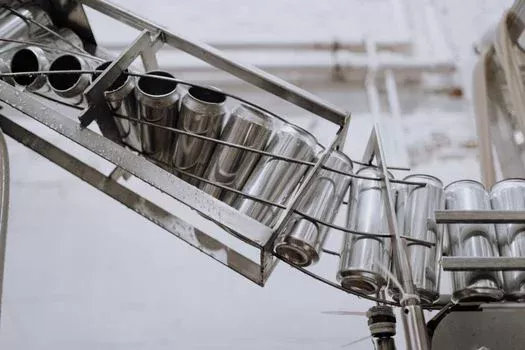
A leading TFT-LCD manufacturer located in Paju, South Korea, faced significant challenges in managing its substantial wastewater discharge. The plant generated approximately 5,000 m³/day of effluent, heavily contaminated with TMAH, photoresist residues, and heavy metals. Local discharge regulations were exceptionally strict, mandating limits of COD ≤ 50 mg/L, TSS ≤ 10 mg/L, and copper ≤ 0.5 mg/L. The manufacturer's goal was to achieve Zero Liquid Discharge (ZLD) to minimize environmental impact and ensure complete regulatory compliance.
Solution Implemented. HydropureWater designed and implemented a comprehensive hybrid DAF-MBR-RO system integrated with an evaporator and crystallizer to achieve ZLD. The system began with a high-efficiency DAF unit for initial solids and FOG removal, followed by a submerged PVDF MBR for biological COD and TMAH degradation. The permeate from the MBR was then treated by a multi-stage RO system to remove dissolved salts and remaining heavy metals. The RO concentrate was fed to an evaporator to reduce its volume, and the highly concentrated brine was further processed by a crystallizer to recover solid salts, leaving only dry waste for disposal. The CAPEX for this extensive ZLD plant was approximately $4.2 million, with an estimated OPEX of $1.80/m³ treated.
Performance and Outcomes. The implemented system demonstrated exceptional performance, achieving over 99.7% TSS removal and 98.5% COD reduction. Critical heavy metal removal, particularly copper, exceeded 99.9%, meeting and surpassing the stringent local discharge limits. The RO system successfully achieved an 80% water recovery rate, enabling the plant to reuse approximately 4,000 m³/day of treated water for non-critical processes such as cooling tower makeup and general facility cleaning. This significantly reduced their reliance on freshwater sources.
Return on Investment and Lessons Learned. The ZLD system projected a payback period of 3.5 years, driven by substantial annual savings of approximately $1.2 million from reduced freshwater intake and an estimated $200,000 per year from avoided discharge fines. A key lesson learned during the project was the critical importance of optimized pre-treatment. By ensuring effective operation of the DAF and MBR stages, the lifespan of the RO membranes was extended from an initial projection of 2 years to an average of 4 years, leading to a 20% reduction in membrane replacement costs. the implementation of automated chemical dosing systems for the DAF unit reduced chemical consumption by 15%, further contributing to OPEX savings. This case study validates the technical feasibility and economic viability of ZLD for large-scale display panel manufacturing operations.
How to Select the Right Display Panel Wastewater Treatment System for Your Plant
Selecting the optimal wastewater treatment system for a display panel manufacturing facility requires a systematic approach, considering influent characteristics, regulatory demands, budget constraints, and water reuse objectives. A structured decision-making process ensures an effective and cost-efficient solution.
Step 1: Characterize Influent Wastewater. The first and most crucial step is to thoroughly analyze the wastewater stream. This involves testing for key parameters such as TMAH concentration, Chemical Oxygen Demand (COD), Total Suspended Solids (TSS), pH, and the presence and concentration of specific heavy metals (e.g., copper, indium, nickel). Understanding the variability of these parameters, including peak loads and flow rates, is essential for accurate system sizing. Referencing the contaminant profiles detailed in the 'Why Display Panel Wastewater Requires Specialized Treatment Systems' section can provide a benchmark.
Step 2: Define Compliance Goals. Clearly identify all applicable local, regional, and national discharge regulations. This includes comparing influent data against limits set by bodies like the EPA (e.g., 40 CFR Part 469), the EU Industrial Emissions Directive, or China's GB standards. Determine the required removal efficiencies for each contaminant to meet these legal obligations. For facilities aiming for water reuse, define the quality standards for the treated water based on its intended application.
Step 3: Match Technology to Contaminants. Utilize the contaminant-specific capabilities of different treatment technologies. For high TSS and FOG, a DAF system is indispensable. For dissolved organic matter and partial TMAH reduction, an MBR is effective. For heavy metal removal and high-purity water production, RO is the primary technology. If TMAH concentrations exceed the biological tolerance of MBRs, consider advanced oxidation processes (AOPs) using technologies like ozone generators for pre-treatment. The comparison table in the 'DAF vs. MBR vs. RO' section serves as a guide for this matching process.
Step 4: Size the System Appropriately. Calculate the average and peak daily flow rates (m³/day) of the wastewater. System components should be sized to handle these flows reliably. As a general rule of thumb, DAF units should be sized for 1.2 times the average flow, MBR systems for 1.5 times the average flow to account for biomass fluctuations and potential downtime, and RO systems for 1.1 times the average flow to ensure consistent permeate production. It is also important to consider the footprint and modularity of the chosen equipment.
Step 5: Evaluate Budget and ROI. Use the CAPEX and OPEX breakdown to estimate the total cost of ownership for different system configurations. Prioritize solutions that offer the best balance between upfront investment and long-term operational savings. Focus on the ROI potential from water reuse savings and the avoidance of potential fines. A simple decision tree can illustrate the selection logic: If influent TMAH > 1,500 mg/L and MBR is chosen, then add advanced oxidation; if influent copper > 5 mg/L and discharge is required, then add RO with high rejection rates; if water reuse is a priority, then RO is mandatory.
Frequently Asked Questions
Q: What is the best pre-treatment for TMAH in display panel wastewater?
A: Dissolved air flotation (DAF) is the most effective pre-treatment for TMAH, removing 90–95% of TSS and breaking emulsions before biological treatment. For TMAH concentrations >1,500 mg/L, advanced oxidation (e.g., UV/H₂O₂) may be required to reduce toxicity to MBR biomass. For advanced oxidation capabilities, consider consulting on best industrial ozone generators for water treatment.
Q: How often do RO membranes need replacement in display panel wastewater treatment?
A: RO membranes typically last 3–5 years in display panel wastewater applications, depending on pre-treatment efficiency. With proper DAF and MBR pre-treatment, membrane life can extend to 4–5 years, reducing OPEX by 20–30%.
Q: Can display panel wastewater be reused in manufacturing?
A: Yes, RO-treated effluent can be reused for non-critical processes like cooling tower makeup or floor washing. For ultra-pure water applications (e.g., wafer cleaning), additional polishing (e.g., ion exchange or EDI) may be required to meet resistivity standards (>18 MΩ·cm).
Q: What are the EPA fines for non-compliance with 40 CFR Part 469?
A: EPA fines for violations of 40 CFR Part 469 can reach up to $54,789 per day per violation (as of 2025). For example, a TFT-LCD plant discharging COD > 125 mg/L could face daily penalties until compliance is achieved.
Q: How does the EU Industrial Emissions Directive (IED) compare to EPA 40 CFR Part 469?
A: The EU IED imposes stricter limits on heavy metals like copper (≤ 0.5 mg/L) and requires continuous monitoring for parameters like pH and TSS. Unlike EPA standards, IED also mandates Best Available Techniques (BAT) for wastewater treatment, which may include advanced oxidation or ZLD systems. Facilities with similar contaminant profiles to display panel wastewater might also find information on PCB wastewater treatment systems with similar contaminant profiles and silicon wafer wastewater treatment with advanced oxidation requirements relevant.
Related Equipment
- high-efficiency DAF system for TSS and FOG removal — view specifications, capacity range, and technical data
- submerged PVDF MBR system for COD and TMAH degradation — view specifications, capacity range, and technical data
- high-rejection RO system for heavy metals removal — view specifications, capacity range, and technical data
- automated sludge dewatering for hazardous waste disposal — view specifications, capacity range, and technical data
Need a customized solution? Request a free quote with your specific flow rate and pollutant parameters.