Industrial ozone generator cost for water treatment runs from $50,000 for 10 g/h units to $1.2M for 75 kg/h turnkey trains. Ozone disinfects 1.5x stronger than chlorine and leaves no harmful residues behind.
Industrial Ozone Generator Cost for Water Treatment at a Glance
High-flow units deliver 1–75 kg/h ozone at 3–12% by weight for municipal and industrial plants. The water-cooled TPF System achieved 92% COD reduction in municipal wastewater at 50–500 mg/L influent, per EPA 2024 benchmarks. Selection turns on feed gas, cooling method, and residual limits.
This guide covers selection using concentration (3–12% by weight), cooling method, feed gas choice, and the CapEx ladder from compact skids to turnkey trains. The numbers below are the ones buyers actually compare: output, power draw, cooling load, and the line items that make up the installed cost.
Why Industrial Ozone Generators Outperform Chlorine for Water Treatment
Industrial ozone generators for water treatment convert oxygen into ozone through corona discharge, then dissolve that gas into process water for disinfection and oxidation. Typical industrial units produce 1–75 kg/h at 3–12% by weight. They inactivate chlorine-resistant pathogens in 4–10 minutes, form no THMs or HAAs, and generate ozone on-site from air or oxygen without bulk chemical storage.
Ozone is 1.5–3x more effective than chlorine at inactivating bacteria, viruses, and protozoa, per EPA LT2ESWTR 2024 data. A food processing plant facing chlorine-resistant Cryptosporidium can cut contact time from 30–60 minutes with chlorine to 4–10 minutes with ozone, as confirmed by WHO 2023 benchmarks. Faster kill kinetics lowers contamination risk in finished water and effluent.
Ozone forms no regulated disinfection byproducts such as trihalomethanes (THMs) or haloacetic acids (HAAs). The EPA Stage 2 DBP Rule limits THMs to ≤80 µg/L and HAAs to ≤60 µg/L in drinking water. Chlorine trains often need extra polishing to remove these byproducts. Ozone decomposes back to oxygen and leaves no toxic residual in the treated stream.
Chlorine stored as gas or liquid creates leak, transport, and corrosion hazards, and its efficacy falls as pH rises. On-site ozone generation from ambient air or oxygen removes bulk chemical storage from the plant. For sites that need a chemical oxidant instead of ozone, chlorine dioxide generators as an alternative to ozone for industrial water treatment can also cut DBP formation.
| Feature | Ozone Treatment | Chlorine Treatment |
|---|---|---|
| Disinfection Efficacy | 1.5–3x stronger, inactivates chlorine-resistant pathogens (e.g., Cryptosporidium) | Effective, but slower for resistant pathogens |
| Disinfection Byproducts (DBPs) | None (decomposes to oxygen) | Forms THMs, HAAs (regulated by EPA Stage 2 DBP Rule) |
| Contact Time for 99% Inactivation | 4–10 minutes (for Cryptosporidium) | 30–60 minutes (for Cryptosporidium) |
| Chemical Storage & Handling | On-site generation, no storage of hazardous chemicals | Requires storage of hazardous chemicals (gas/liquid) |
| pH Sensitivity | Less sensitive | Highly sensitive, efficacy decreases at higher pH |
| Residuals in Effluent | No harmful residuals (decomposes to O₂) | Can leave harmful residuals, requires dechlorination |
How Industrial Ozone Generators Work: Core Technologies and Process Parameters
Most industrial units use corona discharge (CD) to reach 3–12% ozone by weight for high-flow duty. Dry air or concentrated oxygen passes through a high-voltage field, splitting O₂ and recombining it as O₃. UV lamp ozone units stay at 0.1–0.3% concentration and cannot serve the same high-demand wastewater loads. Plants comparing CD hardware with uv ozone generators should treat the UV path as a low-output niche, not a drop-in for 1–75 kg/h service.
Feed gas choice drives output and efficiency. Oxygen-fed CD systems deliver 2–3x more ozone than air-fed units at the same power. One oxygen-fed skid may make 100 g/h while a similar air-fed unit makes about 30 g/h. Oxygen feed needs a PSA generator or LOX tanks, and PSA CapEx usually sits between $20,000 and $100,000, then lowers long-run gas cost versus purchased LOX. Air-fed trains cost less up front but rarely exceed 500 g/h because concentration and efficiency stay lower.
Ozone generation is exothermic, so cooling sets the practical output ceiling. Water-cooled machines such as the TPF System handle 1–75 kg/h and typically need 10–20 L/min of cooling water at 15–25°C. Cooling water OPEX often runs $0.15–$0.30/m³, so recirculation matters. Air-cooled packages such as the MCP Series avoid external water lines but stay below about 500 g/h because heat rejection is weaker.
Dissolution uses venturi injectors, fine-bubble diffusers, or static mixers. Contact time for 99% disinfection is usually 4–10 minutes, depending on water quality and target organisms. Residual ozone is destroyed or monitored before discharge. Applications such as medical wastewater treatment systems with integrated ozone disinfection need tight control across generation, injection, and residual destruction.
| Parameter | Oxygen-Fed Corona Discharge | Air-Fed Corona Discharge |
|---|---|---|
| Ozone Concentration (by weight) | 8–12% | 3–6% |
| Ozone Output Efficiency | 2–3x higher for same power input | Lower efficiency |
| Required Feed Gas System | PSA Oxygen Generator or Liquid Oxygen (LOX) tanks | Dry, filtered compressed air (often with dew point < -60°C) |
| Feed Gas System CapEx | $20,000–$100,000 (for PSA) | Lower, primarily air compressor and dryer |
| Maximum Typical Output | Up to 75 kg/h (industrial scale) | Up to 500 g/h (mid-range industrial) |
| Power Consumption per g/h O₃ | Lower (e.g., 8-12 Wh/g) | Higher (e.g., 15-25 Wh/g) |
Industrial Ozone Generator Specs: Output, Power, and Cooling Requirements
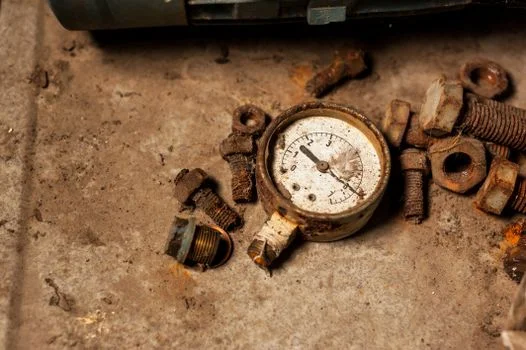
Industrial ozone generator specs center on output, power draw, and cooling load, and all three must match the plant duty before hardware is bought. Spec sheets alone do not show whether the plant can reject heat or supply dry feed gas at design load. The four product classes below cover most municipal and industrial duties.
High-capacity TPF systems serve large municipal or industrial trains at 1–75 kg/h and 3–12% concentration. Water cooling manages heat at 15–30 kW power draw. CapEx typically spans $500,000 to $1.2M, per Spartan Environmental 2024 data.
OXW-Series oxygen-fed units deliver 50–1,000 g/h at 8–12% concentration in a more compact air-cooled package drawing 2–20 kW. CapEx runs $30,000–$150,000 for mid-to-large duties that prioritize high concentration, according to Oxidation Technologies 2024 data.
SPARTOX skid or container packages cover 10–300 g/h as air-fed, water-cooled trains at 3–6% concentration and 0.5–15 kW. Integrated generators, contactors, and controls push CapEx to $80,000–$300,000. MCP Series air-fed, air-cooled units serve 100–500 g/h at 3–5% concentration, 1–5 kW, and $20,000–$80,000 CapEx. Ozone integration in semiconductor wastewater treatment systems and ozone disinfection for hospital wastewater compliance in the U.S. often need these configurations sized to strict effluent limits.
| Model | Ozone Output (g/h or kg/h) | Ozone Concentration (%) | Feed Gas | Cooling Method | Power Consumption (kW) | CapEx Range |
|---|---|---|---|---|---|---|
| TPF System | 1–75 kg/h | 3–12% | Air or Oxygen | Water-cooled | 15–30 | $500,000–$1.2M |
| OXW-Series | 50–1,000 g/h | 8–12% | Oxygen | Air-cooled | 2–20 | $30,000–$150,000 |
| SPARTOX | 10–300 g/h | 3–6% | Air | Water-cooled | 0.5–15 | $80,000–$300,000 |
| MCP Series | 100–500 g/h | 3–5% | Air | Air-cooled | 1–5 | $20,000–$80,000 |
Industrial Ozone Generator CAPEX for Wastewater Plants
CapEx for industrial ozone generators ranges from $50,000 for a compact 10 g/h air-cooled system to $1.2M for a 75 kg/h water-cooled turnkey train, per 2025 industry benchmarks. That envelope covers the generator, oxygen supply when needed, injection hardware, contact tanks, and controls. Generator-only prices run from about $20,000 for a 100 g/h air-cooled unit to $1,000,000 for a 50 kg/h water-cooled machine.
Oxygen supply adds $20,000–$100,000 for PSA. Injection and contact systems add $10,000–$200,000. Controls, monitoring, and installation often add 10–25% of equipment cost. These line items, not the generator sticker alone, set the true industrial ozone generator cost for water treatment plants.
What Is the Operating Cost per m³ for Ozone Versus Chlorine?
OPEX is driven by electricity, feed gas, cooling water, and maintenance. Grid power typically costs $0.05–$0.15/kWh for the generator, pumps, and cooling. LOX often costs $0.10–$0.30/m³, while on-site PSA oxygen drops gas cost to $0.02–$0.05/m³ after higher CapEx. Cooling water for water-cooled trains adds $0.15–$0.30/m³, and annual maintenance usually equals 5–10% of CapEx.
A 50 g/h ozone system replacing chlorine in a food plant can save about $80,000/year in chemical purchase and handling. Avoided DBP compliance exposure can reach $50,000/year in the 2024 case material cited on ranking industry pages. Exact operating cost per m³ still depends on local tariffs, dose, and recovery of cooling water, so plants should model both oxidants on the same flow and water quality.
| Cost Category | Components | Typical Range/Impact |
|---|---|---|
| Capital Expenditure (CapEx) | Ozone Generator Unit | $20,000 (100 g/h air-cooled) to $1,000,000 (50 kg/h water-cooled) |
| Oxygen Supply (PSA or LOX system) | $20,000–$100,000 (for PSA) | |
| Ozone Injection & Contact System | $10,000–$200,000 (venturi, diffusers, contact tanks) | |
| Controls, Monitoring & Installation | 10–25% of equipment cost | |
| Operational Expenditure (OPEX) | Electricity | $0.05–$0.15/kWh (generator, pumps, cooling) |
| Oxygen (if not PSA) | $0.10–$0.30/m³ (liquid oxygen) | |
| Cooling Water | $0.15–$0.30/m³ (for water-cooled systems) | |
| Maintenance & Spare Parts | 5–10% of CapEx per year | |
| Labor | Minimal, mostly monitoring and routine checks |
How to Select the Best Industrial Ozone Generator for Your Application
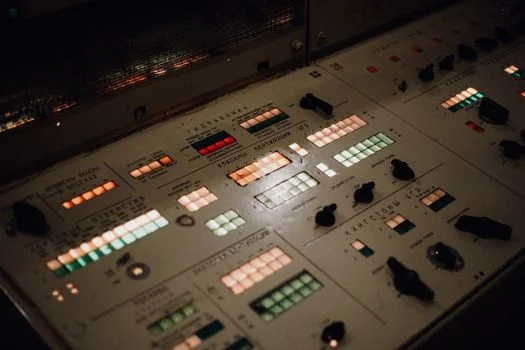
A five-step selection framework keeps output, utilities, and compliance aligned before any purchase order is issued. Skipping a step either oversizes CapEx or misses residual limits at commissioning. Field experience says the plants that skip Step 1 usually buy twice.
- Step 1: Determine required ozone output (g/h or kg/h). Multiply flow (m³/h) by target dose (mg/L). A plant treating 100 m³/h at 5 mg/L needs 500 g/h. Use COD, BOD, and turbidity data to set dose before locking generator size.
- Step 2: Choose feed gas (oxygen vs. air). Oxygen-fed systems give 2–3x higher efficiency and concentration, which suits outputs above 500 g/h or tight footprints. They need PSA ($20,000–$100,000 CapEx) or LOX. Air-fed systems cost less initially but usually stay below 500 g/h.
- Step 3: Select cooling (water-cooled vs. air-cooled). Water cooling is required above about 500 g/h and needs 10–20 L/min at 15–25°C. Air-cooled packages fit smaller duties under 500 g/h and remove cooling-water OPEX.
- Step 4: Decide modular vs. turnkey. Modular frames let you add generator blocks as demand grows. Turnkey SPARTOX-style skids can cut installation time by up to 40% by bundling generator, contactor, and controls.
- Step 5: Check residual compliance. WHO recommends ≤0.05 mg/L residual for drinking water. EU Urban Waste Water Directive 91/271/EEC often requires ≤0.1 mg/L for sensitive discharges. Pair destruction (UV, catalytic, or activated carbon) with automated chemical dosing systems for ozone injection control when dose precision matters.
Compliance and Safety Standards for Industrial Ozone Water Treatment
Treated water and workplace air both face hard numeric limits in ozone plants. EPA SDWA sets ozone residual in drinking water at ≤0.1 mg/L under 40 CFR 141.74. EU Directive 91/271/EEC often caps discharge residual at ≤0.1 mg/L in sensitive areas. WHO Guidelines for Drinking-water Quality (4th edition) recommend ≤0.05 mg/L for palatability and safety.
OSHA limits worker exposure to 0.1 ppm as an 8-hour TWA and 0.3 ppm as a STEL. Continuous ambient monitors with alarms, ventilation, and leak detection at generation and injection points keep the plant inside those bounds. PPE and operator training complete the safety stack.
Residual destruction methods include UV breakdown of O₃ to O₂, catalytic beds such as manganese dioxide for off-gas, and activated carbon polishing for low dissolved residuals before discharge.
Case Study: Ozone Generator for Municipal Wastewater Treatment in Singapore
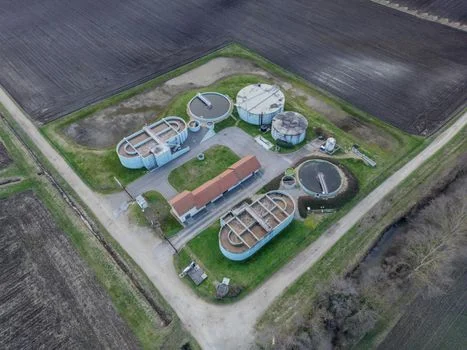
In 2023 a 50,000 m³/day municipal plant in Singapore needed steadier COD ≤50 mg/L and BOD ≤20 mg/L under National Environment Agency rules, plus stronger pathogen kill. The upgrade installed a HydropureWater TPF System at 50 kg/h ozone output with on-site PSA oxygen and venturi injection.
The plant cut COD by 92%, moving influent near 600 mg/L inside the 50 mg/L limit. Indicator organisms such as E. coli and fecal coliform showed a 99.9% kill rate. Chemical spend fell by $200,000/year versus the prior chlorine train because procurement, storage, and dechlorination stopped.
Oxygen-fed generation with PSA cut power use by 30% versus an air-fed alternative. The modular TPF layout also left room to add capacity if flow or limits tighten later.
Who This Is For / Who Should Look Elsewhere / Next Step
This guide is for process engineers and procurement teams sizing 1–75 kg/h ozone trains for municipal or industrial water duties. Look elsewhere if you only need sub-gram lab ozone or a pure UV disinfection retrofit with no oxidation demand.
Next, lock flow, dose, feed-gas, and residual limits, then compare a packaged Ozone Generator & Water Tank Sterilization System against the CapEx and OPEX ranges above. Send the same package through our request a quote page before issuing a purchase order.
Frequently Asked Questions
How long do industrial ozone generators typically last?
Industrial ozone generators typically last 10–15 years with proper maintenance, per EPA 2024 lifecycle assessments. Dielectric cells and power supplies are the wear items, so cleaning cells and replacing consumables on schedule extends service life materially. Plants that feed dry, oil-free gas and hold cooling water at 15–25°C routinely reach the upper end of that band.
What are the main maintenance requirements for an industrial ozone system?
Main maintenance covers feed-gas dryers, ozone cells, cooling paths, and monitors. Inspect dryers and replace desiccant every 6–12 months, clean ozone cells annually, and check cooling paths for blockage or scaling. Calibrate ambient and dissolved-ozone monitors every 3–6 months so residual readings stay trustworthy, and budget maintenance at 5–10% of CapEx per year.
Can ozone generators treat all types of industrial wastewater?
Ozone treats most industrial wastewater types well, including food, pharmaceutical, and textile streams where disinfection, COD/BOD reduction, and color removal matter. Highly turbid water or streams with very high suspended solids need pretreatment so ozone mass transfer stays efficient. Ozone oxidizes dissolved and colloidal load; it cannot replace solids separation.
What is the typical energy consumption of an industrial ozone generator?
Oxygen-fed systems use about 8-12 Wh/g of ozone; air-fed systems use about 15-25 Wh/g. A 1 kg/h oxygen-fed unit therefore draws roughly 8–12 kW at full output. Cooling pumps and PSA compressors add plant-level load, so energy per cubic meter should be modeled on your own tariff rather than generator nameplate alone.
Are there any safety concerns with operating an industrial ozone generator?
Ozone is a strong oxidant, so the main concerns are workplace exposure and off-gas handling. Ambient monitors, ventilation, and leak detection at generation and injection points keep levels below the OSHA 0.1 ppm 8-hour TWA. Residual and off-gas destructors — UV, catalytic, or activated carbon — plus PPE and operator training complete the stack.
How does an industrial ozone generator compare to UV disinfection?
An industrial ozone generator outperforms UV wherever oxidation demand exists: ozone cuts COD, BOD, and color while inactivating pathogens, and it keeps working when turbidity limits UV light penetration. UV is a physical kill step with no oxidant residual and no effect on dissolved organics. Clear-water plants with pure disinfection duty can choose UV; most industrial duties favor ozone.