Silicon wafer wastewater treatment suppliers in 2027 spec hybrid DAF-RO-MBR trains: 0.1 μm PVDF MBRs targeting 99.8% recovery and COD <50 mg/L, CAPEX $500K–$15M. When ceramic membrane water semiconductor wastewater duty matters, weigh flux, fouling rate, and HF chemistry before award.
Why CMP and HF Streams Break Conventional Treatment
CMP slurries at 50–300 nm and HF from etch tanks are what break conventional trains: overloaded DAF or media filters lose up to 70% throughput within 48 hours, and 1–5% HF corrodes 316L stainless steel at 0.1–0.5 mm/year. BOD/COD below 0.2 and TDS of 1,000–5,000 mg/L finish the job.
Conventional trains fail on semiconductor fab effluent for linked reasons. Ultra-fine CMP slurries of silica or alumina at 50–300 nm clog media filters and DAF units; vsep.com data indicates throughput can fall by up to 70% within 48 hours. Hydrofluoric acid from etching attacks metals in parallel. Per ASTM G31-72, 1–5% HF corrodes 316L stainless steel at 0.1–0.5 mm per year, raising leak and compliance risk.
Biology gets squeezed from both sides. Semiconductor wastewater often shows BOD/COD ratios below 0.2 and TDS of 1,000–5,000 mg/L, conditions that weaken biological treatment and can drive sludge bulking. Trace metals such as arsenic (0.1–2 mg/L) and gallium (1–10 mg/L) still need ion exchange or Advanced Oxidation Processes (AOPs) where local permits require them, including programs referencing EPA 40 CFR Part 469.
Site data beats assumptions here. Most characterization programs we review miss the weekend maintenance dumps, where pH spikes and fluoride peaks actually live. Sample two weeks with campaign cleans included before any supplier sees the numbers.
| Contaminant/Challenge | Typical Influent Characteristics | Impact on Conventional Systems | Relevant Standard/Data Source |
|---|---|---|---|
| CMP Slurries | Silica/Alumina particles, 50–300 nm, engineered to resist aggregation | Rapid clogging of media filters and DAF systems; reduced throughput | vsep.com data |
| Hydrofluoric Acid (HF) | Concentrations can vary, but typically present in etching processes | Etches glass and corrodes stainless steel (e.g., 316L SS corrodes at rates of 0.1–0.5 mm/year in 1–5% HF solutions); leads to leaks and compliance issues | ASTM G31-72 |
| Low BOD/COD Ratio & High Salinity | BOD/COD < 0.2; TDS 1,000–5,000 mg/L | Inhibits biological treatment, sludge bulking, effluent violations | HydropureWater internal data |
| Trace Heavy Metals | Arsenic (As: 0.1–2 mg/L), Gallium (Ga: 1–10 mg/L) | Inhibits biological treatment; requires specialized removal methods | EPA 40 CFR Part 469 |
Silicon Wafer Wastewater Treatment Hybrid DAF-RO-MBR Specs
The dominant hybrid design sizes Dissolved Air Flotation (DAF), Reverse Osmosis (RO), and a Membrane Bioreactor (MBR) for CMP solids, fluoride, silica, and residual organics. A DAF system for CMP slurry removal uses 40–70 μm micro-bubbles at 4–6 bar to remove about 92–97% of CMP slurries and FOG. After DAF, pH adjustment conditions the water for RO.
A high-recovery RO system for fluoride and silica removal with thin-film composite membranes typically rejects about 99% of fluoride, silica, and heavy-metal ions at roughly 95% recovery, based on Hydranautics data. The polishing stage is a zero-fouling PVDF MBR system for semiconductor wastewater with 0.1 μm PVDF membranes and aeration scouring, aiming for COD below 50 mg/L and TSS below 1 mg/L. Typical hydraulic retention times run 15–30 minutes in DAF and 6–12 hours in MBR at ambient fab temperature, followed by UV or chlorination disinfection.
Stage order is not negotiable. RO membranes tolerate almost no CMP solids, and MBR flux collapses under slurry spikes, so DAF carries the solids load first. Plants that re-order the train for layout convenience buy a fouling problem with a steel frame around it.
| Treatment Stage | Primary Contaminants Removed | Typical Influent Quality (Example) | Typical Effluent Quality (Example) | Key Technology |
|---|---|---|---|---|
| DAF | CMP Slurries, FOG | Fluoride: 100 ppm, TSS: 200 mg/L | Fluoride: 95 ppm, TSS: 20 mg/L | Micro-bubble Flotation (40-70 μm) |
| pH Adjustment | Adjusts pH for RO | pH: 3-5 | pH: 6-7 | Chemical Dosing |
| RO | Ions (Fluoride, Silica, Heavy Metals), Dissolved Salts | Fluoride: 95 ppm, Silica: 50 ppm, TDS: 2,000 mg/L | Fluoride: 5 ppm, Silica: 2.5 ppm, TDS: 100 mg/L | Thin-Film Composite Membranes (99% Ion Rejection) |
| MBR | Dissolved Organics (COD), Fine Solids | COD: 150 mg/L, TSS: 5 mg/L | COD: <50 mg/L, TSS: <1 mg/L | Zero-Fouling PVDF Membranes (0.1 μm) |
| Disinfection | Pathogens | N/A | Sterile | UV or Chlorination |
How Does DAF Compare With MBR Treatment?
DAF wastewater treatment targets buoyant and coagulated solids such as CMP slurry and FOG, while MBR wastewater treatment polishes dissolved organics and fine solids to low COD and TSS. In a hybrid fab train, DAF sits upstream so RO and MBR see lower solids loading. MBR alone cannot replace DAF when 50–300 nm slurry loading is high, because membrane fouling rises quickly. Use DAF when TSS and FOG dominate; use MBR when permit COD or reuse turbidity limits drive the design.
Buyers often ask which unit sets CAPEX. DAF cost tracks recycle pressure (4–6 bar) and float solids handling. MBR cost tracks membrane area, scour air, and chemical clean frequency.
Ceramic Membrane Water Semiconductor Wastewater Duty: PVDF vs. Conventional Trade-Offs
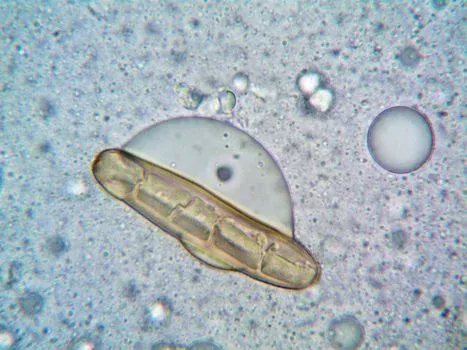
Membrane choice controls MBR footprint and lifecycle cost in semiconductor wastewater service. Zero-fouling PVDF membranes at 0.1 μm pore size often deliver 20–30 LMH flux in high-TDS streams, about 30–40% higher than ceramic membranes at 15–20 LMH per HydropureWater internal data. Higher flux shrinks tank and cassette CAPEX. PVDF also tolerates 1–5% HF and NaOH near pH 12 in cleaning regimes common to wafer fabs, while many ceramic membranes lose integrity above about pH 11.
Fouling rates on CMP slurry streams average about 0.1–0.3 g/m²/day for PVDF versus 0.5–0.8 g/m²/day for ceramic membranes, according to EPA 2024 benchmarks cited in prior plant comparisons. Lower fouling means fewer cleans and longer module life. A 10-year view often shows PVDF near $0.5M CAPEX and $200K/year OPEX, versus about $1.2M CAPEX and $450K/year OPEX for ceramic. For dicing and silica recovery cases that still specify ceramic membrane water trains, compare flux and sludge handling against PVDF MBR before freezing the P&ID.
SiC and abrasive-heavy plants evaluating ceramic membranes water hybrids should still check HF exposure and CIP pH against membrane warranties. Module details for flat-sheet PVDF service are listed on the MBR Flat Sheet Membrane Module (DF Series) page. Ceramic membrane water semiconductor wastewater selection comes down to chemistry exposure first, flux second, and purchase price a distant third.
| Parameter | Zero-Fouling PVDF Membrane | Conventional Ceramic Membrane | Impact on Semiconductor Wastewater Treatment |
|---|---|---|---|
| Pore Size | 0.1 μm | 0.1–0.2 μm (typical) | Effective removal of fine particles and bacteria. |
| Flux Rate (LMH) | 20–30 | 15–20 | Higher flux reduces system footprint and CAPEX. |
| Chemical Resistance | Excellent (HF, NaOH pH 12) | Good (pH < 11) | PVDF withstands aggressive fab chemicals, ensuring longevity. |
| Fouling Rate (g/m²/day) | 0.1–0.3 | 0.5–0.8 | Lower fouling reduces cleaning frequency, OPEX, and downtime. |
| Estimated 10-Year Lifecycle Cost | $2.5M (CAPEX $0.5M + OPEX $2M) | $5.7M (CAPEX $1.2M + OPEX $4.5M) | PVDF offers substantial cost savings over the system's life. |
Regional Compliance Checklist: EPA, EU, and China Standards for Semiconductor Wastewater
Regional discharge limits set whether a fab needs single-stage RO, two-stage RO, or EDR after DAF. Earlier guidance often summarized EPA 40 CFR Part 469 semiconductor limits as fluoride ≤20 mg/L and arsenic ≤0.1 mg/L with pH 6–9. The current text tells a different story. The same table caps total toxic organics (TTO) at 1.37 mg/L daily maximum, and Subpart A publishes no arsenic numeric limit for semiconductor process wastewater.
EU permits point to different numbers. Industrial Emissions Directive (IED) 2010/75/EU BAT-AELs commonly referenced for similar streams still indicate COD near 125 mg/L, TSS near 35 mg/L, and fluoride near 15 mg/L in many permit packages. Earlier China planning used GB 8978-1996 Class I figures such as fluoride ≤10 mg/L, silica ≤65 mg/L, and COD ≤50 mg/L.
The sector standard GB 39731-2020 now leads Chinese design. Issued December 8, 2020 and effective July 1, 2021 (China MEE), it applies to new plants first, with existing plants following from 2024-01-01. It sets fluoride at 10 mg/L for direct discharge and 20 mg/L for indirect discharge, and CODCr direct limits of 100 mg/L at the enterprise outfall for semiconductor device plants. Indirect limits for the first eight table items may even be negotiated with a centralized treatment plant.
China's tighter fluoride cases still push designers toward two-stage RO or Electrodialysis Reversal (EDR). Confirm the receiving water body class and local overlay standards before freezing recovery targets.
| Parameter | EPA 40 CFR Part 469 (Semiconductor) | EU IED 2010/75/EU (BAT-AELs) | China GB 8978-1996 (Class I) | Implication for System Design |
|---|---|---|---|---|
| Fluoride (mg/L) | ≤ 20 | ≤ 15 | ≤ 10 | China's limits often require multi-stage RO or EDR. |
| Silica (mg/L) | N/A | N/A | ≤ 65 | RO is effective; silica scaling prevention is key. |
| COD (mg/L) | N/A (general industrial) | ≤ 125 | ≤ 50 | MBR is essential for stringent COD requirements. |
| TSS (mg/L) | N/A (general industrial) | ≤ 35 | N/A (general industrial) | DAF and MBR effectively reduce TSS. |
| Arsenic (mg/L) | ≤ 0.1 | N/A | N/A | Ion exchange or AOP may be needed if influent is high. |
| pH | 6.0–9.0 | 6.0–9.0 (typical) | 6.0–9.0 (typical) | Requires robust pH control systems. |
Supplier Capability Matrix: How to Evaluate Fab Effluent Treatment Suppliers
Supplier selection for wafer fab effluent should score technical performance, uptime support, compliance evidence, and cost transparency rather than brochure-grade claims. Ask for demonstrated recovery of 95–99.8%, RO/MBR membrane life of 3–5 years, and removal benchmarks such as fluoride <0.1 mg/L and silica <5 mg/L where the permit requires them. Operational checks include IoT remote monitoring, 24/7 spare parts logistics, and operator training for CIP and HF neutralization.
Compliance evidence should cover ISO 14001, permit letters, and fab case work under China GB 8978-1996 overlays plus GB 39731-2020 and EU IED 2010/75/EU packages. Ask for fluoride and COD performance data with sample dates and analytical methods attached. Cost reviews need CAPEX in the $500K–$15M band with an OPEX split near membrane replacement 40%, chemicals 30%, and energy 20%. Financing such as leasing can matter for mid-size fabs.
Search behavior says something about this market: procurement logs show typo variants like '+ceramic membranes wstewater' landing on comparison pages long before any datasheet is opened. Score at least three anonymized bids on the KPI sheet below before award, so the ranking reflects data rather than keyword luck. For whole-fab utility scopes beyond effluent, the Chip Fab Wastewater Treatment: 2026 Engineering Specs page adds zero-fouling design benchmarks.
| Evaluation Criteria | Key Performance Indicators (KPIs) | Supplier A (Example) | Supplier B (Example) | Supplier C (Example) |
|---|---|---|---|---|
| Technical Performance | System Recovery Rate | 98.5% | 97.0% | 99.0% |
| MBR Membrane Lifespan | 4 years | 3 years | 4.5 years | |
| Fluoride Removal Efficiency | < 0.1 mg/L | < 0.5 mg/L | < 0.1 mg/L | |
| Operational Reliability | Remote Monitoring (IoT) | Yes | Partial | Yes |
| Spare Parts Availability (24/7) | Contracted | Standard | Contracted | |
| Compliance & Experience | China GB 8978-1996 Experience | 5+ Projects | 2 Projects | 7+ Projects |
| ISO 14001 Certification | Yes | Yes | Yes | |
| Cost & Commercials | CAPEX Range | $1.2M - $1.8M | $1.0M - $1.5M | $1.3M - $2.0M |
| OPEX Breakdown Transparency | Detailed | General | Detailed |
CAPEX and OPEX Breakdown: Cost Models for Small, Medium, and Mega Fabs
Fab-scale cost models should start from daily flow and shift pattern, not brochure averages. Small fabs near 10 m³/day on one shift often budget $500K–$1.5M CAPEX for DAF, single-stage RO, and MBR, with about $150K/year OPEX split near $60K membranes, $50K chemicals, and $40K energy. Medium fabs near 50 m³/wafer on two shifts commonly land at $3M–$8M CAPEX with two-stage RO and about $800K/year OPEX ($300K membranes, $250K chemicals, $200K energy).
Mega fabs above 100 m³/h on 24/7 duty often reach $10M–$15M CAPEX if EDR or Zero Liquid Discharge (ZLD) is added, with OPEX near $2.5M/year ($1M membranes, $800K chemicals, $500K energy). Main drivers remain 3–5 year RO/MBR replacement cycles, NaOH and Ca(OH)₂ for HF neutralization, and RO/EDR energy at about 0.5–1.2 kWh/m³ treated. These ranges frame silicon wafer wastewater treatment bids before detailed design.
Treat the tiers as fences, not lawns. A 30% reuse mandate or a tight fluoride permit can push a two-shift plant into mega-fab budget territory without a single extra cubic meter of flow. Most plants we size sit one tier below where their first consultant placed them.
| Fab Size/Operation | Typical Wastewater Volume | Operational Intensity | Estimated CAPEX | Estimated Annual OPEX | Primary System Components |
|---|---|---|---|---|---|
| Small Fab | ~10 m³/day | 1 Shift | $500K – $1.5M | ~$150K | DAF + Single-Stage RO + MBR |
| Medium Fab | ~50 m³/wafer | 2 Shifts | $3M – $8M | ~$800K | DAF + Two-Stage RO + MBR |
| Mega Fab | 100+ m³/h | 24/7 | $10M – $15M | ~$2.5M | DAF + EDR/RO + MBR + ZLD (potential) |
How Do You Troubleshoot a DAF-RO-MBR System?
DAF-RO-MBR troubleshooting starts at the unit showing the first out-of-spec tag, not at the final outfall. If DAF float solids rise and RO differential pressure climbs within 48 hours, check coagulant dose, recycle pressure (4–6 bar), and CMP slurry spike load before blaming membranes. If RO permeate fluoride or silica climbs while feed chemistry is stable, inspect antiscalant dose, pH after neutralization, and stage recovery against the 95% design point.
If MBR TMP rises and COD exceeds 50 mg/L at equal MLSS, verify scour air, CIP frequency, and whether upstream DAF TSS stayed near 20 mg/L. Cross-check HF residual against materials of construction whenever unexplained leaks appear. Log each excursion with flow, pH, and conductivity so root cause stays tied to a stage, not a generic "membrane problem."
Who This Is For
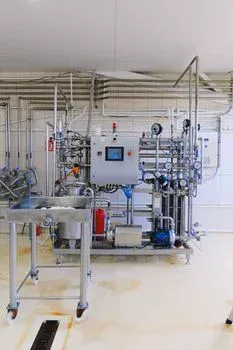
This guide suits plant engineers, EPC firms, and procurement teams sizing wafer fab effluent plants that must hit fluoride, silica, and COD limits with documented CAPEX/OPEX. Look elsewhere if the duty is only municipal sewage or low-TDS rinse water without CMP or HF. The next step is a stage-by-stage mass balance on your real numbers.
Send flow, influent table, and discharge limits, then request a free quote with the same data attached so the sizing lands inside the right CAPEX tier on the first pass.
Frequently Asked Questions
Is ceramic membrane water CMP slurry treatment a fit for high slurry loads?
No — ceramic membrane water CMP slurry treatment struggles at high slurry loads. Ceramic fouling rates on CMP streams average 0.5–0.8 g/m²/day versus 0.1–0.3 g/m²/day for zero-fouling PVDF, and the slurry itself cuts overloaded DAF or media-filter throughput by up to 70% within 48 hours (vsep.com data). High-load plants run DAF first, then PVDF MBR polish.
How do you judge ceramic membrane water vs PVDF semiconductor MBR duty?
Judge ceramic membrane water vs PVDF semiconductor MBR duty on flux, chemistry, and lifecycle cost. PVDF at 0.1 μm delivers 20–30 LMH — about 30–40% above ceramic's 15–20 LMH — tolerates 1–5% HF and NaOH near pH 12, and shows a 10-year lifecycle near $2.5M versus $5.7M for ceramic. Ceramic wins only where pH stays below 11 and abrasion dominates the stream.
Can ceramic membrane water HF etch wastewater service survive fluoride exposure?
Only within limits — ceramic membrane water HF etch wastewater service fails above pH 11 and under concentrated HF cycling. Many ceramic membranes lose integrity above about pH 11, while PVDF tolerates 1–5% HF and NaOH cleaning near pH 12. Per ASTM G31-72 logic, 1–5% HF corrodes 316L stainless steel at 0.1–0.5 mm/year, so metallurgy and membrane chemistry both need checking.
What is a realistic ceramic membrane water flux fouling rate?
A realistic ceramic membrane water flux fouling rate on CMP slurry streams is 0.5–0.8 g/m²/day — roughly three times the 0.1–0.3 g/m²/day seen on zero-fouling PVDF. Flux tells the same story: ceramic holds 15–20 LMH against PVDF's 20–30 LMH in high-TDS service. Fewer fouling grams per square meter means fewer cleans and longer module life.
What CAPEX range should a fab expect?
CAPEX for these hybrid systems commonly spans $500K for small one-shift plants to $15M for 24/7 mega-fabs with EDR or ZLD options. Small trains near 10 m³/day often stay at $500K–$1.5M, while medium two-shift plants land near $3M–$8M. OPEX scales with membrane life of 3–5 years, HF neutralization chemicals, and RO energy of about 0.5–1.2 kWh/m³. Always tie quotes to measured influent fluoride, silica, and TSS.