Why Hospital Wastewater in Massachusetts Needs Specialized Treatment
Hospital wastewater is a complex matrix of biological, chemical, and pharmaceutical contaminants that standard municipal treatment plants are not designed to fully remove. Unlike typical sewage, medical effluent contains high concentrations of pathogens, active pharmaceutical ingredients (APIs), chemical residues from lab and cleaning operations, and contrast media. Relying solely on a Publicly Owned Treatment Works (POTW) for processing this waste stream carries significant regulatory and financial risk for Massachusetts healthcare facilities.
MassDEP enforces strict secondary treatment standards under 314 CMR 2.00 for any facility discharging to a POTW or surface water. The compliance benchmarks are a biochemical oxygen demand (BOD) of less than 20 mg/L and total suspended solids (TSS) below 30 mg/L. Discharging high-strength waste that exceeds these thresholds can trigger severe surcharges from local authorities and the MWRA. Hospitals without pretreatment can face surcharges upwards of $15,000 per month, making on-site treatment a critical cost-containment strategy. For a detailed breakdown of federal requirements, see our EPA Clean Water Act compliance guide. Emerging contaminants like antibiotics and chemotherapy agents pose a long-term ecological threat that POTWs are often unequipped to address effectively.
Massachusetts-Specific Challenges for Medical Wastewater Systems
The New England climate and urban infrastructure present unique engineering challenges for hospital wastewater systems. A one-size-fits-all approach is ineffective; systems must be tailored to local conditions.
Winter temperatures in Massachusetts average 20–30°F, posing a serious risk of freezing for above-ground tanks and pipelines. Biological treatment processes slow significantly in cold weather, jeopardizing consistent compliance. Solutions like the WSZ Series underground integrated system are engineered for cold climates, using burial and insulation to maintain stable microbial activity year-round. This is critical for maintaining the nitrifying bacteria populations essential for ammonia removal, which can be severely inhibited below 50°F.
Space is a premium constraint for urban hospitals in Boston, Worcester, and Springfield. Retrofitting an existing campus requires a compact, prefabricated footprint. Systems like the medical wastewater treatment unit are designed for a footprint as small as 0.5 m², enabling installation in tight courtyards or parking areas. Older facilities may lack direct sewer access or be located in sensitive watersheds like the Charles River basin, necessitating packaged systems with integrated disinfection to achieve the 99.9% fecal coliform reduction often required for surface discharge permits. Proximity to residential areas can also introduce noise and odor control as additional design considerations for any on-site treatment project.
Top Wastewater Treatment Technologies for Hospitals in MA
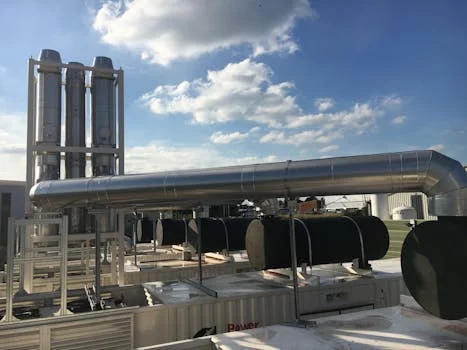
Three core technologies dominate effective hospital wastewater treatment in Massachusetts, each with distinct advantages for different facility sizes and compliance goals.
Membrane Bioreactor (MBR) Systems: MBR technology combines biological digestion with membrane filtration, typically achieving effluent quality with <1 μm turbidity and >99% pathogen removal. This makes it the gold standard for hospitals in coastal discharge zones or those pursuing water reuse for cooling towers or irrigation, as it meets the stringent requirements of MassDEP reuse guidelines. Our high-efficiency MBR system for hospital reuse and strict discharge is scalable for large medical centers. The membrane barrier also provides a robust physical barrier for bacteria and viruses, ensuring a highly reliable and consistent effluent quality.
Anoxic/Oxic (A/O) Systems: The A/O process is a robust biological treatment method ideal for community hospitals and clinics. It efficiently reduces BOD and nitrogen levels through a two-stage process. The WSZ Series, an A/O system, handles flows from 1–80 m³/h with fully automated operation, making it a reliable workhorse for standard compliance. Its anoxic zone promotes denitrification, converting nitrates into nitrogen gas, which is a key advantage for protecting sensitive receiving waters from nutrient pollution.
Ozone-Based Advanced Systems: For disinfection and micropollutant removal, ozone is highly effective. It eliminates the safety and storage concerns associated with chlorine-based chemicals and provides 99.9% disinfection efficiency. The compact ozone-based hospital wastewater system requires no operator intervention and is designed to meet advanced standards like the EU Urban Waste Water Directive 91/271/EEC. Ozone is also a powerful oxidizer, capable of breaking down complex pharmaceutical compounds that resist conventional biological treatment.
| Technology | Ideal Facility Size | Key Strengths | Pathogen Removal |
|---|---|---|---|
| MBR | Large Hospitals & Medical Centers | Exceptional effluent quality, reuse potential | >99% |
| A/O (WSZ Series) | Community Hospitals & Clinics | Robust nitrogen removal, automated operation | >98% |
| Ozone | Small to Mid-Sized Facilities | Chemical-free disinfection, compact footprint | >99.9% |
Treatment System Comparison: Performance, Cost & Installation
Selecting a system requires a clear comparison of capital expenditure (CAPEX), operational costs, and performance metrics. The following data, drawn from HydropureWater project benchmarks, provides a realistic framework for budgeting.
MBR Systems: These systems offer the highest quality effluent but at a higher initial investment. A 50 m³/day unit has an installed CAPEX of approximately $180,000. The trade-off is a 60% smaller footprint than conventional activated sludge and minimal operator attention, leading to lower long-term labor costs. The primary OPEX driver is periodic membrane cleaning and eventual replacement, which should be factored into a total lifecycle cost analysis.
Dissolved Air Flotation (DAF): While excellent for TSS removal (92–97%), standard DAF is not a primary solution for typical hospital effluent due to its low oil and grease content. However, it is highly effective as a pretreatment step for hospital labs or research facilities that discharge solvents and particulates. A DAF system can be integrated for these specific waste streams to protect downstream biological processes from shock loads of fats, oils, and greases (FOG).
Compact Ozone Systems: This technology offers a compelling operational expenditure (OPEX) advantage. With capacities from 1–10 m³/h, CAPEX ranges from $25,000–$65,000. The significant benefit is zero chemical cost for disinfection and consistently high (99%+) disinfection efficiency, making it a top choice for cost-conscious facilities prioritizing reliability. Its OPEX is primarily the electrical consumption of the ozone generator, which is relatively low compared to the ongoing purchase, storage, and handling of chemical disinfectants like sodium hypochlorite.
| System Type | Capacity Range | Estimated CAPEX | Key OPEX Consideration |
|---|---|---|---|
| MBR System | 10-200 m³/day | $120,000 - $400,000 | Membrane replacement every 5-8 years |
| A/O System (WSZ) | 1-80 m³/h | $50,000 - $250,000 | Routine sludge wasting and energy for aeration |
| Ozone System | 1-10 m³/h | $25,000 - $65,000 | Electrical cost for ozone generation; no chemicals |
How to Choose the Right System for Your Hospital
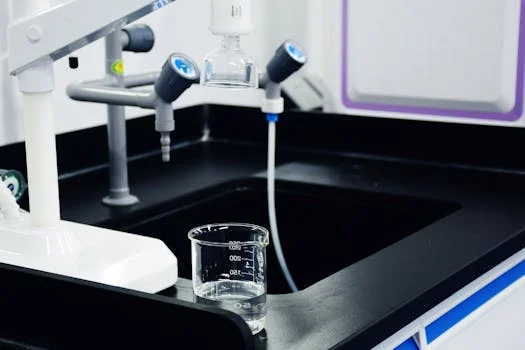
The optimal choice depends on three primary factors: facility size (bed count and flow rate), discharge destination, and available capital.
For hospitals under 200 beds: Compact, automated systems are optimal. The compact medical wastewater system (ozone) or buried WSZ Series (A/O) provide full compliance with minimal footprint and staff oversight. They are ideal for direct POTW discharge where the goal is surcharge avoidance. A preliminary wastewater characterization study is highly recommended to confirm the primary contaminants of concern.
For regional medical centers: Larger facilities with flows exceeding 50 m³/day should consider MBR systems equipped with DF Series membranes. This offers scalability, resilience to flow variations, and the potential for on-site reuse, providing a return on investment through reduced water procurement costs. The modular nature of MBR systems also allows for future expansion as the facility grows.
For sensitive watershed discharge: If your facility discharges to a protected basin like the Charles or Neponset River, MassDEP mandates a fecal coliform limit of 200 MPN/100mL. In these cases, a system with advanced disinfection—such as an MBR paired with an ClO₂ generator or ozone—is non-negotiable to ensure permit compliance and protect public health. Engaging with MassDEP early in the planning process is crucial for permit acquisition.
Frequently Asked Questions
How is hospital wastewater treated in Massachusetts?
It typically undergoes primary screening, biological treatment (such as A/O or MBR), and final disinfection (using ozone or ClO₂) to reliably meet MassDEP's secondary treatment standards of BOD <20 mg/L and TSS <30 mg/L. Many systems also include flow equalization tanks to smooth out peak discharge periods.
What is the cost of a hospital wastewater treatment system in Massachusetts?
Compact systems (1–10 m³/h capacity) range from $25,000–$65,000. Larger MBR systems for a 50 m³/day flow rate cost approximately $180,000 installed. Operational costs vary significantly based on disinfection method and energy rates. Site-specific factors like soil conditions and existing infrastructure can also impact the final installed cost.
Are on-site treatment systems required for hospitals in Massachusetts?
They are not universally mandated, but they are essential for avoiding POTW surcharges for high-strength waste and for ensuring compliance when effluent contains pharmaceuticals or other pollutants of concern that a POTW may not fully remove. Some local sewer use ordinances may effectively require pretreatment for certain parameters.
What size system does a 100-bed hospital need?
A 100-bed facility typically requires a system sized for 5–15 m³/h, based on an average water use of 350–400 gallons per bed per day. A detailed water audit is recommended for precise sizing, as actual water consumption can vary widely based on services offered (e.g., oncology, laundry, kitchens).
Can hospital wastewater be reused in Massachusetts?
Yes, with advanced treatment like MBR followed by reverse osmosis (RO), effluent can be reclaimed for non-potable uses such as cooling tower makeup water or irrigation, per MassDEP reuse guidelines. This can significantly reduce a facility's water footprint and utility costs, contributing to sustainability goals.
Further Reading
Explore these in-depth articles on related wastewater treatment topics: