Why Idaho’s Sewage Treatment Equipment Market is Unique in 2025
Idaho’s sewage treatment equipment market is fragmented, with suppliers like the Post Falls-based municipal specialists serving large-scale plants, while Boise-based custom providers dominate industrial food processing sectors. For 2025 projects, buyers must prioritize Idaho DEQ permit compliance (e.g., TSS <30 mg/L, BOD <25 mg/L) and CAPEX benchmarks ($50K–$2M for DAF systems, $200K–$5M for MBR plants). This guide provides engineering specs, cost models, and a zero-risk selection framework to eliminate procurement delays.
The demand for advanced sewage treatment equipment in Idaho is primarily driven by the state’s massive dairy and livestock industry, which managed over 1.8 million cows according to 2024 USDA data. This agricultural density, combined with high-output food processing facilities such as the Chobani plant in Twin Falls, creates a high-strength waste profile characterized by elevated Fats, Oils, and Grease (FOG) and Chemical Oxygen Demand (COD). For a facility manager at a Caldwell dairy plant, the struggle is often not just treatment, but meeting the Idaho Department of Environmental Quality (DEQ) standards, which enforce stricter Total Suspended Solids (TSS) and Biological Oxygen Demand (BOD) limits than federal EPA minimums. For instance, while the EPA may allow 45 mg/L for TSS in certain contexts, Idaho DEQ often mandates <30 mg/L to protect local watersheds.
Technical success in this region also requires accounting for Idaho’s extreme climate variations. In North Idaho and high-altitude regions like Sun Valley, freezing winter temperatures can cripple biological processes in exposed systems. Engineers must specify Idaho-ready MBR systems with buried installation for cold climates or insulated tanks for Dissolved Air Flotation (DAF) units to maintain microbial activity and chemical reaction efficiency. A recent case study from a Caldwell-based facility demonstrated that upgrading to a high-efficiency DAF system reduced TSS from 120 mg/L to 18 mg/L, effectively cutting DEQ non-compliance fines by 85% within the first year of operation.
Idaho-Specific Equipment Specs: DAF, MBR, and Clarifiers Compared
Engineering evaluations for Idaho wastewater projects must prioritize removal efficiency for specific waste streams, such as potato processing starch or dairy proteins, which require different hydraulic retention times and chemical dosages. Dissolved Air Flotation (DAF) systems remain the gold standard for Idaho’s industrial sector due to their ability to handle fluctuating solids loads. The DAF system for Idaho’s food processing and dairy waste streams utilizes micro-bubbles (20–50 microns) to achieve 92–97% TSS removal and up to 80% BOD reduction, making it ideal for pretreatment before discharging to municipal sewers.
For municipal upgrades or facilities requiring high-quality water reuse, Membrane Bioreactors (MBR) offer the highest level of treatment. These systems utilize 0.1 μm PVDF membranes to deliver effluent with TSS <5 mg/L, which is significantly cleaner than the requirements for most Idaho DEQ permits. This technology is particularly valuable in areas with limited space, as the footprint is approximately 60% smaller than conventional activated sludge systems. when comparing why Idaho plants are switching to lamella clarifiers for smaller footprints, the data shows that lamella plates increase the effective settling area by up to 10 times, allowing for surface loading rates of 20–40 m/h.
| Parameter | DAF Systems | MBR Systems (DF Series) | Lamella Clarifiers |
|---|---|---|---|
| TSS Removal Rate | 92% – 97% | >99% (<5 mg/L) | 85% – 90% |
| BOD Removal Rate | 60% – 80% | 95% – 98% | 30% – 50% (Soluble) |
| Footprint Requirement | Medium | Very Low | Low |
| Energy Consumption | 0.2 – 0.5 kWh/m³ | 0.8 – 1.5 kWh/m³ | 0.05 – 0.1 kWh/m³ |
| CAPEX Range (Idaho) | $50,000 – $500,000 | $200,000 – $2,000,000+ | $30,000 – $300,000 |
In addition to primary treatment, sludge management is a critical bottleneck for Idaho facilities. Utilizing a industrial sludge dewatering for Idaho’s dairy and food processing plants allows operators to reduce sludge volume by up to 75%, significantly lowering hauling costs to regional landfills. When integrated with advanced primary treatment, these systems ensure that the entire waste stream—from liquid effluent to solid cake—meets environmental and budgetary targets.
CAPEX/OPEX Benchmarks for Idaho Sewage Treatment Projects (2025)
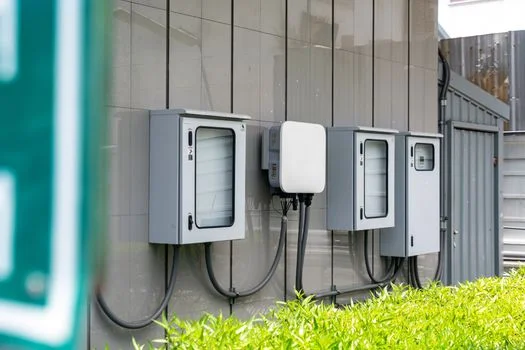
Budgeting for sewage treatment equipment in Idaho requires a granular understanding of local utility rates and the logistical costs associated with the state's geography. As of 2025, Idaho Power industrial rates average approximately $0.08/kWh, which makes energy-intensive processes like MBR more viable than in high-cost regions like California. However, the operational expenditure (OPEX) for MBR systems is still dominated by membrane replacement (typically every 5–8 years) and the energy required for constant aeration to prevent membrane fouling.
For a standard 100,000 GPD (gallons per day) industrial facility, the CAPEX for a DAF system typically ranges from $150,000 to $350,000, depending on the level of automation and material selection (e.g., 304 vs 316 stainless steel). The OPEX for these systems generally falls between $0.50 and $1.20 per cubic meter treated, with chemical coagulants accounting for 40–60% of that cost. In contrast, municipal plants evaluating how Idaho’s municipal plants compare to global benchmarks for TSS/BOD removal will find that while Idaho’s labor costs are higher, the lower energy rates provide a long-term competitive advantage for mechanized treatment solutions.
| System Type | Base CAPEX (100k GPD) | Annual OPEX (Est.) | Idaho-Specific Cost Drivers |
|---|---|---|---|
| DAF System | $150,000 – $300,000 | $45,000 – $70,000 | Winterization (+10%), Chemical freight |
| MBR Plant | $400,000 – $850,000 | $80,000 – $130,000 | Membrane cleaning, Aeration energy |
| Lamella Clarifier | $80,000 – $180,000 | $20,000 – $40,000 | Polymer costs, Sludge disposal |
| UV Disinfection | $40,000 – $120,000 | $5,000 – $15,000 | Lamp replacement, Quartz cleaning |
Logistics also play a significant role in Idaho procurement. Projects in remote areas such as Salmon or the Wood River Valley can see a 15–20% increase in CAPEX due to specialized freight requirements and the limited availability of local installation contractors. To mitigate these costs, many procurement teams are opting for modular, skid-mounted systems that are factory-tested and require minimal on-site assembly. This approach reduces the "hidden" costs of field engineering and ensures that the equipment arrives ready for immediate integration into the existing IPDES (Idaho Pollutant Discharge Elimination System) framework.
Top 5 Sewage Treatment Equipment Suppliers in Idaho (2025)
Shortlisting a sewage treatment equipment supplier in Idaho requires balancing technical expertise with the ability to provide local support and spare parts. The market is currently led by five distinct types of providers, each specializing in different aspects of the wastewater lifecycle. Municipal engineers often look toward suppliers in Post Falls for large-scale aeration and clarifier projects, as these firms have a long history of working with the Idaho DEQ on public infrastructure.
For industrial applications, particularly in the Boise and Twin Falls food corridors, custom equipment manufacturers offer highly specialized DAF and dewatering solutions. While some suppliers focus strictly on dewatering rentals for lagoon cleaning—a common need for Idaho’s smaller municipalities—others provide comprehensive "water-to-wire" systems that include advanced controls and remote monitoring. Buyers should be aware that while local water softener companies in Caldwell or Nampa offer excellent residential and light commercial services, they often lack the engineering depth required for complex industrial sewage treatment or large-scale MBR installations.
| Supplier Type | Primary Focus | Key Equipment Strength | Service Area |
|---|---|---|---|
| Municipal Specialist (Post Falls) | Public Works / Cities | Aeration, Large Clarifiers | North & Central Idaho |
| Industrial Custom (Boise) | Food & Dairy Plants | Custom DAF, MBR Skids | Statewide / Intermountain |
| Dewatering Expert (Southern ID) | Sludge Management | Filter Presses, Rentals | South & East Idaho |
| Water Utility Group (Southwest ID) | Municipal Water/Waste | General Treatment, Pumps | Treasure Valley |
| Process Solution Provider | Industrial Pretreatment | Chemical Feed, UV Systems | Statewide |
When evaluating these suppliers, procurement teams must look beyond the initial purchase price. The most successful projects in Idaho are those where the supplier provides a performance guarantee tied to DEQ permit limits. for facilities looking for a UV disinfection as a low-chemical alternative for Idaho’s food processing plants, selecting a supplier with experience in high-transmittance effluent is vital to ensure the system doesn't fail during peak production periods.
Idaho DEQ Permits and Compliance: Zero-Risk Procurement Checklist
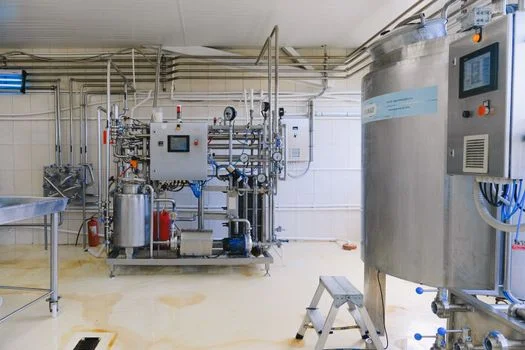
The transition of the National Pollutant Discharge Elimination System (NPDES) program from the EPA to the Idaho DEQ (now known as IPDES) has placed a greater emphasis on local accountability and technical precision. To eliminate procurement risk, engineers must ensure that every piece of equipment is vetted against the specific requirements of their facility’s permit. This is especially true for dairy and potato processing plants where FOG and pH levels can fluctuate wildly, leading to rapid permit violations if the equipment is not sized for peak loads.
- Verify IPDES/NPDES Requirements: Confirm your specific effluent limits for TSS, BOD, and Phosphorus. Idaho DEQ standards are often more stringent than federal baselines.
- Assess Seasonal Load Variations: Ensure equipment can handle the 2x-3x load increases common in tourism-heavy areas (e.g., Sun Valley) or during harvest seasons in agricultural zones.
- Audit Supplier Case Studies: Request data from Idaho-based installations. A DAF system that works in Texas may fail in an Idaho winter without proper insulation.
- Confirm Pretreatment Standards: For industrial users, ensure the equipment meets municipal "pass-through" and "interference" standards to avoid surcharges.
- Require Performance Guarantees: Mandate that the supplier guarantees >90% TSS removal or specific effluent concentrations under peak flow conditions.
- Evaluate Cold-Weather Performance: Specify heat tracing, insulated enclosures, or buried tanks for any biological or chemical process exposed to the elements.
- Check Spare Part Availability: Confirm that critical components (pumps, membranes, sensors) are stocked within a 4-hour drive of the facility.
- Review Energy Efficiency: Use the Idaho Power $0.08/kWh benchmark to calculate the 10-year Total Cost of Ownership (TCO).
- Schedule a DEQ Pre-Consultation: Present the equipment specs to the DEQ during the planning phase to ensure the proposed technology meets their "Best Available Technology" (BAT) criteria.
By following this framework, procurement teams can move from a "lowest-bidder" model to a "zero-risk" model, ensuring that the selected sewage treatment equipment provides long-term compliance and operational stability.
Frequently Asked Questions
What are the TSS and BOD limits for Idaho municipal wastewater treatment plants?
Idaho DEQ typically requires TSS <30 mg/L and BOD <25 mg/L for secondary treatment, though specific permits in sensitive watersheds may require even lower levels. These are stricter than the EPA’s general 45 mg/L and 30 mg/L minimums.
How much does a DAF system cost for a 100,000 GPD dairy plant in Idaho?
CAPEX for a fully automated DAF system ranges from $150,000 to $300,000. OPEX typically runs between $0.80 and $1.50 per cubic meter, factoring in Idaho Power’s $0.08/kWh energy rates and chemical coagulant costs.
Which Idaho suppliers offer MBR systems for water reuse?
Several regional suppliers in Boise and Post Falls provide MBR solutions. For Idaho’s cold climates, buried or modular insulated MBR systems are preferred to maintain the biological activity necessary for nitrogen and BOD removal.
What are the most common permit violations for Idaho industrial plants?
According to 2023-2024 DEQ enforcement data, FOG (Fats, Oils, and Grease) exceedances in food processing and pH violations in metal finishing or industrial cleaning are the most frequent causes of fines.
How do I choose between a DAF and an MBR system for my Idaho facility?
Choose a DAF system if your primary goal is removing high levels of TSS and FOG (e.g., dairy or potato waste) before sewer discharge. Choose an MBR system if you need high-clarity effluent for direct discharge to a river or for on-site water reuse.