In Montana, wastewater treatment plant costs vary widely based on size, technology, and discharge requirements. For example, Manhattan’s 2025 mechanical plant serving 1,400 people cost $4.7 million ($3,357 per capita), while Belgrade’s $40 million facility supports growth tied to Bozeman Yellowstone International Airport. Annual operating costs average $3 million for larger systems, with smaller towns like Drummond paying $900 per household annually. Key cost drivers include Montana DEQ compliance (e.g., ammonia limits for river discharge), treatment technology (lagoons vs. mechanical systems), and funding sources like state low-interest loans and grants.
Montana Wastewater Treatment Plant Costs: 3 Real Projects with Engineering Specs
Capital expenditures for Montana wastewater infrastructure are heavily influenced by the receiving water body's sensitivity and the projected population growth of the municipality. Manhattan’s $4.7 million mechanical plant serves as a primary benchmark for small-to-mid-sized Montana towns. This facility, designed to handle approximately 0.2 million gallons per day (MGD), utilizes a Westech STM Aeroter system—a hybrid biological treatment process combining activated sludge and biofilm technologies. The selection of this mechanical system was necessitated by Montana Department of Environmental Quality (DEQ) mandates regarding ammonia and phosphate limits for discharge into the Gallatin River, a high-value fishery. At $3,357 per capita, this project reflects the premium paid for mechanical treatment over traditional lagoon systems when environmental standards are stringent.
In contrast, Belgrade’s $40 million facility represents a large-scale infrastructure investment driven by regional economic development. Partnering with the Bozeman Yellowstone International Airport, the city designed a facility with an initial flow rate of 1.5 MGD, expandable to meet future demand. The initial capital cost calculates to approximately $26.67 per gallon of capacity. This project highlights the trend of inter-agency cooperation to distribute the financial burden of high-capacity systems. Meanwhile, Drummond provides a baseline for rural, lagoon-based systems. With an annual unit cost of $900 per household (roughly $2.47 per day), Drummond’s system avoids the high energy and chemical costs of mechanical plants but remains limited to areas where non-sensitive discharge or land application is permissible.
| Project | Population Served | Flow Rate (MGD) | Total Cost | Cost per Capita | Annual O&M | Treatment Technology | Discharge Location |
|---|---|---|---|---|---|---|---|
| Manhattan | 1,400 | 0.2 | $4.7M | $3,357 | ~$180,000 | Mechanical (STM Aeroter) | Gallatin River |
| Belgrade | 12,700+ | 1.5 | $40M | ~$3,150 | ~$1.2M | Mechanical (SBR/BNR) | Groundwater/Rapid Infiltration |
| Drummond | 300 | 0.05 | $1.2M (Upgrade) | $4,000 | ~$75,000 | Aerated Lagoon | Non-sensitive/Land App |
Cost Breakdown by Plant Size: From 500 to 50,000 People
Per-capita costs for wastewater treatment in Montana exhibit significant economies of scale, yet these are often offset by the increased complexity required for larger discharge volumes. Small plants serving 500 to 2,000 people typically face capital costs between $1.5 million and $5 million. For these communities, underground package sewage treatment plants for small Montana towns offer a viable alternative to sprawling lagoon systems, especially where land prices are rising. Cost per gallon in this bracket ranges from $20 to $40 for lagoons and $35 to $60 for mechanical systems. The higher per-gallon cost for small mechanical systems is due to the fixed costs of control systems, engineering, and mobilization that do not scale down linearly.
Medium-sized facilities serving 2,000 to 10,000 residents see a shift toward more advanced biological nutrient removal (BNR) to meet DEQ standards. Capital costs here range from $5 million to $20 million, with cost per gallon dropping to $15–$30. Large plants, such as those serving Missoula or Bozeman (10,000 to 50,000+ people), require investments of $20 million to $100 million. While the cost per gallon is lowest in this category ($8–$20), the absolute operational costs are substantial, often exceeding $3 million annually. These estimates exclude land acquisition and permitting, which typically add 10% to 20% to the total project budget in rural or ecologically sensitive Montana sites.
| Population Served | Flow Rate (MGD) | Capital Cost Range | Annual O&M Range | Cost per Gallon | Recommended Technology |
|---|---|---|---|---|---|
| 500–2,000 | 0.05–0.2 | $1.5M–$5M | $50k–$200k | $20–$60 | Lagoon or Package Mechanical |
| 2,000–10,000 | 0.2–1.0 | $5M–$20M | $200k–$800k | $15–$30 | SBR / Extended Aeration |
| 10,000–50,000 | 1.0–5.0 | $20M–$100M | $800k–$3M+ | $8–$20 | Activated Sludge / BNR / MBR |
Treatment Technology Comparison: Lagoons vs. Mechanical Systems vs. MBR
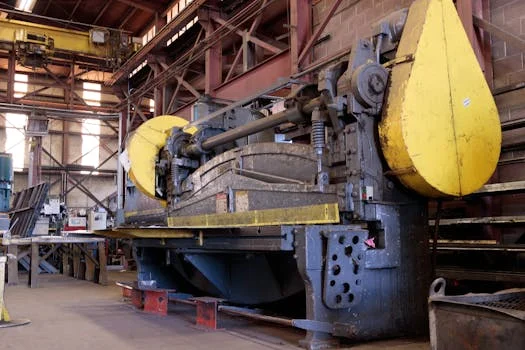
The choice of treatment technology in Montana is a direct trade-off between land footprint, capital investment, and the ability to meet stringent ammonia and phosphorus limits. Lagoon systems remain the most common choice for small towns like Drummond due to their low capital cost ($5–$15 per gallon) and minimal operational complexity. However, lagoons require a massive footprint—typically 1 to 2 acres per MGD—and struggle to meet modern DEQ ammonia removal standards, often achieving only 30% to 50% removal without expensive upgrades.
Mechanical systems, including Sequencing Batch Reactors (SBR) and activated sludge, offer a middle ground. With a footprint of 0.1 to 0.5 acres per MGD, these systems are suitable for towns like Manhattan that must discharge into rivers. They achieve 80% to 90% ammonia removal but require skilled operators and higher electricity consumption. For the highest level of compliance, MBR systems for Montana’s land-constrained or high-compliance sites provide near-reuse quality effluent. While MBR has the highest capital cost ($40–$80 per gallon), its footprint is the smallest (0.05–0.2 acres per MGD), and it achieves up to 98% ammonia removal, making it the preferred choice for developments near sensitive watersheds like Flathead Lake. For a deeper dive into the financial implications of these choices, see our cost comparison of secondary vs. tertiary treatment for Montana projects.
| Technology | Capital Cost ($/gal) | Footprint (acres/MGD) | BOD Removal | Ammonia Removal | DEQ Compliance | Best For |
|---|---|---|---|---|---|---|
| Lagoons | $5–$15 | 1.0–2.0 | 70–85% | 30–50% | Low (Non-sensitive) | Rural towns, land-rich |
| Mechanical | $20–$40 | 0.1–0.5 | 90–95% | 80–90% | Moderate (Rivers) | Municipalities, growth hubs |
| MBR | $40–$80 | 0.05–0.2 | 95–99% | 90–98% | Highest (Reuse/Lakes) | Sensitive watersheds |
Montana DEQ Compliance: What You Need to Know Before Building
The Montana Department of Environmental Quality (DEQ) enforces discharge standards that can increase project costs by 30% or more if tertiary treatment is required. Ammonia limits are the most common driver of technology upgrades; since 1999, the DEQ has tightened limits for river discharges, often requiring levels below 2 mg/L. This virtually eliminates standard lagoon systems from consideration for any town discharging into the Gallatin, Madison, or Yellowstone Rivers. Phosphate limits are equally stringent, particularly in the Flathead Basin, where limits below 1 mg/L often necessitate chemical precipitation or advanced biological nutrient removal.
Navigating the permitting timeline is critical for financial planning, as the process typically takes 6 to 18 months. Engineers must conduct a "mixing zone" analysis to determine if the receiving water can dilute the effluent or if "limit-of-technology" treatment is required. Failure to account for these standards early can lead to costly redesigns. For a comprehensive list of Montana's operational facilities and their specific compliance histories, refer to our detailed guide to Montana’s 85+ municipal sewage treatment plants.
| Discharge Location | Ammonia Limit (mg/L) | Phosphate Limit (mg/L) | Required Treatment Level | Example Projects |
|---|---|---|---|---|
| Major Rivers | < 2.0 | Variable | Secondary + BNR | Manhattan, Belgrade |
| Sensitive Lakes | < 1.0 | < 0.05 | Tertiary / MBR | Big Sky, Flathead Lake |
| Groundwater (RI) | < 10.0 | N/A | Secondary | Rural Subdivisions |
ROI Calculator: How to Justify Your Wastewater Treatment Plant Investment
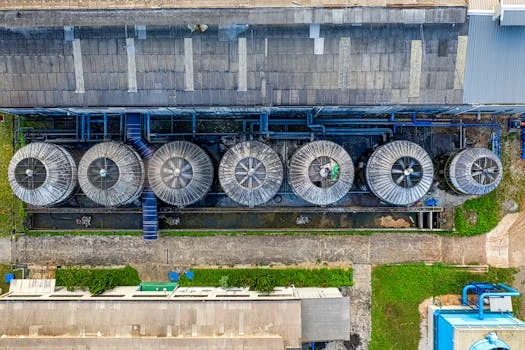
Justifying a multi-million dollar wastewater investment in Montana requires a comparison of long-term debt service against the rising costs of non-compliance and environmental degradation. To build a business case, municipal engineers should first estimate the total capital cost using the size-based benchmarks provided above. Next, calculate annual O&M, which for mechanical plants in the Rocky Mountain region typically ranges from $0.50 to $2.00 per 1,000 gallons treated. (HydropureWater field data, 2025).
The financial "return" is often found in the avoidance of DEQ fines, which can reach $10,000 per day for persistent violations. Additionally, modern mechanical systems allow for higher density development, increasing the municipal tax base. For example, Manhattan’s $4.7 million plant, funded by a 1% interest State Revolving Fund (SRF) loan over 20 years, results in an annual debt service of approximately $28,000. When combined with O&M, the total annual cost per household remains significantly lower than the costs associated with emergency repairs on failing, antiquated lagoon systems.
| Cost Category | Baseline Estimate (0.5 MGD) | Notes |
|---|---|---|
| Total Capital Cost | $10,000,000 | Based on $20/gal average |
| Annual Debt Service | $553,000 | 1% SRF Loan, 20-year term |
| Annual O&M | $250,000 | Labor, Power, Chemicals |
| Total Annual Cost | $803,000 | Total burden for ratepayers |
| Cost per Connection | $401/year | Based on 2,000 connections |
Funding Sources for Montana Wastewater Projects: Grants, Loans, and Partnerships
Securing low-interest financing is the most effective way to reduce the immediate impact of wastewater costs on Montana ratepayers. The Montana DEQ Clean Water State Revolving Fund (SRF) is the primary vehicle for these projects, offering 1% interest loans with terms up to 20 years. These loans can cover 100% of eligible project costs, including engineering and construction. For smaller communities (under 10,000 people), USDA Rural Development provides a mix of grants and low-interest loans, which were instrumental in Belgrade’s $40 million facility expansion.
Public-private partnerships (P3s) are also emerging as a viable model in Montana. The Belgrade-Airport partnership demonstrates how shared infrastructure can lower the per-capita burden on residents by leveraging industrial or commercial stakeholders who benefit from the increased capacity. For projects exceeding $20 million, the EPA’s Water Infrastructure Finance and Innovation Act (WIFIA) provides long-term, low-cost supplemental loans that can be combined with state funding to cover up to 49% of project costs.
| Funding Source | Eligibility | Max Award | Interest Rate | Term |
|---|---|---|---|---|
| DEQ Clean Water SRF | Municipalities | No set limit | ~1% | 20 Years |
| USDA Rural Dev. | Pop < 10,000 | Varies (Grants) | Market/Below | Up to 40 Years |
| EPA WIFIA | Projects > $20M | 49% of project | Treasury Rate | 35 Years |
| TSEP (State) | Municipalities | $500k–$750k | Grant | N/A |
Frequently Asked Questions
How much does it cost to set up a sewage treatment plant in Montana?
For a small town of 1,000 to 2,000 people, capital costs range from $2 million for a lagoon system to $5 million for a mechanical plant. Larger cities can expect to pay between $20 million and $100 million depending on capacity and discharge limits.
Do wastewater treatment plants make money in Montana?
Wastewater plants are typically structured as enterprise funds, meaning they aim for cost recovery rather than profit. However, they enable economic growth and can generate revenue through "system development fees" charged to new developers.
How much does it cost to install a sewage treatment plant for a small town?
A typical package mechanical plant for a Montana town of 500 people costs approximately $1.5 million to $2.5 million. Annual O&M for such a system averages $50,000 to $100,000.
What are the ongoing costs of operating a wastewater treatment plant in Montana?
Operating costs include electricity, chemicals (for phosphorus removal), sludge hauling, and certified operator salaries. These typically range from $0.50 to $2.00 per 1,000 gallons of treated effluent.
Can Montana municipalities get grants for wastewater treatment plants?
Yes, through the Treasure State Endowment Program (TSEP), USDA Rural Development, and the Montana Department of Commerce. Most projects use a "funding quilt" of 20–30% grants and 70–80% low-interest loans.