Industrial wastewater treatment in Mozambique must meet Water Law 16/91 limits—BOD below 30 mg/L, TSS below 30 mg/L, fecal coliform under 1,000 CFU/100 mL—and MBR plants hit them at a 2026 cost of $1,200–$2,500/m³/day.
MBR Industrial Wastewater Treatment in Mozambique: 2026 Cost Overview
MBR plants treating industrial effluent in Mozambique cost $1,200–$2,500 per m³/day of capacity, with OPEX of $0.20–$0.40/m³, and they remove 92–97% COD against Water Law 16/91 discharge limits of BOD and TSS below 30 mg/L. Add 15–20% for import duties and logistics to Beira or Maputo. DAF systems run cheaper at $800–$1,500 per m³/day when loads are mostly FOG.
Mozambique's Water Constraint: Why Maputo and Beira Factories Act Now
Maputo and Beira face 40% urban water scarcity, according to the World Bank's 2023 assessment, compelling factories to compete for limited municipal supplies. Untreated industrial effluent worsens those shortages and triggers regulatory crackdowns, operational disruption, and penalties. Major industrial players such as the Mozal aluminum smelter and the Maputo Port industrial zone generate high-strength wastewater with COD of 500–5,000 mg/L.
Those concentrations routinely exceed Water Law 16/91 limits and expose businesses to fines of up to 5% of annual revenue. Textile and food processing plants in Beira have reported 20–30% production losses directly attributable to water rationing. Advanced treatment and reuse are therefore business-continuity investments, not only compliance items. Growth sectors—mining, textiles, food processing, and aluminum—add to the load: a 50,000 m³/day textile plant in Maputo generates an estimated 15,000 m³/day of effluent with COD exceeding 1,000 mg/L.
Water Law 16/91 Compliance Blueprint: Which Technologies Meet Discharge Limits?
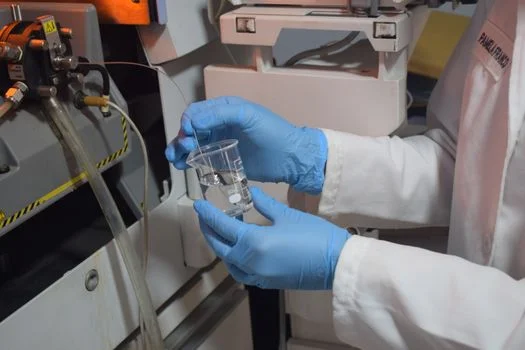
Water Law 16/91 sets three critical discharge limits for industrial effluent: BOD below 30 mg/L, TSS below 30 mg/L, and fecal coliform below 1,000 CFU/100 mL. MBR systems reliably meet all three, making them a compliance-ready option for a wide range of industrial applications. MBR trains achieve 92–97% COD removal and 99.9% pathogen reduction (per EPA 2024 benchmarks), which positions them for high-strength effluents with COD often exceeding 1,000 mg/L.
Cost-effective DAF systems remove 85–95% of TSS and FOG but typically need chemical dosing such as 50–100 mg/L ferric chloride plus post-treatment to hold BOD, suiting food processing and pulp/paper mills with lower organic loads. Chemical precipitation with lime and coagulants removes 70–90% of heavy metals yet struggles on BOD and pathogens, so it needs secondary treatment such as sand filtration for full adherence. RO systems produce ultra-pure water but are not primary compliance tools for these parameters without extensive, costly pretreatment.
Site teams should also read those numbers against the broader mozambique environmental quality standards water effluent organic pollution bod cod benchmarks for food-processing sites. Table 1 summarizes compliance fit by technology.
Table 1: Mozambique Compliance Matrix for Industrial Wastewater Discharge (Water Law 16/91)
| Treatment Technology | BOD (<30 mg/L) | TSS (<30 mg/L) | Fecal Coliform (<1,000 CFU/100 mL) | Notes |
|---|---|---|---|---|
| MBR (Membrane Bioreactor) | ✓ (typically <10 mg/L) | ✓ (typically <5 mg/L) | ✓ (typically <1 CFU/100 mL) | Compliance-ready option for high-strength effluents (COD >1,000 mg/L). |
| DAF (Dissolved Air Flotation) | ✗ (requires post-treatment) | ✓ (85–95% removal) | ✗ (requires disinfection) | Ideal for FOG/TSS removal; not suitable for high-strength BOD without secondary biological treatment. |
| Chemical Precipitation | ✗ (requires secondary treatment) | ✗ (requires secondary treatment) | ✗ (requires disinfection) | Primarily for heavy metal removal (70–90%); not suitable for organic or pathogen targets. |
| RO (Reverse Osmosis) | ✓ (post-MBR/DAF) | ✓ (post-MBR/DAF) | ✓ (post-MBR/DAF) | Niche for ultra-pure water reuse; requires extensive pretreatment to meet these parameters. |
For robust compliance with Water Law 16/91, particularly for high-strength industrial effluents, consider MBR systems for high-strength industrial effluents in Mozambique. For applications focused on TSS and FOG removal, explore cost-effective DAF systems for FOG and TSS removal in Mozambique.
MBR vs DAF Mozambique Food Processing Wastewater: Choosing the Primary Train
MBR systems excel on high-strength organic effluents with COD from 500–5,000 mg/L, serving textiles, food processing, and pharmaceuticals. Their footprint runs 60% smaller than conventional activated sludge, though CAPEX is generally 2–3 times higher than DAF. cost-effective DAF systems for FOG and TSS removal in Mozambique win on FOG-heavy effluents from slaughterhouses and dairies and on lower-COD streams (COD below 500 mg/L), with CAPEX as low as $800/m³/day, albeit with limited pathogen removal.
RO occupies a niche for ultra-pure reuse in pharmaceutical or high-tech service but demands pretreatment to SDI below 3 and struggles with the high-TDS effluents of coastal industry. Chemical precipitation suits heavy-metal loads from mining or electroplating, yet its hazardous sludge needs costly off-site disposal in a country with limited hazardous landfill capacity.
Table 2: Technology Selection Guide for Mozambique's Industries
| Technology | COD Range (Influent) | TSS Removal | Pathogen Reduction | CAPEX ($/m³/day) | OPEX ($/m³) | Footprint | Ideal Industry (Mozambique) |
|---|---|---|---|---|---|---|---|
| MBR | 500–5,000 mg/L | >99% | >99.9% | 1,200–2,500 | 0.20–0.40 | Compact (60% less) | Textiles, Food Processing, Pharmaceuticals, Mozal Aluminum |
| DAF | <500 mg/L (primary) | 85–95% | Limited (requires disinfection) | 800–1,500 | 0.10–0.25 | Moderate | Slaughterhouses, Dairies, Pulp/Paper, Maputo Port (FOG) |
| RO | <50 mg/L (post-MBR/DAF) | >99.9% (post-pretreatment) | >99.9% | 1,500–3,500 | 0.30–0.60 | Large (with pretreatment) | Ultra-pure water reuse (e.g., boiler feed, high-tech manufacturing) |
| Chemical Precipitation | Variable (for metals) | 70–90% (heavy metals) | Minimal | 500–1,200 | 0.15–0.30 | Small-Moderate | Mining (heavy metals), Electroplating |
For detailed specifications on advanced biological treatment, refer to our MBR systems for high-strength industrial effluents in Mozambique. To understand the capabilities of physical-chemical separation, view our cost-effective DAF systems for FOG and TSS removal in Mozambique.
For ultra-pure water needs, explore our reverse osmosis (RO) water purification systems. Most plants we size in Maputo pair a primary physical-chemical step with biology rather than betting on a single stage.
MBR CAPEX OPEX Mozambique Industrial Wastewater: 2026 Benchmarks
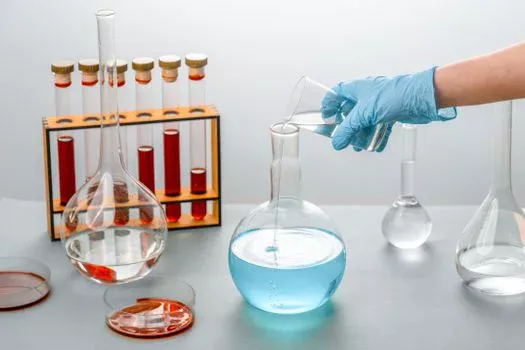
CAPEX for industrial wastewater treatment in Mozambique varies by technology and capacity: MBR systems from $1,200–$2,500/m³/day, DAF from $800–$1,500/m³/day, chemical precipitation from $500–$1,200/m³/day, and RO from $1,500–$3,500/m³/day. Add an estimated 15–20% for Mozambique's import duties and logistical costs, such as shipping to industrial zones like Beira. OPEX follows the same spread: MBR at $0.20–$0.40/m³, DAF at $0.10–$0.25/m³, chemical precipitation at $0.15–$0.30/m³, and RO at $0.30–$0.60/m³. Local energy prices—$0.12/kWh in Maputo versus $0.18/kWh in Beira—weigh directly on aeration and pumping costs.
Key ROI drivers include water reuse savings of $0.50–$1.20/m³ in Maputo, avoided regulatory fines of up to 5% of annual revenue, and ensured production continuity. MBR systems in textile plants often achieve payback within 2–4 years through water reuse, while DAF systems in food processing facilities pay back within 3–5 years primarily through compliance and avoided penalties. Most inquiries we receive about MBR industrial wastewater treatment Mozambique 2026 cost come down to two questions: what CAPEX band to budget and how fast reuse pays it back. Table 3 breaks those bands down line by line.
Table 3: Cost Breakdown by System Type for Industrial Wastewater Treatment in Mozambique (2026)
| Cost Category | MBR System | DAF System | Chemical Precipitation | RO System |
|---|---|---|---|---|
| CAPEX (per m³/day capacity) | ||||
| Equipment | $900–$2,000 | $600–$1,100 | $400–$900 | $1,200–$2,800 |
| Civil Works & Installation | $300–$500 | $200–$400 | $100–$300 | $300–$700 |
| Mozambique Adjustment (15–20% import/logistics) | Add $180–$500 | Add $120–$300 | Add $75–$240 | Add $225–$700 |
| OPEX (per m³ treated) | ||||
| Energy (Maputo $0.12/kWh, Beira $0.18/kWh) | $0.10–$0.25 | $0.05–$0.15 | $0.05–$0.10 | $0.15–$0.35 |
| Chemicals | $0.02–$0.05 | $0.03–$0.08 | $0.08–$0.15 | $0.05–$0.10 |
| Labor & Maintenance | $0.08–$0.10 | $0.02–$0.05 | $0.02–$0.05 | $0.10–$0.15 |
| ROI | ||||
| Years to Payback (via reuse/compliance) | 2–4 years | 3–5 years | 4–6 years | 5–8 years (for high-value reuse) |
| Reuse Savings (Maputo, $/m³) | $0.50–$1.20 | $0.30–$0.70 | N/A (limited reuse) | $0.80–$1.50 |
Note: Add 10% for corrosion-resistant materials in coastal areas like Maputo and Beira due to saline environments.
Water Reuse: How Factories Cut Freshwater Intake by 30–50%
MBR effluent quality aligns with WHO guidance for safe non-potable reuse, showing turbidity typically below 1 NTU and fecal coliform counts under 1 CFU/100 mL. WHO states that wastewater reuse is increasingly important but must be treated and controlled adequately to protect health. Its framework rests on health-based targets, water safety plans, and independent surveillance, with a third addendum to the Guidelines for Drinking-water Quality announced in June 2026 (WHO).
That water quality supports a 30–50% cut in freshwater intake for textile dyeing, cooling towers, and agricultural irrigation. The Mozal aluminum smelter cut municipal water intake by 30%, saving roughly $250,000 per year, by reusing MBR effluent for non-contact cooling. RO systems could push reuse to 50% or more, but CAPEX climbs to $3.5M against $2.1M for MBR at similar capacity.
DAF effluent, with TSS typically below 30 mg/L, fits lower-grade reuse such as floor washing and dust suppression after disinfection—for example, using on-site ClO₂ generators for effluent disinfection in Mozambique. MBR systems typically recover 85–95% of the influent as reusable effluent. A typical reuse flow runs influent to MBR or DAF, then disinfection, treated-water storage, and reuse for cooling or irrigation; for advanced biology specs, refer to our MBR systems for high-strength industrial effluents in Mozambique.
Troubleshooting Mozambique Operations: Power, Fouling, Sludge
Power reliability, membrane fouling, and sludge disposal dominate the operating agenda for Maputo and Beira plants. Maputo averages 12–15 power outages per month (World Bank 2023), which can disrupt MBR and DAF systems unless backup aeration or diesel generation is in place. High-turbidity water—up to 3,000 mg/L in the rainy season—clogs MBR membranes fast, so pretreatment with lamella clarifiers or multimedia filters plus automated backwash every 2 hours above 500 mg/L turbidity is standard practice. Sludge disposal is the third constraint: chemical-precipitation sludge, especially from mining, must be stabilized on-site with lime or shipped to South Africa, adding 20–30% to OPEX.
5 Mozambique-Specific Troubleshooting Tips:
- Power Outages: Install 30-minute UPS for PLC controls to allow safe shutdown and integrate automatic transfer switches (ATS) with diesel generators for continuous power to critical aeration and pumping systems.
- Membrane Fouling: Implement a robust pre-treatment train (e.g., coarse screening, fine screening, lamella clarifier) before MBR units, and schedule regular chemical enhanced backwashes (CEB) using sodium hypochlorite or citric acid.
- High Turbidity: For influent with consistently high turbidity (e.g., >1,000 mg/L), consider a primary sedimentation tank or high-efficiency sedimentation tanks to reduce suspended solids load before secondary treatment.
- Sludge Management: Explore on-site dewatering technologies (e.g., filter presses) to reduce sludge volume by 70–80% before transport, and investigate local options for co-processing non-hazardous sludge with other industrial waste streams.
- Corrosion in Coastal Areas: Specify corrosion-resistant materials (e.g., HDPE piping, epoxy-coated steel tanks) for all equipment and civil works in Maputo and Beira to extend asset lifespan and reduce maintenance costs.
Who This Is For / Next Step
Factory utilities teams, EPC contractors, and plant managers in Maputo and Beira evaluating MBR, DAF, RO, or chemical precipitation trains are the audience for this guide. For a deeper MBR-focused treatment, the MBR Wastewater Treatment System in Mozambique: 2026 Engineering Guide covers compliance and ROI detail. Municipal-scale readers can cross-check the Municipal Sewage Treatment Plants in Mozambique: 2026 Engineering Guide.
If you have effluent assay data and a target discharge permit, send both through our process design inquiry form and a process engineer will map the CAPEX band, pretreatment train, and reuse potential before a formal bid package.
Frequently Asked Questions
What are the primary wastewater discharge standards in Mozambique?
Mozambique's Water Law 16/91 sets the key industrial discharge standards: BOD below 30 mg/L, TSS below 30 mg/L, and fecal coliform below 1,000 CFU/100 mL. Adherence is mandatory to avoid fines of up to 5% of annual revenue. Plants targeting reuse should also design to WHO-aligned microbiological quality, since reuse water must be treated and controlled adequately to protect health (WHO).
How much does an MBR system cost in Maputo, including installation?
An MBR system in Maputo typically costs $1,200–$2,500/m³/day of treatment capacity, installed. The figure covers equipment, civil works, and installation, with an additional 15–20% for Mozambique-specific import duties and logistics. For specs, see our MBR systems for high-strength industrial effluents in Mozambique.
MBR COD removal Mozambique textile effluent: what is realistic?
MBR COD removal on Mozambique textile effluent realistically runs 92–97%, with influent COD of 500–5,000 mg/L and typical dye-house drains above 1,000 mg/L. A 50,000 m³/day Maputo textile plant, for example, produces about 15,000 m³/day of such effluent. Design margin should sit at the conservative end of that band when dye batches spike the organic load.
Can DAF systems alone meet Water Law 16/91 for food processing wastewater?
DAF systems alone generally cannot meet the BOD limit of Water Law 16/91 for food processing wastewater. They remove 85–95% of TSS and FOG and work well as a primary step for FOG-heavy effluents, but biological treatment or chemical polishing after them is needed to reach BOD below 30 mg/L. For specs, see our cost-effective DAF systems for FOG and TSS removal in Mozambique.
How do factories handle power outages and sludge disposal in Mozambique?
Factories mitigate Maputo's 12–15 monthly outages with diesel generators on automatic transfer switches plus a 30-minute UPS for PLC controls. Sludge handling depends on type: non-hazardous sludge is dewatered on-site by filter press to cut volume 70–80%, while hazardous chemical-precipitation sludge is stabilized with lime or shipped to South Africa, adding 20–30% to OPEX.
What are the ROI benefits of water reuse for a textile factory in Beira?
A textile factory in Beira can cut freshwater intake by 30–50% by reusing MBR effluent that meets WHO non-potable reuse standards. The savings run $0.50–$1.20 per m³, giving a typical payback of 2–4 years on the polishing addition. Meters on each reuse point keep the accounting defensible when water tariffs change.
What are the challenges of sludge disposal from industrial wastewater treatment in Mozambique?
Mozambique lacks specialized hazardous waste landfills, which is the core disposal challenge. Sludge from chemical precipitation — particularly from mining operations — often requires stabilization such as lime addition, or costly transport to South Africa for compliant disposal, adding 20–30% to OPEX. Dewatering to a stable cake before haul-off shrinks both the volume and the compliance exposure.