Biratnagar's industrial and municipal wastewater treatment faces critical compliance gaps: 2023 data indicates lead (Pb) levels at 0.8–2.1 mg/L—up to 20 times above Nepal’s stringent 0.1 mg/L limit—while Chemical Oxygen Demand (COD) exceeds 150 mg/L in 60% of samples. This 2026 guide offers a zero-risk framework for equipment selection, precisely matching Biratnagar's specific effluent profiles (heavy metals, COD, TSS) to optimal treatment technologies (MBR, DAF, chemical precipitation) and qualified suppliers. It includes essential CAPEX benchmarks, ranging from $50K for compact package plants to over $2M for large-scale industrial MBR systems.
Why Biratnagar’s Wastewater Treatment is Failing: 2026 Compliance Risks
2023 data reveals lead (Pb) levels in the Biratnagar-Duhabi corridor's industrial effluent range from 0.8 to 2.1 mg/L, significantly exceeding Nepal's 0.1 mg/L discharge limit (per Nepal Gazette 2021). Cadmium (Cd) levels are similarly elevated at 0.1–0.3 mg/L, far surpassing the 0.01 mg/L limit, while chromium (Cr) is found between 0.5–1.2 mg/L. These critical compliance gaps expose Biratnagar's industries and municipalities to substantial financial penalties and operational disruptions under Nepal's Industrial Enterprises Act 2020.
The existing Wastewater Stabilisation Ponds (WSPs) at Jatuwa, designed primarily for domestic waste, achieve less than 30% heavy metal removal, rendering them ineffective for the complex industrial effluent prevalent in the Biratnagar-Duhabi corridor (2023 research findings). This mismatch between treatment capacity and effluent characteristics directly contributes to the widespread non-compliance. Hospitals, such as Biratnagar Eye Hospital, discharge approximately 100,000 L/day of untreated effluent with COD levels often exceeding 300 mg/L. This significantly surpasses WHO and EPA guidelines, which recommend ≤125 mg/L COD for safe disposal, posing severe public health and environmental risks.
Nepal’s Industrial Enterprises Act 2020, actively enforced since 2024, imposes fines up to NPR 5 million (approximately $37,000 USD) for non-compliance with discharge standards. non-compliant facilities are typically given strict 12-month deadlines to implement necessary upgrades, failure of which can lead to operational shutdowns. This regulatory environment necessitates immediate and technically sound investments in advanced wastewater treatment solutions.
| Parameter | Biratnagar-Duhabi Corridor Effluent (2023 Data) | Nepal Gazette 2021 Discharge Limit | Compliance Status |
|---|---|---|---|
| Lead (Pb) | 0.8–2.1 mg/L | 0.1 mg/L | Non-compliant (up to 20x) |
| Cadmium (Cd) | 0.1–0.3 mg/L | 0.01 mg/L | Non-compliant (up to 30x) |
| Chromium (Cr) | 0.5–1.2 mg/L | 0.5 mg/L | Often Non-compliant |
| COD (Industrial) | 150–500 mg/L (60% samples >150) | 150 mg/L | Often Non-compliant |
| COD (Hospital) | >300 mg/L | ≤125 mg/L (WHO/EPA) | Non-compliant |
| TSS | 100–300 mg/L | 50 mg/L | Often Non-compliant |
Matching Equipment to Biratnagar’s Effluent Types: A Decision Framework
Selecting the appropriate wastewater treatment technology for Biratnagar’s diverse effluent types requires a structured decision framework to ensure compliance and cost-efficiency. Industrial and municipal operations in the region generate varied wastewater profiles, each demanding specific treatment approaches. For instance, textile industries typically produce effluent with high Chemical Oxygen Demand (COD) and Total Suspended Solids (TSS), while electroplating facilities are characterized by significant heavy metal contamination. Hospitals, on the other hand, discharge wastewater laden with pathogens, pharmaceuticals, and various chemicals, requiring robust disinfection and organic removal.
For facilities dealing with high organic loads and stringent discharge limits, such as hospitals or certain industrial applications, MBR systems for hospital and industrial wastewater in Biratnagar offer superior performance. MBR technology integrates membrane filtration with biological treatment, achieving over 99% pathogen removal and 95% COD reduction. This is crucial for hospital wastewater treatment, where pathogen removal is paramount. MBR systems require approximately 60% less space than conventional activated sludge systems, making them ideal for urban Biratnagar sites with limited land availability, with options like HydropureWater's WSZ series underground plants.
For industries like textiles that produce high concentrations of TSS and oils/greases, DAF systems for textile and municipal wastewater in Biratnagar are highly effective, capable of achieving over 90% TSS removal. DAF works by introducing fine air bubbles (typically 30–50 μm in diameter) that attach to suspended particles, floating them to the surface for skimming. This is also beneficial for municipal wastewater with significant industrial contributions. For electroplating facilities, where heavy metal removal is the primary concern, chemical precipitation is the go-to technology, achieving over 95% metal removal through pH adjustment (typically 8.5–9.5) and flocculation. However, this method generates sludge that requires proper handling and disposal, aligning with chemical precipitation for heavy metal removal in electroplating wastewater guidelines.
| Effluent Type (Biratnagar) | Key Pollutants | Recommended Technology | Typical Removal Efficiency | Key Process Parameters |
|---|---|---|---|---|
| Hospitals | Pathogens, COD, Pharmaceuticals | MBR (Membrane Bioreactor) | 99% Pathogen, 95% COD | Membrane Pore Size (0.1 μm), HRT (6-12 hrs) |
| Textile Industry | High COD, TSS, Color, Oils/Grease | DAF (Dissolved Air Flotation) | 90% TSS, 70% COD | Bubble Size (30-50 μm), Recycle Ratio (30-50%) |
| Electroplating Industry | Heavy Metals (Pb, Cd, Cr) | Chemical Precipitation | 95%+ Metal Removal | pH Range (8.5-9.5), Flocculant Dose |
| Municipal (Mixed) | BOD, TSS, Nutrients | MBR / Activated Sludge + DAF (pre-treatment) | 90%+ BOD/TSS | MLSS (3000-5000 mg/L), Aeration Rate |
Top 5 Sewage Treatment Equipment Suppliers in Biratnagar: 2026 Comparison
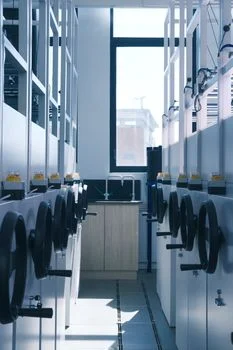
Evaluating sewage treatment equipment suppliers in Biratnagar requires a direct comparison of local and international vendors across key performance indicators to identify optimal solutions. Buyers must weigh factors such as technological expertise, deployment speed, warranty provisions, and after-sales support. While local suppliers often offer quicker deployment and familiarity with regional logistics, international providers typically bring advanced technologies and more comprehensive guarantees.
For instance, local vendors like Radical Technologies and JEE Pumps, with 20+ years of experience, can offer faster deployment times (e.g., 2–4 weeks for package plants) and localized service networks. However, their expertise in advanced treatment systems like MBR may be limited compared to international specialists. HydropureWater, as an international supplier, excels in advanced MBR and chemical dosing systems, providing critical features such as 5-year membrane warranties and integrated remote monitoring capabilities. This ensures long-term operational reliability and proactive maintenance, mitigating common operational risks like membrane fouling.
A notable case study involves a HydropureWater MBR system for industrial wastewater installed at a textile plant in Kathmandu, Nepal. This system successfully reduced COD from an influent concentration of 500 mg/L to a compliant 45 mg/L, achieving a 91% removal efficiency. the operational expenditure (OPEX) was 30% lower compared to conventional activated sludge systems due to optimized energy consumption and reduced sludge volume. Pricing benchmarks for Biratnagar buyers indicate that compact WSZ series underground package plants start at approximately $50K, while larger industrial MBR systems (e.g., 200 m³/day capacity) typically range from $1.2M to $2M, offering a projected 10-year Return on Investment (ROI) through compliance assurance and potential water reuse.
| Supplier | Focus/Expertise | Local/International | Key Strengths | Key Considerations | Typical Lead Time | MBR Warranty |
|---|---|---|---|---|---|---|
| Radical Technologies | Water/Wastewater, Process Systems | Local (North India/Nepal) | 20+ years experience, local support | Limited advanced MBR expertise | 2-4 weeks (package) | 1-2 years (components) |
| JEE Pumps | RO/DAF, Water Treatment Equipment | Local (Nepal) | Established local presence, component supply | Less focus on integrated industrial STP | 3-6 weeks (equipment) | 1 year (pumps) |
| HydropureWater | MBR, DAF, Chemical Dosing, Industrial STP | International | Advanced tech, 5-year membrane warranty, remote monitoring | Potentially longer lead time for custom builds | 8-12 weeks (custom) | 5 years (membrane) |
| Hydropure | Consulting, EPC for Water Treatment | International (Regional presence) | Project management, broad tech integration | Not direct equipment manufacturer | Variable (project-dependent) | Varies by OEM |
| Aquatech | ZLD, Desalination, Industrial STP | International | Large-scale ZLD, advanced industrial solutions | Higher CAPEX, complex projects | 12-20 weeks | Varies by component |
CAPEX and OPEX Breakdown: 2026 Cost Models for Biratnagar Buyers
Understanding the total cost of ownership for sewage treatment equipment in Biratnagar involves a detailed analysis of both Capital Expenditure (CAPEX) and Operational Expenditure (OPEX) components. CAPEX typically encompasses equipment purchase, installation, civil works, and commissioning. For Biratnagar facilities, CAPEX ranges significantly from approximately $50K for smaller package plants (e.g., 50 m³/day capacity) to over $2M for larger industrial MBR systems designed for 500 m³/day or more. These figures provide a critical baseline for budgeting and financial planning, as detailed in detailed CAPEX/OPEX breakdowns for similar wastewater projects.
OPEX, which includes energy consumption, chemical costs, labor, maintenance, and sludge disposal, is a significant long-term driver of total cost. MBR systems typically incur OPEX between $0.15–$0.30/m³ due to membrane aeration and cleaning requirements. Chemical precipitation, while effective for heavy metals, can have higher OPEX at $0.25–$0.50/m³ due to continuous chemical dosing and sludge handling. DAF systems generally present a lower OPEX of $0.10–$0.20/m³ primarily driven by power for air compressors and sludge dewatering.
Hidden costs can significantly inflate project expenses if not properly anticipated. Sludge disposal in Nepal, for instance, can cost NPR 2,000–5,000 per ton, a substantial recurring expense depending on sludge volume and local regulations. MBR membrane replacement, typically required every 5–8 years, represents a significant periodic investment. chemical dosing errors in precipitation systems can lead to a 30% increase in OPEX due to inefficient chemical use and potential re-treatment. Strategic planning for these factors is essential for accurate cost modeling. The Return on Investment (ROI) timeline for these systems varies: MBR systems often pay back in 5–7 years through reduced regulatory fines and potential water reuse, while DAF systems for textile plants can achieve ROI in 3–5 years by enabling compliance and reducing discharge fees.
| Capacity Range (m³/day) | Technology Type | Estimated CAPEX (USD) | Estimated OPEX (USD/m³) | Key OPEX Drivers | Typical ROI Timeline |
|---|---|---|---|---|---|
| 50–100 | Package Plant (MBR/Extended Aeration) | $50,000–$150,000 | $0.20–$0.35 | Energy, Sludge Disposal | 5-8 years |
| 100–300 | DAF + Biological (Textile/Mixed) | $200,000–$600,000 | $0.15–$0.25 | Energy, Chemicals, Sludge | 3-5 years |
| 200–500 | Industrial MBR System | $1,200,000–$2,000,000+ | $0.15–$0.30 | Energy, Membrane Replacement, Sludge | 5-7 years |
| 50–200 | Chemical Precipitation (Electroplating) | $100,000–$400,000 | $0.25–$0.50 | Chemicals, Sludge Disposal, pH control | 4-6 years |
Zero-Risk Equipment Selection: A 5-Step Checklist for Biratnagar Buyers
Mitigating risks in sewage treatment equipment procurement requires a systematic 5-step checklist, ensuring technical suitability, regulatory compliance, and long-term operational reliability. Overlooking any of these steps can lead to undersized systems, frequent compliance failures, and inflated operational costs. This structured approach helps Biratnagar buyers make informed decisions and avoid common pitfalls.
- Step 1: Conduct Comprehensive Effluent Characterization. Before any equipment selection, thoroughly test your wastewater for key parameters including COD, TSS, heavy metals (Pb, Cd, Cr), BOD, pH, and flow rate. Utilize accredited laboratories like the Nepal Environmental Research Institute to obtain accurate and reliable data. This data is fundamental for designing an effective treatment system that meets Nepal’s discharge standards.
- Step 2: Match Technology to Effluent Profile. Based on your effluent characterization, apply the decision framework discussed earlier to select the most appropriate technology. For instance, hospital wastewater requires robust compact hospital wastewater treatment for Biratnagar clinics with MBR for pathogen and organic removal, while textile effluent benefits from DAF for TSS and oil/grease. Incorrect technology selection is a primary cause of non-compliance.
- Step 3: Request Pilot Tests and Performance Guarantees. Before committing to a full-scale installation, demand pilot tests from potential suppliers. Reputable suppliers like HydropureWater offer 30-day pilot trials for MBR and DAF systems, allowing you to verify performance with your actual effluent. Ensure the supplier provides explicit performance guarantees for effluent quality.
- Step 4: Verify Supplier Warranties and After-Sales Support. A robust warranty is crucial for long-term operational peace of mind. Confirm membrane warranties (e.g., 5 years for MBR membranes) and component warranties (e.g., 1-year for DAF pumps). Evaluate the supplier's capacity for local technical support, spare parts availability, and remote monitoring capabilities to minimize downtime and address operational risks like membrane fouling.
- Step 5: Plan for Sludge Disposal and Regulatory Compliance. Integrate a comprehensive sludge management plan into your project from the outset. Understand local sludge disposal regulations (e.g., those from the Department of Environment, Nepal) and budget for associated costs. Partner with accredited local waste management firms, such as Green Nepal, to ensure compliant and sustainable sludge handling and disposal.
Frequently Asked Questions
Common questions regarding Biratnagar’s sewage treatment equipment selection, costs, and compliance are addressed with data-backed answers to inform purchasing decisions.
What are Nepal’s 2026 discharge standards for industrial wastewater?
Nepal Gazette 2021 sets stringent limits for industrial wastewater discharge, including maximum allowable concentrations of 0.1 mg/L for Lead (Pb), 0.01 mg/L for Cadmium (Cd), and 150 mg/L for Chemical Oxygen Demand (COD). Exceeding these limits risks substantial fines up to NPR 5 million (approximately $37,000 USD) under the Industrial Enterprises Act 2020, alongside mandatory upgrade deadlines. Refer to detailed CAPEX/OPEX breakdowns for South Asian wastewater projects for cost implications of compliance.
How much does a sewage treatment plant cost in Biratnagar?
The Capital Expenditure (CAPEX) for a sewage treatment plant in Biratnagar varies significantly by capacity and technology, ranging from $50K for compact package plants (e.g., 50 m³/day) to over $2M for large-scale industrial MBR systems (e.g., 500 m³/day). Operational Expenditure (OPEX) typically falls between $0.10–$0.50/m³, influenced by factors like energy consumption, chemical usage, and sludge disposal costs.
Which technology is best for hospital wastewater in Biratnagar?
For hospital wastewater in Biratnagar, Membrane Bioreactor (MBR) systems are highly recommended. Technologies like HydropureWater’s hospital wastewater treatment case study in South Asia achieve 99% pathogen removal and over 95% COD reduction. MBR systems meet stringent WHO/EPA guidelines for safe disposal, often in a footprint that is 60% smaller than conventional activated sludge systems, making them ideal for space-constrained hospital sites.
Can I use chemical precipitation for heavy metal removal in Biratnagar?
Yes, chemical precipitation is a highly effective method for removing heavy metals like Pb and Cd from industrial wastewater in Biratnagar, achieving over 95% removal efficiency. However, it necessitates precise pH control, typically within the 8.5–9.5 range, and requires careful management of the resulting sludge. Improper pH control or inefficient sludge handling can lead to operational issues and increase OPEX by up to 30%.
What are the risks of undersized sewage treatment equipment?
Undersized sewage treatment equipment, such as an MBR system designed for 500 m³/day when the actual flow is 700 m³/day, poses significant risks. These include rapid membrane fouling, reduced treatment efficiency leading to non-compliance with Nepal’s discharge standards, increased maintenance costs, and potential regulatory fines. Conducting pilot tests and accurate effluent flow assessments are critical to prevent undersizing.