In 2025, wastewater treatment plant cost in Saudi Arabia ranges from $500,000 for a compact 50 m³/day MBR system to $3.2 billion for large municipal packages such as NWC’s Aseer/Qassim works. Technology choice, SASO 2873 industrial limits, salinity, and sludge disposal set most of the spread. A 500 m³/day industrial plant in Jeddah often lands at $2.5–4M CAPEX, with OPEX near $0.80–1.50/m³ when energy and chemicals dominate. DAF pre-treatment typically adds 20–30% CAPEX versus a conventional activated-sludge-only train.
Why Wastewater Treatment Plant Cost Varies Widely in Saudi Arabia
Saudi WWTP budgets run from about $500,000 for a 50 m³/day MBR skid to multi-billion-riyal municipal programs when conveyance is included. Technology tier, reuse target, and coastal materials drive most of the gap. A 500 m³/day industrial build commonly sits near $2.5–4M CAPEX, while OPEX of $0.80–1.50/m³ follows energy share and chemical dose.
Procurement teams routinely see up to 200% price variance between a “standard” package and a design that matches local heat, salinity, and discharge permits. Membrane bioreactors (MBR) raise CAPEX versus conventional activated sludge (CAS) because membranes and finer aeration cost more. In MODON or Jubail plots, the same MBR choice often pays back through a 30–50% smaller footprint and higher reuse quality.
Coastal sites in Jeddah, Yanbu, or Dammam face high chloride and marine air. Duplex stainless steel or heavy coatings usually add 10–15% to the bill of materials. Ambient temperatures above 50°C slow biological kinetics and force larger blowers or tank cooling, which lifts both CAPEX and OPEX. HydropureWater field data from 2025 still shows most plants we size for arid coastal zones run aeration at the upper end of European norms.
Specialized industrial trains that add nano-polishing stages have been quoted near $5.9 million for niche effluent streams. Those stages raise first cost, yet operators often book 15–20% OPEX cuts from lower sludge and chemical use. National Water Company awards such as the $3.2 billion Aseer and Qassim investment show how pipeline length can dominate unit cost more than the process island itself.
CAPEX Ranges by Capacity and Technology
Capacity must match the discharge standard before a CAPEX band is credible. The 2025 Saudi market ranges below cover process equipment and typical installation, not land or long conveyance.
| Capacity (m³/day) | Primary Technology | Estimated CAPEX Range (USD) |
|---|---|---|
| 50 | MBR (Membrane Bioreactor) | $500,000 – $800,000 |
| 200 | DAF (Dissolved Air Flotation) + Biological | $1,200,000 – $2,000,000 |
| 500 | Conventional Activated Sludge (CAS) | $2,500,000 – $4,000,000 |
| 1,000 | MBR Integrated System | $5,000,000 – $8,000,000 |
| 5,000 | Municipal Grade (CAS + Tertiary) | $20,000,000 – $30,000,000 |
MBR trains usually carry a 25–40% CAPEX premium over CAS because membranes and permeate controls cost more. Many Saudi industrial buyers still select MBR systems for high-efficiency wastewater treatment in Saudi Arabia when irrigation or process reuse is the discharge path under Vision 2030. Lower sludge mass also cuts haulage and landfill fees that rise quickly outside major cities.
Food and petrochemical plants with high fats, oils, and grease almost always need DAF systems for industrial pre-treatment in Saudi Arabia ahead of biology. On a 500 m³/day line, a DAF package typically adds $200,000 to $500,000 CAPEX. That step protects biomass and helps hold SASO 2873 limits. Figures exclude land, EPC fees of about 10–15% of CAPEX, and permitting that often takes 6–12 months inside industrial cities.
How Does Industrial Waste Discharge Work in Saudi Arabia?
Industrial waste discharge in Saudi Arabia usually follows a plant sewer → on-site treatment → permitted outfall or reuse path under SASO and environmental authority limits. Factories meter flow, sample BOD, TSS, oils, and metals, then treat to the tougher of city or national rules before release. Reuse to irrigation or cooling is preferred when TDS and pathogens can be controlled.
Most plants we commission in Jubail or Jeddah industrial parks keep a sampling point after the final tank and log results for audits. Missing on-site treatment forces tanker haul or illegal bypass risk, both of which erase any CAPEX “saving” within a few violation cycles.
How Saudi Compliance Standards Impact Your Budget
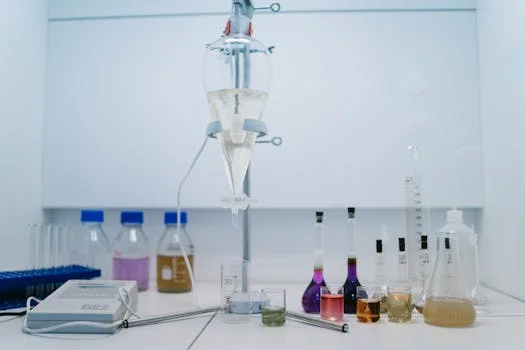
Compliance spend is hard to defer. National environmental rules and SASO limits push many sites past basic biology into tertiary polishing before a permit is signed.
| Standard | Key Requirement | Cost Adder (%) |
|---|---|---|
| SASO 2873 | Heavy metals < 0.1 mg/L (Industrial) | +15–25% CAPEX |
| NEMA Guidelines | BOD < 20 mg/L, TSS < 20 mg/L | +10–20% CAPEX |
| Vision 2030 Reuse | TDS < 500 mg/L (for irrigation) | +30–50% CAPEX |
SASO 2873 metal limits often force precipitation or ion exchange on industrial streams. Coastal hospital and clinic projects mirror that pressure: Jeddah’s hospital wastewater treatment standards and costs show why disinfection and oxidation sit in the base scope. High chloride wastewater can fail standard stainless within 24 months; Grade 316 or duplex steel adds 10–15% CAPEX and avoids early shell replacement.
Vision 2030 targets 70% treated wastewater reuse by 2030. That goal is why many scopes now reference 2025 MBR system specifications and design parameters with ultrafiltration or reverse osmosis after biology. Tertiary stages raise CAPEX by 30–50%, yet they cut purchased water for cooling and landscaping when municipal tariffs keep rising.
Operating Costs (OPEX): What to Budget Beyond the Build
OPEX can surpass CAPEX within 7 to 10 years of continuous operation. In Saudi Arabia, energy usually takes 40–60% of OPEX, chemicals 20–30%, maintenance 10–15%, and labor 10–20%. Unit costs below assume continuous duty and local power tariffs.
- Conventional Activated Sludge: $0.50 – $0.80 / m³
- MBR Systems: $0.80 – $1.20 / m³
- DAF + Biological Treatment: $1.00 – $1.50 / m³
Heat forces blowers harder, so aeration energy often runs 10–15% above temperate-climate benchmarks. Open tanks concentrate salts through evaporation, which increases demand for automated chemical dosing for Saudi wastewater plants on pH and anti-scalant duty. Technician rates near $15–25 per hour look modest, but MBR membrane and PLC work still needs vendor service contracts on most mid-size sites.
What Does Cooling-Tower Blowdown Recovery Cost?
Cooling-tower blowdown recovery in Saudi industrial plants usually sits inside the tertiary CAPEX adder of about 30–50% when UF or RO follows biology for reuse. Annual OPEX follows the same $0.80–1.50/m³ band once energy and antiscalant are counted. Payback improves when recovered water displaces municipal supply priced near $1.50/m³ in the 2025 planning cases below.
Data-center and process-cooling buyers should model blowdown TDS and silica before locking membrane flux. Most plants we size for Gulf cooling loops run recovery at the lower end of flux curves to keep CIP frequency manageable in summer.
ROI Calculator: Estimate Your Project’s Payback Period
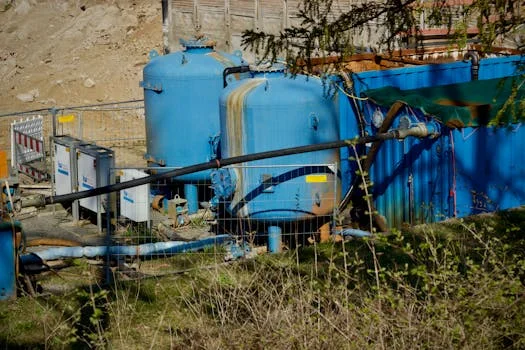
Board cases hinge on avoided fines, reused water, and lower sludge haul. Rising industrial water tariffs make recovery the strongest lever for advanced trains.
| Flow Rate (m³/day) | Est. CAPEX (USD) | Est. OPEX (USD/yr) | Annual Savings (USD) | Payback (Years) |
|---|---|---|---|---|
| 50 | $650,000 | $22,000 | $90,000 | 7.5 – 9.0 |
| 200 | $1,600,000 | $80,000 | $280,000 | 6.0 – 8.0 |
| 500 | $3,200,000 | $219,000 | $650,000 | 5.5 – 7.5 |
| 1,000 | $6,500,000 | $430,000 | $1,350,000 | 5.0 – 7.0 |
Assumptions use a 2025 market average where reuse replaces municipal water at $1.50/m³ and avoids discharge fines of $10,000 to $50,000 per violation. Food processors often clear payback fastest because untreated discharge fees bite harder. An MBR reuse train at 500 m³/day can fall under 6 years when groundwater is scarce. Adjust for local energy and labor before locking financing.
Procurement Checklist Before You Sign
Vendor selection protects schedule as much as process design. Use this short list to expose hidden OPEX and spare-parts risk.
- Local presence: Confirm a Saudi office or named partner for spares and warranty response.
- Lead times: MBR membranes and specialty pumps often need 12–16 weeks; put that on the Gantt chart.
- Transparent O&M: Require chemical dose estimates and membrane replacement intervals over a 5–10 year horizon in the quote.
- Materials of construction: For coastal chloride, specify duplex or coated carbon steel with written warranty language.
- Compliance proof: Ask for reference effluent data against SASO 2873 and the local industrial-city limits.
- Reuse path: If Vision 2030 irrigation or cooling reuse is planned, lock UF/RO duty and TDS < 500 mg/L into the process guarantee.
- EPC boundary: Separate process CAPEX from the 10–15% EPC wrap and from civil works outside the battery limit.
Who This Is For / Next Step
This guide fits plant engineers, EPC estimators, and procurement leads budgeting industrial or small municipal plants from about 50 to 5,000 m³/day in the Kingdom. Buyers chasing only mega-city conveyance packages or desalination should look at NWC program documents instead. If you already have flow, COD, and discharge limits, send those figures for a CAPEX band check before RFQ release.
Frequently Asked Questions
How much does a 500 m³/day WWTP cost in Saudi Arabia?
A 500 m³/day industrial plant in Jeddah-class conditions typically costs $2.5–4M CAPEX for CAS-class scope, with integrated MBR trains higher in the same capacity class. OPEX often lands near $0.80–1.50/m³ when energy and chemicals dominate. Coastal duplex steel and SASO 2873 metal polishing can add 10–25% more CAPEX. Always separate land and long pipelines from the process island quote.
Why is MBR more expensive than activated sludge here?
MBR usually carries a 25–40% CAPEX premium because membranes, permeate pumps, and controls cost more than CAS clarifiers. Saudi sites still buy MBR when footprint must shrink 30–50% or when reuse quality must clear irrigation limits. Sludge haul savings and higher recovery often offset the premium inside a 5–9 year payback window under 2025 tariff assumptions.
What compliance rules drive CAPEX the most?
SASO 2873 metal limits and reuse targets near TDS < 500 mg/L drive the largest adders, about +15–50% CAPEX depending on polishing depth. NEMA-style BOD and TSS limits near 20 mg/L typically add +10–20% when tertiary filtration is new to the site. Coastal chloride corrosion control adds another 10–15% through duplex steel or coatings.
How fast can reuse projects pay back?
Modeled paybacks for 50–1,000 m³/day reuse trains run about 5.0–9.0 years when recovered water displaces $1.50/m³ municipal supply and fines of $10,000–$50,000 per violation are avoided. A 500 m³/day MBR reuse case can fall under 6 years in water-scarce regions. Food plants with high discharge fees often sit at the fast end of that range.
What OPEX share should energy take in Saudi Arabia?
Energy commonly accounts for 40–60% of OPEX on Saudi biological plants, with chemicals at 20–30%. Extreme heat can raise aeration energy another 10–15% versus temperate benchmarks. Plan blower turndown and covered tanks early if summer wet-bulb peaks are severe on your site.