Why Cusco’s Hospitals Need Altitude-Adapted Wastewater Treatment
Hospital wastewater treatment in Cusco demands specialized, altitude-adapted systems to meet the stringent MINAM 2026 discharge limits, which include targets like TSS <30 mg/L, COD <125 mg/L, and E. coli <1,000 CFU/100mL. At an elevation of 3,400m, the reduced atmospheric pressure leads to a 20–30% drop in oxygen solubility. This directly compromises the efficiency of biological treatment processes, necessitating larger aeration equipment or supplemental oxygen, which can increase Capital Expenditure (CAPEX) by an estimated $80,000–$200,000. For instance, a Cusco hospital recently faced fines for TSS violations after installing an MBR system designed for sea-level conditions. This resulted in operational issues such as excessive foaming, critically low Dissolved Oxygen (DO) levels, and ultimately, failed MINAM compliance tests. Cusco’s significant diurnal temperature fluctuations, ranging from 0°C to 20°C, can disrupt microbial activity in treatment tanks, often requiring insulation or heating coils for stable performance. These unique environmental factors underscore the critical need for engineering solutions specifically tailored to Cusco’s high-altitude conditions and MINAM’s evolving discharge standards.
Contaminant Profile: What’s in Cusco’s Hospital Wastewater?
Understanding the complex contaminant profile of hospital wastewater is paramount for selecting an effective treatment strategy that aligns with MINAM’s 2026 discharge limits. Effluent from healthcare facilities is characterized by a diverse mix of pollutants, including high concentrations of pathogens, residual pharmaceuticals, heavy metals, and significant levels of suspended solids and nutrients. Pathogenic microorganisms, such as E. coli and antibiotic-resistant bacteria (ARBs), are present in substantial quantities, necessitating treatment processes capable of achieving 4–6 log removal to meet the MINAM limit of <1,000 CFU/100mL. A 2023 ANA Peru study highlighted the presence of pharmaceuticals like ciprofloxacin and diclofenac, alongside iodinated contrast agents, in Cusco’s municipal wastewater treatment plants, underscoring the challenge of removing these micropollutants from hospital discharge. Heavy metals, including mercury from dental clinics (<0.001 mg/L MINAM limit) and silver from X-ray processing, also pose environmental risks. High levels of suspended solids, often ranging from 200–800 mg/L from laundry, kitchens, and laboratories, can lead to membrane fouling in advanced treatment systems. Finally, nutrient loads from urine and disinfectants, with ammonia levels between 50–150 mg/L and phosphorus at 10–30 mg/L, contribute to eutrophication risks in the Urubamba River basin.
| Contaminant Type | Typical Concentration Range (mg/L or CFU/100mL) | MINAM 2026 Limit | Treatment Challenge/Consideration |
|---|---|---|---|
| Pathogens (E. coli, ARBs) | >105 - 107 CFU/100mL | <1,000 CFU/100mL | Requires high-level disinfection (e.g., UV, chlorine dioxide, ozone) and effective biological removal. |
| Pharmaceuticals (Antibiotics, Analgesics) | µg/L - mg/L | N/A (Emerging concern, may impact biological processes) | Advanced oxidation processes (AOPs) or activated carbon adsorption often required. |
| Heavy Metals (Hg, Ag, Cr) | µg/L - mg/L | Hg <0.001 mg/L, Cr <0.1 mg/L | Pre-treatment via chemical precipitation, ion exchange, or specialized membranes. |
| Suspended Solids (TSS) | 200 - 800 mg/L | <30 mg/L | Requires robust pre-treatment (screening, DAF) to protect downstream systems, especially MBR membranes. |
| Chemical Oxygen Demand (COD) | 200 - 800 mg/L | <125 mg/L | Biological treatment (activated sludge, MBR) is primary; advanced oxidation may be needed for refractory COD. |
| Biochemical Oxygen Demand (BOD5) | 100 - 400 mg/L | <30 mg/L | Effectively treated by biological processes; BOD/COD ratio indicates biodegradability. |
| Ammonia (NH3-N) | 50 - 150 mg/L | <10 mg/L (for nitrogen compounds) | Requires nitrification/denitrification in biological treatment, sensitive to DO and temperature. |
| Phosphorus (Total P) | 10 - 30 mg/L | <1 mg/L (for phosphorus) | Biological phosphorus removal (Bio-P) or chemical precipitation may be necessary. |
Treatment Technology Comparison: MBR vs. DAF vs. Ozone for Cusco’s Hospitals
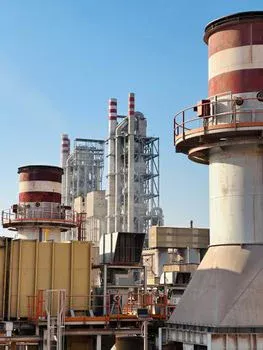
Selecting the optimal treatment technology for hospital wastewater in Cusco involves balancing contaminant removal efficacy, altitude-specific operational adjustments, and overall lifecycle costs. Membrane Bioreactor (MBR) systems are highly effective, achieving over 99% pathogen removal and reducing COD to below 50 mg/L, making them a strong candidate for meeting stringent MINAM standards. However, at 3,400m, the reduced oxygen transfer efficiency necessitates either 25–40% larger aeration blowers or the integration of pure oxygen supplementation, adding an estimated $80,000–$200,000 to CAPEX and increasing operational energy demands. Dissolved Air Flotation (DAF) systems are excellent for pre-treatment, capable of removing over 95% of TSS and 60–80% of COD, thus protecting more sensitive downstream processes. While DAF alone may not meet E. coli limits, it can be paired with secondary disinfection methods like chlorine dioxide. The operational expenditure (OPEX) for DAF typically ranges from $0.12–$0.25/m³. Ozone treatment, often combined with biological processes, excels at oxidizing recalcitrant compounds like pharmaceuticals and ARBs (90%+ removal). However, its effectiveness can be slightly reduced at altitude (15–20% lower solubility), and it exhibits high energy consumption (0.5–1.0 kWh/m³). For hospitals with particularly high pharmaceutical loads, such as oncology centers, hybrid systems combining DAF with MBR, or MBR with ozone, are recommended. These advanced configurations can have CAPEX ranging from $1.2M–$2.1M and OPEX from $0.30–$0.45/m³. Critical altitude adjustments for MBRs include increasing aeration rates by 30% and membrane scouring frequency by 20%, while for DAF, reducing bubble size to 30–50 μm enhances flotation efficiency by compensating for lower rise velocities.
| Technology | Primary Contaminant Removal | Pathogen Removal (%) | COD Removal (%) | Altitude-Specific Considerations | Estimated CAPEX (USD) | Estimated OPEX ($/m³) |
|---|---|---|---|---|---|---|
| MBR (Altitude-Adapted) | Pathogens, BOD, COD, Nutrients | >99% | >95% | Requires 25-40% larger blowers or pure oxygen; 20% flux reduction & 25% increased scouring air. | $350K - $700K (Compact) $1.2M - $2.1M (Full-scale) |
$0.25 - $0.45 |
| DAF (Pre-treatment) | TSS, Oil & Grease, some COD | N/A (Requires secondary disinfection) | 60-80% | Reduce bubble size (30-50 μm); 25% lower hydraulic loading rate. | $300K - $800K | $0.12 - $0.25 |
| Ozone + Biological | Pharmaceuticals, ARBs, Color, Odor | Variable (enhances biological) | Variable (oxidizes refractory organics) | 15-20% reduced solubility; higher energy demand. | $800K - $1.5M (Integrated) | $0.30 - $0.50 |
| Hybrid (DAF + MBR) | Comprehensive: TSS, Pathogens, BOD, COD | >99% | >95% | Combines MBR altitude adjustments with DAF efficiency gains. | $1.5M - $2.5M | $0.35 - $0.55 |
Engineering Specs for Altitude-Adapted Hospital Wastewater Systems
Designing wastewater treatment systems for Cusco's high-altitude environment requires precise engineering adjustments to ensure optimal performance and compliance with MINAM standards. For aeration systems, blower sizing must account for reduced oxygen transfer efficiency at 3,400m; this typically translates to requiring 1.3–1.4 times the airflow rates needed at sea level, or integrating pure oxygen supplementation, which can add $0.08–$0.12/m³ to OPEX. In MBR systems, membrane flux should be reduced by approximately 20% (e.g., targeting 15–20 LMH instead of 20–25 LMH at sea level) to mitigate fouling risks. Concurrently, membrane scouring air intensity should be increased by 25% to maintain membrane permeability. DAF systems require adjusted hydraulic loading rates, typically 5–8 m/h compared to 8–12 m/h at sea level, to compensate for slower bubble rise velocities. For disinfection, chlorine dioxide dosing of 2–5 mg/L with a 30–60 minute contact time is recommended to achieve the required 4-log E. coli removal. Ozone dosing of 0.5–1.0 mg/L can effectively address pharmaceutical oxidation. Sludge management in Cusco also presents unique challenges; while a plate-and-frame filter press can achieve 20–30% solids content, increased sludge viscosity at altitude may necessitate 10–15% higher operating pressures (10–12 bar) for efficient dewatering. These specific engineering parameters are crucial for facility managers and environmental engineers to consider when specifying systems for the unique conditions of Cusco.
| Parameter | Sea Level Design | Cusco (3,400m) Adaptation | Impact/Rationale |
|---|---|---|---|
| Aeration Blower Sizing | Standard | 1.3x - 1.4x Sea Level Airflow | Compensates for 20-30% lower oxygen solubility and transfer efficiency. |
| Pure Oxygen Supplementation Cost | N/A | $0.08 - $0.12 /m³ | Alternative/supplement to increased blower capacity for DO maintenance. |
| MBR Membrane Flux | 20 - 25 LMH | 15 - 20 LMH (20% Reduction) | Reduces fouling risk and energy consumption at higher membrane loading. |
| MBR Membrane Scouring Air | Standard | +25% Intensity/Frequency | Maintains membrane permeability and mitigates fouling in denser wastewater. |
| DAF Hydraulic Loading Rate | 8 - 12 m/h | 5 - 8 m/h (25-37% Reduction) | Compensates for slower bubble rise velocity and improved particle capture. |
| DAF Bubble Size | 50 - 100 μm | 30 - 50 μm | Increases effective surface area for flotation, enhancing efficiency. |
| Chlorine Dioxide Dosing | 2 - 4 mg/L | 2 - 5 mg/L | Ensures effective disinfection against pathogens in higher organic loads. |
| Ozone Dosing | 0.5 - 1.0 mg/L | 0.5 - 1.0 mg/L (adjust for solubility) | Primary for oxidation; slight reduction in solubility at altitude may require longer contact time or higher dose. |
| Sludge Dewatering Pressure (Plate & Frame) | 10 - 12 bar | 10 - 12 bar (+10-15% effective pressure) | Accounts for increased sludge viscosity at altitude. |
CAPEX and OPEX Breakdown: Hospital Wastewater Treatment in Cusco
Procurement teams in Cusco must consider detailed Capital Expenditure (CAPEX) and Operational Expenditure (OPEX) to budget effectively for hospital wastewater treatment systems, including specific altitude-related premiums. A compact MBR system tailored for a smaller clinic might range from $250,000 to $600,000, while a DAF system with secondary disinfection for a medium-sized hospital could cost between $300,000 and $800,000. For larger facilities requiring advanced treatment, a full-scale MBR integrated with ozone technology can reach CAPEX figures of $1.2 million to $2.1 million. Altitude premiums can add significantly to these costs: aeration system upgrades for high-altitude performance may increase CAPEX by 15–25%, membrane scouring adjustments for MBRs by 10%, and sludge dewatering equipment enhancements by 5%. OPEX for these systems varies considerably: MBRs typically fall between $0.25–$0.45/m³, DAF systems are more economical at $0.12–$0.25/m³, and ozone-based treatments can range from $0.30–$0.50/m³. Sludge disposal, a significant component, can account for 30–40% of OPEX, with costs ranging from $50–$100 per ton. Investing in compliant systems offers a substantial Return on Investment (ROI). Avoiding MINAM fines, which can range from $10,000 to $50,000 per violation, is a direct financial benefit. enabling water reuse for irrigation or cooling towers can reduce freshwater consumption by 20–30%. For funding, hospitals can explore Peru’s PROINVERSIÓN Public-Private Partnership (PPP) program for healthcare infrastructure, which offers 20–30% cost sharing, or seek low-interest loans from international bodies like the World Bank’s Water and Sanitation Program.
| System Type | Estimated CAPEX (USD) | Estimated OPEX ($/m³) | Altitude Premium (CAPEX) | Key OPEX Components |
|---|---|---|---|---|
| Compact MBR | $250K - $600K | $0.25 - $0.45 | 15-25% (Aeration, Scouring) | Energy, Membrane Replacement, Sludge Disposal |
| DAF + Disinfection | $300K - $800K | $0.12 - $0.25 | 10-15% (Aeration, DAF Efficiency) | Chemicals, Energy, Sludge Disposal |
| Full-Scale MBR + Ozone | $1.2M - $2.1M | $0.30 - $0.50 | 20-30% (Aeration, Ozone Generation) | Energy (High), Membrane Replacement, Ozone Generator Maintenance, Sludge Disposal |
| Sludge Disposal Cost | N/A | $50 - $100 /ton | N/A | Transportation, Treatment/Disposal Fees |
Step-by-Step Compliance Checklist for Cusco’s Hospitals
Ensuring ongoing compliance with MINAM’s 2026 wastewater discharge standards for hospitals in Cusco requires a systematic approach, from initial system design to routine monitoring and maintenance. The first step involves implementing robust pre-treatment, such as installing rotary mechanical bar screens with openings of 1–3 mm to effectively remove solids and protect downstream equipment, as mandated by MINAM’s pre-treatment regulations. A rigorous sampling protocol is essential: weekly testing for TSS, COD, E. coli, and key heavy metals (Hg, Cr, Ag) must be conducted at both influent and effluent points, as well as at critical process stages, in accordance with MINAM’s 2026 monitoring guidelines. Altitude validation is crucial; pilot-testing aeration systems at 3,400m is necessary to confirm actual oxygen transfer rates and to adjust blower sizing or implement pure oxygen supplementation if DO levels consistently fall below 2 mg/L. Disinfection efficacy must be verified through independent laboratory testing, confirming that chlorine dioxide or ozone treatment achieves the required 4-log E. coli removal, using MINAM-approved laboratories in Arequipa or Lima. Finally, sludge disposal must adhere strictly to Peruvian regulations; partnering with MINAM-licensed hazardous waste handlers, such as Petramás or Relima, for incineration or secure landfill disposal is mandatory under Supreme Decree 057-2004-PCM. Following this checklist diligently will help Cusco’s hospitals navigate the complexities of wastewater compliance.
Frequently Asked Questions
Q1: What are the primary MINAM 2026 discharge limits for hospital wastewater in Cusco?
A1: Key MINAM 2026 limits include TSS <30 mg/L, COD <125 mg/L, BOD5 <30 mg/L, and E. coli <1,000 CFU/100mL, along with specific limits for heavy metals like Mercury (<0.001 mg/L).
Q2: How does Cusco's high altitude (3,400m) affect wastewater treatment system design?
A2: Altitude reduces oxygen solubility by 20–30%, impacting biological treatment efficiency. This requires larger aeration systems, pure oxygen supplementation, reduced membrane flux in MBRs, and adjusted DAF hydraulic loading rates.
Q3: Which treatment technology is best for removing pharmaceuticals from hospital wastewater in Cusco?
A3: Ozone treatment, advanced oxidation processes (AOPs), or activated carbon adsorption are most effective for pharmaceutical removal. Hybrid systems combining MBR with ozone are often recommended for high pharmaceutical loads.
Q4: What are the estimated CAPEX and OPEX for an altitude-adapted MBR system in Cusco?
A4: CAPEX for an altitude-adapted MBR can range from $350K–$700K for compact units to $1.2M–$2.1M for full-scale systems. OPEX typically falls between $0.25–$0.45/m³.
Q5: How can hospitals in Cusco ensure compliance with sludge disposal regulations?
A5: Hospitals must partner with MINAM-licensed hazardous waste handlers for the proper disposal of sludge, adhering to regulations like Supreme Decree 057-2004-PCM, which mandates specific treatment and disposal methods.
Related Equipment
- altitude-adapted MBR systems for hospital wastewater — view specifications, capacity range, and technical data
- high-efficiency DAF systems for hospital pre-treatment — view specifications, capacity range, and technical data
- on-site chlorine dioxide generators for hospital effluent disinfection — view specifications, capacity range, and technical data
- compact medical wastewater treatment systems for Cusco’s clinics — view specifications, capacity range, and technical data
Need a customized solution? Request a free quote with your specific flow rate and pollutant parameters.