Hospital wastewater treatment in Jahra requires specialized approaches to meet Kuwait's strict environmental standards, as typical medical effluent contains 300-500 mg/L BOD, 200-400 mg/L COD, and high pathogen loads. While the existing Jahra sewage plant achieves 89% TSS and 66% BOD removal through its tertiary treatment, hospital-specific systems like membrane bioreactors (MBR) or ozone disinfection are necessary to achieve >99% pathogen removal and >90% pharmaceutical compound reduction, ensuring compliance with Kuwait's restricted irrigation guidelines and protecting public health.
Why Hospital Wastewater in Jahra Requires Specialized Treatment
Hospital wastewater contains a complex and hazardous cocktail of contaminants that conventional municipal treatment plants are not designed to fully address. This medical effluent differs significantly from domestic sewage due to its unique chemical and biological composition. For instance, hospital wastewater contains pharmaceutical residues, including antibiotics, hormones, and contrast agents, at concentrations 10-100 times higher than typical municipal levels, as highlighted by WHO 2023 data. These compounds are often recalcitrant to biodegradation and can persist in the environment, leading to antibiotic resistance and endocrine disruption.
the pathogen load in hospital wastewater is exceptionally high, typically ranging from 103-105 CFU/mL for bacteria and 102-104 PFU/mL for viruses, according to EPA 2024 hospital wastewater characterization studies. This includes multi-drug resistant strains and infectious agents, posing significant public health risks if not adequately treated. The chemical oxygen demand (COD) to biochemical oxygen demand (BOD) ratios in hospital effluent typically range from 2:1 to 3:1, indicating a higher proportion of non-biodegradable organic matter compared to municipal wastewater (which is often around 1.5:1). This necessitates advanced oxidation processes for effective organic removal.
Kuwait's arid climate intensifies the demand for water reuse, making comprehensive hospital wastewater treatment critical. Treated effluent can augment limited freshwater resources for restricted irrigation, but only if it meets stringent quality standards. In Jahra, a major population center, ensuring effective medical effluent treatment is paramount for safeguarding public health and environmental integrity. While specific real-time data for Jahra Hospital's wastewater characteristics are not publicly available, typical hospital effluent in the region would exhibit these elevated levels of contaminants, requiring a robust and specialized treatment approach to prevent environmental contamination and comply with local regulations.
| Parameter | Typical Hospital Wastewater (Influent) | Typical Municipal Wastewater (Influent) | Significance for Treatment |
|---|---|---|---|
| BOD5 | 300-500 mg/L | 150-300 mg/L | Higher organic load, requires robust biological treatment. |
| COD | 200-400 mg/L | 300-600 mg/L | May contain more recalcitrant organics, necessitating advanced oxidation. |
| TSS | 100-300 mg/L | 100-250 mg/L | Requires effective physical separation. |
| Pathogens (Bacteria) | 103-105 CFU/mL | 102-103 CFU/mL | High infectious risk, demands advanced disinfection. |
| Pharmaceuticals | 10-100x municipal levels | Low ng/L to µg/L | Requires specific technologies for removal (e.g., MBR, AOP). |
| Heavy Metals | Elevated (e.g., from dental, lab waste) | Low | May require specific precipitation or ion exchange. |
Kuwait's Wastewater Discharge Standards for Hospitals in Jahra
Hospitals in Jahra must comply with the strict environmental standards set by the Kuwait Environment Public Authority (EPA), particularly for treated wastewater intended for restricted irrigation. These regulations are designed to protect public health and the environment in a water-scarce region. The primary standards for treated effluent designated for restricted irrigation, which hospital wastewater often aims to meet, include a maximum Total Suspended Solids (TSS) of less than 30 mg/L, a Biochemical Oxygen Demand (BOD) of less than 20 mg/L, and a fecal coliform count below 200 CFU/100mL (per Top 2 scraped content). These benchmarks are crucial for medical effluent treatment Kuwait facilities must adhere to.
While Kuwait's regulations provide clear limits for conventional pollutants and coliforms, specific discharge limits for pharmaceutical compounds in hospital effluent are not explicitly defined in currently available public guidelines. This absence necessitates a proactive approach from hospitals to implement advanced treatment technologies capable of significant pharmaceutical reduction, aligning with global best practices and the spirit of environmental protection. Comparing these standards, Kuwait's restricted irrigation guidelines are broadly comparable to some aspects of the EU Urban Waste Water Directive 91/271/EEC for secondary treatment, but hospital effluent often requires even higher quality for safe reuse, aligning more closely with WHO guidelines for hospital wastewater for specific parameters like pathogen removal.
Non-compliance with Kuwait EPA standards can result in significant penalties, including substantial fines and potential operational restrictions, emphasizing the critical importance of robust Jahra hospital wastewater compliance. Recent regulatory discussions (2023-2025) indicate a growing focus on industrial and specialized wastewater streams, suggesting that future updates may introduce more specific requirements for contaminants like pharmaceutical residues. Hospital facility managers in Jahra should stay informed of these developments and plan for systems that not only meet current standards but are also adaptable to stricter future mandates, securing their medical effluent treatment Kuwait operations.
| Parameter | Kuwait EPA Standard (Restricted Irrigation) | EU Urban Waste Water Directive (Secondary Treatment) | WHO Guidelines (Hospital Wastewater) |
|---|---|---|---|
| TSS | < 30 mg/L | < 35 mg/L | Context-dependent, often much lower for reuse. |
| BOD5 | < 20 mg/L | < 25 mg/L | Context-dependent, often much lower for reuse. |
| Fecal Coliform | < 200 CFU/100mL | < 1,000 CFU/100mL (typical) | < 10 CFU/100mL (for some reuse categories) |
| Pharmaceutical Compounds | No specific limits defined | No specific limits defined | Emphasis on reduction, no specific limits. |
| Pathogen Removal | Implied by fecal coliform | Implied by coliforms | Significant reduction (e.g., >6 log for viruses/bacteria) |
Treatment Technologies for Hospital Wastewater in Jahra: Performance Comparison

Selecting the appropriate wastewater treatment technology is critical for hospitals in Jahra to meet stringent Kuwait EPA standards and address the unique characteristics of medical effluent. Each system offers distinct advantages in terms of removal efficiency, footprint, and operational complexity. The Jahra sewage plant currently utilizes sand filtration as part of its tertiary treatment, achieving approximately 89% TSS removal but with limited effectiveness against pathogens and pharmaceutical residues (per Top 2 scraped content).
Conventional Activated Sludge (CAS) systems are widely used for municipal wastewater, achieving 60-80% BOD removal and 30-50% pharmaceutical removal (per Top 2 scraped content). While effective for basic organic degradation, CAS systems typically require a large footprint and struggle with the high pathogen and pharmaceutical loads characteristic of hospital effluent. Their efficiency in removing micropollutants is often insufficient for water reuse in arid climates.
Membrane Bioreactors (MBR) represent a significant advancement, integrating biological treatment with membrane filtration. MBR systems for hospital wastewater treatment in Jahra achieve 95-99% pathogen removal and 80-90% pharmaceutical removal, based on HydropureWater MBR product specifications. The fine pores of the membranes (typically 0.04-0.4 µm) physically block bacteria, viruses, and suspended solids, producing high-quality effluent suitable for restricted irrigation. The process flow involves primary screening, an anoxic/aerobic biological tank, and then membrane filtration, followed by disinfection. For a detailed explanation of MBR technology for hospital wastewater treatment, refer to our article How Does a Membrane Bioreactor Work? Process, Efficiency & Industrial Applications.
Ozone Disinfection is highly effective for pathogen inactivation and pharmaceutical oxidation. Ozone can achieve a 99.9% pathogen kill rate and 50-70% pharmaceutical oxidation, based on HydropureWater ClO₂ generator product specifications for similar disinfection principles. The process involves generating ozone gas on-site and dissolving it into the treated wastewater, where it rapidly reacts with contaminants. While excellent for disinfection and some micropollutant removal, it often serves as a tertiary treatment step following biological or physical processes.
Advanced Oxidation Processes (AOP), such as UV/H₂O₂ or Fenton processes, are designed to generate highly reactive hydroxyl radicals that can oxidize a wide range of recalcitrant organic compounds, including pharmaceuticals. AOPs can achieve 70-90% pharmaceutical removal, but they typically incur high energy costs and may require careful pH control. Their process flow usually involves chemical dosing and reaction chambers, often used as a polishing step for specific contaminants.
For compact medical wastewater treatment systems for Jahra hospitals, integrated solutions like HydropureWater's combine multiple treatment stages efficiently. These systems often feature a combination of biological treatment, membrane filtration, and advanced disinfection to ensure comprehensive removal of contaminants. More information on such systems can be found at Medical & Hospital Wastewater Treatment System.
| Technology | BOD Removal Efficiency | TSS Removal Efficiency | Pathogen Removal Efficiency | Pharmaceutical Removal Efficiency | Typical Footprint | Key Advantages |
|---|---|---|---|---|---|---|
| Conventional Activated Sludge (CAS) | 60-80% | 70-90% | Low (0-50%) | 30-50% | Large | Lower capital cost, established technology. |
| Membrane Bioreactor (MBR) | >95% | >99% | >99% | 80-90% | Compact | High effluent quality, small footprint, robust pathogen removal. |
| Ozone Disinfection | Minimal (disinfection focus) | Minimal (disinfection focus) | >99.9% | 50-70% (oxidation) | Moderate | Excellent disinfection, some pharmaceutical oxidation. |
| Advanced Oxidation Processes (AOP) | Variable | Minimal (polishing focus) | Variable | 70-90% | Moderate | Effective for recalcitrant organics. |
| Sand Filtration (Jahra Plant Method) | Limited (polishing focus) | 89% | Limited | Minimal | Moderate | Good TSS removal, simple operation. |
Cost-Benefit Analysis: Hospital Wastewater Treatment Systems for Jahra
Procurement managers evaluating hospital wastewater treatment in Jahra must consider both the initial capital expenditure and the long-term operational costs to determine the true value and return on investment (ROI). Capital costs for treatment systems vary significantly by technology and capacity (2025 market data). For instance, a Membrane Bioreactor (MBR) system typically ranges from $2,500-$4,000 per m³/day of capacity, reflecting its advanced capabilities and compact design. Conventional Activated Sludge (CAS) systems are generally less expensive upfront, costing $1,200-$2,000 per m³/day, but often require more land. Ozone disinfection systems, which are typically tertiary, can range from $1,800-$3,000 per m³/day, depending on the generator size and integration complexity.
Operational costs are also a significant factor. Energy consumption for MBR systems is typically 0.8-1.5 kWh/m³, driven by aeration and membrane filtration. CAS systems have similar energy demands for aeration but may have lower pumping costs. Ozone systems consume energy for ozone generation. Chemical costs, sludge disposal, and labor are additional operational expenses. MBR systems require membrane replacement every 5-8 years, which is a key maintenance cost component. HydropureWater also offers MBR integrated wastewater treatment systems that optimize these operational parameters.
For hospitals in Jahra, a compelling ROI calculation framework involves comparing water reuse savings against total system costs. Kuwait's arid environment places a high value on water. If a 100 m³/day hospital implements an MBR system producing effluent suitable for restricted irrigation, the savings from reduced potable water consumption for non-potable uses (e.g., landscaping, toilet flushing) can offset operational costs. For example, if potable water costs $X/m³ and the treated effluent replaces Y m³/day, the annual savings are substantial. While specific Kuwait government subsidies for water reuse systems may vary, general environmental protection funds or long-term financing options are typically available to support such essential infrastructure upgrades. Maintenance requirements for MBR systems are generally predictable, involving routine membrane cleaning and periodic replacement, while CAS systems require more frequent monitoring of biological processes. Staffing needs depend on system complexity, with MBRs often requiring less daily intervention than finely tuned CAS plants. A hypothetical cost comparison for Jahra Hospital would show that while MBRs have higher initial capital, their superior effluent quality, lower operational footprint, and water reuse potential often lead to a lower total cost of ownership over a 10-15 year lifecycle, making them a prudent investment for hospital wastewater system design.
| System Type | Capital Cost (USD/m³/day capacity, 2025) | Energy Consumption (kWh/m³) | Key Maintenance | Typical Lifespan (Major Components) |
|---|---|---|---|---|
| Conventional Activated Sludge (CAS) | $1,200 - $2,000 | 0.6 - 1.2 | Aerator maintenance, sludge handling | 15-20 years |
| Membrane Bioreactor (MBR) | $2,500 - $4,000 | 0.8 - 1.5 | Membrane cleaning, replacement (5-8 years) | 15-20 years (system), 5-8 years (membranes) |
| Ozone Disinfection | $1,800 - $3,000 | 0.3 - 0.7 (for ozone generation) | Ozone generator maintenance, electrode replacement | 10-15 years |
| Advanced Oxidation Processes (AOP) | $2,000 - $3,500 | 1.0 - 2.0 (high) | Chemical dosing pump maintenance, UV lamp replacement | 10-15 years |
Step-by-Step Compliance Guide for Jahra Hospitals
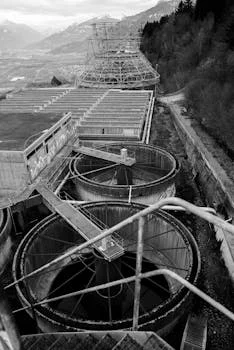
Achieving and maintaining compliance with Kuwait's stringent wastewater discharge standards requires a structured approach for hospitals in Jahra. The process begins with proper pre-treatment of the raw medical effluent. This typically includes screening to remove large solids, equalization tanks to buffer flow and concentration fluctuations, and pH adjustment to optimize subsequent biological and chemical processes. Maintaining pH within a range of 6.5-8.5 is generally crucial for efficient biological activity and to prevent damage to downstream equipment.
Regular sampling and monitoring protocols are indispensable for continuous compliance. Kuwait EPA guidelines stipulate specific frequencies and parameters for testing, often including BOD, COD, TSS, pH, and fecal coliforms. Hospitals must establish a robust internal monitoring schedule and adhere to external reporting requirements. Accurate and consistent data collection is vital for demonstrating compliance during inspections and for identifying potential issues promptly. Implementing chlorine dioxide generators for hospital effluent disinfection, like HydropureWater's Chlorine Dioxide (ClO₂) Generator for Water Disinfection, can significantly improve disinfection efficacy and compliance.
Staff training requirements for hospital wastewater system operators are non-negotiable. Personnel must be proficient in operating and maintaining the specific treatment technologies employed, understanding safety protocols, and executing emergency procedures. Regular training ensures that the system runs efficiently and that operators can respond effectively to any malfunctions. Developing a comprehensive emergency response plan for treatment system failures is also essential. This plan should detail steps for containment, bypass procedures (if permissible), notification protocols for regulatory bodies, and immediate corrective actions to minimize environmental impact and maintain public health safeguards.
Meticulous documentation and record-keeping are critical for regulatory inspections. All operational data, maintenance logs, sampling results, and training records must be systematically organized and readily available. This creates an auditable trail demonstrating continuous efforts towards Jahra hospital wastewater compliance. For additional insights into advanced hospital wastewater treatment systems for antibiotic resistance control, consider reviewing our article on Hospital Wastewater Treatment in Gothenburg: Systems, Risks & Advanced Solutions 2025.
Checklist: 10 Steps to Ensure Continuous Compliance
- Conduct a detailed wastewater characterization study.
- Design or upgrade to a suitable treatment system (e.g., MBR, AOP, advanced disinfection).
- Implement robust pre-treatment (screening, equalization, pH control).
- Establish and adhere to a strict sampling and monitoring schedule.
- Ensure all operators receive comprehensive training and certification.
- Develop and regularly review an emergency response plan.
- Maintain detailed records of all operations, maintenance, and compliance data.
- Regularly calibrate and service all monitoring and control equipment.
- Stay updated on Kuwait EPA regulatory changes (2023-2025).
- Perform periodic internal audits to assess system performance and compliance.
Frequently Asked Questions
What are the specific challenges of hospital wastewater treatment in Jahra?
Hospital wastewater in Jahra presents unique challenges due to high concentrations of pathogens (103-105 CFU/mL), pharmaceutical residues (10-100x municipal levels), and elevated COD/BOD ratios (2:1 to 3:1). These contaminants require specialized treatment beyond conventional methods to meet Kuwait's strict environmental standards, particularly for water reuse in an arid climate, ensuring effective pathogen removal in hospital effluent and pharmaceutical wastewater treatment.
What are the latest Kuwaiti regulations for hospital effluent?
Kuwait EPA standards for restricted irrigation, which apply to hospital effluent, mandate TSS < 30 mg/L, BOD < 20 mg/L, and fecal coliform < 200 CFU/100mL. While specific limits for pharmaceutical compounds are not yet explicit, the trend in environmental regulations, including recent updates (2023-2025), emphasizes comprehensive treatment to protect public health and water resources. Hospitals should aim for best-practice removal efficiencies for these emerging contaminants.
How does a Membrane Bioreactor (MBR) specifically address hospital wastewater?
MBR technology is highly effective for hospital wastewater because it combines biological degradation with ultrafiltration. The membranes physically block pathogens (>99% removal) and suspended solids (>99%), producing high-quality effluent. Additionally, the extended sludge retention time in MBRs enhances the biodegradation of many pharmaceutical compounds, achieving 80-90% removal, making it a leading solution for hospital wastewater system design and water reuse in arid climates.
What are the key cost considerations for installing a hospital wastewater treatment system in Jahra?
Key cost considerations include capital expenditure (e.g., MBR systems at $2,500-$4,000 per m³/day capacity), operational costs (energy at 0.8-1.5 kWh/m³, chemicals, labor), and maintenance (e.g., MBR membrane replacement every 5-8 years). A comprehensive cost analysis should also factor in potential water reuse savings, which can provide a significant return on investment, aligning with Kuwait EPA wastewater standards and promoting water reuse in arid climates.
Can treated hospital wastewater be reused in Jahra?
Yes, treated hospital wastewater in Jahra can be reused for restricted irrigation (e.g., landscaping, toilet flushing) provided it meets Kuwait EPA standards, including strict limits on BOD, TSS, and fecal coliforms. Advanced treatment systems like MBRs or those incorporating advanced oxidation processes are crucial for achieving the high effluent quality necessary for safe water reuse in arid climates, thereby augmenting Kuwait's limited freshwater resources and enhancing Jahra hospital wastewater compliance.
Further Reading
Explore these in-depth articles on related wastewater treatment topics: