Why Gothenburg Hospital Wastewater Requires Specialized Treatment
Hospital wastewater in Gothenburg poses unique risks, including the rapid selection of multi-resistant E. coli within 1 hour of exposure (PubMed, 2024) and the dominance of HEV-3c/i in local wastewater (Hepatitis E Platform, 2024). Effective treatment requires systems that remove 99.9% of pathogens while addressing antibiotic residues, heavy metals, and pharmaceutical compounds. Advanced solutions like MBR (membrane bioreactors) and chlorine dioxide disinfection achieve these targets, but selection depends on flow rate, footprint, and compliance with Sweden’s stringent discharge standards (Naturvårdsverket, 2023).
Research from the University of Gothenburg (2023) indicates that antibiotic residues in hospital effluent are potent enough to eliminate 99% of non-resistant bacteria within a 24-hour window. This selective pressure creates a specialized environment where multi-resistant strains thrive, effectively turning hospital sewers into incubators for "superbugs." These resistant bacteria eventually enter the municipal system at the Rya wastewater treatment plant (Gryaab), where they may persist despite conventional treatment methods. the genetic profile of pathogens in Gothenburg's water reveals a significant gap between clinical and environmental data. While HEV-3f is the primary subtype found in clinical cases, HEV-3c/i dominates the wastewater, suggesting a large pool of undiagnosed infections circulating in the community.
The risk extends beyond human pathogens. Recent metagenomic studies show that rat hepatitis E virus (RHEV) concentrations in Gothenburg’s influent are 1-4 log10 higher than human HEV (One Health, 2024). This emerging public health concern, combined with the consistent detection of SARS-CoV-2 and other enteric viruses in weekly samples from the Gryaab plant between 2020 and 2024, underscores the necessity of point-of-source treatment at the hospital level. Chemically, this wastewater is equally complex. It typically exhibits a Chemical Oxygen Demand (COD) ranging from 500 to 2000 mg/L and contains high concentrations of cytostatic drugs (cancer treatments), heavy metals like mercury from legacy dental installations, and iodinated contrast media which are notoriously resistant to biological degradation.
How Hospital Wastewater Treatment Works: Process Flow & Key Technologies
Hospital wastewater treatment requires a multi-stage approach to transform complex medical effluent into water that meets Naturvårdsverket discharge limits. The process begins with Pretreatment, where mechanical screening removes large solids and equalization tanks balance the high-variability flow rates typical of hospital shifts. Retention times of 6 to 12 hours are standard to ensure that peak morning discharges do not overwhelm the system, achieving an initial Total Suspended Solids (TSS) removal of 80-90%.
Following pretreatment, Primary Treatment utilizes Dissolved Air Flotation (DAF) to address fats, oils, and grease (FOG) and heavy metals. A high-efficiency DAF system for hospital wastewater pretreatment works by injecting micro-bubbles into the water, which attach to particles and float them to the surface for skimming. This stage is critical for removing the lipid-based carriers of many pharmaceutical compounds. For hospitals with high lipid loads from kitchens or labs, DAF systems for FOG removal in hospital wastewater provide the necessary clarity for the subsequent biological stages.
The core of the system is Secondary Treatment, where an MBR system for hospital wastewater with 99.9% pathogen removal combines activated sludge treatment with membrane filtration. Unlike traditional clarifiers, the MBR’s physical barrier (pore size typically 0.04 μm) ensures that no bacteria or micro-plastics escape into the effluent. This technology is particularly effective in Gothenburg because it provides a 95% reduction in COD and removes the majority of antibiotic-resistant bacteria. When comparing biological options, why MBR outperforms MBBR for hospital wastewater becomes clear: the membrane provides an absolute barrier that MBBR media cannot match.
The final stage is Tertiary Treatment, focused on disinfection. Chlorine dioxide disinfection for hospital effluent is the preferred method because ClO₂ is 2.5x more effective than standard chlorine at inactivating viruses and antibiotic-resistant strains (EPA, 2023). It does not produce harmful trihalomethanes (THMs), making it safer for discharge into the sensitive Baltic and North Sea ecosystems.
| Treatment Stage | Key Technology | Primary Target | Typical Removal Efficiency |
|---|---|---|---|
| Pretreatment | Fine Screens / Equalization | Large solids, flow surges | 80% TSS |
| Primary | DAF | FOG, heavy metals, suspended solids | 90-95% FOG |
| Secondary | MBR (Integrated Series) | BOD, COD, Pathogens, Pharmaceuticals | 95% COD, 99.9% Pathogens |
| Tertiary | Chlorine Dioxide | Viruses, Antibiotic-Resistant Bacteria | 99.99% Inactivation |
Comparing Treatment Technologies for Hospital Wastewater: MBR vs. DAF vs. Chlorine Dioxide

Selecting the correct technology requires balancing removal efficiency against operational expenditure and available footprint. Membrane Bioreactors (MBR) represent the gold standard for hospital effluent due to their ability to produce high-quality permeate in a compact space. An MBR system typically requires a footprint 60% smaller than conventional activated sludge plants because it eliminates the need for secondary clarifiers. However, this performance comes with a 30-50% higher energy demand due to the need for membrane scouring (air-induced cleaning). For hospitals in Gothenburg where space is at a premium, MBR is often the only viable choice for achieving the "0 CFU" pathogen requirement.
Dissolved Air Flotation (DAF) is an essential supporting technology rather than a standalone solution for hospitals. It is highly effective at removing the 90-95% of FOG and heavy metals that can foul downstream membranes. While the capital cost for a 10-100 m³/h DAF system is relatively low ($50,000-$200,000), its limited effectiveness against dissolved pharmaceuticals means it must be paired with biological or chemical oxidation stages. In many Swedish installations, DAF acts as the "shield" for the MBR, extending membrane life and reducing the frequency of Chemical-in-Place (CIP) cycles.
Chlorine Dioxide (ClO₂) serves as the definitive safeguard against Gothenburg’s specific viral threats, including HEV and SARS-CoV-2. Unlike UV systems, which can be hindered by water turbidity, ClO₂ provides a residual disinfectant effect that prevents bacterial regrowth in discharge pipes. It is specifically targeted at antibiotic-resistant bacteria, which often possess thicker cell walls that resist standard chlorination. To achieve optimal results, a hybrid configuration is recommended: DAF for pretreatment, MBR for biological degradation, and ClO₂ for final polishing. This integrated approach ensures that the hospital remains in constant compliance with Naturvårdsverket standards while minimizing the risk of environmental fines.
| Technology | Removal (BOD/COD/Pathogens) | Capital Cost (Est.) | OpEx (per m³) | Footprint | Compliance Suitability |
|---|---|---|---|---|---|
| MBR | 98% / 95% / 99.9% | $80k - $300k | $0.50 - $0.80 | Very Small | High (Pharma/Pathogens) |
| DAF | 40% / 30% / 20% | $50k - $200k | $0.15 - $0.30 | Medium | Partial (FOG/Metals) |
| ClO₂ | 0% / 5% / 99.99% | $20k - $60k | $0.05 - $0.15 | Small | Essential (Disinfection) |
Gothenburg’s Regulatory Landscape: Compliance Requirements for Hospital Wastewater
Sweden’s Naturvårdsverket (Environmental Protection Agency) enforces some of the world’s strictest discharge limits, requiring hospital wastewater to meet BOD <15 mg/L, COD <70 mg/L, and TSS <30 mg/L (Naturvårdsverket, 2023). For hospitals in the Gothenburg region, these limits are often supplemented by local municipal requirements that mandate a "0 CFU/100 mL" count for E. coli at the point of discharge into the municipal sewer. This is a preventative measure to protect the Rya treatment plant’s biological processes from being disrupted by high concentrations of antibiotics and disinfectants.
Compliance is also governed by the EU Urban Waste Water Directive (91/271/EEC), which classifies hospitals as significant point sources. Facilities discharging a population equivalent (PE) of more than 2,000 are required to implement secondary treatment. Most major Gothenburg medical centers exceed this threshold significantly. Under local Gothenburg City Council regulations (2024), hospitals must conduct quarterly water quality testing. These audits look specifically for "priority substances," including mercury, cadmium, and specific antibiotic classes like fluoroquinolones. Failure to meet these standards can result in environmental sanctions and fines reaching up to SEK 1 million per violation.
The permitting process for a new or upgraded system involves submitting a comprehensive wastewater treatment plan to the Västra Götaland County Administrative Board. This plan must include technical specifications of the equipment, a rigorous monitoring protocol, and an emergency response plan for chemical spills or system failures. Sahlgrenska University Hospital serves as a primary example of this compliance journey, having undergone significant upgrades to incorporate MBR and advanced oxidation technologies to stay ahead of evolving Swedish environmental laws. For procurement officers, understanding how EU hospitals outside Sweden tackle similar challenges can provide valuable perspective on global best practices for meeting these stringent directives.
Cost Breakdown: Investing in Hospital Wastewater Treatment in Gothenburg
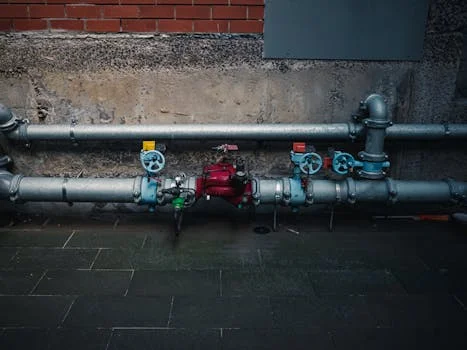
Capital investment for a comprehensive hospital wastewater system in Gothenburg typically ranges from $100,000 to $500,000, depending on the required capacity (10-100 m³/h). A standard configuration including pretreatment, an MBR unit, and a chlorine dioxide generator sits at the higher end of this range but offers the most robust protection against regulatory risk. DAF systems alone cost between $50,000 and $200,000, while MBR-specific modules range from $80,000 to $300,000. These figures include the core equipment, control systems, and initial commissioning.
Operating costs (OpEx) vary between $0.20 and $0.80 per cubic meter of treated water. MBR systems carry higher OpEx due to the electricity required for membrane aeration ($0.50-$0.80/m³), but they significantly reduce the need for expensive chemical additives and sludge handling. Conversely, a DAF-centric system has lower energy needs but requires a steady supply of coagulants and flocculants. When calculating the Return on Investment (ROI), hospital managers must factor in the avoidance of municipal surcharges for high-strength effluent and the elimination of potential environmental fines. Many Gothenburg facilities see an annual saving of SEK 200,000 to 500,000 through these efficiencies alone, leading to a typical payback period of 3 to 5 years.
Financial assistance is available through Sweden’s Klimatklivet program. This initiative, managed by the Swedish Environmental Protection Agency, provides grants covering 30% to 50% of the capital costs for projects that demonstrate a clear reduction in environmental impact or carbon footprint. Advanced wastewater systems that remove pharmaceuticals and antibiotic-resistant bacteria are prime candidates for this funding, significantly lowering the barrier to entry for facility upgrades.
| System Type | Capacity (m³/h) | Capital Cost (USD) | OpEx (per m³) | Annual Savings (SEK) |
|---|---|---|---|---|
| Pretreatment + DAF | 25 | $75,000 | $0.25 | 120,000 |
| Full MBR System | 50 | $220,000 | $0.65 | 350,000 |
| Integrated (MBR+DAF+ClO2) | 100 | $450,000 | $0.75 | 500,000+ |
How to Choose the Right Hospital Wastewater Treatment System: A Decision Framework
Selecting a treatment system requires a systematic evaluation of the hospital's specific waste stream and physical constraints. The first step is a detailed characterization of the wastewater. A general hospital may focus on BOD and pathogens, but specialized facilities like oncology centers or dental clinics must prioritize the removal of cytostatic drugs and heavy metals. If your facility is a smaller clinic with limited space, a compact medical wastewater treatment system for small clinics may provide the necessary compliance without the footprint of a full-scale industrial plant.
The decision framework follows a logical progression:
- Assess Load: Determine average and peak flow rates (m³/h) and the concentration of key contaminants (COD, TSS, Antibiotics).
- Verify Compliance: Identify the specific discharge limits set by Gothenburg City Council and Naturvårdsverket for your specific location.
- Evaluate Space: Measure the available footprint. If space is limited, prioritize MBR technology which reduces footprint by up to 60%.
- Review Budget: Compare the total cost of ownership (CapEx + 10-year OpEx) rather than just the initial purchase price.
- Pilot Testing: Request a pilot unit. HydropureWater provides on-site pilot testing to verify that the proposed technology meets removal targets for Gothenburg's specific water chemistry.
- Secure Funding: Apply for Klimatklivet grants to offset initial costs.
Decision Tree Logic:
- Is space extremely limited? → Choose MBR.
- Is FOG/Grease from kitchens a major issue? → Install DAF as pretreatment.
- Is the primary goal virus/HEV inactivation? → Ensure Chlorine Dioxide is the final stage.
- Is the budget tight but compliance mandatory? → Look for modular MBR systems with grant eligibility.
Frequently Asked Questions
Q: What is the most effective disinfection method for hospital wastewater in Gothenburg?
A: Chlorine dioxide (ClO₂) is the most effective, achieving 99.99% inactivation of viruses and antibiotic-resistant bacteria. It is superior to traditional chlorine because it remains effective across a wider pH range and does not produce harmful trihalomethanes (THMs), ensuring compliance with Swedish environmental safety standards.
Q: How often should hospital wastewater systems be maintained?
A: Maintenance schedules depend on the technology. MBR systems require monthly membrane cleaning (backwashing) and quarterly integrity testing. DAF systems need weekly skimming of the float layer and monthly calibration of chemical dosing pumps. Chlorine dioxide generators require daily monitoring of residual levels to ensure disinfection efficacy.
Q: Can hospital wastewater be reused in Gothenburg?
A: Yes, reuse is possible for non-potable applications like irrigation or toilet flushing. However, Sweden’s regulations are strict; reused water must undergo advanced treatment (typically MBR followed by Reverse Osmosis and UV) and must be tested weekly for pathogens and pharmaceutical residues to ensure public safety.
Q: What are the penalties for non-compliance with Gothenburg’s wastewater regulations?
A: Fines for non-compliance range from SEK 50,000 to SEK 1 million. Beyond financial penalties, the Gothenburg City Council has the authority to mandate operational shutdowns if a hospital’s effluent is found to be damaging the municipal treatment plant’s biological processes or posing an immediate risk to the local environment.
Q: Are there grants available for hospital wastewater treatment upgrades in Sweden?
A: Yes, the Klimatklivet program offers grants that can cover 30-50% of the capital investment for wastewater systems that reduce the discharge of hazardous substances like pharmaceuticals and heavy metals. Applications are typically reviewed on a quarterly basis by the Swedish Environmental Protection Agency.