In 2026, a wastewater treatment plant in Pasig costs ₱5M–₱300M CAPEX, depending on capacity (50–5,000 m³/day) and technology. DAF systems for food processing start at ₱500/m³, while MBR systems for high-strength industrial effluent (e.g., textiles) cost ₱1,500–₱3,000/m³. DENR Administrative Order 2016-08 mandates BOD ≤50 mg/L, COD ≤75 mg/L, and TSS ≤10 mg/L for Pasig River discharge, with PRRC imposing additional heavy metal limits (e.g., Cr ≤0.1 mg/L). This guide provides tech-specific CAPEX/OPEX breakdowns, a zero-risk compliance checklist, and a decision framework to avoid fines and overbudgeting.
Why Pasig Factories Are Getting Fined in 2026: DENR and PRRC Compliance Gaps You Can’t Ignore
DENR fines for wastewater violations in Pasig escalate from ₱10,000 per day to Cease and Desist Orders (CDOs) for exceeding mandated discharge limits, directly impacting operational continuity and financial stability for factories in Pasig’s industrial zones. Specifically, factories discharging into the Pasig River must comply with DENR Administrative Order (AO) 2016-08, which sets stringent effluent standards: Biochemical Oxygen Demand (BOD) must be ≤50 mg/L, Chemical Oxygen Demand (COD) ≤75 mg/L, and Total Suspended Solids (TSS) ≤10 mg/L. The Pasig River Rehabilitation Commission (PRRC) further enforces local penalties for heavy metals, such as Chromium (Cr) ≤0.1 mg/L and Lead (Pb) ≤0.05 mg/L, reflecting its critical role in the broader context of urban river rehabilitation.
The Pasig River is classified as a Class C water body, designated for fish propagation and secondary recreation, requiring factories to meet significantly stricter wastewater discharge limits compared to other Metro Manila areas. For instance, the TSS limit for Pasig River discharge is ≤10 mg/L, which is considerably lower than the ≤30 mg/L often allowed for Class D water bodies. A notable case study from 2025 involved a Pasig food processing plant that incurred a ₱1.2M fine for exceeding Oil & Grease (O&G) limits (≤5 mg/L). To rectify this, the plant invested ₱8M in a Dissolved Air Flotation (DAF) system, demonstrating that proactive investment in appropriate treatment technology can mitigate escalating penalties (HydropureWater field data, 2025). The PRRC’s ‘Pasig River Cleanup Action Plan’ targets 2026 for 100% compliance, signaling that factories operating without adequate wastewater treatment systems face mandatory shutdowns if they fail to meet these non-negotiable standards.
Wastewater Treatment Plant Cost in Pasig 2026: CAPEX Breakdown by Factory Size and Industry
Capital expenditure (CAPEX) for industrial wastewater treatment plants in Pasig in 2026 varies significantly, ranging from ₱5M for a 50 m³/day facility to ₱300M for a 5,000 m³/day plant, primarily influenced by treatment capacity and the complexity of the industrial effluent. For smaller operations, a 50 m³/day plant typically requires ₱5M–₱12M in CAPEX, while medium-sized factories needing 200 m³/day should budget ₱15M–₱40M. Larger facilities, such as those processing 500 m³/day, face CAPEX between ₱30M–₱80M. Very large industrial sites with capacities of 1,000 m³/day can expect costs from ₱50M–₱150M, and plants treating 5,000 m³/day will command ₱200M–₱300M (HydropureWater field data, 2026).
Industry-specific cost drivers further differentiate these ranges. Food processing plants, characterized by high Fats, Oils, and Grease (FOG) but generally low heavy metals, often require less complex heavy metal removal but robust FOG treatment. Textile factories, on the other hand, produce effluent with high Chemical Oxygen Demand (COD) and color, necessitating advanced biological and chemical treatment. Metalworking facilities deal with high concentrations of heavy metals but typically lower organic loads, requiring specialized chemical precipitation for effective heavy metal removal. The cost per cubic meter per day (m³/day) also demonstrates economies of scale; a 50 m³/day plant averages ₱30,000–₱45,000 per m³/day, whereas a 500 m³/day plant reduces this to ₱20,000–₱30,000 per m³/day, and a 5,000 m³/day facility can achieve costs as low as ₱12,000–₱18,000 per m³/day, representing a potential 50% cost reduction at scale.
Beyond the core equipment, hidden CAPEX costs in Pasig can add substantial amounts to the overall project budget. These include soil testing (₱50,000–₱200,000) to assess site suitability, securing DENR Environmental Compliance Certificates (ECC) which range from ₱200,000–₱500,000, and obtaining PRRC discharge permits, typically costing ₱100,000–₱300,000. These regulatory and preparatory expenses are critical for project approval and smooth implementation.
| Capacity (m³/day) | Typical CAPEX Range (₱M) | Cost per m³/day (₱) | Primary Industry Application |
|---|---|---|---|
| 50 | 5 – 12 | 30,000 – 45,000 | Small Food Processing, Light Manufacturing |
| 200 | 15 – 40 | 25,000 – 35,000 | Medium Food Processing, Pharmaceuticals |
| 500 | 30 – 80 | 20,000 – 30,000 | Large Food Processing, Textiles |
| 1,000 | 50 – 150 | 15,000 – 25,000 | Large Textiles, Metalworking |
| 5,000 | 200 – 300 | 12,000 – 18,000 | Very Large Industrial Complexes |
DAF vs MBR vs A/O: Tech-Specific Cost Comparison for Pasig’s Wastewater Challenges
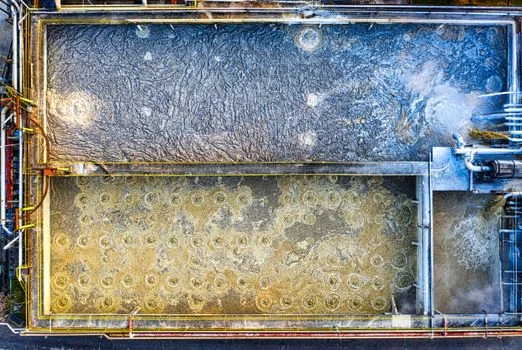
Selecting the optimal wastewater treatment technology for Pasig factories involves a critical balance between CAPEX, OPEX, and the ability to meet stringent effluent quality standards, with Dissolved Air Flotation (DAF), Membrane Bioreactor (MBR), and Anaerobic/Anoxic/Oxic (A/O) systems offering distinct advantages for various industrial wastewater challenges. DAF systems, with CAPEX ranging from ₱500–₱1,200/m³, excel in removing Fats, Oils, and Grease (FOG) with efficiencies exceeding 95%, making them highly effective for food processing wastewater characterized by COD 1,000–3,000 mg/L and FOG 200–500 mg/L. However, DAF systems are typically limited to achieving TSS ≤30 mg/L, which often fails Pasig’s strict ≤10 mg/L limit without additional tertiary treatment.
MBR systems, while commanding a higher CAPEX of ₱1,500–₱3,000/m³ (30–50% more than DAF), consistently achieve superior effluent quality, including BOD ≤10 mg/L, COD ≤50 mg/L, and TSS ≤1 mg/L. This makes MBR technology ideal for high-strength industrial wastewater from sectors like textiles (influent COD 2,000–5,000 mg/L, TSS 500–1,000 mg/L) and metalworking (influent Cr 5–20 mg/L, Pb 1–5 mg/L), where stringent discharge limits and potential for water reuse are critical. Conversely, A/O systems, priced at ₱800–₱1,500/m³, strike a balance between cost and performance, achieving effluent BOD ≤30 mg/L and COD ≤75 mg/L, suitable for medium-strength wastewater streams from industries such as food processing or pharmaceuticals.
Operational expenditure (OPEX) also varies significantly across these technologies. MBR systems typically incur OPEX of ₱20–₱40/m³, driven by higher energy consumption for membrane aeration and periodic membrane replacement. DAF systems are more economical, with OPEX ranging from ₱10–₱25/m³, primarily for chemical dosing and sludge handling. A/O systems fall in the middle, at ₱15–₱30/m³. A significant portion of OPEX, often up to 40%, is attributable to sludge disposal costs, which in Pasig can range from ₱800–₱1,200/ton, especially for hazardous industrial sludge. Understanding these distinct cost and performance profiles relative to Pasig’s specific influent parameters and effluent requirements is crucial for informed technology selection.
| Technology | Typical CAPEX (₱/m³) | Typical OPEX (₱/m³) | Effluent Quality (BOD/COD/TSS) | Best For Pasig Industries |
|---|---|---|---|---|
| DAF (Dissolved Air Flotation) | 500 – 1,200 | 10 – 25 | BOD ≤50, COD ≤100, TSS ≤30 | Food Processing (high FOG, low heavy metals) |
| MBR (Membrane Bioreactor) | 1,500 – 3,000 | 20 – 40 | BOD ≤10, COD ≤50, TSS ≤1 | Textiles, Metalworking, Pharmaceuticals (high-strength, strict limits) |
| A/O (Anaerobic/Anoxic/Oxic) | 800 – 1,500 | 15 – 30 | BOD ≤30, COD ≤75, TSS ≤10 | Medium-strength Food Processing, General Manufacturing |
Zero-Risk Compliance Framework: How to Avoid DENR Fines and PRRC Penalties in Pasig
Achieving zero-risk compliance with DENR and PRRC wastewater discharge regulations in Pasig requires a structured, multi-step framework that proactively addresses permitting, monitoring, and waste management. The first critical step is to conduct a comprehensive wastewater audit, costing between ₱150,000–₱300,000, to accurately document influent parameters such as COD, BOD, TSS, and heavy metals, and benchmark them against the precise DENR AO 2016-08 and PRRC limits. This audit forms the foundation for designing an effective treatment strategy and demonstrating initial compliance efforts.
Step 2 involves securing the necessary environmental permits, which include the DENR Environmental Compliance Certificate (ECC) (₱200,000–₱500,000) and the PRRC discharge permit (₱100,000–₱300,000). The combined timeline for obtaining these permits is typically 6–12 months, and factories must factor in additional buffer time for potential administrative delays. Once permits are in progress, Step 3 mandates the installation of continuous monitoring systems, a significant investment ranging from ₱1M–₱3M, for key parameters like pH, TSS, and COD. DENR now requires real-time data submission for high-risk industries, such as metalworking, to ensure ongoing compliance and prevent episodic violations. To ensure optimal performance of treatment systems like automatic chemical dosing systems and chlorine dioxide generators, continuous monitoring is indispensable.
The final crucial element, Step 4, is to implement a robust sludge management plan, which can cost ₱500,000–₱2M annually. Pasig landfills impose charges of approximately ₱1,200 per ton for hazardous sludge (e.g., containing Chromium >0.1 mg/L), underscoring the need for proper characterization and disposal. A successful example is a Pasig textile factory that avoided over ₱5M in fines by proactively installing an MBR system coupled with real-time monitoring. Their permit timeline was 8 months, and the total system cost, including monitoring, was ₱45M for a 500 m³/day plant, demonstrating the financial benefits of a zero-risk compliance strategy.
Which Wastewater Treatment System Fits Your Pasig Factory? A Decision Matrix for 5 Industries
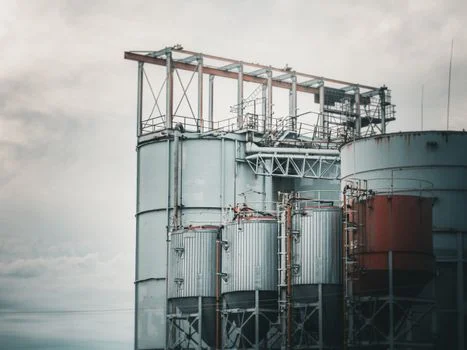
Selecting the appropriate wastewater treatment system for a Pasig factory hinges on a detailed evaluation of influent parameters, required effluent limits, and budget constraints, enabling an informed decision across various industrial applications. For food processing plants, where high FOG and moderate organic loads are prevalent, a DAF system (₱500–₱1,200/m³) is highly effective for FOG removal. To meet Pasig’s stringent TSS ≤10 mg/L limit, tertiary filtration (₱300–₱600/m³) is often necessary, bringing the total CAPEX to ₱800–₱1,800/m³. This combination ensures both FOG and TSS compliance.
Textile factories, characterized by high COD, color, and sometimes recalcitrant organic compounds, require advanced treatment. MBR systems (₱1,500–₱3,000/m³) are the preferred choice, capable of achieving COD ≤50 mg/L and significant color removal. The OPEX for textile MBR systems is higher, typically ₱25–₱40/m³, partly due to membrane replacement costs, which can be around ₱500,000 per year for a 500 m³/day plant. For metalworking industries, which primarily deal with heavy metals (Cr ≤0.1 mg/L, Pb ≤0.05 mg/L), an A/O system (₱800–₱1,500/m³) combined with chemical precipitation (₱400–₱800/m³) provides an effective solution, resulting in a total CAPEX of ₱1,200–₱2,300/m³. This hybrid approach ensures both organic and heavy metal removal.
Pharmaceutical manufacturing facilities, with their complex and potentially toxic active pharmaceutical ingredients (APIs), necessitate advanced treatment for high removal efficiency. MBR systems (₱2,000–₱3,500/m³) are crucial for API removal (99%+ efficiency), often augmented by UV disinfection (₱200,000–₱500,000) for final pathogen control, leading to a total CAPEX of ₱2,200–₱4,000/m³. Lastly, the electronics industry, generating wastewater with various heavy metals and dissolved solids, benefits from specialized systems. Reverse osmosis (RO) (₱1,000–₱2,000/m³) is essential for high heavy metal removal, complemented by ion exchange (₱500–₱1,000/m³) for polishing and specific contaminant removal, bringing the total CAPEX to ₱1,500–₱3,000/m³.
| Industry Type | Primary Wastewater Challenge | Recommended System & Components | Estimated Total CAPEX (₱/m³) | Key Effluent Target |
|---|---|---|---|---|
| Food Processing | High FOG, moderate organics | DAF + Tertiary Filtration | 800 – 1,800 | TSS ≤10 mg/L, FOG ≤5 mg/L |
| Textiles | High COD, color, TSS | MBR System | 1,500 – 3,000 | COD ≤50 mg/L, Color removal |
| Metalworking | Heavy metals (Cr, Pb), moderate organics | A/O + Chemical Precipitation | 1,200 – 2,300 | Cr ≤0.1 mg/L, Pb ≤0.05 mg/L |
| Pharmaceuticals | APIs, high COD, pathogens | MBR System + UV Disinfection | 2,200 – 4,000 | API removal (99%+), pathogen-free |
| Electronics | Heavy metals, dissolved solids | Reverse Osmosis + Ion Exchange | 1,500 – 3,000 | Heavy metals to trace, low conductivity |
Frequently Asked Questions
Common questions from Pasig factory managers, procurement teams, and EHS officers often revolve around costs, compliance, and technology selection for wastewater treatment plants.
What are the DENR fines for exceeding wastewater limits in Pasig?
Fines start at ₱10,000 per day for violations and can escalate to Cease and Desist Orders (CDOs) for repeated non-compliance. The PRRC imposes additional local penalties for heavy metals, such as a ₱50,000 fine for exceeding Chromium (Cr) limits of 0.1 mg/L.
How much does a 200 m³/day wastewater treatment plant cost in Pasig?
The CAPEX for a 200 m³/day wastewater treatment plant in Pasig typically ranges from ₱15M for simpler DAF-based systems to ₱40M for more advanced MBR technology, depending on influent parameters and required effluent quality. Operational expenditure (OPEX) adds ₱10–₱40 per m³, covering costs for sludge disposal, chemicals, and energy.
What’s the best wastewater treatment system for a food processing plant in Pasig?
For a food processing plant in Pasig, the most effective system usually involves a DAF (Dissolved Air Flotation) unit (₱500–₱1,200/m³) for efficient FOG removal, followed by tertiary filtration (₱300–₱600/m³) to ensure compliance with the strict TSS ≤10 mg/L discharge limit. The total CAPEX for this integrated solution is approximately ₱800–₱1,800/m³.
How long does it take to get DENR and PRRC permits for a wastewater treatment plant in Pasig?
Obtaining the necessary DENR Environmental Compliance Certificate (ECC), which costs ₱200,000–₱500,000, and the PRRC discharge permit, costing ₱100,000–₱300,000, typically takes 6–12 months. Due to potential administrative delays, it is highly recommended to initiate the permitting process as early as possible.
Can I reuse treated wastewater in my Pasig factory?
Yes, treated wastewater can be reused in Pasig factories, but this requires advanced treatment processes, such as MBR followed by Reverse Osmosis (RO), to achieve the necessary quality for non-potable applications. DENR mandates a separate permit for water reuse, which usually costs between ₱150,000–₱300,000, to ensure safety and compliance with water quality standards for its intended use.
Further Reading
Explore these in-depth articles on related wastewater treatment topics: