Why Kumasi’s Industrial Facilities Are Failing EPA Inspections
In Kumasi’s Kaase Industrial Area, a single Ghana EPA inspection can trigger ₵250,000 in fines and production shutdowns if effluent exceeds TSS 30 mg/L or COD 250 mg/L limits. With only 7-10% of the city’s wastewater adequately treated (KMA 2023), industrial facilities must deploy sector-specific treatment systems—textile plants require color removal (95%+ ADMI reduction), while beverage processors need high-efficiency DAF systems (FOG removal >98%) to comply with LI 2267. This guide provides 2026 engineering specs, cost benchmarks, and equipment selection criteria tailored to Kumasi’s regulatory and industrial landscape.
According to the Kumasi Metropolitan Assembly (KMA) 2023 report, a concerning 40% of industrial facilities in the region face annual EPA enforcement actions. These actions can result in substantial fines, often reaching up to ₵250,000, and even temporary production stoppages. A recent unannounced inspection at a prominent beverage plant in the Kaase Industrial Area exemplifies this risk, leading to an ₵180,000 penalty due to elevated TSS levels of 45 mg/L, significantly exceeding the EPA's permissible limit of 30 mg/L. Sector-specific compliance gaps are also prevalent: textile plants struggle to achieve the required 95% color removal (ADMI reduction), often falling short with ADMI values above 50, while food processors frequently exceed the 50 mg/L FOG limit, with readings as high as 150 mg/L. Metalworking facilities, conversely, grapple with heavy metal thresholds, with chromium levels sometimes surpassing the 0.5 mg/L limit. The enforcement timeline under LI 2267 is strict, offering only a 30-day notice to comply before escalating fines and the potential revocation of discharge permits for persistent violations.
Ghana EPA Wastewater Discharge Limits for Kumasi Industries (2026 Update)
Compliance with Ghana EPA industrial effluent standards is non-negotiable for facilities operating in Kumasi. The regulatory framework, particularly LI 2267, mandates stringent discharge limits designed to protect the environment and public health. For 2026, these limits are being refined to address emerging contaminants and ensure the safe reuse of treated wastewater and biosolids.
| Parameter | General Limit (mg/L) | Textile Sector Limit (mg/L) | Beverage/Food Sector Limit (mg/L) | Metalworking Sector Limit (mg/L) |
|---|---|---|---|---|
| TSS (Total Suspended Solids) | 30 | 40 | 50 | 35 |
| COD (Chemical Oxygen Demand) | 250 | 300 | 280 | 200 |
| BOD (Biochemical Oxygen Demand) | 50 | 60 | 55 | 40 |
| FOG (Fat, Oil, Grease) | 50 | 60 | 70 | 30 |
| Color (ADMI) | N/A | <50 | N/A | N/A |
| Chromium (Cr) | N/A | N/A | N/A | <0.5 |
| Nickel (Ni) | N/A | N/A | N/A | <1.0 |
| pH | 6.0 - 9.0 | 6.0 - 9.0 | 6.0 - 9.0 | 6.0 - 9.0 |
| Temperature (°C) | <40 | <40 | <40 | <40 |
Recent updates to LI 2267 introduce new biosolids pathogen reduction requirements, mandating 99% reduction for any treated sludge intended for agricultural reuse. stricter monitoring for emerging contaminants, such as PFAS, is now in effect, with limits set as low as 0.1 μg/L for high-risk discharges. The Kumasi Metropolitan Assembly’s enforcement strategy prioritizes sectors with the highest environmental impact. Textile and beverage industries, due to their significant pollutant loads, face quarterly inspections, while other sectors are typically subject to annual reviews (KMA 2023). The EPA's sampling and testing protocol involves collecting 24-hour composite samples, with analysis often requiring third-party laboratory verification. For facilities classified as high-risk, real-time monitoring systems may be mandated to ensure continuous compliance with Ghana EPA industrial effluent standards.
Industrial Wastewater Treatment Technologies for Kumasi: Specs, Costs, and Use Cases
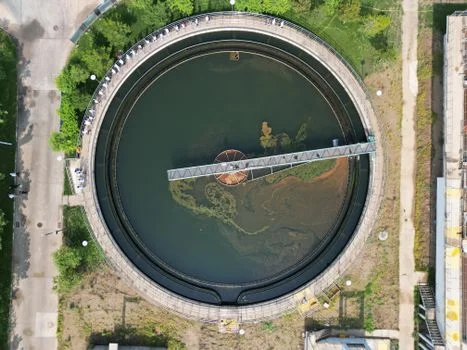
Selecting the appropriate wastewater treatment technology is paramount for achieving compliance and managing operational costs in Kumasi. Each technology offers a unique balance of performance, footprint, and capital/operational expenditure. HydropureWater provides a range of solutions tailored to the diverse needs of Kumasi’s industrial landscape.
| Technology | Influent Parameters (Typical) | Effluent Parameters (Typical) | Footprint | CAPEX (₵) | OPEX (₵/m³) | Maintenance | Kumasi-Specific Use Cases |
|---|---|---|---|---|---|---|---|
| DAF (Dissolved Air Flotation) | TSS: 300-800 mg/L, FOG: 500-1500 mg/L | TSS: <30 mg/L, FOG: <10 mg/L | Compact | 500,000 - 2,500,000 | 0.80 - 1.50 | Low to Medium | High-efficiency DAF system for Kumasi’s food and beverage plants with high FOG loads. |
| MBR (Membrane Bioreactor) | COD: 500-3000 mg/L, TSS: 200-1000 mg/L | COD: <50 mg/L, TSS: <5 mg/L | Very Compact | 3,000,000 - 12,000,000 | 1.50 - 3.00 | Medium | MBR system for Kumasi’s textile and industrial parks requiring high-quality effluent for reuse or strict discharge. |
| Contact Oxidation | BOD: 500-3000 mg/L, COD: 1000-5000 mg/L | BOD: <50 mg/L, COD: <300 mg/L | Medium | 2,000,000 - 7,000,000 | 1.20 - 2.20 | Medium | Effective for textile plants with high BOD/COD, offering robust biological treatment. |
| Fenton Oxidation | COD: 1000-10000 mg/L (recalcitrant organics) | COD: <50 mg/L | Compact | 4,000,000 - 15,000,000 | 2.50 - 4.00 | High | For specialized industrial wastewater with persistent organic pollutants, requiring advanced chemical treatment. |
| Catalytic Ozonation | COD: 1000-10000 mg/L (recalcitrant organics) | COD: <30 mg/L | Compact | 5,000,000 - 18,000,000 | 3.00 - 5.00 | High | Advanced treatment for complex industrial effluents, ensuring minimal residual contaminants. |
DAF systems, such as HydropureWater’s, utilize micro-bubble technology to achieve over 98% FOG removal and 92% TSS reduction. Their compact design makes them ideal for food and beverage plants with limited space. For facilities requiring exceptionally high effluent quality, MBR systems, like the HydropureWater DF series, employ PVDF membranes with a 0.1 μm pore size to produce effluent with COD consistently below 50 mg/L and TSS below 5 mg/L, meeting EPA reuse standards for agricultural irrigation. Contact oxidation offers robust biological treatment with up to 95% COD removal for organic loads between 500–3,000 mg/L, though it typically requires a footprint about 30% larger than MBR systems, making it a suitable option for textile plants with high BOD. Advanced oxidation processes, including Fenton and catalytic ozonation, are reserved for treating highly recalcitrant industrial wastewater, such as that containing solvents like IPA or photoresists. These technologies can achieve over 99% COD removal but come with significantly higher OPEX, 2–3 times that of biological systems, making them a strategic investment for high-risk industrial parks.
How to Select Wastewater Treatment Equipment for Kumasi’s Industrial Sectors
Navigating the complexities of wastewater treatment equipment selection in Kumasi requires a systematic approach that considers sector-specific challenges, regulatory requirements, and local infrastructure. This decision framework guides facility managers and engineers through a three-step process to identify the most suitable and cost-effective solutions.
Step 1: Identify Sector-Specific Contaminants and Flow Rates. The initial step involves a thorough analysis of the wastewater stream, pinpointing key pollutants (e.g., high FOG in beverages, color in textiles, heavy metals in metalworking) and determining the average and peak flow rates (m³/h). This data is crucial for matching the influent parameters to the capabilities of different treatment technologies.
Step 2: Match to Technology Specifications. Based on the identified contaminants and flow rates, consult the technology comparison table in the previous section. For instance, textile plants with high BOD and color typically benefit from contact oxidation or MBR systems. A Kumasi textile mill, by implementing a HydropureWater MBR system, successfully reduced ADMI from 200 to 30, representing a significant compliance improvement. The CAPEX for this system was ₵8.5 million, with an estimated 18-month ROI through avoided fines and potential water reuse. Beverage and food processing facilities facing high FOG and TSS loads (500–1,500 mg/L FOG, 300–800 mg/L TSS) are best served by DAF systems. A Kumasi brewery achieved FOG levels below 10 mg/L using a DAF, with a CAPEX of approximately ₵1.2 million. Metalworking industries, particularly electroplating operations, require specialized treatment for heavy metals like chromium (<0.5 mg/L) and nickel (<1 mg/L). Chemical precipitation followed by filtration is standard. Here, a HydropureWater automatic dosing system can precisely control pH to 8.5–9.0, optimizing metal hydroxide precipitation.
Step 3: Evaluate Supplier Capabilities for Kumasi’s Infrastructure. Beyond technical specifications, consider supplier reliability and support in Kumasi. For facilities with limited space in the Kaase Industrial Area, underground package plants (e.g., HydropureWater WSZ series) offering a footprint of less than 200 m² or mobile DAF units for temporary needs are viable options. It is essential to select suppliers with proven track records in Ghana, capable of providing local installation, training, and ongoing maintenance.
Cost Breakdown: Wastewater Treatment Systems for Kumasi Industries (2026)
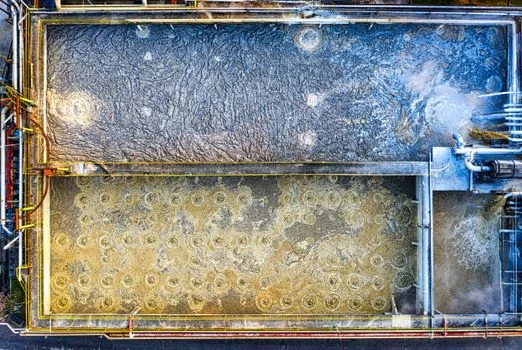
Budgeting for industrial wastewater treatment requires a clear understanding of both capital expenditure (CAPEX) and operational expenditure (OPEX). For facilities in Kumasi, these costs can be influenced by technology choice, flow rate, and local infrastructure challenges such as power reliability. HydropureWater provides cost benchmarks to aid in financial planning.
| Technology | Flow Rate (m³/h) | Equipment Cost (₵) | Installation (₵) | Civil Works (₵) | Annual OPEX (₵) | Cost per m³ Treated (₵) |
|---|---|---|---|---|---|---|
| DAF | 10-50 | 400,000 - 1,500,000 | 100,000 - 300,000 | 50,000 - 150,000 | 200,000 - 600,000 | 0.80 - 1.50 |
| MBR | 10-50 | 3,000,000 - 8,000,000 | 500,000 - 1,000,000 | 200,000 - 500,000 | 800,000 - 2,000,000 | 1.50 - 3.00 |
| Contact Oxidation | 50-200 | 2,000,000 - 5,000,000 | 400,000 - 800,000 | 300,000 - 700,000 | 700,000 - 1,800,000 | 1.20 - 2.20 |
| Advanced Oxidation (Fenton/Ozone) | 10-50 | 4,000,000 - 15,000,000 | 800,000 - 1,500,000 | 400,000 - 800,000 | 1,500,000 - 3,500,000 | 2.50 - 5.00 |
The CAPEX for wastewater treatment systems in Kumasi can range from ₵500,000 for a basic DAF unit to over ₵12 million for a sophisticated MBR system that includes sludge dewatering. For a 50 m³/h textile plant requiring an MBR system, the estimated cost is around ₵9.2 million, comprising ₵8 million for equipment and ₵1.2 million for installation. Key OPEX drivers include chemical consumption (ranging from ₵0.80–₵2.50/m³), energy costs (₵0.50–₵1.20/m³), and sludge disposal fees (₵150–₵300/ton). Kumasi’s unreliable power grid can add 20–30% to energy costs for non-automated systems. Cost-saving strategies include opting for pre-fabricated package plants, which can be 30% cheaper than custom-built facilities, and utilizing solar-powered aeration for MBR systems, potentially reducing energy consumption by 25%. Local sludge composting initiatives can also decrease disposal costs by up to 40%. Calculating the return on investment (ROI) is critical; a Kumasi beverage plant implementing a DAF and MBR system achieved annual savings of ₵1.8 million in EPA fines and water reuse, with a CAPEX of ₵6.5 million, resulting in a payback period of approximately 3.6 years.
Avoiding Common Mistakes in Kumasi’s Wastewater Treatment Projects
Successful industrial wastewater treatment projects in Kumasi hinge on anticipating and mitigating common pitfalls. These often relate to the local operating environment, including power reliability, availability of skilled labor, and climatic conditions, as well as strategic supplier selection.
Power Reliability: Kumasi experiences an average of 8 hours of grid outages per week. This necessitates backup generators or battery-powered aeration systems for biological treatment processes. For instance, a HydropureWater MBR system can be equipped with a 4-hour battery backup to ensure continuous membrane scouring during power interruptions.
Local Labor Skills: A shortage of trained operators can lead to increased maintenance costs and suboptimal system performance, sometimes by as much as 30%. HydropureWater offers comprehensive 5-day on-site training programs for Kumasi clients, and recommending highly automated systems with PLC controls can minimize reliance on manual operation.
Climate Impact: Kumasi's high humidity (averaging 80%+) accelerates corrosion in metal components. Therefore, specifying stainless steel (304/316) for DAF skimmers and MBR frames, and using epoxy-coated tanks for underground systems, is crucial for longevity.
Sludge Disposal: Kumasi’s limited landfill capacity is driving up sludge disposal costs. Exploring composting solutions, similar to the Septopure system used at the Kumasi WWTP to produce Class A biosolids for agriculture, can offer a more sustainable and cost-effective alternative.
Supplier Selection: It is vital to partner with suppliers who have a demonstrable presence and support network in Kumasi. A checklist for supplier evaluation should include: at least three successful installations in Kumasi, provision of 24/7 technical support, and adherence to Ghana Standards Authority (GSA) certifications. Avoiding suppliers without local references or service teams can prevent costly delays and operational disruptions.
Frequently Asked Questions
What are the typical influent and effluent parameters for textile wastewater in Kumasi?
Textile wastewater in Kumasi typically shows high BOD (500-3000 mg/L) and COD (1000-5000 mg/L), with significant color (ADMI >200). Effluent standards require BOD <60 mg/L and COD <300 mg/L, with color reduction to ADMI <50.
How does MBR wastewater treatment cost compare to DAF in Ghana?
MBR systems have higher CAPEX (₵3M-12M) and OPEX (₵1.50-3.00/m³) due to membrane technology, while DAF systems are more affordable (CAPEX ₵0.5M-2.5M, OPEX ₵0.80-1.50/m³), making DAF suitable for FOG removal and MBR for advanced treatment and reuse.
What is the average cost of an industrial wastewater treatment plant in Kumasi for a 50 m³/h flow rate?
For a 50 m³/h flow rate, a medium-scale industrial wastewater treatment plant in Kumasi can range from ₵5 million for a contact oxidation system to over ₵9 million for an MBR system, including equipment, installation, and basic civil works.
How can food processing plants in Kumasi ensure compliance with FOG discharge limits?
Food processing plants in Kumasi must employ high-efficiency DAF systems, such as HydropureWater’s, which can achieve over 98% FOG removal, reducing levels to below 10 mg/L, well within the 50 mg/L EPA limit.
What are the challenges of industrial sludge disposal in Kumasi?
Challenges include Kumasi’s limited landfill capacity, leading to high disposal costs (₵150-300/ton). Exploring on-site composting or partnering with facilities that process biosolids for agricultural reuse, like the Kumasi WWTP, are viable solutions.
Related Equipment
- high-efficiency DAF system for Kumasi’s food and beverage plants — view specifications, capacity range, and technical data
- MBR system for Kumasi’s textile and industrial parks — view specifications, capacity range, and technical data
- PLC-controlled chemical dosing for Kumasi’s metalworking plants — view specifications, capacity range, and technical data
Need a customized solution? Request a free quote with your specific flow rate and pollutant parameters.