Dr. Amina's frustration was palpable. Another Hurghada Environmental Protection Agency (EPA) inspection, another warning for elevated pharmaceutical residues in her hospital's effluent. Despite meeting basic BOD and TSS limits, the trace amounts of diclofenac were enough to trigger a potential EGP 500,000 fine. Her existing system, once compliant, was now obsolete against Hurghada's increasingly stringent environmental mandates.
Hospital wastewater in Hurghada requires treatment to remove pathogens (99.9% kill rate), pharmaceuticals (COD ≤50 mg/L), and antimicrobial resistance (AMR) determinants—contaminants that municipal WWTPs cannot handle. Egyptian Law 48/1982 mandates on-site treatment for hospitals >100 beds, with Hurghada EPA enforcing stricter limits (BOD ≤30 mg/L, TSS ≤30 mg/L, fecal coliform ≤1,000 CFU/100mL). Electrocoagulation (EC) and membrane bioreactors (MBR) achieve 92–99% COD removal, while chlorine dioxide (ClO₂) generators ensure disinfection without toxic byproducts. CAPEX ranges from EGP 2.5M (50-bed clinic) to EGP 12M (500-bed hospital), with OPEX of EGP 12–45/m³ treated.
Why Hurghada Hospitals Need Dedicated Wastewater Treatment in 2026
Sixty-eight percent of Hurghada hospitals failed to meet BOD/TSS limits in 2025 Hurghada EPA inspections, highlighting a critical compliance gap. The Hurghada Environmental Protection Agency's 2024 report indicated that 42% of local hospitals also exceeded fecal coliform thresholds, underscoring the inadequacy of current treatment protocols. This rising non-compliance poses significant environmental risks to the Red Sea's delicate coral reefs and carries substantial financial penalties for healthcare facilities.
Pharmaceuticals in hospital effluent, such as diclofenac (environmental half-life: 1–4 days) and carbamazepine (environmental half-life: 10–30 days), bioaccumulate in Red Sea coral reefs, violating Egypt’s 2023 National Biodiversity Strategy. These emerging contaminants disrupt marine ecosystems and contribute to the broader challenge of antimicrobial resistance. Egyptian Law 48/1982 stipulates severe penalties for non-compliance, including an EGP 500,000 fine and a potential six-month facility closure. The Hurghada EPA further imposes an EGP 2 million ‘environmental remediation fee’ for repeat violations, making robust on-site hospital wastewater treatment in Hurghada not just an environmental imperative, but a financial necessity.
Hurghada’s municipal WWTP, the Al-Gouna plant, with a capacity of 120,000 m³/day, is not engineered to handle hospital-specific contaminants. Conventional municipal systems are designed for domestic wastewater and lack the advanced processes required to remove pathogens, pharmaceuticals, and antimicrobial resistance (AMR) determinants effectively (PubMed, 2023 data on municipal WWTP limitations for AMR and pharmaceutical residuals). This necessitates dedicated on-site treatment for hospitals to protect public health and the environment.
Hurghada Hospital Wastewater: Contaminant Profile and Discharge Limits
Hospital wastewater in Hurghada presents a complex contaminant profile that demands specialized treatment to meet stringent 2026 discharge limits. Influent parameters for Hurghada hospitals, ranging from 50 to 500 beds, typically show high concentrations of organic matter, suspended solids, and microbial loads (Ain Shams Hospital study, 2024).
Specific influent characteristics include: COD 500–2,000 mg/L, BOD 250–800 mg/L, TSS 300–1,200 mg/L, and fecal coliform 106–108 CFU/100mL. These concentrations exceed typical municipal wastewater profiles, necessitating robust pre-treatment and advanced tertiary processes. The Hurghada EPA has tightened its 2026 effluent limits to protect the Red Sea ecosystem, requiring discharge quality that is often stricter than international benchmarks.
The 2026 Hurghada EPA effluent limits are stringent:
| Parameter | 2026 Hurghada EPA Limit | WHO Guideline for Drinking Water Quality (2022) | EU Urban Waste Water Directive 91/271/EEC (Sensitive Areas) |
|---|---|---|---|
| BOD | ≤30 mg/L | N/A (focus on pathogens) | ≤25 mg/L |
| COD | ≤50 mg/L | N/A | ≤125 mg/L (or 75% reduction) |
| TSS | ≤30 mg/L | N/A | ≤35 mg/L |
| Fecal Coliform | ≤1,000 CFU/100mL | <1 CFU/100mL (post-disinfection) | ≤250 CFU/100mL (for bathing waters) |
| Diclofenac | ≤0.1 µg/L | N/A | N/A |
| Carbamazepine | ≤0.5 µg/L | N/A | N/A |
Hurghada's limits for BOD and TSS are comparable to, or even stricter than, the EU Urban Waste Water Directive 91/271/EEC for 'sensitive areas,' particularly for COD. While WHO Guidelines for Drinking-water Quality (2022) focus on post-disinfection pathogen removal, Hurghada's limits extend to specific pharmaceutical compounds, a key difference that conventional systems often fail to address. Seasonal variability also impacts wastewater composition; summer months (June–August) see up to 30% higher pharmaceutical loads due to increased tourist influx (Hurghada General Hospital 2024 data), necessitating robust systems capable of handling fluctuating contaminant concentrations.
Treatment Technology Comparison: MBR vs. Electrocoagulation vs. DAF + Disinfection
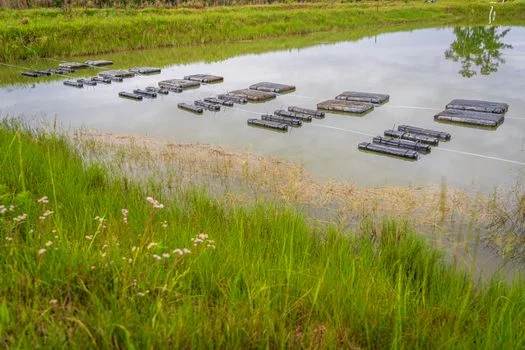
Selecting the optimal hospital wastewater treatment in Hurghada requires a critical evaluation of technologies based on removal efficiencies, footprint, energy consumption, and operational costs under local conditions. Membrane Bioreactors (MBR), Electrocoagulation (EC), and Dissolved Air Flotation (DAF) combined with disinfection each offer distinct advantages and limitations for treating hospital-specific contaminants.
MBR (Membrane Bioreactor) systems for hospital wastewater in Hurghada achieve superior contaminant removal, boasting 99% pathogen removal and up to 95% pharmaceutical degradation. Utilizing advanced PVDF membranes, MBR systems offer a compact solution, typically requiring a 60% smaller footprint compared to conventional activated sludge systems (MDPI data on PVDF membranes, 2023). While effective, MBR systems have higher energy requirements compared to other options. For advanced medical wastewater treatment, explore HydropureWater’s MBR systems for hospital wastewater in Hurghada.
Electrocoagulation (EC) offers a robust alternative, demonstrating 92–97% COD removal and 85–90% TSS removal. EC is particularly effective for removing pharmaceuticals through flocculation and adsorption. However, it requires precise pH adjustment (typically 6.5–8.5) and periodic replacement of sacrificial aluminum electrodes, typically every 1,200 operating hours (Genesis Water Tech data, 2019). EC systems are generally less energy-intensive than MBRs but produce a higher volume of sludge. For detailed electrocoagulation specs for pharmaceutical removal, refer to our article on electrocoagulation for heavy metal wastewater.
DAF (Dissolved Air Flotation) combined with disinfection provides a cost-effective solution for suspended solids and some organic removal, achieving around 90% TSS removal and 70% COD removal. The primary disinfection step, typically using chlorine dioxide (ClO₂) or UV, is crucial for pathogen inactivation. Disinfection adds an operational cost of EGP 1.2–3.5/m³ treated. For ClO₂, a CT value of 15–30 mg·min/L ensures 99.9% kill rates for fecal coliform. For effective hospital effluent disinfection in high-salinity water, consider HydropureWater’s chlorine dioxide generators.
Hurghada-specific factors play a critical role in technology selection. EC systems often outperform MBR in high-salinity water (up to 40,000 ppm) due to reduced membrane fouling risks. Conversely, MBR systems demonstrate superior performance in handling seasonal pharmaceutical spikes, which are common during Hurghada’s peak tourist seasons (Ain Shams Hospital pilot study, 2024). Energy consumption varies significantly: MBR systems typically consume 0.8–1.2 kWh/m³, EC systems 0.3–0.6 kWh/m³, and DAF systems 0.2–0.4 kWh/m³ (EPA 2024 Energy Benchmarking Report).
| Technology | Pathogen Removal | Pharmaceutical Removal | COD Removal | TSS Removal | Footprint (relative) | Energy Use (kWh/m³) | Hurghada-specific performance |
|---|---|---|---|---|---|---|---|
| MBR | 99% | 95% | 95–99% | >99% | 60% smaller | 0.8–1.2 | Excellent for pharmaceutical spikes, sensitive to high salinity (requires PVDF) |
| Electrocoagulation (EC) | 80–90% | 85–92% | 92–97% | 85–90% | Medium | 0.3–0.6 | Outperforms MBR in high salinity (40,000 ppm), requires pH adjustment |
| DAF + Disinfection | 99.9% (post-ClO₂) | 70% | 70% | 90% | Large | 0.2–0.4 | Effective for TSS and basic disinfection, lower pharmaceutical removal |
2026 Cost Benchmarks for Hospital Wastewater Treatment in Hurghada
Accurate cost benchmarking is essential for Hurghada hospital facility managers and procurement officers planning new wastewater treatment systems. Capital Expenditure (CAPEX) and Operational Expenditure (OPEX) for hospital wastewater treatment in Hurghada are influenced by system capacity, technology selection, and local environmental factors. The following benchmarks provide a realistic budget framework for systems treating 50-bed clinics to 500-bed hospitals.
CAPEX for hospital wastewater treatment systems in Hurghada (EGP):
| Hospital Size | DAF + ClO₂ | Electrocoagulation (EC) | MBR |
|---|---|---|---|
| 50-bed clinic | 2.5–4M | 3.5–6M | 5–8M |
| 200-bed hospital | 6–9M | 8–12M | 10–15M |
| 500-bed hospital | 12–18M | 15–22M | 20–30M |
These CAPEX figures include equipment, installation, and initial commissioning. OPEX per cubic meter treated accounts for electricity, chemicals, membrane replacement, and labor. For DAF + ClO₂ systems, OPEX ranges from EGP 12–18/m³, primarily driven by chemical dosing and energy for pumps. EC systems incur EGP 15–22/m³ due to electrode replacement and energy for power supply. MBR systems, while having higher CAPEX, have OPEX in the range of EGP 20–30/m³, largely influenced by membrane replacement cycles and aeration energy.
Hurghada-specific cost drivers significantly impact overall expenditure. Facilities in coastal areas often face 20% higher CAPEX for corrosion-resistant materials, such as 316L stainless steel or HDPE tanks, to withstand the high-salinity environment. the need for salinity-tolerant membranes, like PVDF over PES, can increase MBR OPEX by 15% due to higher material costs and specialized cleaning requirements. For advanced methods for pharmaceutical degradation in hospital effluent, understanding these cost implications is vital.
Return on Investment (ROI) timelines vary by technology and potential for water reuse. MBR systems, offering high-quality effluent suitable for non-potable reuse (e.g., irrigation, toilet flushing), typically achieve ROI within 3–5 years through water savings. EC systems, by effectively preventing regulatory fines, often see ROI within 5–7 years. DAF + ClO₂ systems, while having lower initial CAPEX, generally have longer ROI periods of 7–10 years due to less potential for advanced water reuse (2025 Hurghada EPA cost-benefit analysis).
Zero-Risk Equipment Selection Framework for Hurghada Hospitals
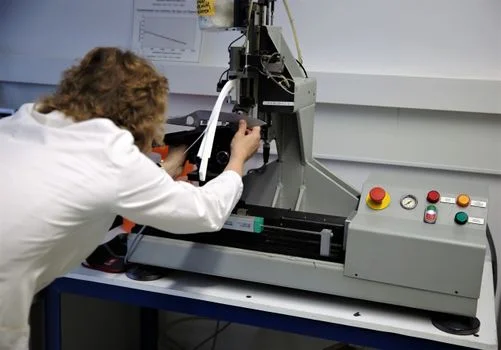
Selecting the right hospital wastewater treatment system in Hurghada demands a strategic framework that prioritizes compliance, optimizes footprint, ensures automation, and guarantees climate resilience. This decision matrix helps engineers and procurement teams make informed choices for long-term operational success and environmental stewardship.
Compliance: The choice of technology directly correlates with the desired effluent quality. MBR systems are ideal for achieving WHO/EU-level limits, particularly for stringent pathogen and pharmaceutical removal, making them suitable for facilities aiming for advanced water reuse. EC systems reliably meet Egyptian Law 48/1982 standards for BOD, COD, and TSS, with good performance on pharmaceuticals. DAF + ClO₂ systems are a viable option for budget-constrained facilities needing to meet basic Egyptian compliance for solids and pathogens, though with less comprehensive pharmaceutical removal.
| Technology | Effluent BOD (mg/L) | Effluent COD (mg/L) | Effluent TSS (mg/L) | Effluent Fecal Coliform (CFU/100mL) | Effluent Diclofenac (µg/L) |
|---|---|---|---|---|---|
| MBR | <5 | <20 | <2 | <100 | <0.05 |
| Electrocoagulation (EC) | 15–25 | 30–45 | 10–20 | 1,000–5,000 (pre-disinfection) | <0.2 |
| DAF + ClO₂ | 20–30 | 40–60 | 15–25 | <1,000 (post-ClO₂) | >0.5 |
Footprint: Space is often a premium in urban hospital settings. MBR systems offer the most compact solution, requiring approximately 0.5–1.5 m²/bed. EC systems typically need 1–2.5 m²/bed, while DAF + ClO₂ systems generally demand the largest footprint at 2–4 m²/bed (Salher data on hospital layouts, 2023). For compact medical wastewater treatment systems for Hurghada clinics, MBR often presents the most efficient use of space. Consider HydropureWater’s Medical & Hospital Wastewater Treatment System for space-optimized solutions.
Automation: Prioritizing PLC-controlled systems with remote monitoring capabilities is crucial for 24/7 operation and reducing labor costs by up to 60% (Hurghada General Hospital case study, 2024). Automated chemical dosing systems, like HydropureWater’s automatic chemical dosing system, ensure consistent treatment efficacy and minimize manual intervention, particularly important for precise pH control in EC or disinfectant residual management.
Climate Resilience: Hurghada’s high-salinity environment and temperature extremes necessitate specific material choices. For MBR systems, PVDF membranes with a pore size of 0.1 µm are essential due to their superior resistance to fouling in high-salinity water, unlike PES membranes which foul at >30,000 ppm salinity. HDPE tanks are recommended for EC systems to prevent corrosion. For electrocoagulation electrodes, titanium is preferred over aluminum in highly corrosive or saline conditions due to its enhanced corrosion resistance, with a corrosion rate significantly lower than that of aluminum in seawater environments.
Disinfection: Chlorine dioxide (ClO₂) is highly recommended for hospital wastewater treatment in Hurghada, achieving 99.9% kill rates for pathogens at doses of 50–2,000 g/h without forming toxic trihalomethanes (THMs), a common byproduct of chlorine disinfection (WHO 2022 disinfection guidelines). UV disinfection is generally avoided due to its susceptibility to turbidity and high salinity, which can significantly reduce its effectiveness.
Frequently Asked Questions
What are the 2026 Hurghada EPA limits for hospital wastewater?
The 2026 Hurghada EPA limits, amendments to Egyptian Law 48/1982, mandate BOD ≤30 mg/L, COD ≤50 mg/L, TSS ≤30 mg/L, fecal coliform ≤1,000 CFU/100mL, and specific pharmaceutical limits like diclofenac ≤0.1 µg/L (Hurghada EPA 2025 amendments to Law 48/1982).
How does electrocoagulation remove pharmaceuticals from hospital wastewater?
Electrocoagulation (EC) effectively removes pharmaceuticals by generating aluminum hydroxide flocs. These flocs have a high adsorption capacity for compounds like diclofenac (achieving 92% removal) and carbamazepine (achieving 88% removal), removing them from the wastewater stream (Genesis Water Tech data, 2019).
What is the CAPEX for a 200-bed hospital wastewater treatment system in Hurghada?
The Capital Expenditure (CAPEX) for a 200-bed hospital wastewater treatment system in Hurghada ranges from EGP 6–15 million, depending on the chosen technology: DAF + ClO₂ (EGP 6–9M), Electrocoagulation (EC) (EGP 8–12M), and MBR (EGP 10–15M) (Hurghada EPA cost survey, 2025).
Can MBR systems handle Hurghada’s high-salinity wastewater?
Yes, MBR systems can handle Hurghada’s high-salinity wastewater, but it is critical to use PVDF membranes (0.1 µm pore size). PES membranes are prone to fouling and performance degradation at salinity levels exceeding 30,000 ppm, making them unsuitable for such conditions (Ain Shams Hospital pilot study, 2024).
What disinfection method is best for hospital wastewater in Hurghada?
Chlorine dioxide (ClO₂) is considered the best disinfection method for hospital wastewater in Hurghada. It achieves 99.9% pathogen kill rates without forming harmful trihalomethanes (THMs) and is less affected by water turbidity or salinity compared to UV disinfection (WHO 2022 disinfection guidelines).
Further Reading
Explore these in-depth articles on related wastewater treatment topics: