Hospital Wastewater Treatment in Perak Malaysia: 2025 Engineering Guide with Local Compliance, Costs & Equipment Checklist
In Perak, Malaysia, hospitals face stringent requirements to treat their wastewater, needing to comply with DOE Malaysia’s Environmental Quality (Sewage) Regulations 2009 and WHO Guidelines for Safe Use of Wastewater. For a typical 200-bed hospital, influent characteristics often present significant challenges, with biochemical oxygen demand (BOD) ranging from 300–800 mg/L, chemical oxygen demand (COD) between 500–1,200 mg/L, and high pathogen loads of 10^5–10^7 CFU/mL (e.g., E. coli, Pseudomonas). Achieving local compliance means reducing BOD to <20 mg/L, COD to <50 mg/L, and ensuring a 4-log pathogen reduction. The capital expenditure for such treatment systems can range from RM 500K for compact MBR units suitable for clinics, up to RM 5M for tertiary systems in large hospitals, with potential payback periods of 5–8 years through avoided fines and water reuse savings.Perak’s Hospital Wastewater Challenge: Why Compliance Is Urgent in 2025
In 2023, 12% of Perak hospitals failed to meet wastewater compliance standards, resulting in fines up to RM 500K per violation, according to DOE Malaysia’s Annual Report. This non-compliance not only incurs substantial financial penalties but also poses significant public health risks, particularly concerning the spread of Antimicrobial Resistance (AMR). Studies indicate that AMR gene prevalence in Perak hospital effluent can reach 10^4–10^6 gene copies/mL for critical resistance genes like blaKPC and mecA, contributing to environmental dissemination of superbugs. While some facilities, like Hospital Seri Iskandar, operate 305PE sewage treatment plants, detailed performance data on capacity and actual pollutant removal often remain undisclosed, highlighting a gap in transparent compliance reporting. A typical 200-bed hospital in Perak generates a substantial flow of 10–15 m³/h of wastewater, laden with these complex pollutant loads. Perak’s growing population and increasing water stress further exacerbate the issue. Approximately 80% of hospitals in major urban centers like Ipoh and Taiping currently discharge into municipal sewerage systems, which often operate at or near their design capacity, as evidenced by data from facilities like Gamuda’s Rasa plant. Projections for 2035 indicate that 10% of Malaysia’s population will be over 65, leading to an anticipated 30% increase in overall hospital wastewater volume. This demographic shift, coupled with the rising complexity of medical treatments, necessitates immediate upgrades and new installations of robust hospital wastewater treatment systems to ensure environmental protection and public health safety.Malaysian Hospital Wastewater Standards: DOE, WHO, and Local Perak Requirements
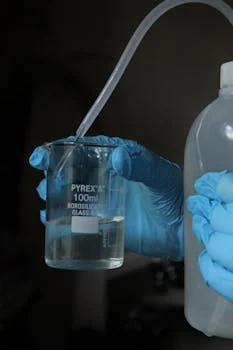
Table 1: Malaysian Hospital Wastewater Effluent Standards
| Parameter | DOE Malaysia (2009) Standard B | WHO (2022) for Unrestricted Irrigation | Perak State Water Mgmt Plan (2021) Additions |
|---|---|---|---|
| Biochemical Oxygen Demand (BOD₅ @ 20°C) | <20 mg/L | <10 mg/L | N/A |
| Chemical Oxygen Demand (COD) | <50 mg/L | <100 mg/L | N/A |
| Total Suspended Solids (TSS) | <30 mg/L | <10 mg/L | N/A |
| pH | 6.0–9.0 | 6.0–9.0 | N/A |
| Ammoniacal Nitrogen (NH₃-N) | <20 mg/L | <10 mg/L | N/A |
| Fecal Coliform | <1,000 CFU/100 mL | <1 CFU/100 mL (post-disinfection) | N/A |
| Pathogen Reduction | 99.99% (4-log) | 99.99% (4-log) minimum, 99.999% (5-log) recommended for high risk | N/A |
| Mercury (Hg) | <0.005 mg/L | N/A | <0.001 mg/L |
| Carbamazepine (Pharmaceutical) | N/A | N/A | <0.1 μg/L |
Engineering Specifications for Hospital Wastewater Treatment in Perak
Typical influent from Perak hospitals contains high concentrations of pollutants, with BOD ranging from 300–800 mg/L and E. coli counts between 10^5–10^7 CFU/mL, necessitating advanced treatment. Designing an effective hospital wastewater treatment system in Perak requires precise engineering specifications tailored to these unique characteristics, including high pharmaceutical loads and significant monsoon season flow variations.Table 2: Typical Influent Characteristics for Perak Hospitals
| Parameter | Concentration Range | Notes |
|---|---|---|
| Biochemical Oxygen Demand (BOD₅) | 300–800 mg/L | Higher than typical municipal sewage |
| Chemical Oxygen Demand (COD) | 500–1,200 mg/L | Reflects complex organic compounds |
| Total Suspended Solids (TSS) | 200–500 mg/L | Includes fibers, organic matter, microbial biomass |
| Oil and Grease (O&G) | 50–150 mg/L | From kitchens and medical procedures |
| Ammoniacal Nitrogen (NH₃-N) | 30–70 mg/L | From human waste and disinfectants |
| Fecal Coliform / E. coli | 10^5–10^7 CFU/mL | High pathogen load, requires robust disinfection |
| Pharmaceuticals (e.g., Carbamazepine, Diclofenac) | 0.1–10 μg/L | Emerging contaminants, require advanced removal |
Treatment Technology Comparison: MBR vs. DAF vs. Chlorine Dioxide for Perak Hospitals
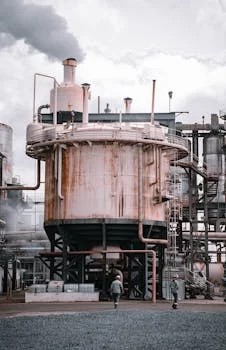
Table 3: Comparison of Hospital Wastewater Treatment Technologies for Perak
| Parameter | MBR (Membrane Bioreactor) | DAF + Chlorine Dioxide (ClO₂) | Conventional Activated Sludge (CAS) |
|---|---|---|---|
| Primary Treatment | Fine screening, equalization | Coagulation, flocculation, DAF | Primary clarifier, equalization |
| BOD Removal | >95% | 85–90% | 80–85% |
| Pathogen Kill | 4-log (membrane barrier) | 4-log (with ClO₂) | 2-log (requires tertiary disinfection) |
| Pharmaceutical Removal | 80–90% | 50–70% | <50% |
| Footprint | Compact (60% smaller than CAS) | Medium | Large |
| Capex (10 m³/h) | RM 1.5M | RM 800K | RM 500K |
| Opex (10 m³/h/year) | RM 120K (energy, membrane cleaning) | RM 150K (chemicals, energy) | RM 80K (energy, sludge) |
| Sludge Production | Low (0.1–0.2 kg TSS/kg BOD removed) | Medium-High (0.3–0.5 kg TSS/kg BOD removed) | High (0.4–0.6 kg TSS/kg BOD removed) |
| Effluent Quality for Reuse | Excellent (suitable for irrigation, cooling towers) | Good (requires further polishing for sensitive reuse) | Poor (requires extensive tertiary treatment) |
| Maintenance Complexity | Moderate (membrane cleaning) | Moderate (chemical dosing control) | Low-Moderate (sludge management) |
| Scalability | High | Moderate | Moderate |
Cost Breakdown: Hospital Wastewater Treatment in Perak (2025 Data)
The capital expenditure for hospital wastewater treatment plants in Perak can range from RM 500K for a 50-bed clinic using conventional activated sludge to RM 5M for a 500-bed hospital implementing a tertiary MBR system. Understanding both capital expenditure (Capex) and operational expenditure (Opex) is crucial for accurate budgeting and project planning for hospital wastewater treatment in Perak.Table 4: Estimated Capex and Opex for Hospital Wastewater Treatment in Perak (2025)
| Hospital Size (Beds) | Flow Rate (m³/day) | Technology | Estimated Capex (RM) | Estimated Opex (RM/year) |
|---|---|---|---|---|
| 50-bed Clinic | 5–10 | Conventional Activated Sludge (CAS) | 500,000 – 750,000 | 60,000 – 90,000 |
| 50-bed Clinic | 5–10 | Compact MBR | 750,000 – 1,200,000 | 90,000 – 130,000 |
| 200-bed Hospital | 20–40 | Conventional Activated Sludge (CAS) | 600,000 – 1,000,000 | 80,000 – 120,000 |
| 200-bed Hospital | 20–40 | DAF + ClO₂ Disinfection | 900,000 – 1,400,000 | 150,000 – 200,000 |
| 200-bed Hospital | 20–40 | MBR System | 1,500,000 – 2,500,000 | 120,000 – 180,000 |
| 500-bed Hospital | 50–100 | MBR System (with reuse potential) | 3,000,000 – 5,000,000 | 250,000 – 400,000 |
Step-by-Step: Designing a Hospital Wastewater Treatment System for Perak
- Step 1: Characterize Influent
Conduct 24-hour composite sampling for critical parameters including BOD, COD, TSS, pathogens (e.g., E. coli, fecal coliform), and emerging contaminants like pharmaceuticals. Perak DOE may require additional tests for heavy metals such as mercury or lead, depending on the hospital's specific operations (e.g., dental clinics, radiology departments).
- Step 2: Size System
Apply the design rule of thumb of 0.15 m³/bed/day for average flow. Crucially, add a minimum of 50% capacity for the monsoon season to account for Perak’s heavy annual rainfall (averaging 2,500 mm/year), ensuring the system can handle peak flows and prevent hydraulic overloading.
- Step 3: Select Technology
Utilize the comparison table from the previous section to match the hospital’s size, budget, and specific compliance requirements (e.g., water reuse goals, stringent pharmaceutical removal). For instance, an MBR system is often preferred for large hospitals aiming for high effluent quality and water reuse.
- Step 4: Design Pretreatment
Incorporate robust pretreatment units. This includes rotary mechanical bar screen (GX Series) for efficient removal of large solids and an equalization tank to balance flow and pollutant load fluctuations, which is particularly critical for managing variations caused by monsoon season or intermittent hospital activities.
- Step 5: Specify Disinfection
Select a disinfection method that guarantees DOE-mandated pathogen reduction. Chlorine dioxide (ClO₂) from an on-site chlorine dioxide generator is a cost-effective choice for achieving a 4-log kill. Alternatively, ozone can achieve a 5-log kill, offering superior disinfection with no chemical residuals, albeit at a higher capital expenditure.
- Step 6: Plan Sludge Management
Design a comprehensive sludge management system. This typically involves a plate and frame filter press for sludge dewatering to achieve 20% solids content, significantly reducing volume. The dewatered sludge must then be disposed of to a Class A landfill, adhering to Perak DOE requirements for treated biosolids.
- Step 7: Obtain Permits
Submit the detailed design to Perak DOE for approval. If the hospital is located within municipal boundaries (e.g., Ipoh City Council), additional local permits may be required. Allow for a 30-day review period for permit processing to avoid project delays.
Frequently Asked Questions
What are the DOE Malaysia fines for hospital wastewater non-compliance in Perak? Fines for hospital wastewater non-compliance in Perak typically range from RM 50K to RM 500K per violation under the DOE Environmental Quality Act 1974, with additional daily penalties for continued non-compliance until the issue is resolved. Can hospital wastewater be reused in Perak? Yes, hospital wastewater can be reused in Perak, but only if it is treated to meet stringent standards, specifically WHO unrestricted irrigation guidelines (requiring a 4-log pathogen kill and typically <10 mg/L BOD). MBR systems are ideal for producing effluent suitable for non-potable reuse applications like irrigation or cooling towers. How much does a hospital wastewater treatment plant cost in Perak? The cost of a hospital wastewater treatment plant in Perak varies significantly by size and technology. It can range from RM 500K for a 50-bed clinic utilizing a Conventional Activated Sludge (CAS) system to RM 5M for a 500-bed hospital implementing an advanced MBR system with water reuse capabilities. Refer to the cost breakdown table for detailed estimates. What is the best disinfection method for hospital wastewater in Perak? For hospital wastewater in Perak, chlorine dioxide (ClO₂) is generally considered the most cost-effective disinfection method for achieving a 4-log pathogen kill, meeting DOE requirements. Ozone offers a higher 5-log kill but comes with a higher capital expenditure. Both are effective, but choice depends on budget and specific pathogen reduction targets. Do I need a permit to discharge hospital wastewater in Perak? Yes, all hospitals in Perak are legally required to obtain a discharge license from the Perak Department of Environment (DOE). This process necessitates submitting a comprehensive treatment system design and providing quarterly water quality reports to demonstrate ongoing compliance with effluent standards.Related Equipment
- compact medical wastewater treatment system for Perak hospitals — view specifications, capacity range, and technical data
- MBR system for large Perak hospitals with reuse goals — view specifications, capacity range, and technical data
- on-site chlorine dioxide generator for hospital effluent disinfection — view specifications, capacity range, and technical data
- sludge dewatering equipment for Perak hospital wastewater plants — view specifications, capacity range, and technical data
Need a customized solution? Request a free quote with your specific flow rate and pollutant parameters.