In 2025, wastewater treatment plant costs in Penang range from RM250 million for large municipal plants (e.g., PBAPP’s 228 MLD Mengkeng Dam project) to RM1.2–5 million for compact industrial systems (50–500 m³/day). Local compliance with DOE Malaysia’s Environmental Quality (Sewage) Regulations 2009 and PBAPP’s discharge limits (BOD < 20 mg/L, TSS < 50 mg/L) adds 10–15% to capital costs. Use this guide to compare engineering specs, cost breakdowns, and ROI tools for your project.
Penang’s Water Crisis: Why Wastewater Treatment Costs Are Rising in 2025
Penang’s water demand grew 3.2% annually between 2020 and 2024, outpacing the state’s existing supply capacity, according to a PBAPP 2024 report. This increasing demand, coupled with the reliance on external water sources and the susceptibility of local rivers to drought and salinity intrusion, is driving significant investments in water infrastructure and consequently, impacting the overall cost of water management for industrial and commercial users. The state’s Water Contingency Plan 2030 (WCP 2030) includes projects totaling RM1.8 billion, aiming to add 478 MLD capacity by 2030, but these large-scale municipal efforts do not immediately alleviate the burden on industrial users who face rising water tariff hikes, notably the RM1.70/m³ rate for water imported from Perak.
Penang primarily draws its water from the Muda River, supplemented by the Mengkuang Dam and imports from Perak. The Muda River, however, faces increasing abstraction from upstream states and is vulnerable to droughts, leading to supply uncertainties. Salinity intrusion during dry spells further compromises water quality, increasing treatment costs for PBAPP. For instance, an electronics manufacturer in Penang successfully reduced its overall water costs by 40% after implementing an on-site compact MBR system capable of treating 500 m³/day for internal reuse, demonstrating the tangible benefits of decentralized solutions.
Decentralized wastewater treatment plants offer a crucial mitigation strategy against these escalating water scarcity risks for factories, hospitals, and commercial complexes. By treating their own wastewater and reusing it for non-potable applications such as cooling towers, landscaping, or process water, industries can significantly reduce their reliance on municipal supply, stabilize operational costs, and enhance their operational resilience against future tariff increases or supply interruptions. This shift minimizes the impact of the broader wastewater treatment plant cost in Cancun or elsewhere, focusing on local, actionable solutions.
Municipal vs. Industrial Wastewater Treatment Plants: Cost Comparison for Penang
Municipal wastewater treatment plants in Penang, such as the Sungai Perai WTP, require a capital investment of RM588 million for a 136 MLD capacity, designed for a 20-year lifespan to serve broad public needs. In contrast, industrial wastewater treatment plants, like compact MBR systems, typically cost between RM1.2–5 million for capacities ranging from 50–500 m³/day, with a 10–15-year operational lifespan. This fundamental difference in scale and purpose drives distinct cost structures, operational considerations, and compliance flexibility for projects in Penang.
Industrial systems, while smaller in scale, offer the significant advantage of allowing for water reuse. For example, a Penang food processing plant achieved annual savings of RM800,000 by reusing 60% of its treated effluent for non-contact applications, effectively reducing its freshwater intake and discharge volumes. This internal reuse capability often translates to lower operational expenditures (OPEX) over the long term compared to relying solely on municipal supply and discharge. However, achieving compliance with strict DOE Malaysia Environmental Quality (Sewage) Regulations 2009 often requires tertiary treatment, which can add a 10–15% premium to the capital costs of industrial plants to meet stringent BOD and TSS limits.
The choice between connecting to a centralized municipal system and investing in a decentralized on-site solution depends on factors such as required effluent quality, available land, and the potential for water reuse. While municipal plants handle large volumes with economies of scale, industrial plants provide greater control over effluent quality and offer direct pathways to water conservation and cost savings through reuse. For industrial applications, a compact MBR system for industrial reuse can be a highly efficient solution.
| System Type | Capacity (MLD) | Capital Cost (RM) | OPEX (RM/year) | Footprint (m²) | Compliance Flexibility |
|---|---|---|---|---|---|
| Municipal (e.g., Sungai Perai WTP) | 136 | RM588 million | RM15–25 million | 15,000–30,000 | Limited (PBAPP discharge standards) |
| Industrial (e.g., MBR System) | 0.05–0.5 (50–500 m³/day) | RM1.2–5 million | RM150,000–500,000 | 100–500 | High (allows for reuse, tailored to industrial needs) |
Engineering Specifications for Wastewater Treatment Plants in Penang

Selecting the appropriate wastewater treatment technology in Penang requires a detailed understanding of engineering specifications, including influent quality, desired effluent standards, flow rates, footprint, and energy consumption. For instance, Membrane Bioreactor (MBR) systems are increasingly favored for industrial applications due to their high effluent quality and compact footprint, while Dissolved Air Flotation (DAF) systems excel in removing fats, oils, and grease (FOG) and suspended solids from specific industrial wastewaters.
Penang’s industrial landscape presents diverse wastewater characteristics. Electronics manufacturing facilities, for example, typically produce wastewater with high Total Dissolved Solids (TDS) but relatively low Biochemical Oxygen Demand (BOD). Conversely, food processing plants generate effluent with high FOG content and BOD levels ranging from 1,000–5,000 mg/L. These variations necessitate tailored treatment approaches. A high-efficiency DAF system for food processing can achieve 92–97% TSS removal from influent with 500–3,000 mg/L TSS, preparing it for further biological treatment.
For smaller-scale applications, such as hotels or residential communities, fully automated underground sewage plants (WSZ series) offer capacities from 1–80 m³/h, requiring minimal operator intervention and integrating seamlessly into existing landscapes. The choice of system directly impacts compliance, operational costs, and the potential for water reuse, aligning with Munich’s industrial wastewater treatment guidelines for efficiency.
| System Type | Influent Quality (BOD/TSS) | Effluent Quality (BOD/TSS) | Flow Rate (m³/day) | Footprint (m²) | Energy Use (kWh/m³) |
|---|---|---|---|---|---|
| MBR Systems | BOD 250–1,000 mg/L, TSS 100–500 mg/L | BOD < 5 mg/L, TSS < 5 mg/L (0.1 μm filtration) | 50–1,000 | 50–500 (60% smaller than conventional activated sludge per HydropureWater 2025 data) | 0.8–1.5 |
| DAF Systems | TSS 500–3,000 mg/L, FOG 100–1,500 mg/L | TSS 50–200 mg/L, FOG < 50 mg/L (92–97% removal) | 100–2,000 | 80–600 | 0.3–0.6 |
| Underground Sewage Plants (WSZ Series) | BOD 200–400 mg/L, TSS 150–300 mg/L | BOD < 20 mg/L, TSS < 50 mg/L (DOE Standard B) | 24–1,920 (1–80 m³/h) | 20–300 (subsurface) | 0.5–1.0 |
Cost Breakdown: Wastewater Treatment Plant Budgets in Penang (2025)
The total budget for a wastewater treatment plant in Penang is a function of both capital expenditure (CapEx) and operational expenditure (OpEx), which vary significantly based on the chosen technology and capacity. For MBR systems, capital costs typically range from RM1.2–5 million for capacities of 50–500 m³/day, with OpEx estimated at RM0.80–1.50/m³ treated, largely influenced by membrane replacement cycles every 5–7 years. DAF systems for similar capacities (100–1,000 m³/day) involve CapEx of RM800,000–3 million, with OpEx ranging from RM0.50–1.20/m³, primarily driven by chemical dosing costs.
Underground sewage plants, designed for smaller flows (1–80 m³/h), represent a more compact and often lower CapEx option, ranging from RM500,000–2 million. Their OpEx is particularly attractive, at RM0.30–0.80/m³, largely due to their automated nature and minimal requirement for on-site operators. Key cost drivers across all system types include land acquisition, which in Penang’s industrial zones can be RM50–150/m², and the additional 10–15% capital cost for tertiary treatment to meet stringent DOE Malaysia compliance standards. Energy consumption typically accounts for 30–40% of the total OpEx, making energy-efficient designs crucial. A Penang textile factory, for example, successfully reduced its OpEx by 25% by upgrading from a chemical-intensive DAF system to a more advanced MBR solution, demonstrating the long-term savings potential of technology choices, similar to aerobic vs. anaerobic cost comparisons.
| System Type | Capacity (m³/day) | Capital Cost (RM) | OPEX (RM/year) | Cost per m³ Treated (RM) |
|---|---|---|---|---|
| MBR Systems | 50–500 | RM1.2–5 million | RM150,000–500,000 | RM0.80–1.50 |
| DAF Systems | 100–1,000 | RM800,000–3 million | RM180,000–430,000 | RM0.50–1.20 |
| Underground Sewage Plants | 24–1,920 (1–80 m³/h) | RM500,000–2 million | RM26,000–560,000 | RM0.30–0.80 |
ROI Calculator: Is a Wastewater Treatment Plant Worth It for Your Business?
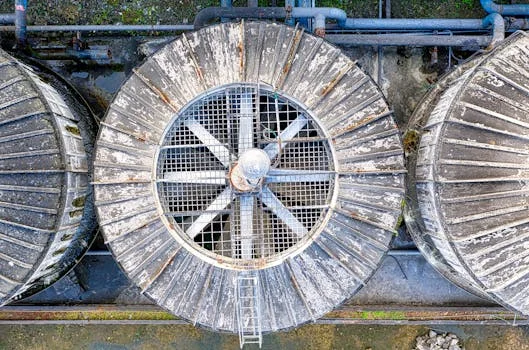
A typical 200 m³/day MBR system costing RM2.5 million can achieve a payback period of approximately 2.1 years for an industrial facility in Penang, considering significant water tariff savings and avoided compliance fines. Calculating the Return on Investment (ROI) for a wastewater treatment plant involves more than just upfront costs; it encompasses ongoing operational savings, avoidance of penalties, and strategic benefits. The core calculation for ROI is: (Annual Savings + Avoidance Costs) / Capital Cost. This framework helps businesses justify the initial investment by quantifying direct financial gains.
Annual savings primarily stem from reduced municipal water intake and lower discharge fees due to water reuse. With Penang’s imported water tariff at RM1.70/m³, treating and reusing wastewater can lead to substantial reductions in water bills. Avoidance costs include mitigating potential fines from DOE Malaysia for non-compliance, which can reach RM50,000 per violation, and avoiding production downtime due to water supply interruptions. Beyond these quantifiable metrics, wastewater treatment plants offer hidden benefits such as enhanced corporate social responsibility (CSR) standing, improved brand image, and future-proofing against unpredictable water tariff hikes or stricter environmental regulations. These factors contribute to long-term operational stability and competitiveness. To assist businesses in this critical evaluation, a downloadable Excel template is available, allowing users to input their specific water consumption, tariff rates, and system costs to generate a customized ROI projection.
| System Type | Capacity (m³/day) | Capital Cost (RM) | Annual Water Savings (m³) | Annual Cost Savings (RM) | Payback Period (Years) |
|---|---|---|---|---|---|
| MBR System (Example) | 200 | RM2.5 million | ~60,000 (80% reuse) | RM102,000 (water tariff) + RM50,000 (fines avoided) = RM152,000 | 2.1 |
| DAF System (Example) | 300 | RM1.5 million | ~75,000 (70% reuse) | RM127,500 (water tariff) + RM30,000 (fines avoided) = RM157,500 | 9.5 |
| Underground Sewage Plant (Example) | 50 | RM800,000 | ~15,000 (60% reuse) | RM25,500 (water tariff) + RM15,000 (fines avoided) = RM40,500 | 19.7 |
Frequently Asked Questions
Wastewater treatment plant projects in Penang often raise specific questions concerning compliance, technology, and operational aspects for industrial and commercial stakeholders.
What are the primary local compliance requirements for wastewater discharge in Penang?
The primary requirements are set by DOE Malaysia’s Environmental Quality (Sewage) Regulations 2009, which mandate specific discharge limits for parameters like BOD (<20 mg/L for Standard B) and TSS (<50 mg/L for Standard B). PBAPP also enforces its own discharge limits for connection to municipal sewers.
How long does it typically take to implement an industrial wastewater treatment plant in Penang?
The timeline for an industrial wastewater treatment plant in Penang typically ranges from 6 to 18 months, depending on the system's complexity, capacity, and regulatory approval process. This includes design, permitting, construction, and commissioning.
Can treated industrial wastewater be reused for potable purposes in Penang?
Currently, treated industrial wastewater in Penang is generally not approved for direct potable reuse. However, it can be safely reused for non-potable applications such as cooling tower make-up, irrigation, toilet flushing, and certain process water needs, significantly reducing fresh water demand. See the ROI Calculator section for potential savings.
What are the key maintenance considerations for MBR systems in Penang?
Key maintenance for MBR systems includes regular membrane cleaning (chemical enhanced backwash), periodic membrane integrity testing, and eventual membrane replacement every 5–7 years. Automated cleaning cycles help minimize manual intervention.
What are the typical influent quality parameters for industrial wastewater in Penang?
Influent quality varies greatly by industry; for instance, electronics factories often have high TDS and low BOD, while food processing plants are characterized by high FOG and BOD levels (1,000–5,000 mg/L). Understanding these parameters is crucial for selecting the right treatment technology, as detailed in the Engineering Specifications section.