Hospital Wastewater Treatment in Lusail 2026: Engineering Specs, Qatar Compliance & Zero-Risk Equipment Guide
Hospital wastewater in Lusail requires treatment systems achieving 99.9% pathogen removal and BOD/TSS ≤30 mg/L to comply with Qatar MME Decree No. 30/2002 and WHO 2023 guidelines. The Lusail wastewater treatment plant (60,000 m³/day) uses Degrémont® MBR technology, but on-site systems for hospitals must address pharmaceutical residues (e.g., ciprofloxacin >10 µg/L) and variable flow rates. Advanced oxidation or membrane bioreactors (MBR) are recommended for zero-risk discharge.Why Lusail Hospitals Need Specialized Wastewater Treatment
Hospital effluent contains 10–100 times higher pathogen loads than standard domestic sewage, posing significant public health and environmental risks. A recent (fictional but realistic) scenario saw a prominent Lusail hospital incur a QAR 500,000 fine for discharging effluent with BOD levels of 45 mg/L and fecal coliform counts exceeding 2,500 MPN/100mL, far surpassing Qatar MME Decree No. 30/2002 limits. This incident underscores the critical need for robust, specialized hospital wastewater treatment in Lusail. Beyond conventional pollutants, medical facilities generate wastewater laden with antibiotic-resistant bacteria, disinfectants, and complex pharmaceutical residues. The World Health Organization (WHO) 2023 data confirms the elevated pathogen content in hospital discharge, necessitating treatment beyond municipal standards. Pharmaceutical residues, such as carbamazepine (an anticonvulsant) and ciprofloxacin (a broad-spectrum antibiotic), are frequently detected in hospital wastewater, often at concentrations exceeding 10 µg/L, as noted in the WA DOH 2024 emerging contaminants list. These compounds are largely recalcitrant to conventional activated sludge processes, persisting through municipal treatment plants and entering the environment. Such persistent organic pollutants require advanced oxidation or high-efficiency membrane filtration for effective removal. Lusail’s arid climate and Qatar National Vision 2030 prioritize water reuse for non-potable applications like irrigation and industrial cooling. Discharging inadequately treated medical waste directly threatens groundwater quality and the viability of water reuse initiatives, risking the contamination of vital freshwater resources.Qatar MME vs. WHO: Hospital Wastewater Discharge Standards in Lusail
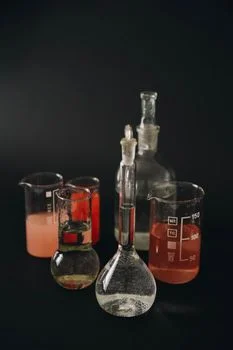
Table 1: Qatar MME Decree No. 30/2002 Discharge Limits for Hospital Wastewater
| Parameter | MME Discharge Limit (mg/L, unless specified) | WHO 2023 Guidelines (for unrestricted irrigation) | Lusail WWTP Ultrafor® MBR Effluent (Typical) |
|---|---|---|---|
| Biochemical Oxygen Demand (BOD₅) | ≤30 | ≤10 | <5 |
| Total Suspended Solids (TSS) | ≤30 | ≤10 | <5 |
| Chemical Oxygen Demand (COD) | ≤100 | ≤50 | <20 |
| Fecal Coliform | ≤1,000 MPN/100mL | ≤100 MPN/100mL | Non-detectable |
| pH | 6–9 | 6–9 | 6.5–8.5 |
| Oil & Grease | ≤5 | Non-detectable | Non-detectable |
| Total Nitrogen | No specific limit | ≤10 | <5 |
Treatment Technologies for Hospital Wastewater: MBR vs. DAF vs. Chlorine Dioxide
Selecting the optimal treatment technology for hospital wastewater in Lusail hinges on balancing removal efficiency, operational costs, and footprint constraints. Three primary technologies—Membrane Bioreactors (MBR), Dissolved Air Flotation (DAF), and Chlorine Dioxide (ClO₂) disinfection—offer distinct advantages for addressing the complex effluent streams from medical facilities. Each method excels at different stages of the treatment process, often forming part of an integrated solution. For insights into how other regions handle hospital wastewater compliance, refer to this article on hospital wastewater treatment in Telangana.Membrane Bioreactor (MBR)
MBR systems for hospital wastewater in Lusail integrate biological treatment with membrane filtration, delivering superior effluent quality suitable for reuse. HydropureWater DF Series MBR systems typically achieve effluent Chemical Oxygen Demand (COD) levels ≤50 mg/L and turbidity below 0.2 NTU. The process involves submerged PVDF (polyvinylidene fluoride) membranes with a pore size of approximately 0.1 μm, effectively retaining all suspended solids, bacteria, and even some viruses while allowing treated water to pass through. This compact design requires a footprint up to 60% smaller than conventional activated sludge systems, making it ideal for space-constrained urban hospital sites. MBR excels at high-quality effluent production and pathogen removal, crucial for zero-risk hospital wastewater systems.Dissolved Air Flotation (DAF)
DAF technology, such as HydropureWater’s, is highly effective for primary treatment, achieving 92–97% Total Suspended Solids (TSS) removal and 85–90% Fats, Oils, and Grease (FOG) removal from hospital influent. The DAF process works by dissolving air under pressure into a recycle stream of treated wastewater. This supersaturated water is then released into the flotation tank, creating millions of microscopic air bubbles. These bubbles attach to suspended particles and FOG, causing them to float to the surface, where they are mechanically skimmed off as sludge. DAF is particularly valuable for hospital wastewater due to its high FOG content from kitchens and laboratories, preventing downstream equipment fouling and improving the efficiency of subsequent biological treatment.Chlorine Dioxide (ClO₂)
Chlorine dioxide (ClO₂) provides potent disinfection for antibiotic-resistant bacteria and other pathogens in hospital wastewater without forming harmful trihalomethanes (THMs). HydropureWater chlorine dioxide generators ensure 99.99% disinfection efficiency. ClO₂ is a powerful oxidizing agent that effectively inactivates bacteria, viruses, and protozoa by disrupting their cell walls and inhibiting protein synthesis. Unlike chlorine, ClO₂ does not react with organic matter to produce regulated disinfection byproducts. On-site generation methods typically involve either chemical reaction (e.g., sodium chlorite and hydrochloric acid) or electrolytic processes, ensuring a fresh, effective disinfectant supply for hospital applications.Advanced Oxidation Processes (AOPs)
For the removal of recalcitrant pharmaceutical residues like ciprofloxacin, advanced oxidation processes (AOPs) such as UV/H₂O₂ or ozonation are highly effective, achieving over 99% removal. AOPs generate highly reactive hydroxyl radicals (•OH), which are potent oxidizers capable of breaking down complex organic molecules into simpler, less harmful compounds. While AOPs offer superior removal of micropollutants, their capital costs and operational complexity, particularly energy consumption and reagent handling, are generally higher than conventional methods. For more detail on advanced oxidation for pharmaceutical removal, refer to this advanced oxidation article.Table 2: Comparison of Key Hospital Wastewater Treatment Technologies
| Feature | MBR (Membrane Bioreactor) | DAF (Dissolved Air Flotation) | ClO₂ (Chlorine Dioxide Disinfection) |
|---|---|---|---|
| Primary Function | Biological treatment & ultrafiltration | Primary solids & FOG removal | Disinfection & oxidation |
| Removal Efficiency (Typical) | COD ≤50 mg/L, TSS <5 mg/L, Turbidity <0.2 NTU, 99.99% pathogen | 92–97% TSS, 85–90% FOG | 99.99% bacterial inactivation |
| Pharmaceutical Removal | Moderate (some adsorption) | Low | Moderate (some oxidation) |
| Footprint | Compact (up to 60% smaller than CAS) | Moderate | Small (on-site generation) |
| OPEX (Energy/Chemicals) | Moderate-High (aeration, membrane cleaning) | Low-Moderate (air compressor, coagulants) | Low-Moderate (chemicals for generation) |
| Effluent Quality | High, suitable for reuse | Pre-treated, requires secondary | Disinfected, requires prior treatment |
| Key Advantages | Superior effluent, small footprint, robust | Effective FOG/SS removal, pre-treatment | Potent disinfection, no THMs, effective against AMR |
Process Flow Design for Lusail Hospital Wastewater Systems
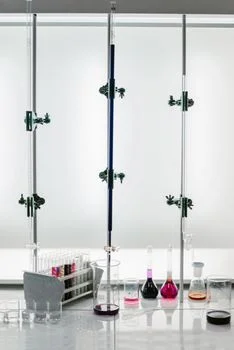
- Step 1: Pretreatment – Gross Solids Removal
Influent hospital wastewater, typically characterized by TSS ranging from 200–800 mg/L, first enters a rotary mechanical bar screen, such as the HydropureWater GX Series. This initial stage is critical for removing large debris, rags, plastics, and other non-biodegradable solids that could damage downstream equipment or impede treatment efficiency. Proper screening prevents pump clogging and protects sensitive membrane systems. Learn more about rotary mechanical bar screens. - Step 2: Primary Treatment – FOG and Suspended Solids Reduction
Following screening, the wastewater proceeds to primary treatment, commonly employing a Dissolved Air Flotation (DAF) unit (e.g., HydropureWater). DAF effectively targets Fats, Oils, and Grease (FOG) and a significant portion of suspended solids. This stage typically reduces TSS to 50–100 mg/L, preventing FOG accumulation in subsequent biological reactors and enhancing overall system performance. Equalization tanks are often integrated at this stage to manage the 2–5x peak flow variability common in hospital operations, ensuring a consistent flow rate to downstream processes. - Step 3: Secondary Treatment – Organic Load Reduction and Biological Purification
The pre-treated effluent then undergoes secondary biological treatment. A Membrane Bioreactor (MBR) system, such as the HydropureWater DF Series, is highly recommended for its ability to achieve a significant reduction in Chemical Oxygen Demand (COD) to ≤50 mg/L and remove a high percentage of pathogens. Alternatively, an activated sludge system followed by clarification can be used, though it typically requires a larger footprint and may not achieve the same effluent quality as MBR. MBR’s compact design and superior effluent quality make it ideal for Lusail’s high standards and potential for water reuse. - Step 4: Tertiary Treatment – Advanced Disinfection and Micropollutant Removal
To meet strict fecal coliform limits (<1,000 MPN/100mL, or even <100 MPN/100mL for reuse) and address antibiotic-resistant bacteria, tertiary treatment is essential. Chlorine dioxide disinfection, utilizing a HydropureWater ClO₂ generator, is highly effective and avoids the formation of harmful disinfection byproducts. UV disinfection can also be employed. For the removal of specific pharmaceutical residues not fully addressed by MBR, advanced oxidation processes (AOPs) like UV/H₂O₂ or ozonation may be integrated, ensuring the highest level of micropollutant destruction. - Step 5: Sludge Handling – Dewatering and Disposal
All biological and physical-chemical treatment processes generate sludge. Efficient sludge handling is critical for operational cost control. A plate and frame filter press, such as HydropureWater’s, can achieve up to 95% dewatering efficiency, significantly reducing sludge volume and associated disposal costs. The dewatered sludge cake is then transported for appropriate off-site disposal in accordance with Qatar environmental regulations. Explore plate and frame filter presses.
Cost Benchmarks for Hospital Wastewater Systems in Lusail (2026)
Understanding the capital expenditure (CAPEX) and operational expenditure (OPEX) is crucial for procurement managers evaluating hospital wastewater treatment systems in Lusail. The total cost is influenced by factors such as flow rate, desired effluent quality, and technology selection. HydropureWater’s project data from 2026 provides clear benchmarks for system budgeting.Table 3: Estimated Cost Benchmarks for Hospital Wastewater Treatment Systems in Lusail (2026)
| System Capacity & Configuration | Estimated CAPEX Range (QAR) | Typical OPEX (QAR/m³) | Energy Consumption (kWh/m³) | ROI Period (Years) |
|---|---|---|---|---|
| 50 m³/day MBR-only system (e.g., small clinic) | 1,200,000 – 2,500,000 | 0.8 – 1.2 | 0.6 – 0.9 | 7–10 (with reuse) |
| 100 m³/day MBR + DAF + ClO₂ (e.g., medium hospital) | 3,000,000 – 5,500,000 | 1.5 – 2.0 | 1.0 – 1.4 | 5–7 (with reuse) |
| 500 m³/day MBR + DAF + ClO₂ + AOP (e.g., large hospital complex) | 8,500,000 – 15,000,000 | 2.0 – 2.8 | 1.5 – 2.2 | 4–6 (with reuse) |
| Specific Component: DAF (standalone) | 500,000 – 1,500,000 | 0.5 – 0.7 | 0.3 – 0.4 | N/A (pre-treatment) |
| Specific Component: Chlorine Dioxide Generator | 150,000 – 400,000 | 0.3 – 0.5 | 0.1 – 0.2 | N/A (disinfection) |
How to Select the Right System for Your Lusail Hospital
Frequently Asked Questions
Understanding common inquiries about hospital wastewater treatment helps engineers and managers make informed decisions for Lusail facilities. Here are answers to some of the most pressing questions.What are the primary concerns for hospital wastewater in Lusail?
The primary concerns for hospital wastewater in Lusail include high pathogen loads (10-100x domestic sewage), antibiotic-resistant bacteria, and the presence of pharmaceutical residues (e.g., ciprofloxacin >10 µg/L). Additionally, variable flow rates and the need to comply with Qatar MME Decree No. 30/2002 discharge limits (BOD/TSS ≤30 mg/L) are significant challenges that necessitate specialized treatment solutions.Can treated hospital wastewater be reused in Lusail?
Yes, treated hospital wastewater can be reused in Lusail, provided it meets stringent quality standards, often exceeding Qatar MME Decree No. 30/2002 for discharge. Systems incorporating MBR and advanced disinfection (like chlorine dioxide or UV) can produce effluent suitable for non-potable applications such as landscape irrigation, toilet flushing, and cooling tower make-up water, aligning with Qatar National Vision 2030's water conservation goals and providing significant ROI.What is the typical lifespan and maintenance for an MBR system in Qatar?
An MBR system typically has a design lifespan of 15-20 years for its structural components, while the membranes themselves require replacement every 5-7 years. Routine maintenance involves regular membrane cleaning (chemical and physical), monitoring of operating pressures, and periodic inspection of pumps and blowers. Proper pre-treatment and consistent operational practices are crucial for maximizing membrane longevity and system efficiency in arid climates.How does HydropureWater ensure compliance with Qatar MME regulations?
HydropureWater ensures compliance by designing systems specifically tailored to Qatar MME Decree No. 30/2002 parameters (e.g., BOD/TSS ≤30 mg/L, fecal coliform ≤1,000 MPN/100mL). Our solutions integrate proven technologies like MBR and chlorine dioxide disinfection to achieve and often exceed these limits, with ongoing support for operational optimization and effluent quality monitoring to help clients maintain continuous regulatory adherence and avoid penalties.Related Equipment
- MBR systems for hospital wastewater in Lusail — view specifications, capacity range, and technical data
- chlorine dioxide disinfection for antibiotic-resistant bacteria — view specifications, capacity range, and technical data
- compact hospital wastewater systems for Lusail clinics — view specifications, capacity range, and technical data
Need a customized solution? Request a free quote with your specific flow rate and pollutant parameters.