Hospital wastewater in Telangana requires advanced treatment to meet CPCB discharge norms (BOD <30 mg/L, COD <250 mg/L, fecal coliform <1,000 MPN/100 mL) and mitigate antibiotic-resistant bacteria risks. A 2026 Telangana Today study found untreated medical effluent in Hyderabad’s Musi River acts as a "genetic mixing bowl," exposing bacteria to sub-lethal antibiotic concentrations. Compact systems start at ₹3.8 lakh for 1 m³/h units, but facility managers must evaluate technology trade-offs (e.g., MBR’s 99% pathogen removal vs. DAF’s lower energy use) to balance compliance, cost, and operational simplicity.
Why Telangana Hospitals Face a Wastewater Compliance Crisis in 2026
Hospital sewage containing antibiotic residues is the primary driver of drug-resistant bacteria proliferation in Hyderabad’s Musi River and urban drainage networks, leading to a significant public health crisis. According to a 2026 Telangana Today study, untreated medical effluent acts as a "genetic mixing bowl" where bacteria are exposed to sub-lethal concentrations of antibiotics such as ciprofloxacin and metronidazole, antivirals, and disinfectants. This exposure allows microbes to develop resistance genes, which are then discharged into the city's environment, creating "superbugs" that are increasingly difficult to treat with standard medicine.
Regulatory scrutiny on hospital wastewater treatment in Telangana is intensifying. The CPCB’s 2025 Annual Report revealed that 68% of Hyderabad hospitals failed fecal coliform tests, highlighting widespread non-compliance. The Telangana State Pollution Control Board (TSPCB) 2026 guidelines stipulate severe enforcement risks, including penalties ranging from ₹50,000 to ₹2 lakh per violation. all hospitals are mandated to implement pre-treatment systems to meet CPCB norms before discharging effluent into municipal Sewage Treatment Plants (STPs).
The urgency for robust medical effluent treatment in Telangana is underscored by successful implementations. For instance, Apollo Hospitals Hyderabad installed an advanced MBR system in 2025, which demonstrably reduced BOD levels from an influent concentration of 280 mg/L to below 10 mg/L, consistently meeting and often exceeding CPCB discharge norms. This proactive approach not only ensures regulatory compliance but also significantly mitigates public health risks associated with antibiotic-resistant bacteria in wastewater.
CPCB Discharge Norms for Hospital Wastewater: Telangana-Specific Compliance Checklist
Meeting CPCB discharge norms is a mandatory requirement for all hospitals in Telangana, with specific limits established for critical parameters like BOD, COD, and fecal coliform. The Central Pollution Control Board (CPCB) sets national standards, but Telangana often introduces additional parameters or stricter limits to address local environmental concerns. For hospital wastewater in Telangana, key CPCB norms include a Biological Oxygen Demand (BOD) of <30 mg/L, Chemical Oxygen Demand (COD) of <250 mg/L, and Fecal Coliform of <1,000 MPN/100 mL. Additional parameters include pH (6.5-8.5), Total Suspended Solids (TSS <100 mg/L), Oil & Grease (<10 mg/L), and specific heavy metals.
Telangana’s proposed 2026 draft rules for hospital wastewater treatment are expected to include specific limits for antibiotic residues, reflecting the state’s commitment to combating antimicrobial resistance. A comprehensive compliance checklist for facility managers in Telangana involves daily sampling for hospitals with more than 100 beds, utilizing standard testing methods such as those outlined in APHA 23rd Edition, and timely reporting through the online portal for the Telangana State Pollution Control Board (TSPCB).
Compared to other states, Telangana's approach can be more stringent in certain areas. For example, Maharashtra enforces a stricter 50 mg/L BOD limit for direct discharge into inland surface waters, while Telangana focuses heavily on fecal coliform and emerging contaminants like antibiotic residues. Common causes of non-compliance in Telangana hospitals include inadequate hydraulic retention time (HRT <6 hours) in treatment units, poor sludge management practices, and the absence of tertiary treatment stages necessary for advanced pathogen and pharmaceutical removal.
| Parameter | CPCB Standard (mg/L, unless specified) | Telangana Proposed Limits (2026 Draft) |
|---|---|---|
| pH | 6.5 - 8.5 | 6.5 - 8.5 |
| BOD (3 days at 27°C) | <30 | <30 |
| COD | <250 | <250 |
| TSS | <100 | <50 |
| Oil & Grease | <10 | <5 |
| Fecal Coliform (MPN/100 mL) | <1,000 | <100 |
| Total Nitrogen | - | <10 (for reuse) |
| Antibiotic Residues | - | Specific limits for key compounds (e.g., Ciprofloxacin <1 µg/L) |
Treatment Technologies Compared: MBR vs. DAF vs. Chemical Dosing for Telangana Hospitals
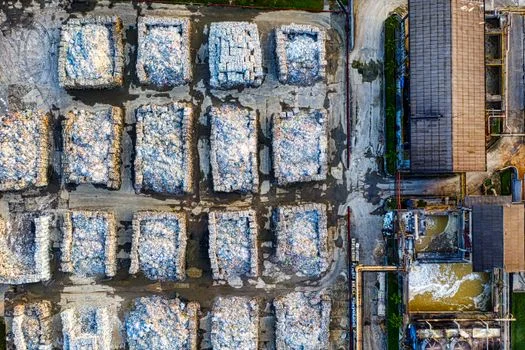
Selecting the appropriate wastewater treatment technology is critical for Telangana hospitals to balance stringent CPCB compliance with operational efficiency and cost-effectiveness. Each technology offers distinct advantages depending on influent characteristics, desired effluent quality, and budgetary constraints.
MBR Systems for Hospital Wastewater
Membrane Bioreactor (MBR) systems integrate biological treatment with membrane filtration, offering superior effluent quality. The process typically involves submerged PVDF membranes with a pore size of 0.1 μm, effectively removing 99% of pathogens (including bacteria and viruses) and achieving up to 95% COD removal. MBR systems are particularly well-suited for multi-specialty hospitals in Telangana with more than 200 beds, where high-quality effluent is required for direct discharge or reuse applications, given their ability to handle high organic loads and produce crystal-clear water. Explore our advanced MBR systems for hospital wastewater treatment in Telangana for detailed specifications.
DAF Systems for Hospital Wastewater
Dissolved Air Flotation (DAF) systems are highly effective for removing suspended solids, oil, and grease from hospital wastewater, especially in initial treatment stages. DAF technology utilizes microbubbles (typically 40–60 μm in size) to float contaminants to the surface, achieving 92–97% FOG (Fats, Oils, and Grease) removal. This makes DAF ideal for smaller clinics or hospital kitchens in Telangana with high grease loads, acting as an efficient pretreatment step before biological treatment. While DAF is excellent for physical separation, it does not achieve the same level of pathogen or dissolved organic removal as MBR. Learn more about DAF systems for high-FOG hospital effluent.
Chemical Dosing (ClO₂ Generators) for Disinfection
Chemical dosing, particularly with chlorine dioxide (ClO₂), offers highly efficient disinfection for hospital wastewater. On-site on-site ClO₂ generators for hospital wastewater disinfection achieve 99.9% fecal coliform kill rates, ensuring compliance with CPCB disinfection requirements. The chemical costs for ClO₂ dosing typically range from ₹0.5–1.2/m³, making it a cost-effective final polishing step. ClO₂ is also effective against a wide range of pathogens and provides residual disinfection, which can be beneficial for direct discharge to water bodies like the Musi River, where maintaining low bacterial counts is critical.
| Technology | CAPEX (₹/m³/day) | OPEX (₹/m³) | Footprint (m²/100 m³/day) | Removal Efficiency (COD/Pathogens) | Telangana Suitability |
|---|---|---|---|---|---|
| MBR Systems | 1.5L - 3L | 6 - 12 | 10 - 15 | 90-95% COD / 99% Pathogens | High (Large hospitals, reuse) |
| DAF Systems (Pre-treatment) | 0.8L - 1.5L | 2 - 4 | 15 - 20 | 60-70% COD / 92-97% FOG | Medium (High FOG, smaller clinics) |
| Chemical Dosing (ClO₂) | 0.3L - 0.7L | 0.5 - 1.2 | 5 - 8 | N/A (Disinfection only) / 99.9% Fecal Coliform | High (Post-treatment disinfection) |
Engineering Specs for Telangana Hospital Wastewater Systems: From Influent to Effluent
Effective hospital wastewater treatment in Telangana relies on a meticulously engineered system, starting with robust pretreatment and culminating in advanced disinfection to meet stringent discharge standards. The design must account for the unique characteristics of medical effluent and the local environmental conditions.
Influent Characteristics
Typical hospital wastewater specs in Telangana present significant challenges. Influent BOD ranges from 200–400 mg/L, COD from 400–800 mg/L, and TSS from 150–300 mg/L. Fecal coliform counts can be extremely high, often between 10^6–10^8 MPN/100 mL, indicating substantial pathogenic load. The influent temperature in Telangana typically ranges from 30–40°C, which influences biological treatment kinetics.
Pretreatment Stage
The pretreatment stage is critical for removing large solids and equalizing flow. This typically includes coarse bar screens (e.g., GX Series with 6 mm spacing) to prevent clogging downstream equipment. Following screening, an equalization tank is essential, providing a hydraulic retention time (HRT) of 4–6 hours to homogenize the wastewater quality and flow rate. pH adjustment is often required to maintain a pH range of 6.5–8.5 for optimal biological activity, using automated automatic chemical dosing systems. Detailed specifications for rotary mechanical bar screens (GX Series) are available.
Biological Treatment
For biological treatment, an Anaerobic/Anoxic/Oxic (A/O) process is commonly employed due to its efficiency in removing organic matter and nutrients. The A/O process typically requires an HRT of 8–12 hours, a Mixed Liquor Suspended Solids (MLSS) concentration of 3,000–5,000 mg/L, and an F/M (Food to Microorganism) ratio of 0.1–0.3. Given Telangana’s high influent temperatures (30–40°C), biological activity is generally enhanced, which can sometimes allow for slightly shorter HRTs while maintaining performance, provided oxygen transfer and nutrient balance are optimized.
Disinfection
Disinfection is the final critical step. Chlorine dioxide (ClO₂) is a highly effective disinfectant for hospital wastewater, with a typical dose of 0.5–2 mg/L and a contact time of 30 minutes, ensuring comprehensive pathogen inactivation. Ozone, another advanced option, uses a dose of 0.1–0.5 mg/L with a shorter contact time of 10 minutes. Both are suitable for Telangana’s climate, with ClO₂ offering residual disinfection and ozone being a powerful oxidant with no harmful byproducts. The choice often depends on specific effluent requirements and OPEX considerations.
Effluent Quality Targets
The target effluent quality depends on the discharge point. For direct discharge into surface water bodies, stringent targets such as BOD <10 mg/L and COD <50 mg/L are often aimed for, especially with advanced systems like MBR. For discharge into municipal STPs, the requirements are typically less strict, aligning with CPCB norms of BOD <30 mg/L and COD <250 mg/L, requiring only primary and secondary treatment with disinfection.
| Parameter | Typical Influent Characteristics (Hospital Wastewater) | Target Effluent Quality (Direct Discharge) | Target Effluent Quality (Municipal STP Discharge) |
|---|---|---|---|
| BOD (mg/L) | 200 - 400 | <10 | <30 |
| COD (mg/L) | 400 - 800 | <50 | <250 |
| TSS (mg/L) | 150 - 300 | <10 | <100 |
| Fecal Coliform (MPN/100 mL) | 10^6 - 10^8 | <100 | <1,000 |
| pH | 6.0 - 9.0 | 6.5 - 8.5 | 6.5 - 8.5 |
| Oil & Grease (mg/L) | 10 - 50 | <2 | <10 |
| Temperature (°C) | 30 - 40 | Ambient | Ambient |
CAPEX and OPEX Breakdown: Cost-Optimized Hospital Wastewater Systems for Telangana
Understanding the total cost of ownership, encompassing both Capital Expenditure (CAPEX) and Operational Expenditure (OPEX), is paramount for selecting a sustainable hospital wastewater treatment system in Telangana. These costs vary significantly based on hospital size, technology choice, and local conditions.
Capital Expenditure (CAPEX)
CAPEX for hospital wastewater treatment systems in Telangana can range widely. For smaller facilities, a compact 1 m³/h MBR system might have a CAPEX starting at ₹3.8 lakh. For a 10 m³/h system incorporating DAF for pretreatment followed by chemical dosing for disinfection, the CAPEX could be around ₹12 lakh. Larger, multi-specialty hospitals requiring advanced MBR or hybrid systems (e.g., 50 m³/h capacity) can see CAPEX in the range of ₹50 lakh to ₹1 crore, depending on the level of automation and effluent quality requirements.
Operational Expenditure (OPEX)
OPEX is a recurring cost that significantly impacts long-term financial viability. Energy consumption is a major component, with MBR systems typically incurring ₹6–12/m³ due to aeration and membrane scouring, while DAF systems are more energy-efficient, costing around ₹2–4/m³. Chemical costs for disinfection with ClO₂ generators are relatively low, estimated at ₹0.5–1.2/m³. Sludge disposal fees in Telangana are a notable OPEX driver, averaging ₹3,500–5,000 per ton, which is approximately 20% higher than the national average due to limited authorized disposal sites.
ROI Framework
A robust Return on Investment (ROI) framework for hospital wastewater treatment in Telangana must consider avoided penalties and potential water reuse benefits. The payback period for an MBR system in a 100-bed hospital, considering its high compliance assurance and potential for treated water reuse, might be 3–5 years. For a DAF system combined with chemical dosing in a 50-bed hospital, the payback period could be shorter, 2–3 years, primarily driven by lower initial CAPEX and avoided penalties of ₹50,000–2 lakh per violation (Telangana State Pollution Control Board 2026 guidelines). Investing in a compliant system not only prevents financial penalties but also safeguards the hospital's reputation and contributes to public health.
Telangana-Specific Cost Drivers
Several local factors influence costs. High humidity in Telangana increases the risk of corrosion for metal equipment, potentially raising maintenance costs. Water scarcity in the region provides higher incentives for treated wastewater reuse, which can offset OPEX by reducing fresh water procurement costs. The higher sludge disposal fees directly impact the overall OPEX, making sludge volume reduction technologies more attractive.
| Cost Component | MBR System (₹/m³) | DAF + Chemical Dosing System (₹/m³) |
|---|---|---|
| Energy Consumption | 6 - 12 | 2 - 4 |
| Chemicals (Disinfection/pH adj.) | 0.8 - 1.5 | 0.5 - 1.2 |
| Sludge Disposal (per ton) | 3,500 - 5,000 (volume dependent) | 3,500 - 5,000 (volume dependent) |
| Manpower | 1 - 2 | 0.5 - 1 |
| Maintenance & Spares | 1.5 - 3 | 0.8 - 1.5 |
| Total OPEX (approx.) | 9.3 - 19.5 | 7.3 - 11.7 |
Frequently Asked Questions
Facility managers and engineers frequently inquire about specific aspects of hospital wastewater treatment in Telangana, ranging from regulatory compliance to system performance and cost implications.
What are the penalties for non-compliance with hospital wastewater norms in Telangana?
Hospitals in Telangana face significant penalties for non-compliance, ranging from ₹50,000 to ₹2 lakh per violation. Repeat offenders are subject to mandatory system upgrades and potential closure orders as per Telangana State Pollution Control Board 2026 guidelines.
What is the ideal HRT for hospital wastewater treatment in Telangana?
For biological treatment processes like A/O, an ideal hydraulic retention time (HRT) of 8–12 hours is recommended. This can be adjusted based on influent characteristics and the elevated influent temperatures (30–40°C) common in Telangana, which can enhance microbial activity.
Can MBR systems handle high antibiotic loads in hospital effluent?
Yes, MBR systems are highly effective in treating wastewater with high antibiotic loads. The fine pore size (e.g., 0.1 μm) of PVDF membranes in MBR systems physically removes 99% of pharmaceutical residues, including antibiotics, as well as bacteria and viruses. For more details on MBR performance, see our MBR system specs.
Are there specific guidelines for treated hospital wastewater reuse in Telangana?
Telangana encourages the reuse of treated wastewater, especially given regional water scarcity. While specific guidelines for hospital effluent reuse are evolving, treated water must meet stringent CPCB standards for non-potable uses like gardening, toilet flushing, and cooling towers, often requiring advanced tertiary treatment. This aligns with approaches seen in other regions, such as how Kolkata hospitals meet WBPCB norms for reuse.
What is the typical lifespan of a hospital wastewater treatment plant in Telangana?
With proper design, installation, and regular maintenance, a well-engineered hospital wastewater treatment plant in Telangana can have a lifespan of 15-20 years for civil structures and 7-10 years for mechanical and electrical components. Regular servicing, especially for membranes in MBR systems, is crucial for longevity.
Further Reading
Explore these in-depth articles on related wastewater treatment topics: