Why Eldoret Hospitals Need Specialized Wastewater Treatment
Hospital wastewater in Eldoret contains 2–10× more antimicrobial-resistant (AMR) bacteria than domestic sewage, posing a significant public health risk if discharged into municipal lines or septic systems (per PAHO 2026 data). Unlike standard residential effluent, medical wastewater carries a concentrated load of pharmaceutical residues, including antibiotics and cytotoxic drugs, which frequently exceed Kenya NEMA limits (KS 2324:2020) in 80% of untreated hospital samples. In Eldoret specifically, facility managers face the dual challenge of high pathogen loads and extreme flow variability. During the dry season, wastewater flow can drop by 50%, leading to stagnant, high-concentration sewage that overwhelms conventional biological systems; conversely, the wet season can increase Total Suspended Solids (TSS) by 30% due to storm water infiltration in aging infrastructure.
Local case data from the Eldoret Academic Hospital highlights the necessity of specialized intervention. Their 23 m³/day decentralized system was implemented to address a critical failure in pathogen control, where pre-treatment samples showed E. coli levels at 10⁶ CFU/100 mL. By implementing an integrated treatment train featuring ozone disinfection, the facility successfully reduced these levels to <10 CFU/100 mL (Top 3). This local benchmark demonstrates that standard septic tanks are insufficient for the complex chemical and biological profiles of Eldoret’s medical facilities. the presence of multi-drug resistant organisms in the Uasin Gishu County ecosystem necessitates treatment systems that do not just reduce organic load, but specifically target the genetic material of resistant bacteria.
For facility managers, the risk of non-compliance is not merely environmental but legal and operational. NEMA inspections in Eldoret have become increasingly rigorous, focusing on the removal of pharmaceutical active compounds (PhACs) that traditional municipal plants are not designed to handle. Implementing a modular WSZ Series system for Eldoret hospitals provides a decentralized solution that mitigates these risks at the source, preventing the contamination of local water bodies like the Sosiani River. This proactive approach is essential for hospitals aiming to meet the "Smart Healthcare" criteria while ensuring disaster resilience and potential for water reuse in landscaping or cooling towers.
Kenya NEMA Standards vs. Eldoret Hospital Effluent: Compliance Gaps and Solutions
Kenya’s NEMA KS 2324:2020 standards mandate a Biological Oxygen Demand (BOD) of less than 30 mg/L for effluent discharged into surface water, yet typical untreated hospital effluent in Eldoret often records levels exceeding 300 mg/L. This 90% gap in compliance is a primary driver for the recent surge in NEMA enforcement actions across Uasin Gishu County. Because 70% of hospitals in Eldoret currently rely on basic septic tanks or direct discharge (cite University of Eldoret 2024 study), the majority of facilities are operating in a high-risk zone for legal penalties, which can reach up to KSh 1M or result in immediate facility closure under the Environmental Management and Coordination Act.
| Parameter | Typical Untreated Eldoret Hospital Effluent | NEMA KS 2324:2020 (Surface Water) | Compliance Gap |
|---|---|---|---|
| BOD₅ (mg/L) | 250–450 | < 30 | 88% – 93% |
| COD (mg/L) | 500–800 | < 100 | 80% – 87% |
| Total Suspended Solids (TSS) | 200–400 | < 30 | 85% – 92% |
| Pathogens (E. coli CFU/100mL) | 10⁵ – 10⁷ | Nil / < 10 | 99.99% |
| Oil & Grease (mg/L) | 20–50 | Nil / < 5 | 75% – 90% |
NEMA utilizes a tiered discharge limit system depending on the final destination of the treated water. For Eldoret hospitals located in dense urban areas like Elgon View or the CBD, discharge into the municipal sewer requires meeting less stringent BOD limits (~200 mg/L), but many of these facilities are actually discharging into open drains that lead to surface water, necessitating the stricter 30 mg/L BOD limit. Bridging this gap requires more than primary settling; it demands secondary biological treatment and tertiary disinfection. Facilities must also consider smaller-scale clinic wastewater systems for satellite branches, ensuring that the entire healthcare network remains compliant with the KS 2324:2020 framework.
To achieve zero-risk compliance, engineering designs must account for the specific chemical residues found in Eldoret’s medical waste, such as disinfectants (glutaraldehyde) and antibiotics (sulfamethoxazole). These substances inhibit the natural bacteria in septic tanks, leading to system "death" and foul odors. Modern modular plants overcome this by using specialized bio-media or membrane separation, ensuring that even in the presence of inhibitory chemicals, the effluent consistently meets NEMA’s stringent discharge requirements.
Modular Wastewater Treatment Systems for Eldoret Hospitals: Engineering Specs and Design Options
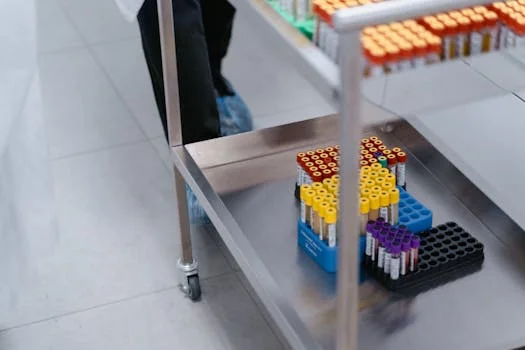
Modular wastewater treatment plants designed for Eldoret hospitals must accommodate flow rates ranging from 10 to 100 m³/day while maintaining a footprint of less than 50 m² to fit within constrained urban plots. The WSZ Series underground integrated plants are particularly effective for Eldoret’s climate, as the sub-surface installation provides natural thermal insulation, maintaining the stable temperatures required for the A/O (Anaerobic/Oxic) biological process. These units are designed for "set and forget" operation, requiring no full-time operator, which is a critical requirement for private clinics and mid-sized hospitals in the region.
| System Type | Capacity Range | Footprint (m²) | Power Draw (kWh/m³) | Best Use Case in Eldoret |
|---|---|---|---|---|
| WSZ Series (A/O) | 1–80 m³/h | 15–45 | 0.3–0.5 | General hospitals with limited surface space. |
| MBR (Membrane Bioreactor) | 10–2,000 m³/day | 10–30 | 0.7–1.2 | Facilities requiring high-quality water reuse. |
| DAF | 4–300 m³/h | 5–20 | 1.0–1.5 | Pre-treatment for high-fat kitchen/lab waste. |
For hospitals prioritizing high effluent quality, an MBR system for reuse-quality effluent in Eldoret offers the most advanced solution. Utilizing PVDF membranes with a 0.1 μm pore size, MBR units achieve 99.9% pathogen removal and produce water clear enough for irrigation or laundry pre-wash. This technology is approximately 60% smaller than conventional activated sludge plants, making it ideal for facilities like those in the Elgon-View Estate area where land value is high and space is at a premium. The MBR process effectively decouples Hydraulic Retention Time (HRT) from Sludge Retention Time (SRT), allowing for high biomass concentrations that can degrade complex pharmaceuticals more effectively than traditional systems.
In facilities with large catering departments or extensive diagnostic labs, the Dissolved Air Flotation (DAF) system is essential for removing Fats, Oils, and Grease (FOG). High FOG levels are a common cause of pump failure and membrane fouling in Eldoret’s hospital plants. By implementing a DAF unit as a pre-treatment step, hospitals can protect their secondary treatment stages and ensure that effluent meets the "Nil" oil and grease requirement of NEMA KS 2324:2020. This modular approach allows for a customized treatment train that addresses the specific waste profile of the hospital, whether it is heavy on surgical chemicals or kitchen waste.
Disinfection Technologies for Hospital Wastewater: Chlorine Dioxide vs. Ozone vs. UV
Disinfection of hospital effluent in Eldoret is complicated by water hardness levels reaching 300–400 mg/L CaCO₃, which can cause scaling on equipment and interfere with chemical efficacy. Selecting the correct disinfection method is the final barrier against the release of AMR bacteria into the environment. Chlorine Dioxide (ClO₂), generated on-site, has emerged as a preferred method for Eldoret facilities because it remains effective across a wide pH range and does not produce the harmful trihalomethanes (THMs) associated with standard liquid chlorine. ClO₂ disinfection for AMR control in hospital effluent is highly effective at penetrating biofilms in piping, where resistant bacteria often reside.
| Technology | Kill Rate (Pathogens) | Residual Effect | Operational Constraint | NEMA Compliance |
|---|---|---|---|---|
| Chlorine Dioxide (ClO₂) | 99.9% | Strong | Requires chemical precursor storage. | Fully Compliant |
| Ozone (O₃) | 99.99% | None | High energy draw (1.5 kWh/m³). | Fully Compliant |
| Ultraviolet (UV) | 99.9% | None | Requires TSS < 10 mg/L. | Compliant with pre-filtration |
Ozone disinfection offers the highest kill rate for viruses and is exceptionally effective at oxidizing pharmaceutical residues that biological processes might miss. Eldoret Academic Hospital utilized this technology to achieve its benchmark pathogen reduction. However, ozone requires significant power (approximately 1.5 kWh/m³) and lacks a residual effect, meaning bacteria can potentially regrow in downstream storage tanks. For hospitals with limited power budgets, the high energy consumption of ozone generators must be weighed against their superior oxidation capabilities.
UV disinfection is a chemical-free alternative that is increasingly popular for its safety and ease of use. However, facility engineers must account for UV disinfection for hospital effluent limitations in the Eldoret context. High water hardness leads to rapid quartz sleeve fouling, significantly reducing the UV dose. For a UV system to remain NEMA-compliant, the upstream treatment must consistently deliver TSS levels below 10 mg/L. Without high-efficiency filtration (like that found in MBR systems), UV systems in Eldoret often fail to meet disinfection targets within six months of installation due to scaling and shadowing effects from suspended particles.
Cost Breakdown: CAPEX, OPEX, and ROI for Hospital Wastewater Systems in Eldoret
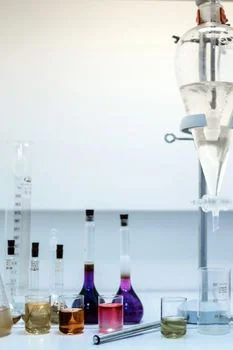
The capital expenditure (CAPEX) for a 50 m³/day modular wastewater treatment system in Eldoret typically ranges from $25,000 to $65,000, depending on the level of automation and the specific disinfection technology chosen. While MBR systems sit at the higher end of this range (up to $200,000 for large-scale 100+ m³/day installations), they offer the lowest long-term risk and the highest potential for water reuse. For many Eldoret facilities, the initial investment is often offset by the elimination of septic tank exhaustion fees, which can cost a busy hospital upwards of KSh 150,000 per month in "honey sucker" truck services.
| Daily Capacity | Estimated CAPEX (USD) | Estimated OPEX (USD/m³) | Annual Savings (Est. KSh) |
|---|---|---|---|
| 20 m³/day | $15,000 – $22,000 | $0.35 – $0.50 | 800,000 – 1,200,000 |
| 50 m³/day | $30,000 – $55,000 | $0.40 – $0.65 | 2,500,000 – 3,500,000 |
| 100 m³/day | $80,000 – $150,000 | $0.30 – $0.60 | 5,000,000 – 7,000,000 |
Operational expenditure (OPEX) in Eldoret is primarily driven by electricity costs and chemical consumables. Biological systems like the WSZ Series are highly efficient, with OPEX as low as $0.30/m³, whereas specialized electrocoagulation systems used for heavy pharmaceutical removal can reach $1.20/m³. Data from Eldoret Academic Hospital indicates that by reusing treated effluent for landscape irrigation, they reduced their municipal water bill by 40%, contributing to a projected Return on Investment (ROI) of just 3.8 years. This ROI calculation includes the "hidden" savings of avoiding NEMA non-compliance fines and the associated reputational damage.
Financing these projects has become more accessible for Eldoret hospitals through green infrastructure initiatives. The Kenya Climate Innovation Center (KCIC) and the African Development Bank (AfDB) offer grants and low-interest loans for decentralized wastewater projects that demonstrate high environmental impact. Additionally, some suppliers now offer leasing programs or performance-based contracts, allowing hospitals to pay for the system through the savings generated by reduced water and exhaustion costs, effectively making the transition to modern treatment budget-neutral over a 5-year period.
Supplier Checklist: How to Evaluate Wastewater Treatment Vendors for Eldoret Hospitals
Procurement officers in Eldoret must move beyond price-tag evaluations and focus on technical longevity and local support. A common pitfall in the region is the purchase of undersized systems that fail within the first year because they were designed for domestic sewage rather than the high-strength chemical waste produced by a hospital. When evaluating vendors, it is critical to demand proof of NEMA-approved designs and a clear roadmap for maintenance within the Uasin Gishu County area. Vendors without a local service presence often leave hospitals stranded when specialized components like MBR membranes or ClO₂ sensors require calibration.
10 Questions for Your Wastewater System Supplier:
- Does the system design specifically account for the removal of antimicrobial-resistant (AMR) bacteria?
- Can you provide a NEMA KS 2324:2020 compliance guarantee for the treated effluent?
- What is the system’s performance history with Eldoret’s specific water hardness levels (300+ mg/L)?
- Is there a local technical team in Kenya for 24-hour emergency response?
- What is the expected lifespan of the primary media or membranes under hospital load?
- Does the quote include installation, commissioning, and staff training for our engineers?
- How does the system handle high-variability flows (dry vs. wet season)?
- What are the specific power requirements (kWh/m³) for the full treatment train?
- Are spare parts stocked locally in Kenya, or must they be imported?
- Can you provide references from other healthcare facilities, such as the Eldoret Academic Hospital pilot?
Red flags during the procurement process include a lack of local references or vague performance guarantees regarding pharmaceutical removal. For example, the Eldoret Academic Hospital’s selection process involved a partnership with TU Delft and a 2-year pilot testing phase to ensure the technology could withstand local conditions. While not every hospital can run a 2-year pilot, requesting a 30-day performance trial or a detailed chemical analysis of a similar existing installation is a reasonable and necessary step to protect the hospital’s investment and ensure long-term environmental safety. For those looking at regional comparisons, Mwanza hospital wastewater solutions offer similar insights into East African decentralized treatment challenges.
Frequently Asked Questions
Does NEMA require hospitals in Eldoret to treat wastewater if they are connected to the municipal sewer?
Yes. While municipal sewer connection reduces the stringency of some parameters, NEMA still requires pre-treatment for hospital-specific pollutants like heavy metals, certain pharmaceuticals, and pathogens. Discharging raw medical waste into a municipal system designed for domestic sewage can lead to the "poisoning" of the municipal plant’s biological process, making the hospital liable for damages and fines under the Environmental Management and Coordination Act.
Can treated hospital wastewater be safely used for irrigation in Eldoret?
Treated effluent can be used for landscaping and non-food crop irrigation provided it meets the NEMA "Class A" reuse standards. This requires a high-level treatment process, typically an MBR system followed by robust disinfection (Ozone or ClO₂), to ensure that AMR bacteria and viral pathogens are completely neutralized. Facilities like Eldoret Academic Hospital have successfully implemented this to reduce operational costs.
How do modular systems handle the disinfectants (like bleach) used in hospital cleaning?
Modern modular systems like the WSZ Series utilize an equalization tank to buffer the flow. This dilutes high-concentration "slugs" of disinfectants, preventing them from shocking the biological treatment stage. Additionally, using fixed-film media or MBR technology provides a more resilient bacterial population that can withstand the presence of trace disinfectants better than traditional suspended-growth systems.
What is the typical maintenance schedule for a modular hospital treatment plant?
Routine maintenance usually involves a weekly check of blower filters and chemical levels for disinfection. A more thorough professional service is typically required quarterly to inspect pumps, clean sensors, and assess sludge levels. MBR systems require periodic "Clean-in-Place" (CIP) procedures every 3–6 months to maintain membrane permeability, especially in Eldoret where high water hardness can accelerate scaling.
What happens to the sludge produced by these treatment systems?
Sludge from hospital wastewater treatment is classified as hazardous waste. It must be stabilized (often within the modular unit itself) and then collected by a NEMA-licensed hazardous waste handler for incineration or specialized landfilling. Because modular systems are highly efficient, the volume of sludge produced is significantly lower than that of a standard septic tank, reducing disposal costs and frequency.
Related Equipment
- modular WSZ Series system for Eldoret hospitals — view specifications, capacity range, and technical data
- MBR system for reuse-quality effluent in Eldoret — view specifications, capacity range, and technical data
- ClO₂ disinfection for AMR control in hospital effluent — view specifications, capacity range, and technical data
Need a customized solution? Request a free quote with your specific flow rate and pollutant parameters.