Why Pokhara’s Wastewater Crisis Demands Local Solutions
For a hotel manager overlooking Fewa Lake, the view is world-class, but the regulatory reality is becoming increasingly stark. With the 2025 tourism season approaching, facility directors are facing a tightening pincer movement of stricter environmental enforcement and rising water procurement costs. In Pokhara, a 50 m³/day wastewater treatment plant costs NPR 8M–15M (2025 data), depending on technology and compliance requirements. The JICA 2024 master plan for Pokhara Metropolitan City mandates BOD < 30 mg/L and TSS < 50 mg/L for new projects—stricter than Nepal’s national standards. For hotels and hospitals, MBR systems for Pokhara’s strict discharge standards (NPR 12M–15M) offer 95%+ contaminant removal and reuse-ready effluent, while conventional A/O plants (NPR 6M–9M) meet basic compliance at lower upfront cost but higher operational expenses (NPR 1.2–2.5/m³).
Pokhara’s population grew 22% from 2011–2021 according to CBS Nepal, significantly outpacing the city’s centralized sewerage infrastructure. The JICA 2024 report indicates that only 15% of households and businesses are currently connected to a centralized sewer system. While tourism generates 40% of Pokhara’s GDP, it places an immense strain on local water resources, with luxury hotels consuming between 300–500 liters per guest per day. The JICA master plan proposes three centralized treatment plants with capacities ranging from 20,000 to 50,000 m³/day, but the burden of decentralized treatment for hotels, hospitals, and industrial zones remains a private investment responsibility, creating a market opportunity exceeding NPR 2 billion.
Engineering for Pokhara requires addressing unique influent characteristics. Biological treatment efficiency is challenged by high organic loads from the hospitality sector (BOD 300–600 mg/L) and massive seasonal fluctuations. During the monsoon (June–September), TSS can spike to 1,200 mg/L due to runoff infiltration, while winter temperatures dropping to 10–15°C can reduce biological kinetics by 30–40%, necessitating robust equipment selection and oversized aeration systems.
Pokhara’s Wastewater Treatment Standards: What You Must Achieve to Avoid Fines
Compliance in Pokhara is no longer governed solely by national guidelines. The 2024 JICA Master Plan has established a new benchmark for the Metropolitan City that exceeds federal requirements to protect the sensitive ecosystems of the Seti River and the lake clusters. Engineering managers must design systems that not only meet today’s limits but are future-proofed against the inevitable adoption of WHO reuse standards as water scarcity intensifies.
| Parameter | Nepal National (MoWS 2023) | Pokhara Metro (JICA 2024) | WHO/EPA Reuse Standard |
|---|---|---|---|
| BOD (mg/L) | < 50 | < 30 | < 10 |
| TSS (mg/L) | < 100 | < 50 | < 5 (Turbidity < 2 NTU) |
| pH | 6.0 – 9.0 | 6.5 – 8.5 | 6.5 – 8.5 |
| Fecal Coliform (MPN/100mL) | Not Specified | < 1,000 | < 10 |
| Total Nitrogen (mg/L) | < 50 | < 25 | < 10 |
The Department of Water Supply and Sewerage Management (DoWSSM) has increased surveillance on private discharges. Penalties for non-compliance currently range from NPR 50,000 to NPR 500,000 per violation, with the added risk of project shutdown for repeat offenders. In late 2023, a prominent hotel in the Lakeside area was fined NPR 250,000 after a surprise inspection revealed BOD levels exceeding 150 mg/L, highlighting the financial risk of under-engineered systems. For developers, understanding how Kathmandu’s hospital wastewater standards compare to Pokhara’s is essential for multi-city project planning.
How to Calculate Your Plant Capacity: A Step-by-Step Guide for Pokhara Projects
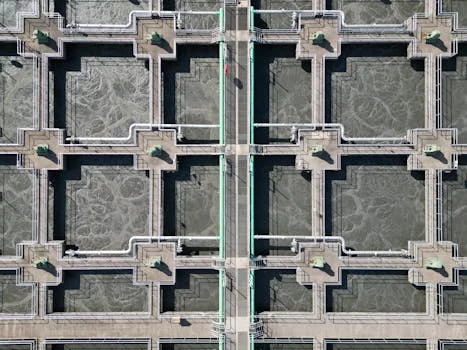
Sizing a wastewater treatment plant (WWTP) in Pokhara requires more than a simple headcount. Engineers must account for "peaking factors" caused by tourism cycles and the heavy monsoon rains that characterize the region. The average influent in Pokhara shows a BOD range of 250–500 mg/L and TSS of 300–800 mg/L, though these concentrations dilute significantly during the summer months.
The standard capacity calculation formula for a Pokhara project is: Q (m³/day) = (Peak Flow Rate × Population) + Industrial/Commercial Discharge. For a 200-room hotel with an average occupancy of 2 guests per room and a consumption rate of 400 liters per guest, the daily flow is 160 m³/day. However, because Pokhara experiences 30–50% flow increases during the monsoon due to groundwater infiltration into older pipes, an equalization tank (EQ) must be sized for at least 8–12 hours of hydraulic retention time (HRT).
| Facility Type | Avg. Daily Flow (m³/day) | BOD Load (kg/day) | Recommended Technology |
|---|---|---|---|
| Hotel (50 Rooms) | 20 – 35 | 8 – 15 | compact A/O systems for space-constrained Pokhara projects |
| Hotel (200 Rooms) | 120 – 160 | 40 – 70 | MBR (Membrane Bioreactor) |
| Hospital (100 Beds) | 40 – 60 | 15 – 25 | MBR + UV Disinfection |
| Food Processing (Small) | 50 – 100 | 100 – 250 | SBR with Pre-treatment |
Modular systems are increasingly popular in Pokhara because they allow developers to scale capacity as hotel wings or hospital wards are added, preventing the high OPEX of running a large plant at 30% capacity during the off-season.
Wastewater Treatment Technologies for Pokhara: Cost, Efficiency, and Climate Suitability
Selecting technology for Pokhara involves balancing the high cost of land in urban areas with the need for biological stability during cold winters. While many developers are tempted by the low CAPEX of conventional systems, the long-term TCO (Total Cost of Ownership) often favors advanced membrane solutions.
- MBR (Membrane Bioreactor): Priced at NPR 12M–18M for a 50 m³/day system. It achieves 95–99% removal efficiency. Because it uses physical membrane barriers, it is less affected by the 10–15°C winter temperatures that slow down bacteria in other systems. It produces effluent ready for toilet flushing and irrigation, though it requires membrane replacement every 5–7 years (approx. NPR 2M–3M).
- SBR (Sequencing Batch Reactor): Priced at NPR 8M–12M for 50 m³/day. SBRs are excellent for varying loads but require a larger footprint than MBR and sophisticated automated valves that need regular maintenance.
- Conventional A/O (Anoxic/Oxic): The budget option at NPR 6M–9M. While simple to operate, its efficiency can drop by 40% during Pokhara's winter months, often leading to compliance failures if not properly insulated or heated.
| Metric | MBR System | SBR System | Conventional A/O |
|---|---|---|---|
| CAPEX (NPR) | 12M – 18M | 8M – 12M | 6M – 9M |
| OPEX (NPR/m³) | 1.2 – 1.6 | 0.8 – 1.1 | 0.6 – 0.9 |
| Removal % (BOD) | 98% | 90% | 80% |
| Footprint | Minimal | Moderate | Large |
| Climate Suitability | 5/5 | 4/5 | 2/5 |
In a 2023 case study, a 150-room Pokhara hotel installed an MBR system for NPR 15M. By reusing treated water for its extensive gardens and laundry pre-wash, the hotel saved NPR 1.2M annually in water tanker costs and avoided an estimated NPR 300,000 in potential environmental fines, reaching a full ROI in just under 4.5 years.
Pokhara-Specific Cost Breakdown: CAPEX, OPEX, and Hidden Expenses
Budgeting for a WWTP in Pokhara requires a granular look at local labor, logistics, and civil engineering costs. A 50 m³/day MBR system typically breaks down as follows in the 2025 market:
CAPEX Breakdown:
- Equipment (Membranes, Blowers, Pumps): NPR 8M
- Civil Works (Concrete tanks, excavation): NPR 3M
- Installation & Piping: NPR 1.5M
- Commissioning & Training: NPR 500K
- Total: NPR 13M
Annual OPEX Breakdown:
- Energy Consumption: NPR 1.2M
- Chemicals (Coagulants, Disinfectants): NPR 300K
- Maintenance & Spares: NPR 200K
- Labor (Part-time operator): NPR 600K
- Amortized Membrane Replacement: NPR 400K
- Total: NPR 2.3M/year (approx. NPR 1.27 per m³ treated)
Hidden costs are the primary cause of budget overruns in Pokhara. Land in urban wards can cost NPR 500K to 2M per ana, making compact MBR systems more economical than sprawling SBR lagoons. Additionally, obtaining the Environmental Impact Assessment (EIA) and discharge permits from the Pokhara Metropolitan City can cost between NPR 200K and 500K in consultancy and administrative fees. Developers should also note how Pokhara’s costs compare to other South Asian markets to benchmark their procurement strategies. Financing is available through the Nepal Infrastructure Bank, which currently offers 7% interest loans for green infrastructure projects with 5-year repayment terms.
ROI Calculator: How to Justify Your Investment in Pokhara’s Regulatory Environment
To build a business case for a high-efficiency WWTP, facility directors must look beyond the initial price tag. The Return on Investment (ROI) is calculated by: (Annual Water Savings + Avoided Fines) / (Total Capital Investment + Annual OPEX).
Consider a 50 m³/day MBR system. In Pokhara, the cost of commercial water is rising. If a hotel reuses 80% of its treated effluent (40 m³/day), it saves approximately NPR 3,300 per day (based on tanker rates), or NPR 1.2M annually. When combined with the avoidance of a typical NPR 300,000 annual fine schedule for non-compliance, the total benefit is NPR 1.5M per year. This results in an 18% ROI, with a payback period of roughly 8.7 years. However, when the 15% corporate tax credit for wastewater investments (per Nepal Investment Board 2025) is applied, the payback period often drops to under 7 years.
A textile factory near the Pokhara Industrial Estate installed an SBR system in 2022 for NPR 10M. By recycling process water, they reduced their raw water intake by 40%, saving NPR 800,000 annually. By avoiding the NPR 500,000 fines they had previously incurred for Seti River pollution, they achieved a payback in just 3 years. For those managing medical facilities, tertiary disinfection for Pokhara’s hospital wastewater is a critical addition to ensure coliform limits are met, further protecting the facility from legal liability.
Frequently Asked Questions
What is the cheapest wastewater treatment option for a 50-room hotel in Pokhara?
A conventional A/O (Anoxic/Oxic) system is the most affordable at NPR 6M–8M. However, it requires a larger land area and may struggle to meet Pokhara’s 2024 JICA discharge standards during the winter. For a better balance of cost and compliance, a compact SBR system is often recommended.
How much does it cost to operate a 100 m³/day MBR system in Pokhara?
The annual OPEX for a 100 m³/day MBR system ranges from NPR 4.6M to 5.5M. This includes energy costs (approx. NPR 2.4M), chemical dosing (NPR 600K), and a sinking fund for membrane replacement every 5 years (NPR 800K).
What are Pokhara’s specific discharge standards for hospitals?
Hospitals must meet JICA 2024 standards: BOD < 30 mg/L, TSS < 50 mg/L, and Fecal Coliform < 1,000 MPN/100mL. Additionally, hospitals are increasingly required to include tertiary treatment, such as UV or Chlorine Dioxide, to neutralize antibiotic-resistant bacteria. A Pokhara hospital was fined NPR 400,000 in 2023 for exceeding these microbial limits.
Can I legally reuse treated wastewater for laundry in Nepal?
Yes, provided the effluent meets WHO reuse standards (BOD < 10 mg/L and Turbidity < 2 NTU). MBR systems are the only integrated technology that reliably reaches these levels without additional, expensive external filtration stages like Reverse Osmosis.
What permits are required for a new WWTP in Pokhara?
You need three primary approvals: an Environmental Impact Assessment (EIA) from the Ministry of Forests and Environment (NPR 200K–500K), a discharge permit from DoWSSM (NPR 50K–100K), and a building permit for civil structures from the Pokhara Metropolitan City (NPR 100K–200K). The process typically takes 3 to 6 months.