Hospital Wastewater Treatment in Kathmandu: 2025 Engineering Guide with Compliance, Cost Data & Equipment Checklist
Hospital wastewater in Kathmandu requires treatment to meet Nepal’s Environmental Protection Act (2019) limits: BOD <30 mg/L, COD <250 mg/L, and fecal coliform <1,000 CFU/100mL. The city’s sole centralized plant, Guheshwori WWTP, achieves 91% BOD removal but operates at 2.3 kWh/kg BOD—unsustainable for hospitals. Decentralized systems (e.g., MBR or constructed wetlands) offer 60% lower energy use and 99% pathogen removal, with CAPEX ranging from $50,000–$500,000 for 5–500 m³/day capacity. This guide provides engineering specs, cost benchmarks, and compliance checklists for Kathmandu’s hospitals.
Kathmandu’s Hospital Wastewater Challenge: Why Current Systems Fail
Hospital wastewater in Kathmandu contains 2–5× higher BOD and COD concentrations than standard municipal sewage, often exceeding 1,200 mg/L COD in facilities without pre-treatment. While municipal sewage at the Guheshwori WWTP typically shows an influent BOD of 270 mg/L, hospital effluent in the Kathmandu Valley ranges from 500 to 1,200 mg/L (WHO 2020 data). This discrepancy means that standard municipal treatment protocols are fundamentally inadequate for the complex chemical and biological load generated by healthcare facilities.
The technical challenge is compounded by the presence of pharmaceutical residues, including antibiotics, hormones, and disinfectants, alongside high pathogen loads such as E. coli and Salmonella. Traditional systems designed for domestic waste fail to neutralize these compounds. For example, performance data for the Guheshwori WWTP indicates a 54% Total Suspended Solids (TSS) removal rate and only 47% NH4-N (Ammonia Nitrogen) removal. For a hospital to meet the Environmental Protection Act (2019) standards, TSS removal must exceed 90%, and nutrient removal must be significantly more robust to prevent eutrophication in the Bagmati and Bishnumati river systems.
Regulatory pressure is mounting as the Department of Environment increases oversight. While the 2019 Act provides clear effluent limits, many hospitals struggle with enforcement due to space constraints and the high energy costs of legacy Activated Sludge Processes (ASP). The Guheshwori plant’s energy consumption of 2.3 kWh/kg BOD removed highlights the inefficiency of centralized scaling for high-strength hospital waste. Decentralized solutions are no longer optional; they are a regulatory and operational necessity for Kathmandu’s healthcare infrastructure.
| Parameter | Guheshwori WWTP Performance | Typical Hospital Influent (Kathmandu) | Required Effluent (EPA 2019) |
|---|---|---|---|
| BOD5 (mg/L) | 25 (91% removal) | 500 – 800 | < 30 |
| COD (mg/L) | 250 (78% removal) | 800 – 2,000 | < 250 |
| TSS (mg/L) | 100 (54% removal) | 300 – 800 | < 50 |
| Fecal Coliform (CFU/100mL) | Variable | 10^6 – 10^8 | < 1,000 |
| NH4-N (mg/L) | 22.1 (47% removal) | 40 – 100 | < 50 (General) |
Engineering Specs for Hospital Wastewater Treatment: Influent, Effluent, and Process Parameters
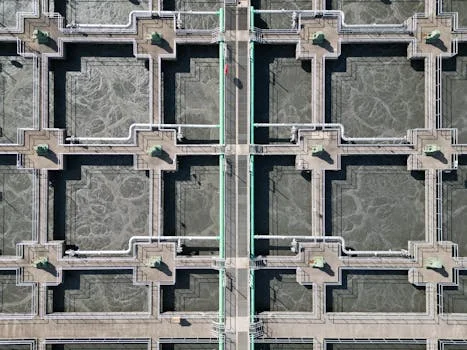
Hospital wastewater composition in the Kathmandu Valley is characterized by high concentrations of persistent organic pollutants, including pharmaceutical residues and multi-drug resistant pathogens. A 2023 NEA study confirmed that hospitals in the valley report COD levels between 1,000 and 3,000 mg/L, requiring a multi-stage treatment approach. Effective treatment begins with robust screening to remove clinical solids, followed by biological degradation and advanced oxidation or membrane filtration.
Process selection is dictated by the specific contaminant profile. Membrane Bioreactors (MBR) have emerged as the gold standard for space-constrained Kathmandu sites. An MBR system for hospital wastewater with 99% pathogen removal utilizes a combination of biological treatment and microfiltration (typically 0.03 to 0.1 μm pore size). This allows for a much higher Mixed Liquor Suspended Solids (MLSS) concentration (8,000–12,000 mg/L) compared to conventional activated sludge (3,000–5,000 mg/L), resulting in a smaller footprint and superior effluent quality.
For hospitals with slightly more land, constructed wetlands can serve as a secondary or tertiary treatment stage. However, for primary treatment of high-strength waste, the Hydraulic Retention Time (HRT) is critical. MBR systems require an HRT of 8–12 hours for influent with 500 mg/L COD to ensure complete nitrification and organic breakdown. Disinfection remains the final, most critical barrier. Given the high organic load, traditional chlorination often leads to the formation of harmful disinfection byproducts (DBPs). Utilizing an on-site chlorine dioxide generator for hospital effluent disinfection provides a more stable and powerful oxidative path, achieving 99.99% pathogen kill and effectively neutralizing many pharmaceutical residues that ozone or chlorine alone might miss.
| Feature | MBR (Membrane Bioreactor) | Conventional Activated Sludge (CAS) | Constructed Wetlands |
|---|---|---|---|
| Footprint Requirement | Low (0.5 – 1.0 m²/m³/day) | Medium (2.0 – 4.0 m²/m³/day) | High (5.0 – 15.0 m²/m³/day) |
| Pathogen Removal | 99.9% - 99.99% | 90% - 95% | 95% - 98% |
| HRT (Hours) | 8 – 12 | 18 – 24 | 72 – 120 |
| Effluent BOD (mg/L) | < 5 | 20 – 30 | 10 – 20 |
| Sludge Yield | Low | High | Very Low |
To ensure long-term operational stability, engineering teams must focus on Sludge Retention Time (SRT). In hospital applications, longer SRTs (20–30 days) are preferred to encourage the growth of nitrifying bacteria and the biodegradation of complex molecules. For rapid deployment in existing facilities, prefabricated wastewater plants for rapid deployment in Kathmandu offer a modular solution that bypasses the lengthy civil works associated with traditional concrete tanks.
Centralized vs. Decentralized Systems: Cost, Compliance, and Kathmandu-Specific Trade-offs
Only 30% of hospitals in the Kathmandu Valley have access to a functional municipal sewer connection, according to a 2023 ADB report. For the remaining 70%, decentralized treatment is the only viable path to compliance. Even for those with sewer access, the underperformance of centralized plants like Guheshwori (which only achieves 54% TSS removal) places the legal burden of effluent quality back on the hospital if the "polluter pays" principle is strictly enforced under the 2019 Act.
The financial decision-making process involves a comparison of CAPEX and OPEX across system types. Centralized connection involves zero CAPEX for the treatment unit but carries connection fees and an OPEX of $0.80–$1.50/m³ in the form of sewage tariffs and potential fines for non-compliance. Decentralized MBR systems require a significant upfront investment—typically $10,000–$20,000 per m³/day of capacity—but provide total control over effluent quality. For a 100 m³/day plant, this results in a CAPEX of $100,000 to $200,000.
Operating costs for decentralized systems in Kathmandu are heavily influenced by electricity prices and chemical availability. MBR systems, while efficient in space, have higher energy demands for membrane scouring (air blowing) compared to constructed wetlands. However, constructed wetlands require substantial land, which in Kathmandu's urban core can cost more than the equipment itself. A compact hospital wastewater treatment system with ozone disinfection or MBR is often the only feasible choice for hospitals in areas like Thamel, Maharajgunj, or Patan where land is at a premium.
| System Type | CAPEX (per m³/day) | OPEX (per m³) | Land Area Needed | Compliance Reliability |
|---|---|---|---|---|
| Centralized Sewer | $0 (if available) | $0.80 – $1.50 | N/A | Low (WWTP dependent) |
| Decentralized MBR | $10,000 – $20,000 | $0.70 – $1.20 | 0.5 – 1.0 m² | Very High |
| Constructed Wetlands | $5,000 – $10,000 | $0.30 – $0.60 | 5.0 – 10.0 m² | Medium-High |
| Decentralized CAS | $7,000 – $12,000 | $0.50 – $0.90 | 2.0 – 4.0 m² | Medium |
Step-by-Step Compliance Checklist for Kathmandu Hospitals
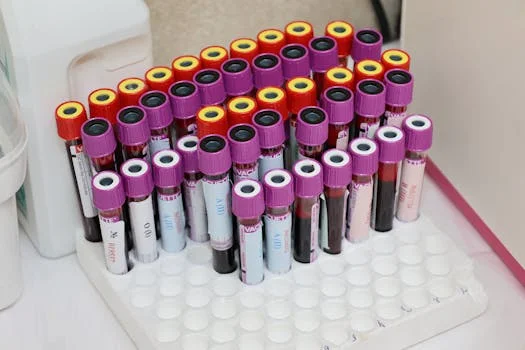
Nepal’s Environmental Protection Act (2019) mandates that all healthcare facilities discharge effluent with a BOD below 30 mg/L and a fecal coliform count under 1,000 CFU/100mL. Achieving this requires more than just installing equipment; it necessitates a rigorous operational protocol. Hospitals must navigate the specific requirements set by the Department of Environment (DoE) and the Nepal Engineering Association (NEA) guidelines.
- Effluent Limit Verification: Ensure your system is designed to meet Schedule 5 limits: BOD <30 mg/L, COD <250 mg/L, TSS <50 mg/L, and pH 6.5–8.5.
- Sampling Protocol: Establish a weekly schedule for grab sampling of BOD, COD, and TSS. Pathogen testing (fecal coliform) should be conducted monthly by an accredited laboratory in Kathmandu.
- Chemical Dosing Logs: Maintain daily logs of disinfectant usage. An automatic chemical dosing system can automate this process, ensuring consistent disinfection and reducing human error.
- Documentation Retention: Keep 2-year records of all influent/effluent test results, maintenance logs, and sludge disposal manifests for DoE inspections.
- Permitting and Reporting: Submit an annual Environmental Audit report to the Department of Environment. Failure to comply can result in fines up to NPR 1 million or facility closure.
- Emergency Response Plan: Develop a containment strategy for system failures or chemical spills, including a 24/7 contact protocol for the NEA and local water authorities.
Understanding how Dhaka’s hospitals tackle similar wastewater challenges can provide valuable regional context, as both cities face high population density and similar regulatory evolutions. The key to long-term compliance in Kathmandu is the transition from manual, reactive maintenance to automated, proactive monitoring.
Case Study: Upgrading a 200-Bed Hospital’s Wastewater System in Kathmandu
A 200-bed hospital in Lalitpur successfully transitioned from direct river discharge to a zero-violation status by implementing a membrane bioreactor (MBR) system. Prior to the upgrade, the facility discharged 80 m³/day of untreated effluent directly into a tributary of the Bagmati River. Influent characteristics were severe: BOD of 600 mg/L, COD of 1,200 mg/L, and fecal coliform counts exceeding 10^7 CFU/100mL. This posed a significant public health risk and left the hospital vulnerable to massive fines under the 2019 Act.
The solution involved the installation of a 100 m³/day MBR system integrated with chlorine dioxide disinfection. The process flow included fine screening (2mm), an equalization tank to handle peak morning flows, the MBR unit for biological and physical filtration, and a ClO₂ contact tank. For an engineering deep dive on chlorine dioxide disinfection for hospital effluent, this specific case showed that ClO₂ was 2.5 times more effective than liquid bleach at neutralizing antibiotic-resistant bacteria present in the hospital waste.
The total CAPEX for the project was $180,000, covering the MBR equipment, civil works, and installation. OPEX was stabilized at $0.90/m³, including electricity, chemicals, and a dedicated part-time operator. The results were immediate: effluent BOD dropped to <10 mg/L, COD to <50 mg/L, and fecal coliform to <100 CFU/100mL, far exceeding Nepal's national standards. Key lessons learned included the necessity of a stabilized backup power supply to prevent membrane fouling during Kathmandu’s frequent power fluctuations and the importance of quarterly membrane cleaning protocols.
Frequently Asked Questions
What are the effluent limits for hospital wastewater in Kathmandu?According to Nepal’s Environmental Protection Act (2019), the limits are BOD <30 mg/L, COD <250 mg/L, TSS <50 mg/L, and fecal coliform <1,000 CFU/100mL. However, WHO guidelines for healthcare facilities often recommend stricter limits, such as BOD <10 mg/L, for discharge into sensitive water bodies.
How much does a hospital wastewater treatment system cost in Kathmandu?For a system capacity of 5–500 m³/day, CAPEX ranges from $50,000 to $500,000. MBR systems typically cost $10,000–$20,000 per m³/day of capacity, while constructed wetlands are cheaper at $5,000–$10,000 per m³/day, provided land is available. OPEX generally ranges from $0.50 to $2.00 per cubic meter treated.
Can hospitals connect to Kathmandu’s centralized WWTP?Only about 30% of hospitals currently have sewer access. Even with a connection, the Guheshwori WWTP’s 54% TSS removal rate may not be sufficient to meet the specialized needs of hospital effluent, which contains pharmaceuticals and high pathogen loads. On-site treatment is generally the safer route for legal compliance.
What disinfection method is best for hospital wastewater?Chlorine dioxide (ClO₂) or ozone are preferred over standard chlorine. Chlorine dioxide is more effective at penetrating biofilms and neutralizing pharmaceutical residues and is more stable in the presence of high organic loads common in hospital waste.
How often should hospital wastewater systems be maintained?MBR systems require monthly membrane cleaning (CIP) and quarterly calibration of dosing pumps. Mechanical components like blowers and pumps should follow a bi-annual service schedule. Compliance records and test results must be maintained for at least two years for Department of Environment audits.