Pokhara’s hospitals generate 50–500 m³/day of wastewater with COD loads of 300–1,200 mg/L, significantly exceeding Nepal’s MoHP discharge limit of 250 mg/L. While constructed wetlands achieve 70–90% COD removal (per a 2021 PubMed study), advanced MBR systems deliver <50 mg/L effluent—a critical performance for protecting Pokhara’s urban water bodies. This blueprint provides 2025 engineering specifications, cost benchmarks (NPR 500K–5M CAPEX), and a zero-risk compliance checklist tailored specifically for Pokhara’s healthcare sector.
Why Pokhara’s Hospitals Need Wastewater Treatment: Compliance, Costs, and Health Risks
Pokhara’s hospital wastewater contains a hazardous cocktail of pathogens, pharmaceuticals, and heavy metals, as highlighted by a 2023 Pokhara Sub-Metropolitan City report. Untreated discharge from medical facilities violates Nepal’s Ministry of Health and Population (MoHP) standards, which mandate strict limits such as COD <250 mg/L, BOD <100 mg/L, and fecal coliform <1,000 MPN/100mL. Non-compliance risks significant fines, potentially reaching up to NPR 1M under the Nepal Environmental Protection Act 2019, alongside severe environmental penalties.
Consider a realistic scenario: a 100-bed Pokhara hospital discharging 200 m³/day of untreated wastewater with a COD of 800 mg/L. This single facility contributes 160 kg/day of organic pollution directly into Phewa Lake, an amount equivalent to the domestic sewage produced by 8,000 people (per 2021 PubMed data). Such pollution degrades the lake's ecosystem, impacts tourism, and threatens local livelihoods. Beyond environmental damage, the health risks are profound. A 2022 WHO Nepal study linked antibiotic-resistant bacteria in hospital effluent to a 30% higher infection rate in downstream communities, underscoring the critical public health imperative for effective hospital wastewater treatment in Pokhara. Addressing these challenges is not merely a regulatory burden but a fundamental commitment to public health and environmental stewardship.
Pokhara Hospital Wastewater: Influent Characteristics and Treatment Targets
Understanding the specific characteristics of hospital wastewater in Pokhara is fundamental for designing effective treatment systems. According to Nepal MoHP and Pokhara municipality data, typical influent specs for Pokhara hospitals in 2025 show significant pollutant loads. Chemical Oxygen Demand (COD) ranges from 300–1,200 mg/L, while Biological Oxygen Demand (BOD) is typically between 150–600 mg/L. Total Suspended Solids (TSS) can reach 200–800 mg/L, and fecal coliform counts are alarmingly high, often in the range of 10⁶–10⁸ MPN/100mL. These figures necessitate robust wastewater treatment engineering in Pokhara to meet stringent discharge limits.
Nepal MoHP 2023 standards set clear effluent targets to safeguard public health and the environment: COD <250 mg/L, BOD <100 mg/L, TSS <50 mg/L, and fecal coliform <1,000 MPN/100mL. Beyond conventional pollutants, a 2024 study by Kathmandu University detected pharmaceutical residues like ciprofloxacin (10–50 µg/L) and paracetamol (50–200 µg/L) in Pokhara hospital effluent, indicating the need for advanced treatment capable of addressing these emerging contaminants. Seasonal variations also impact system design; Pokhara’s monsoon season (June–September) can increase flow rates by 30–50% due to infiltration, requiring the incorporation of equalization tanks as per Pokhara municipality guidelines to manage hydraulic loads effectively. Adherence to these Pokhara hospital effluent standards is crucial for compliance.
| Parameter | Typical Influent Range (Pokhara Hospitals) | Nepal MoHP 2023 Effluent Target |
|---|---|---|
| Flow Rate | 50–500 m³/day (per hospital size) | N/A (site-specific) |
| COD | 300–1,200 mg/L | <250 mg/L |
| BOD | 150–600 mg/L | <100 mg/L |
| TSS | 200–800 mg/L | <50 mg/L |
| Fecal Coliform | 10⁶–10⁸ MPN/100mL | <1,000 MPN/100mL |
| Oil & Grease | 50–150 mg/L (especially with kitchens) | <10 mg/L |
| pH | 6.0–9.0 | 6.5–8.5 |
Treatment Technologies Compared: Constructed Wetlands vs. MBR vs. DAF for Pokhara Hospitals

Selecting the optimal hospital wastewater treatment in Pokhara requires careful consideration of local climate, space availability, and stringent compliance needs. Each technology offers distinct advantages and limitations for hospital effluent.
- Constructed Wetlands: These natural systems achieve 70–90% COD removal, making them suitable for many applications. They boast a relatively low CAPEX of NPR 500K–1.5M and a footprint of 0.5–1.5 m²/m³, making them ideal for rural or suburban hospitals with ample land, as supported by a 2021 PubMed study. However, a significant limitation in Pokhara’s climate is that cold weather, with winter temperatures ranging from 5–15°C, can reduce their efficiency by 20–30%.
- MBR (Membrane Bioreactor): MBR systems for hospital wastewater treatment in Pokhara deliver exceptional performance with 95–99% COD removal, producing reuse-quality effluent often below 50 mg/L COD. While their CAPEX is higher, ranging from NPR 3M–5M, their compact footprint of 0.2–0.5 m²/m³ makes them best suited for urban hospitals like Pokhara Academy of Health Sciences, where space is a premium. Learn more about MBR integrated wastewater treatment systems.
- DAF (Dissolved Air Flotation): DAF systems for high-TSS hospital wastewater in Pokhara are highly effective for pre-treatment, particularly for streams with high fats, oils, and grease (FOG), such as hospital kitchens. They achieve 60–80% TSS removal, with a CAPEX of NPR 1M–3M and a footprint of 0.3–0.8 m²/m³. DAF requires chemical dosing, typically using PAC at 50–100 mg/L, to enhance coagulation and flotation. Explore Dissolved Air Flotation (DAF) machines.
For enhanced performance, hybrid systems are gaining traction. A 2024 case study at Pokhara Model Hospital demonstrated that combining constructed wetlands with DAF could achieve over 90% COD removal at approximately 30% lower cost than a standalone MBR system, offering a balanced approach for specific needs.
| Feature | Constructed Wetlands | MBR (Membrane Bioreactor) | DAF (Dissolved Air Flotation) |
|---|---|---|---|
| COD Removal | 70–90% | 95–99% | 60–80% (primarily TSS/FOG) |
| CAPEX (NPR) | 500K–1.5M | 3M–5M | 1M–3M |
| Footprint (m²/m³) | 0.5–1.5 | 0.2–0.5 | 0.3–0.8 |
| Effluent Quality | Meets basic MoHP, often requires polishing | <50 mg/L COD, reuse-quality | Pre-treatment, high TSS/FOG removal |
| Best For | Rural/suburban hospitals, ample land | Urban hospitals, space constraints, water reuse | High FOG/TSS wastewater (e.g., kitchens) |
| Limitations | Land intensive, cold weather efficiency reduction | Higher CAPEX/OPEX, membrane fouling | Requires chemical dosing, sludge disposal |
| Pokhara Suitability | Good for smaller, decentralized facilities | Excellent for urban, high-standard compliance | Effective pre-treatment for specific streams |
2025 Cost Benchmarks: CAPEX, OPEX, and ROI for Pokhara Hospital Systems
Budgeting for a hospital wastewater treatment cost in Nepal requires precise financial planning, especially for facilities in Pokhara. Based on 2025 Pokhara market data and vendor quotes from suppliers like Ion Exchange Nepal, initial Capital Expenditure (CAPEX) varies significantly by technology. Constructed wetlands represent the most cost-effective entry point, with CAPEX ranging from NPR 500K–1.5M. DAF systems fall in the mid-range at NPR 1M–3M, while advanced MBR systems demand a higher initial investment of NPR 3M–5M due to their sophisticated membrane technology and higher treatment efficacy.
Operational Expenditure (OPEX) also differs substantially. Constructed wetlands have the lowest OPEX, estimated at NPR 2–5/m³, primarily due to minimal energy and chemical requirements. DAF systems typically incur NPR 5–10/m³, factoring in energy, chemical dosing, and sludge disposal. MBR systems, while offering superior effluent quality, have the highest OPEX at NPR 8–15/m³, driven by energy consumption for aeration, membrane cleaning, and periodic replacement. A compelling Return on Investment (ROI) can be achieved through strategic investment. For a 200-bed Pokhara hospital generating 400 m³/day of wastewater, CAPEX can be recovered in 3–5 years through avoided fines (estimated at NPR 500K/year) and significant water reuse savings (approximately NPR 200K/year). the Nepal Government’s ‘Green Hospital’ grants, with a 2025 budget allocation of NPR 500M, can cover 50–70% of CAPEX for MoHP-compliant systems, substantially reducing the financial burden for healthcare institutions committed to environmental responsibility.
| Cost Category | Constructed Wetlands (NPR) | MBR Systems (NPR) | DAF Systems (NPR) |
|---|---|---|---|
| CAPEX (Initial Investment) | 500,000 – 1,500,000 | 3,000,000 – 5,000,000 | 1,000,000 – 3,000,000 |
| OPEX (Per m³ Treated) | 2 – 5 | 8 – 15 | 5 – 10 |
| Key OPEX Drivers | Minimal energy, labor, occasional plant replacement | Energy (aeration, pumps), membrane cleaning/replacement, labor | Energy (pumps, compressor), chemical dosing (PAC), sludge disposal, labor |
| Typical Lifespan | 15-20 years (with maintenance) | 10-15 years (membranes 5-7 years) | 10-15 years |
| Estimated ROI Period | 3-5 years (via avoided fines/reuse) | 5-7 years (via avoided fines/reuse) | 4-6 years (pre-treatment benefits) |
Zero-Risk Compliance Checklist for Pokhara Hospitals
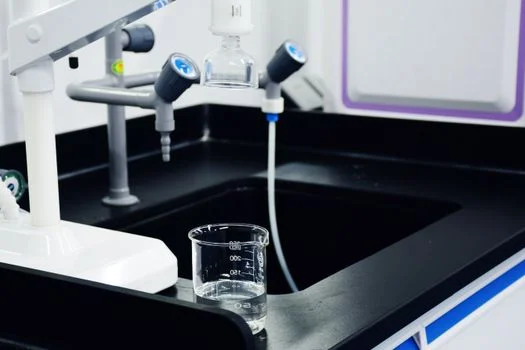
Achieving zero-risk compliance with Nepal MoHP and Pokhara municipality standards for hospital wastewater treatment requires a structured, multi-step approach. Implementing this roadmap ensures adherence to Nepal MoHP wastewater compliance and avoids penalties.
- Step 1: Conduct Wastewater Audit. Initiate a comprehensive audit of your hospital's wastewater, measuring flow rate, COD, BOD, and fecal coliform levels in accordance with Nepal MoHP guidelines. This crucial initial step typically costs NPR 50K–100K and provides the baseline data for system design.
- Step 2: Select Appropriate Technology. Based on the audit results and considering factors like space, budget, and desired effluent quality, select the most suitable treatment technology. Utilize the comparison table provided earlier to inform your decision on systems like MBR or constructed wetlands.
- Step 3: Submit System Design for Approval. For hospitals exceeding 50 beds, submitting the proposed wastewater treatment system design to the Pokhara municipality is a mandatory requirement. This ensures the design aligns with local regulations and environmental protection goals.
- Step 4: Install Automated Monitoring. Implement automated monitoring systems for key parameters such as pH, COD, and flow rate, complete with data logging capabilities. This is a MoHP 2023 mandate, ensuring continuous oversight of effluent quality. Consider integrating automatic chemical dosing systems for precise control.
- Step 5: Train Staff on Operation and Maintenance. Ensure hospital staff responsible for the treatment system receive comprehensive training on its operation and maintenance. Pokhara municipality requires certified operators for systems treating over 100 m³/day, emphasizing the need for skilled personnel.
- Step 6: Conduct Quarterly Testing. Arrange for quarterly wastewater testing by MoHP-approved laboratories. Each test typically costs around NPR 20K, providing independent verification of compliance with discharge standards. For complete solutions, explore compact medical wastewater treatment systems.
Frequently Asked Questions
Q: What are the primary pollutants in Pokhara hospital wastewater?
A: Pokhara hospital wastewater typically contains high levels of organic matter (COD 300–1,200 mg/L, BOD 150–600 mg/L), suspended solids (200–800 mg/L), and pathogenic microorganisms (fecal coliform 10⁶–10⁸ MPN/100mL). Additionally, pharmaceutical residues like ciprofloxacin and paracetamol are often present, requiring specialized treatment beyond basic biological processes.
Q: How do Pokhara hospital effluent standards compare to international benchmarks?
A: Nepal MoHP 2023 standards (COD <250 mg/L, BOD <100 mg/L) are generally less stringent than those in developed nations, such as the US or EU, which often require COD <100 mg/L and significantly lower pathogen counts. However, for critical urban water bodies in Pokhara, achieving effluent quality comparable to international standards is advisable, often necessitating advanced MBR systems or effective disinfection with chlorine dioxide generators for hospital effluent disinfection.
Q: Can treated hospital wastewater in Pokhara be reused?
A: Yes, high-quality treated hospital wastewater, particularly from MBR systems producing effluent with <50 mg/L COD, can be safely reused for non-potable purposes such as irrigation, toilet flushing, and laundry within the hospital premises. This practice significantly reduces reliance on municipal water supply and offers substantial cost savings, contributing to the ROI calculation.
Q: What are the key challenges for hospital wastewater treatment in Pokhara?
A: Major challenges include limited space for conventional systems in urban areas, financial constraints for advanced technologies, lack of consistent enforcement of Pokhara municipality sewage rules, and the technical complexity of treating diverse pollutants, including emerging contaminants like pharmaceuticals. Seasonal flow variations during monsoon also pose operational challenges, requiring robust system design.
Further Reading
Explore these in-depth articles on related wastewater treatment topics: